


Spectrometers

OES vs XRF: Which Metal Analysis Method Is Right for Your Metal Inspection?
Metal quality directly influences safety, performance, and durability. With stricter standards in industries such as automotive, aerospace, energy, and precision manufacturing, the ability to accurately determine metal chemistry has become a must-have rather than a luxury. Modern applications require: Choosing between an optical emission spectrometer for metal analysis or an XRF analyzer depends on how deeply you…
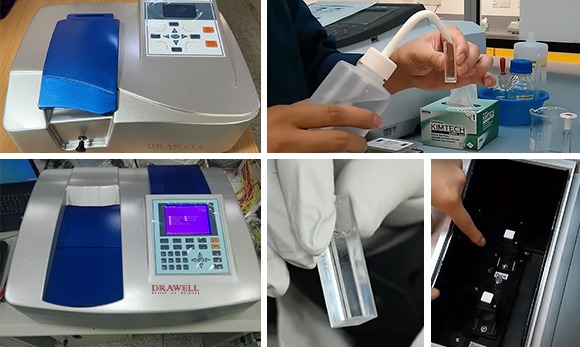
Using UV-VIS Spectrophotometers in Nanomaterials Characterization
In the field of materials science, the integration of nanomaterials is invaluable owing to their unique physical and chemical characteristics. Understanding the behavior of these materials and optimally harnessing their potential requires effective characterization. One of the most prominent instruments for characterization is the UV-VIS spectrophotometer, which affords the study of several optical and electronic…
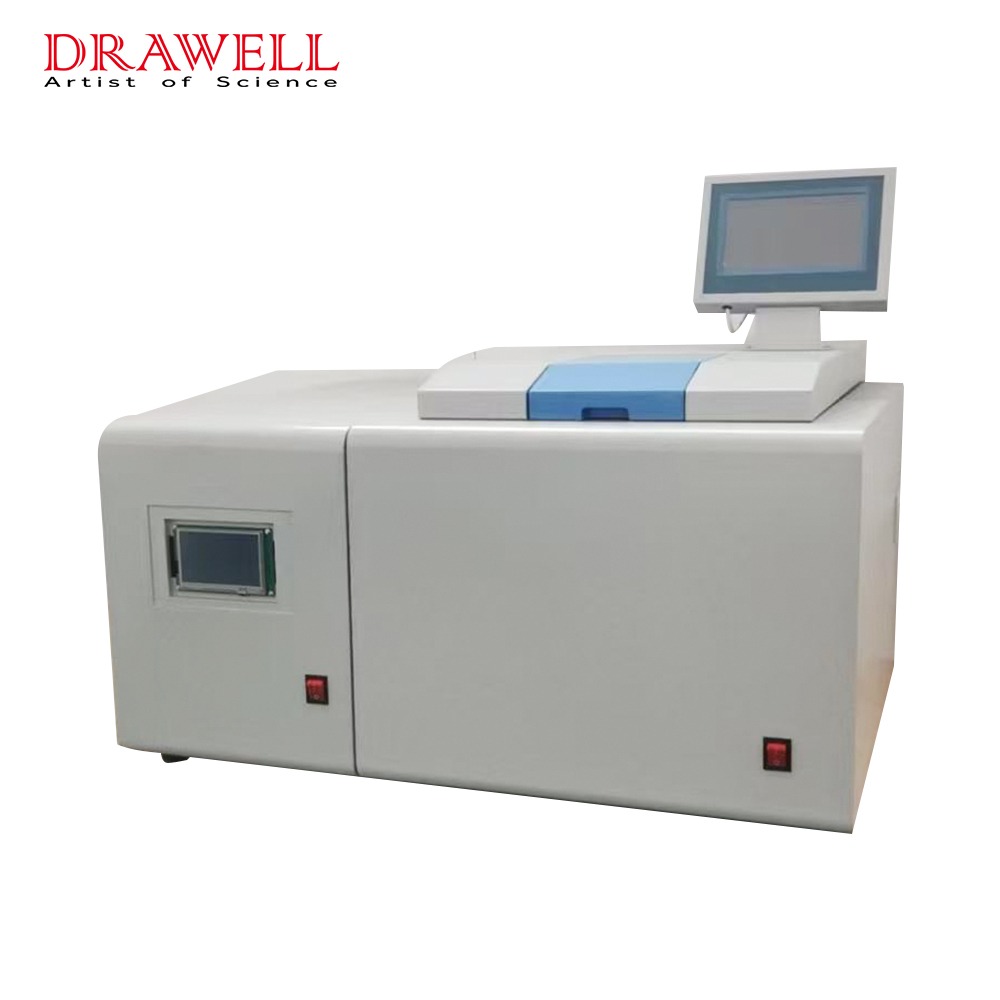
Automatic Bomb Calorimeter Solutions for Coal and Biomass Energy Labs
Are you ready to stop losing thousands on inefficient testing, inconsistent data, and manual labor? In the rapidly evolving global energy market, precision in calorific value measurement is non-negotiable. For laboratories focused on coal analysis and the burgeoning field of biomass and alternative fuels, the traditional bomb calorimeter is no longer enough. You need speed, certainty,…
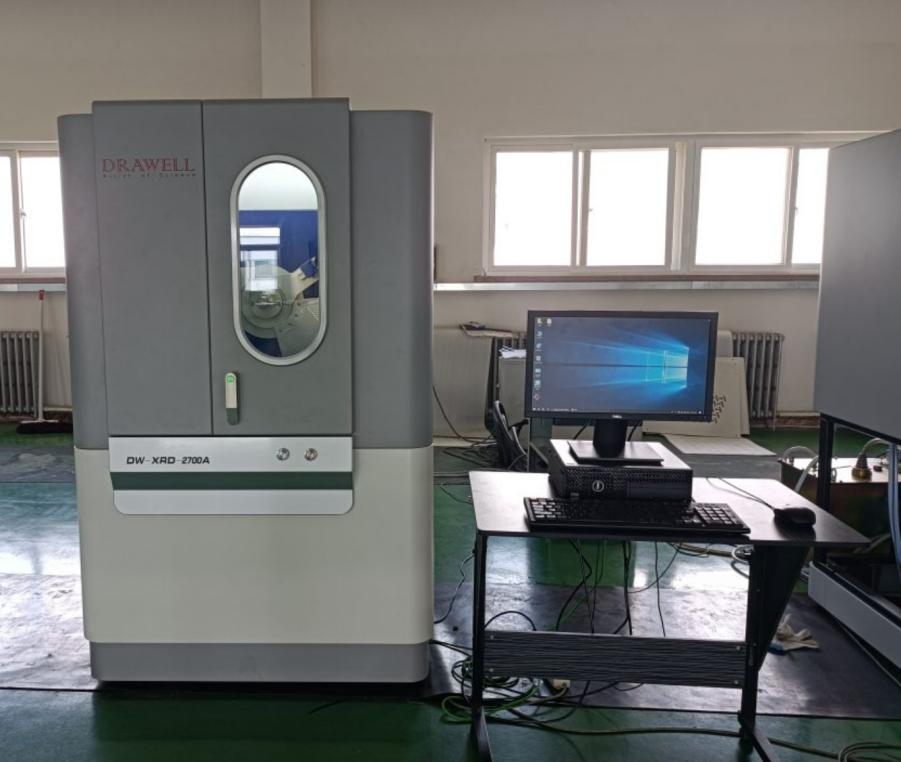
What are the Growing Uses of XRD in Polymorph Screening
Polymorphism, the capability for a compound to exist in various crystal forms, is critical in areas such as materials science, pharmaceuticals and chemistry. Different polymorphs exhibit t variations in stability, solubility, mechanical properties and bioavailability, which makes polymorph screening crucial in drug development. X-ray Diffraction (XRD) has become an effective technique for polymorph screening because of its accuracy, reliability and versatility, allowing precise…
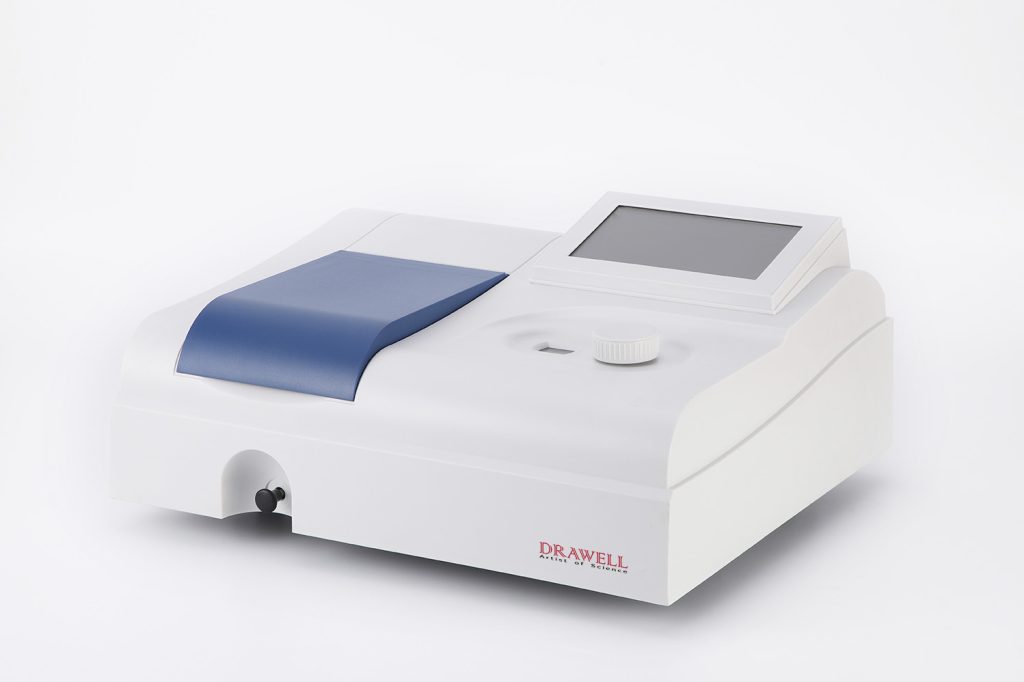
What Problems Can Be Solved By Coupling UV-VIS Spectroscopy With Other Techniques?
Ultraviolet-visible (UV-VIS) spectroscopy is invaluable in chemical analysis, biology, environmental science, and materials studies owing to its rapid, destruction-free, and highly sensitive detection capabilities. However, sole use of UV-VIS is limited when it comes to selectivity, molecular recognition, and structural elucidation. Consequently, it is common practice to couple UV-VIS spectroscopy and other complementary analytical techniques. The coupling not only improves…
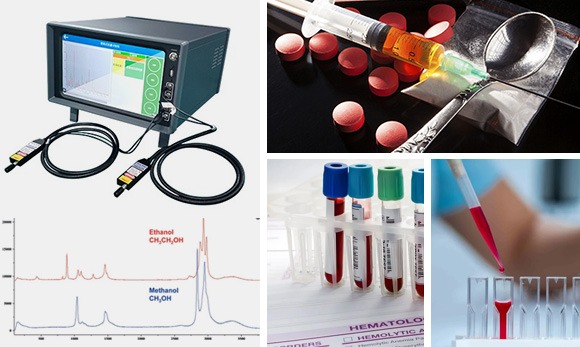
Surface-enhanced Raman Spectrometers for Molecular Detection
Surface-enhanced Raman spectrumrometers (SERS) are a groundbreaking breakthrough in the field of molecular spectroscopy, combining the principles of Raman scattering with the amplifying effects of nanoscale metallic surfaces. These Raman spectrumrometers enable ultra-sensitive detection of chemical and biological substances, providing unparalleled capabilities in surveillance of the environmental monitoring, medical diagnostics, food safety, and forensic science. How do Surface-enhanced Raman Spectrometers Work? The…
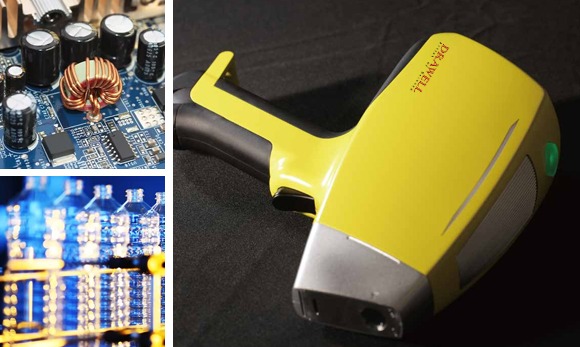
How XRF Enables RoHS, ELV, and CPSIA Compliance
In the current global marketplace, regulatory compliance has become an important concern for manufacturers, importers and distributors. Making sure that their products comply with environmental and safety standards is not only a legal requirement but also essential for protecting consumers and the environment. Among the technologies enabling compliance, X-ray fluorescence (XRF) has been recognized as a reliable, efficient, and non-destructive method…

Comparing Food Analysis Instruments: Which Tool Fits Your Application
Does a piece of steak contain clenbuterol? Does a box of milk meet protein content standards? Does a bag of rice have pesticide residues? The answers to these questions all lie within food analysis instruments. In the modern food industry, behind every bite of food is the protection of precise scientific instruments. From raw material…

How Does NIR Spectroscopy Work For Rapid Food Quality Testing
Near-Infrared (NIR) spectroscopy has revolutionized food quality testing by providing a fast, accurate, and non-destructive method to analyze food composition. In contrast to traditional laboratory techniques, which are often time-consuming and require chemical reagents, NIR spectroscopy enables rapid testing on raw materials or final products. To understand its value, it is essential to look at how NIR spectroscopy works in food…
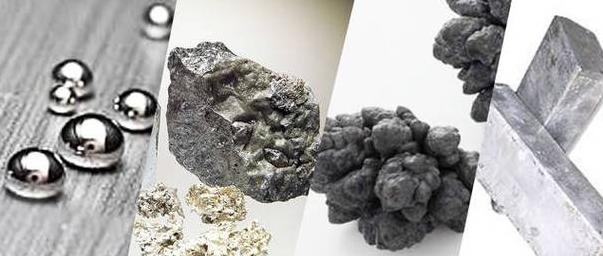
XRF vs. ICP-MS for Heavy Metal Detection: Choosing the Suitable Method
Heavy metal detection is a vital aspect of environmental monitoring, quality assurance for food products, pharmaceutical quality control, and industrial process management. The two most commonly employed analytical methods for detecting and quantifying heavy metals are X-ray Fluorescence (XRF) and Inductively Coupled Plasma Mass Spectrometry (ICP-MS). Although both XRF and ICP-MS methods serve as a means of elemental analysis, they differ greatly in their…
Browse by category:


