


Spectrometers
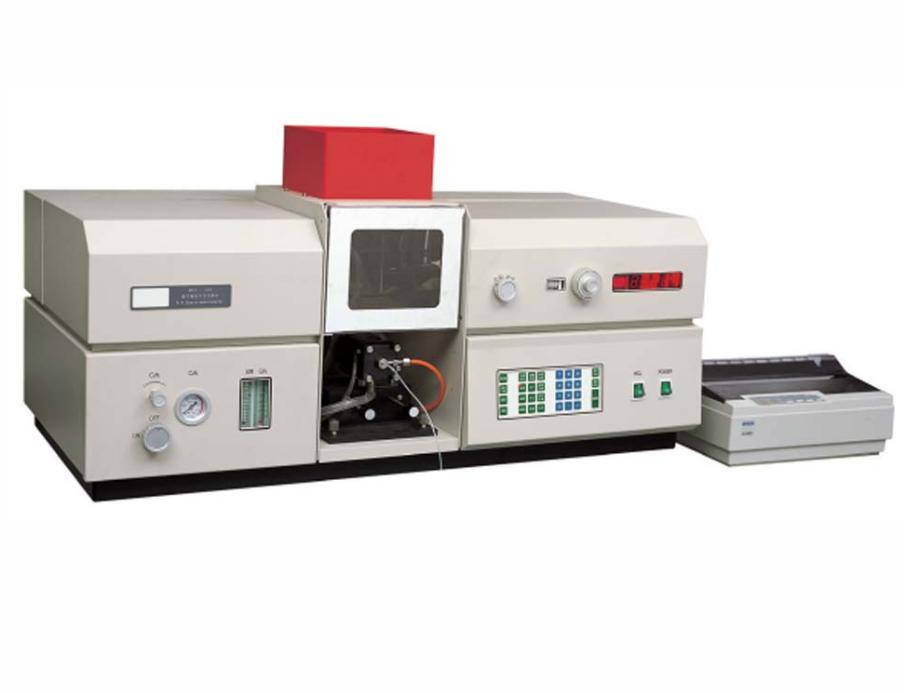
Flame Atomic Absorption Spectrophotometer(FAAS): Types of Flames and Different Applications
The Flame Atomic Absorption Spectrophotometer (FAAS) has established itself as a fundamental instrument used in analytical chemistry to perform fast and accurate trace metal analysis across different sample types. FAAS operates by measuring how free gas phase atoms absorb light through its detection system. The introduction of a sample solution into a flame results in…

EDX vs WDX XRF for Cement: Which Type Fits Your Lab
You’re in charge of quality control at a cement plant. Every day, you need to make sure the raw mix is right, the clinker is stable, and the final product meets strict standards. For decades, X-ray fluorescence (XRF) has been the go-to tool for this job. It’s fast, accurate, and non-destructive. But when it’s time to…
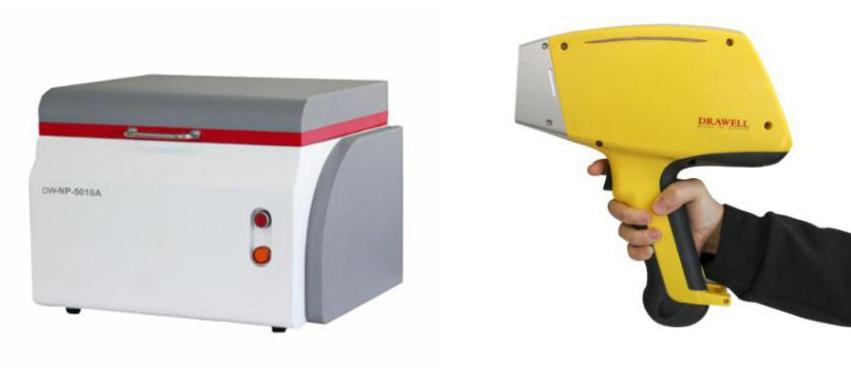
Handheld vs. Desktop XRF for Alloy Analysis: Which One is Right for Your Operation
Portability or precision? Speed or depth? For alloy analysis, you shouldn’t have to choose—but with XRF analyzers, you do. Handheld units identify grades in seconds, anywhere from the scrap yard to the refinery. Desktop systems deliver lab-grade data down to the last ppm, catching the trace elements that matter in critical alloys. Both are excellent tools….
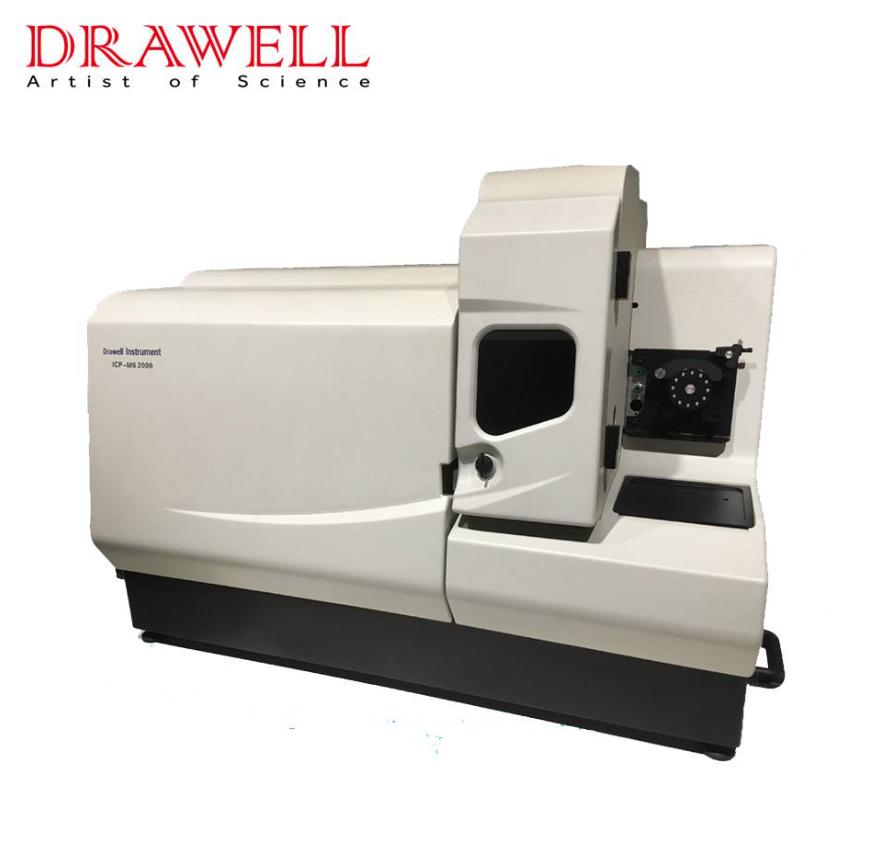
Why ICP-MS Is Preferred for Trace Heavy Metal Analysis in Water
For laboratories tasked with safeguarding water quality, ICP-MS(Inductively Coupled Plasma Mass Spectrometry) has emerged as the gold standard for trace heavy metal analysis. But what makes it so special? And why are more labs choosing it over traditional methods? Let’s dive in. Understanding the Challenge: Detecting the Nearly Undetectable When we talk about “trace” heavy metals…
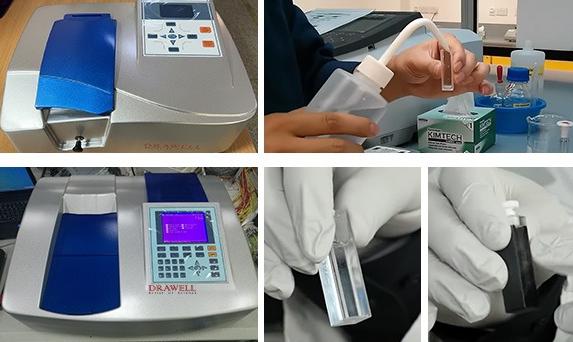
How to Configure the Right UV-VIS Spectrophotometer for Different Water Testing Applications?
Choosing the right water testing spectrophotometer is not just about selecting a UV-Vis instrument—it is about matching the instrument configuration to the actual water quality application. From drinking water laboratories to pond monitoring and wastewater treatment plants, different water types place very different demands on a UV-Vis spectrophotometer. As one of the experienced UV-Vis spectrophotometer manufacturers,…
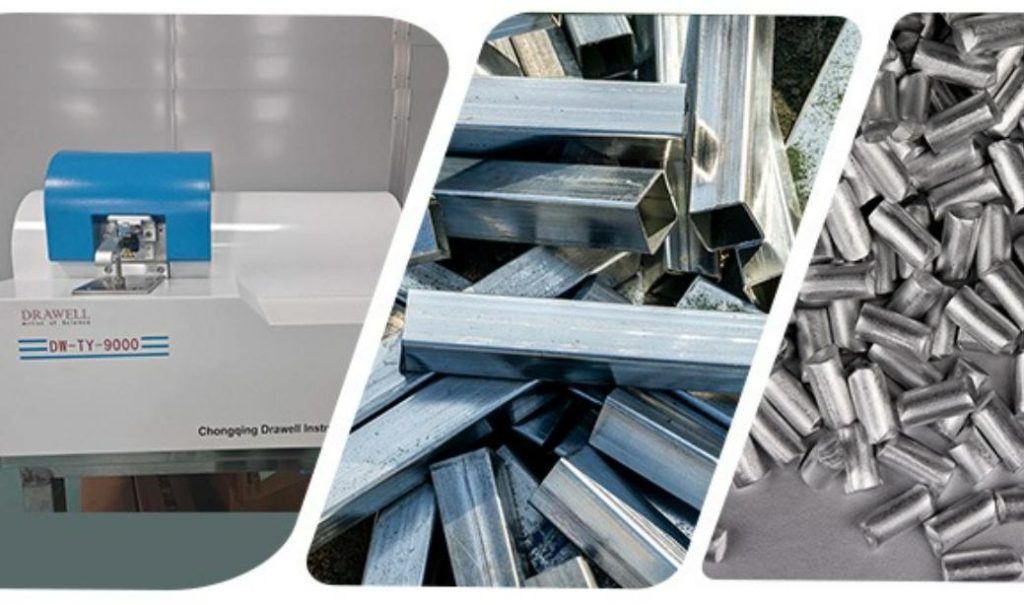
Improving Alloy Separation in Metal Recycling: Why OES Matters
Alloy separation is currently one of the most critical steps in the ever-expanding field of metal recycling around the globe. The correct identification of alloy composition directly affects product quality, production cost, and process reliability, regardless of whether the alloys recovered are aluminum, steel, or stainless steel. From a supplier’s perspective, Optical Emissions Spectroscopy (OES) has…
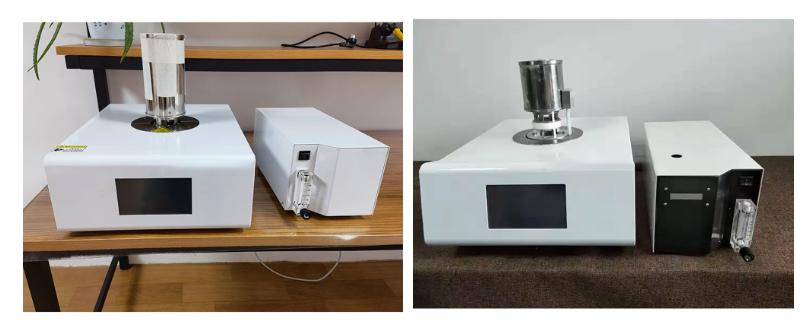
DSC for Quality Control in Plastic Manufacturing: Key Parameters to Monitor
Plastic manufacturing has become increasingly sophisticated, driven by tighter performance requirements, advanced polymer blends, and sustainability goals such as recycled plastic integration. In this environment, even a small variation in polymer structure can result in issues like warpage, brittleness, poor transparency, or thermal instability. That is why DSC tests for plastics are no longer optional—they are…
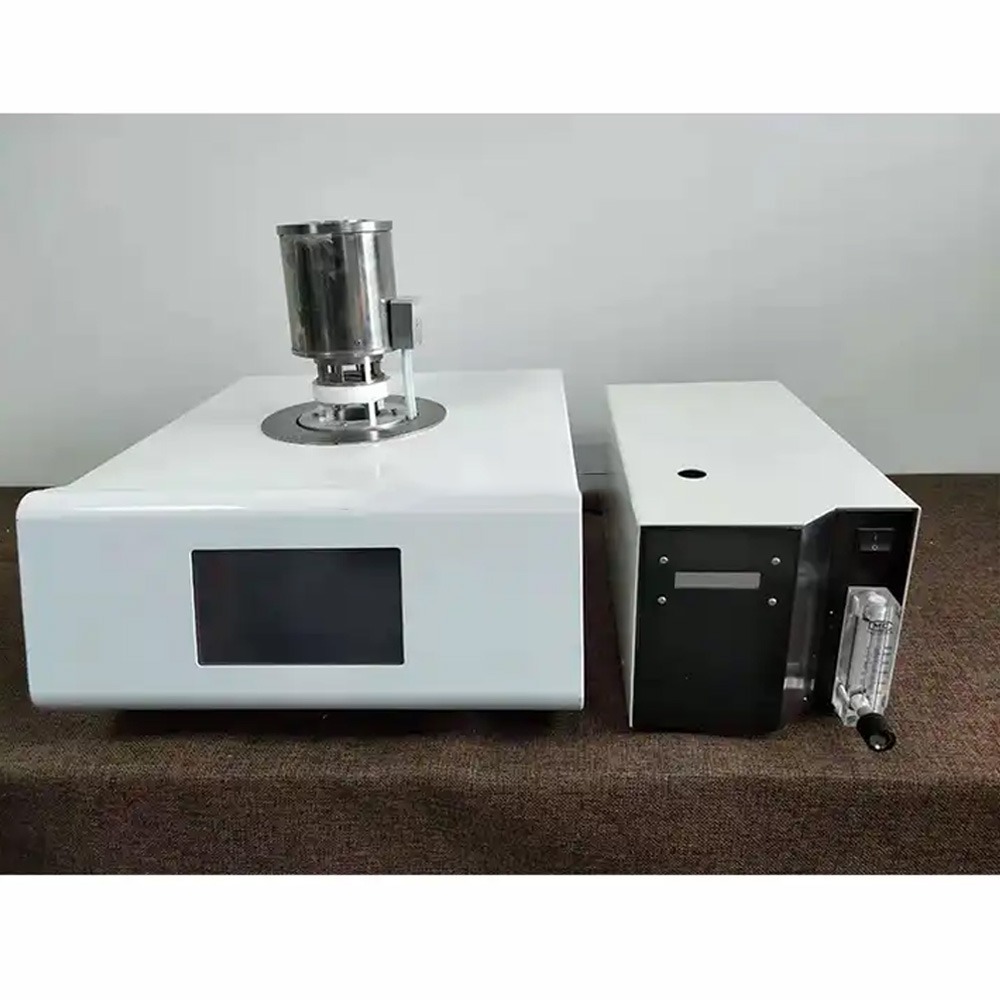
TGA vs DSC: What’s the Difference and How to Choose the Right Tool?
When it comes to characterizing materials in research, quality control, or product development, choosing the right thermal analysis technique can make all the difference. Two of the most widely used instruments – the “Thermogravimetric Analyzer (TGA)” and the “Differential Scanning Calorimeter (DSC)” – are often mentioned together, yet they answer fundamentally different scientific questions. If you’ve ever asked…
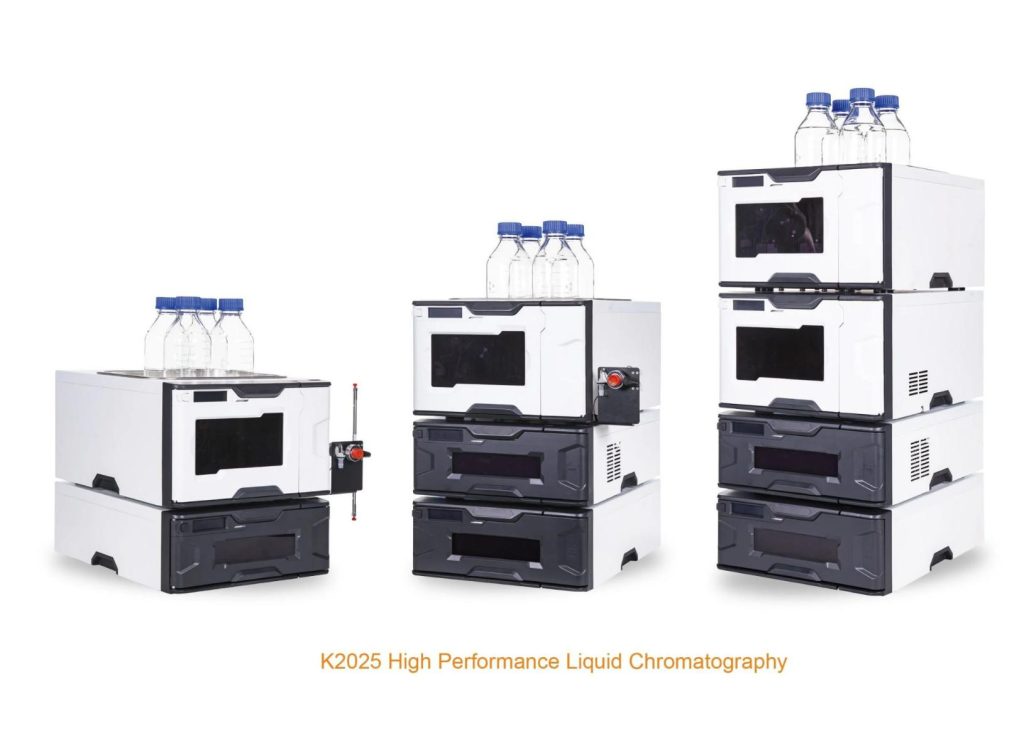
What are the Water Quality Needs of HPLC, ICP-MS, PCR and Cell Culture?
In modern laboratory conditions, water in reagent form has grown well beyond its nascent phase of being merely a solvent. Incubating water for use in high-performance liquid chromatography (HPLC), analyzing trace metals by ICP-MS, amplifying DNA through PCR, or promoting cultivation of the sensitive mammalian cells will directly affect the accuracy of data, durability of…
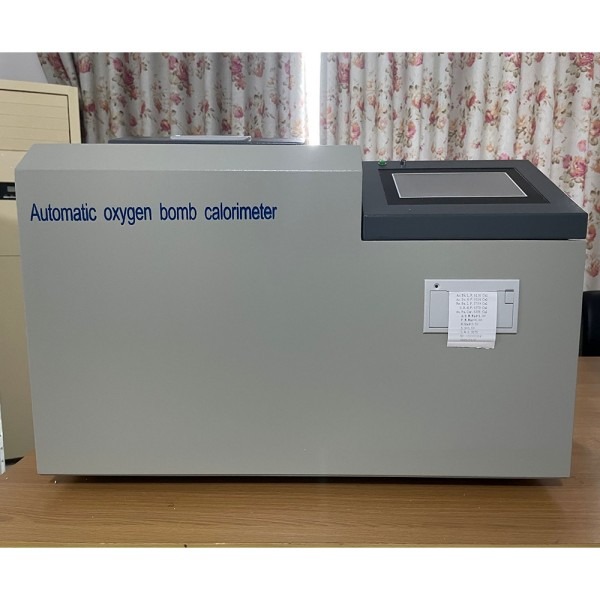
Common Bomb Calorimeter Problems and How to Solve
Bomb calorimeters are essential tools for determining the calorific value of fuels, biomass, food, waste, and other combustible materials. However, many laboratories often encounter bomb calorimeter problems that affect efficiency, accuracy, and overall testing reliability. From operational difficulties to calibration issues and safety concerns, these challenges can disrupt routine laboratory workflows and lead to inconsistent results….
Browse by category:


