


Spectrometers
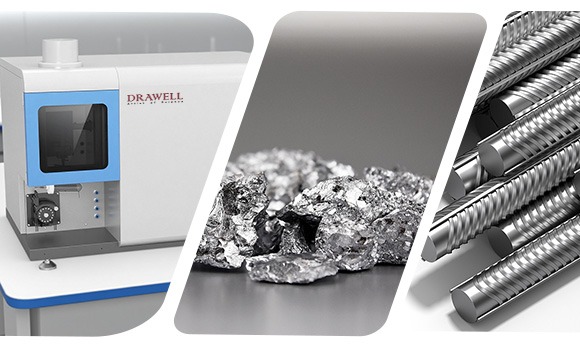
Sample Preparation for ICP-OES: Methods and Considerations
Have you ever spent hours tuning your spectrometer, only to find your calibration curves drifting or your recovery rates tanking? In trace elemental analysis, there is an unwritten law every chemist learns the hard way: your data is only as good as your sample. No matter how advanced your optical system is, a poorly prepared…
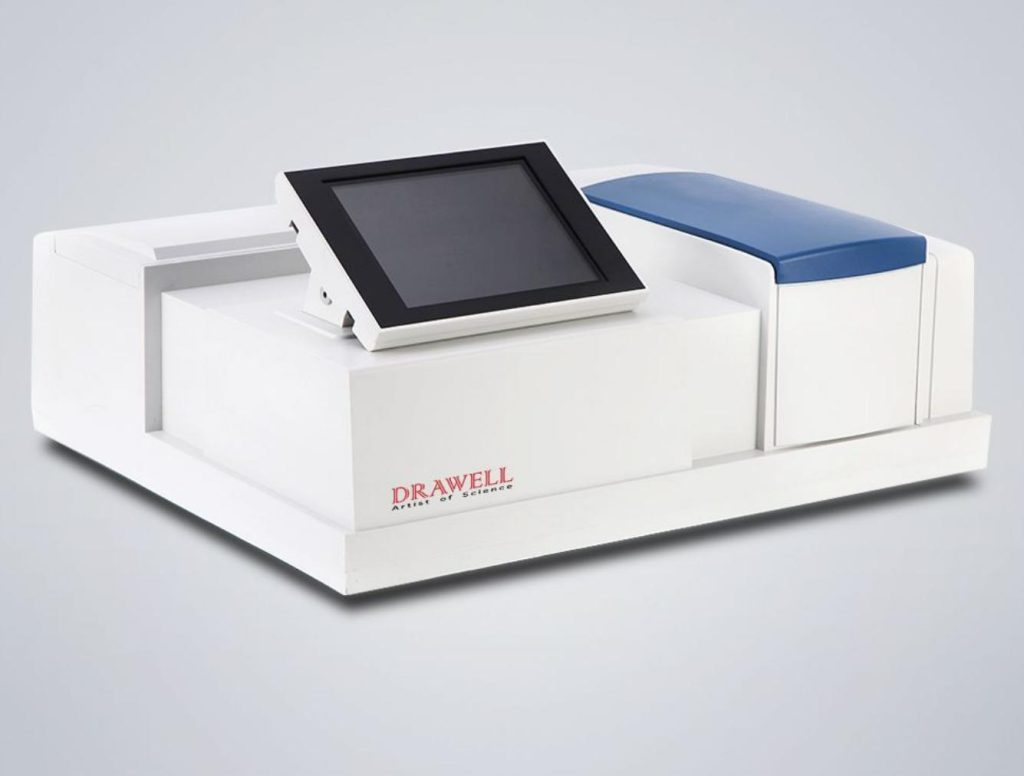
UV-VIS Spectrophotometers: 6 Key Points You Need to Know
A UV-VIS spectrophotometer is an analytical instrument used to measure absorption or transmission of ultraviolet UV and visible VIS light by a substance. It is one of the most widely used laboratory instruments in chemistry, biology , pharmaceuticals , environmental science , food analysis, and material research because it gives fast accurate, and non-destructive analysis…
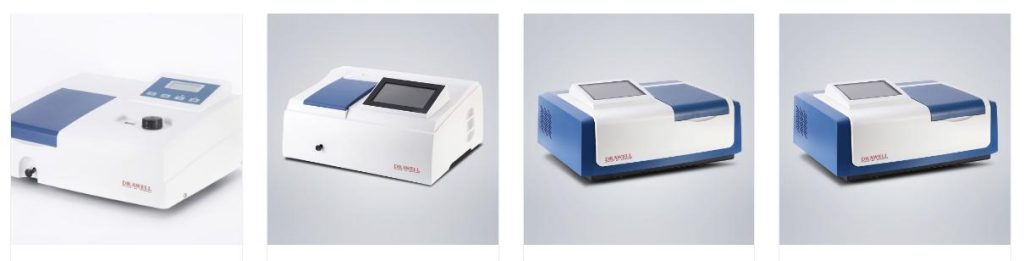
Single vs. Double Beam UV-Visible Spectrophotometers: Which Type to Choose
UV-Visible spectrophotometers measure the absorption or transmission of ultraviolet and visible light by a sample, which helps scientists figure out concentration, purity, and other chemical characteristics. In practice, among the various kinds of UV-Visible spectrophotometers, single-beam and double-beam systems are the ones most people reach for. Even if both of them do the same main…
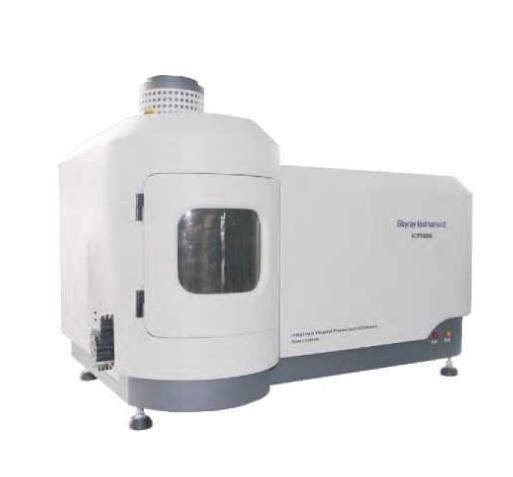
ICP-OES vs. ICP-AES: How to Make a Proper Choice
In the area of elemental analysis, you’ll often hear two labels, ICP-OES and ICP-AES. A lot of labs, researchers, and industry people are wondering if they are genuinely two separate techniques or if it is just a naming thing, basically different words for the same analytical method, you know. Figuring out what the connection is…
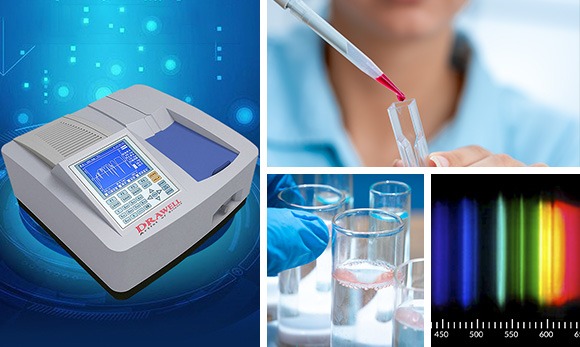
How Does a UV-VIS Spectrophotometer Work
A UV-VIS spectrophotometer is sort of a strong analytical tool, used a lot in chemistry, biology, environmental science, and materials research. It gauges the absorbance or maybe the transmittance of light from a sample, across the ultraviolet and visible zones, which sit in the electromagnetic spectrum. Usually, this comes out to something like 190 to…
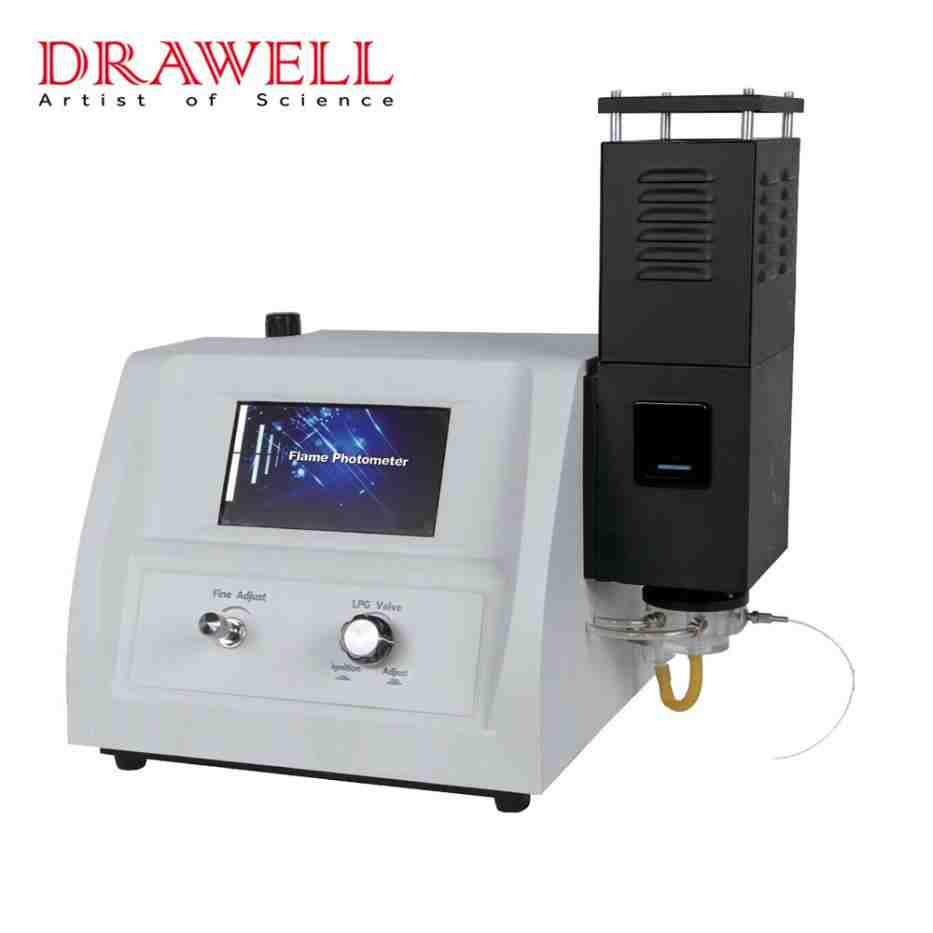
Flame Photometer Working Principle: 2026 Expert Guide for Precise Analysis
Ever stared at a flame photometers and wondered, “How does this thing actually work?” If you’re working in a clinical, agricultural, or environmental lab, chances are you’ve used one of these instruments. But the science behind that little flicker of light is often overlooked—even though it’s surprisingly elegant. Here’s the gist: different metal atoms glow…
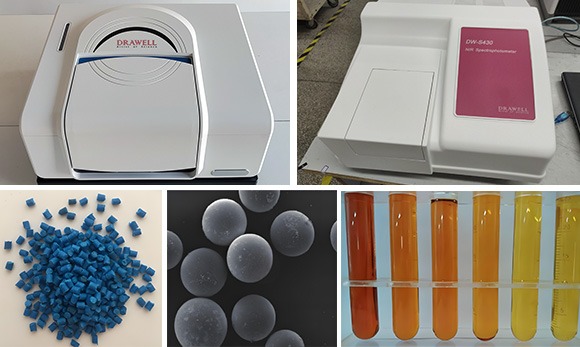
Sample Preparation for FTIR Analysis: Sample Types and Common Methods
Fourier Transform Infrared (FTIR) Spectroscopy is a widely used analytical method for recognizing chemical compounds and describing materials from their infrared absorption patterns. One of the more critical factors that really shapes FTIR results is how the sample is prepared, yeah. Depending on the sample type, you usually need a specific approach for preparation so…
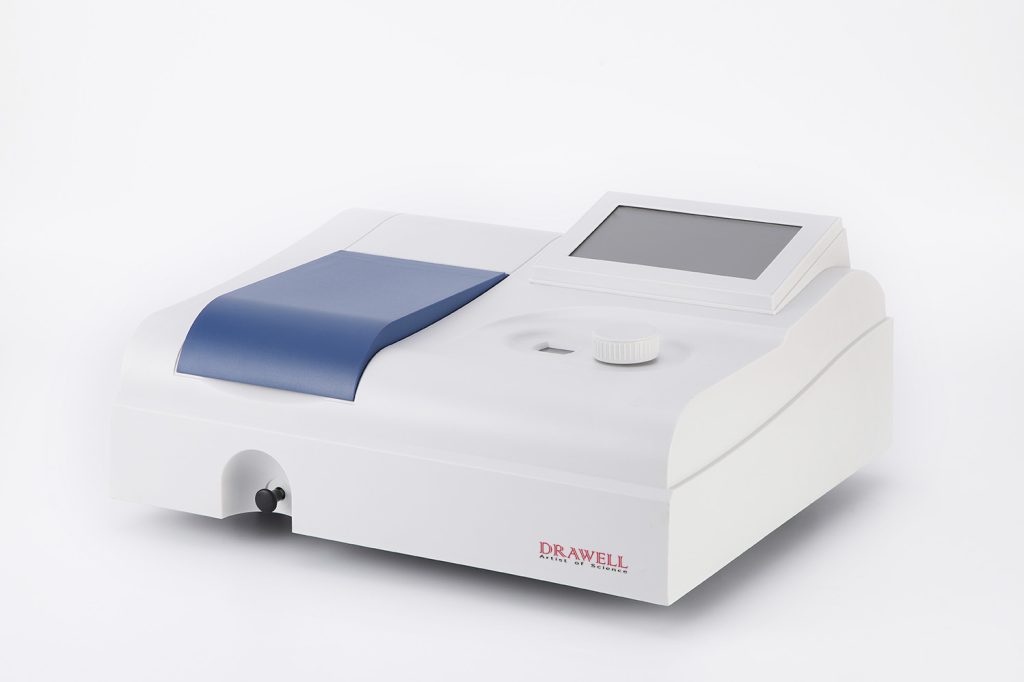
How to Select UV-Vis Absorbance Range and Spectral Bandwidth
You’ve just run a sample through your UV-Vis spectrophotometer, but the results don’t look right. The numbers seem off — maybe too low, maybe not as repeatable as you’d expect. You start wondering: is the instrument broken? Is the sample preparation wrong? In many cases, the culprit is far simpler — and far more overlooked….
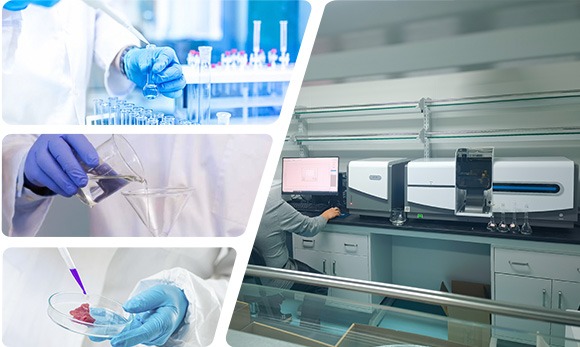
How Atomic Absorption Spectrometer Works? Mechanism, Interferences & Applications
How do you accurately measure a trace metal that is completely invisible to the naked eye? Whether it’s detecting parts-per-billion of lead in drinking water or verifying the purity of an industrial alloy, laboratories worldwide rely on one dependable workhorse: the Atomic Absorption Spectrometer (AAS). Prized for its pinpoint selectivity, understanding exactly how an AAS…
How to Use UV Vis Spectrophotometer
In the field of analytical chemistry, UV-Vis spectrophotometers are indispensable tools for studying the interaction of light with matter. These instruments allow scientists and researchers to measure the absorption or transmission of light across the ultraviolet (UV) and visible (Vis) regions of the electromagnetic spectrum. Whether you’re a student conducting experiments in a laboratory or a…
Browse by category:


