


Alloy separation is currently one of the most critical steps in the ever-expanding field of metal recycling around the globe. The correct identification of alloy composition directly affects product quality, production cost, and process reliability, regardless of whether the alloys recovered are aluminum, steel, or stainless steel.
From a supplier’s perspective, Optical Emissions Spectroscopy (OES) has proven to be the most reliable and extensively used technology for refining alloy separation from metal recycling in the present day.
In this article, we explain why alloy separation is challenging, how Optical Emission Spectrometers support accurate scrap sorting, and why OES matters for recycling facilities, foundries, and metal processors.
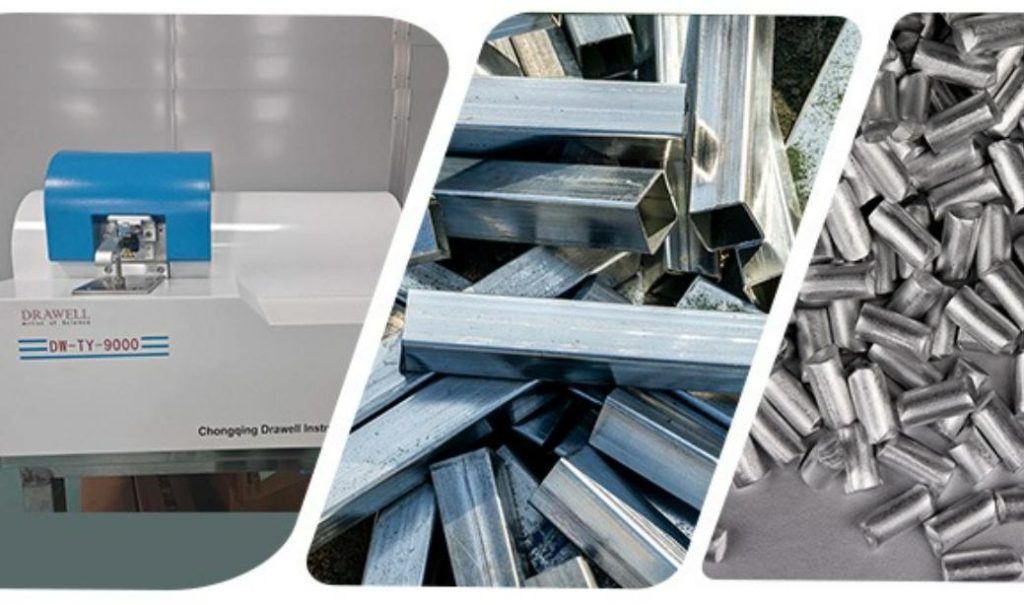
The Challenge of Alloy Separation in Metal Recycling
At first glance, many metal scraps look almost identical. However, small differences in chemical composition can define whether a material is suitable for reuse—or becomes a costly problem downstream.
In metal recycling, alloy separation is challenging for several reasons:
- Different alloys often share similar appearance and physical properties
- Critical alloying elements may be present in low concentrations
- Mixed scrap streams increase the risk of contamination
- Manual sorting relies heavily on experience and visual judgment
These challenges make it difficult to achieve consistent scrap quality. When alloys are not properly separated, recycling facilities may face unstable melting behavior, off-spec products, and increased reprocessing costs.
From our experience as an optical emission spectrometer manufacturer, improving alloy separation starts with reliable elemental analysis at the scrap sorting stage.
Why Accurate Alloy Identification Is Critical?
Accurate alloy identification is not just a quality issue—it directly affects efficiency, cost control, and compliance throughout the recycling chain.
Impact on Melt Quality and Process Stability
Even small variations in alloy composition can change melting temperature, fluidity, and final mechanical properties. For example, incorrect levels of magnesium or silicon in aluminum alloys may lead to defects during casting or extrusion. In steel recycling, carbon and alloying elements such as chromium or nickel play a decisive role in grade classification.
By using an optical emission spectrometer for metal analysis, recyclers can verify alloy composition before melting, reducing uncertainty and improving process stability.
Cost, Yield, and Compliance Risks
Poor alloy separation often results in:
- Higher scrap rejection rates
- Increased energy consumption due to re-melting
- Difficulty meeting customer or industry specifications
Accurate identification also supports Positive Material Identification (PMI) requirements, helping recycling operations meet internal quality standards and external regulations. In this context, OES becomes a practical tool for risk reduction rather than an optional investment.
Limitations of Traditional Scrap Sorting Methods
Before advanced analytical tools became widely available, scrap sorting relied mainly on manual and indirect methods. While these approaches still play a role, they have clear limitations.
Visual Sorting and Experience-Based Classification
Manual sorting depends heavily on operator experience. Although skilled workers can recognize common alloys, this method lacks consistency and becomes unreliable when dealing with complex or mixed scrap streams.
Magnetic, Density, and Handheld XRF Methods
Other techniques, such as magnetic separation or density-based sorting, help classify materials at a basic level but cannot provide detailed chemical composition.
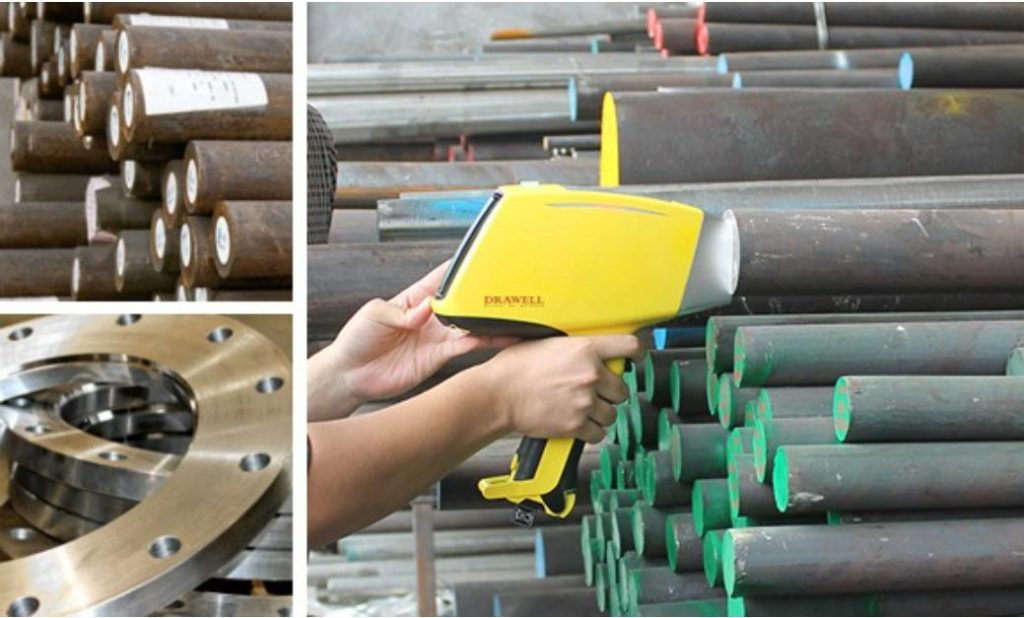
Handheld XRF analyzers are commonly used for quick screening, but they have limitations:
- Difficulty detecting light elements such as carbon
- Limited ability to distinguish alloys with similar compositions
These gaps explain why many recycling facilities turn to spark optical emission spectrometers and arc spark emission spectroscopy for more accurate alloy separation.
How OES Improves Alloy Separation Accuracy?
Optical Emission Spectroscopy offers a direct and reliable way to analyze metal composition, making it highly suitable for recycling applications.
Direct Elemental Analysis of Solid Metal Samples
One key advantage of an optical emission spectroscopy machine is its ability to analyze solid metal samples directly. With arc or spark excitation, the instrument measures emitted light from excited atoms and converts it into quantitative elemental data.
This direct-reading approach eliminates the need for complex sample preparation and provides fast, repeatable results.
Detecting Critical Alloying Elements
OES can detect both major and minor alloying elements that define the material grade. This capability is essential for separating:
- Aluminum alloys with a similar base composition
- Carbon and alloy steels with overlapping properties
- Stainless steels with different chromium and nickel levels
Because of this precision, the optical emission spectrometer uses extend well beyond basic identification and support confident alloy classification.
Fast Results for High-Throughput Recycling Operations
Speed matters in recycling. Modern spark optical emission spectrometers deliver results within seconds, allowing operators to make quick decisions without slowing down sorting lines. This balance between speed and accuracy is a major reason OES remains a preferred technology for metal recycling.
Typical OES Applications in Scrap Metal Recycling
OES systems are used across various recycling scenarios, depending on material type and operational needs.
Aluminum Alloy Scrap Separation
Separating aluminum alloys is particularly challenging due to similar appearance and close composition ranges. OES helps distinguish between series such as 5xxx, 6xxx, and 7xxx, ensuring cleaner alloy streams and higher reuse value.
Steel and Stainless Steel Scrap Sorting
In steel recycling, OES supports accurate grade identification by measuring carbon and alloying elements. This is especially important when separating carbon steel, alloy steel, and stainless steel in mixed scrap environments.
Foundry and In-House Recycling Loops
Many foundries reuse internal scrap. By integrating an optical emission spectrometer for metal analysis, they can quickly verify scrap composition before charging furnaces, improving consistency and reducing corrective actions.

Full Spectrum OES and Automation Trends in Recycling
Recent developments in full spectrum direct reading spectrometers have further enhanced OES performance. Full spectrum detection allows the instrument to collect a wide range of wavelengths simultaneously, improving accuracy and flexibility when analyzing complex alloys.
Automation is another growing trend. OES systems can be integrated into recycling workflows to support:
- Digital data recording
- Batch traceability
- Process optimization
These developments align with industry goals for higher efficiency and lower environmental impact.

Choosing the Right OES for Alloy Separation Tasks
Different recycling environments and material types demand specific capabilities from an OES system. To help you make an informed choice, we summarize key factors to consider and recommend suitable Drawell solutions for common alloy separation scenarios.
Factor 1: Alloy Types and Element Detection Requirements
One of the most important considerations is the range of alloying elements you need to detect. Some metals require analysis of light elements (e.g., magnesium in aluminum or carbon in steels), while others focus on medium or heavy elements.
For general alloy sorting where the main goal is to distinguish between common alloy families (e.g., aluminum vs. steel) and determine major elements, a versatile spark or arc OES is sufficient.
For applications involving both major and trace elements, higher sensitivity and broader wavelength coverage can improve accuracy.
Recommended Drawell Solution:
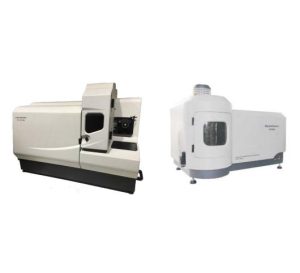
DW-W6 Optical Emission Spectrometer – A flexible and reliable arc/spark OES suitable for a broad range of alloying elements, particularly in steel, stainless steel, and aluminum separation.
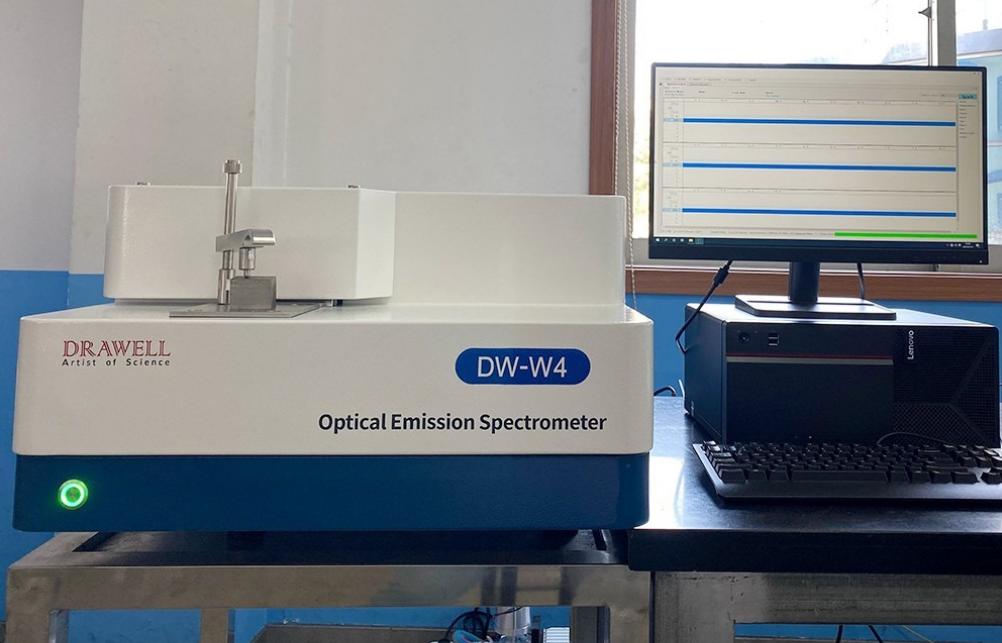
DW-W4 Optical Emission Spectrometer – A cost-effective option for facilities needing stable performance and essential elemental detection without extensive trace requirements.
Factor 2: Throughput and Speed of Analysis
Metal recycling operations often require fast turnaround times to maintain production efficiency. High-throughput facilities benefit from instruments that deliver rapid results without sacrificing accuracy.
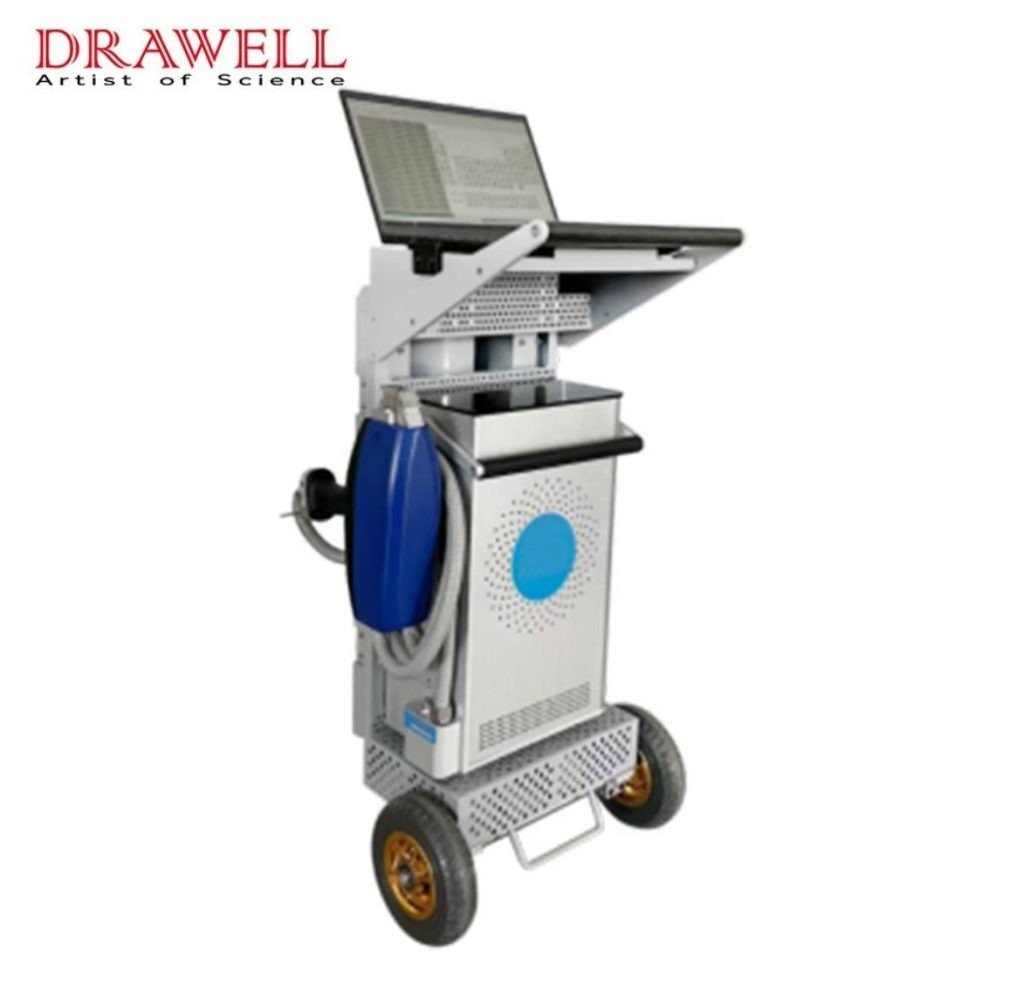
Portable or mobile OES units are ideal for on-site analysis or when sorting must happen directly at a scrap yard conveyor. Drawell providing Sprite SP6 Mobile Metal Analyzer – A portable optical emission spectrometer for rapid, on-site alloy identification. Its ease of use and mobility make it excellent for high-volume scrap sorting and quick decision-making on the floor.
Laboratory-grade OES units provide deeper analytical insight but may have more complex setup and calibration requirements.
Factor 3: Site Conditions: On-Site vs. Laboratory Use
The operating environment plays a key role in OES selection. Outdoor or recycling yard use requires robust equipment that tolerates dust, vibration, and temperature changes, while in-lab systems prioritize precision and extended analytical capabilities.
Portable OES systems are best for flexible, mobile usage inside yards, trucks, or field operations.
Bench-top or lab-configured OES systems excel in controlled environments with higher analytical precision needs. Our AES-8000 Arc Emission Spectrometer is designed for stable bench-top operation with robust performance in controlled environments.
Factor 4: Full Spectrum Detection and Future Integration
As alloy streams become more complex, broad spectral coverage and advanced data processing help maximize accuracy, especially when differentiating between closely related alloys. Instruments with full spectrum capabilities capture a wide range of wavelengths simultaneously, benefiting both current analysis and future data-driven workflows.
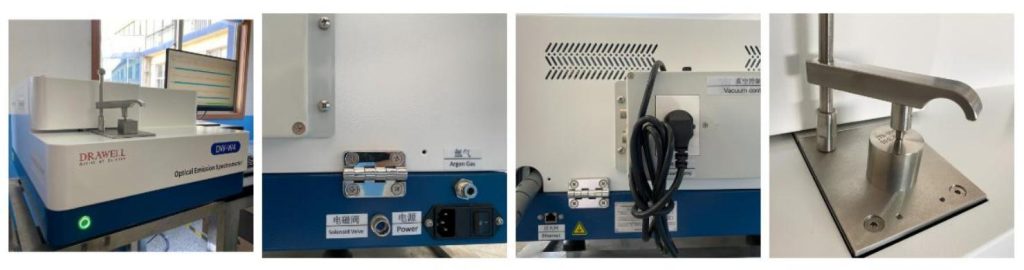
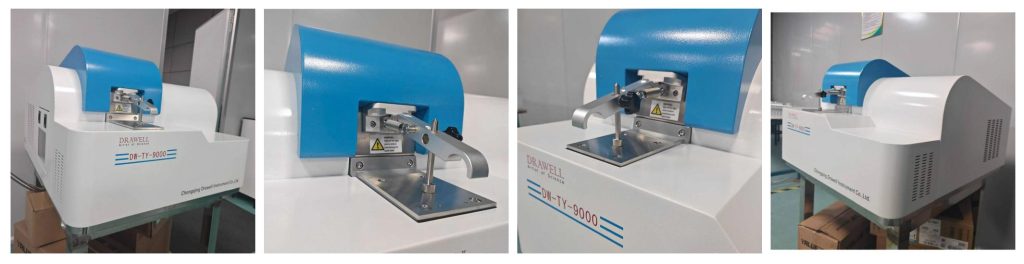
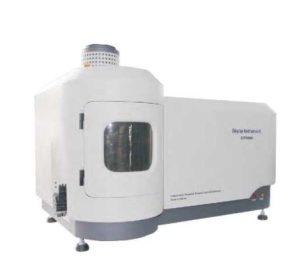
Full spectrum instruments streamline the detection of minor and trace elements and support integration into automated sorting processes. Our DW-TY-9000 Full Spectrum Direct Reading Spectrometer – a full spectrum direct reading OES offering wide wavelength coverage and powerful analytical confidence, particularly useful for facilities planning for future automation or data integration.
Factor 5: Budget, Support, and Long-Term Operation
Choosing the right OES also involves practical considerations like instrument cost, ongoing maintenance, consumables, training, and after-sales support. As a long-established optical emission spectrometer manufacturer, Drawell offers solutions across different price points and service levels to match your budget and operational needs.
| Consideration | What to Evaluate |
| Initial Equipment Cost | Tier of instrument vs expected throughput |
| Maintenance and Consumables | Frequency of calibration, electrode life, cost of parts |
| User Training and Ease of Use | Availability of intuitive software and training support |
| Service and Warranty | Local support, response times, extended warranty options |
Overall, the right choice balances your analytical requirements, operating environment, and budget, all while ensuring reliable alloy separation performance year after year.
Why OES Matters in Modern Metal Recycling?
As metal recycling moves toward higher efficiency and stricter quality requirements, alloy separation has become more important than ever. Optical Emission Spectrometers provide the accuracy, speed, and reliability needed to identify alloys correctly and consistently.
From reducing contamination risks to improving melt quality, OES plays a key role in turning scrap into valuable resources. As an experienced optical emission spectrometer manufacturer, Drawell continues to support recycling professionals with practical, proven OES solutions tailored to real-world applications.
Related Products Recommendation
2.jpg)
Get Quote Here!
Latest Posts


What Next?
For more information, or to arrange an equipment demonstration, please visit our dedicated Product Homepage or contact one of our Product Managers.


