


Spectrometers
Emerging Applications of ICP-OES in Nanotechnology and Material Science
Inductively Coupled Plasma Optical Emission Spectroscopy (ICP-OES) is a powerful analytical tool that excels in multi-elemental analysis with high precision and sensitivity. Its applications in nanotechnology and material science have grown significantly, enabling breakthroughs in research, quality control, and product development. Understanding ICP-OES ICP-OES is an advanced analytical technique used to determine the elemental composition of…
9.jpg)
How ICP-AES are Used for the Characterization of Geological Samples
Inductively Coupled Plasma Atomic Emission Spectroscopy (ICP-AES) has emerged as a powerful analytical technique with widespread applications in various fields. Its ability to rapidly and accurately determine the elemental composition of geological samples has revolutionized the way geologists explore, characterize, and understand the Earth’s materials. This article explores the principles, applications, and future advancements of ICP-AES in…

How ICP-AES Contributes to Enhance Food Safety
Food safety is an essential priority for governments, manufacturers, and consumers worldwide. With the increasing complexity of food supply chains, precise and reliable methods to detect contaminants and ensure quality have become indispensable. Inductively Coupled Plasma Atomic Emission Spectroscopy (ICP-AES) has emerged as a critical technology in addressing food safety concerns. This article explore the the significance, advantages, challenges and…
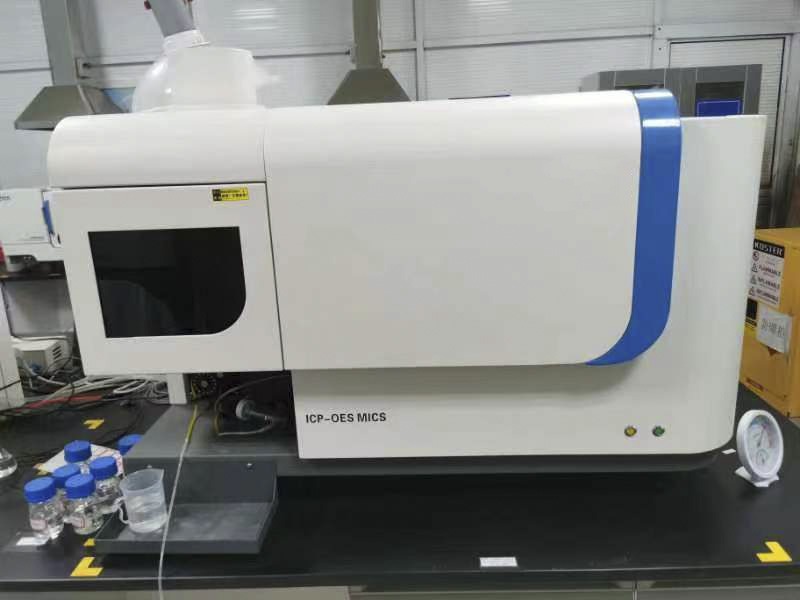
What are Effective Calibration Methods in ICP-OES Analysis
Inductively Coupled Plasma Optical Emission Spectroscopy (ICP-OES) is a widely used analytical technique for detecting and quantifying trace elements across diverse sample types. The accuracy of ICP-OES results is heavily reliant on effective calibration methods. This article delves into the essential calibration techniques for achieving high precision and accuracy in ICP-OES analysis. Why Calibration Matters in ICP-OES Calibration…
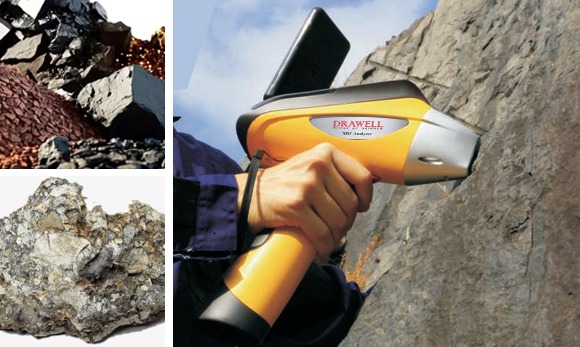
How Mineral Analyzers Transform Mineral Exploration
Mineral exploration plays a pivotal role in industries such as mining, construction, and energy production. The search for valuable minerals, however, has traditionally been a time-consuming and labor-intensive process. Enter mineral analyzers—a revolutionary technology that has transformed the way we identify and evaluate mineral deposits. By offering unparalleled accuracy, speed, and efficiency, these tools are…

ICP-AES vs. ICP-MS for Heavy Metal Analysis: How to Choose the Right Method
Two widely adopted techniques for heavy metal analysis are Inductively Coupled Plasma-Atomic Emission Spectroscopy (ICP-AES) and Inductively Coupled Plasma-Mass Spectrometry (ICP-MS). Each technique has distinct advantages and limitations depending on the application, sensitivity requirements and operational constraints. This article explores the key aspects that differentiate ICP-AES and ICP-MS, aiding in selecting the appropriate method for heavy metal analysis. What are…
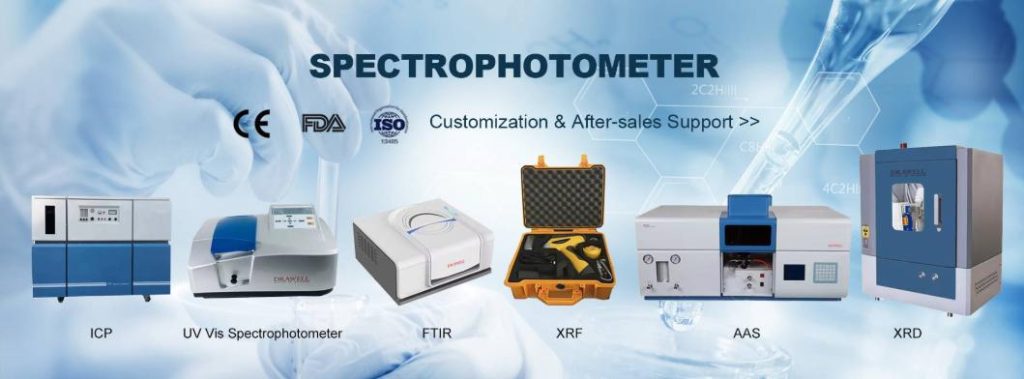
How to Choose the Right Elemental Analyzer for Your Needs
Elemental analysis is a crucial technique in various scientific fields, including chemistry, environmental science, materials science, and pharmaceuticals. It involves determining the elemental composition of a substance, providing valuable insights into its chemical structure, purity, and properties. With a wide array of elemental analyzers available, selecting the right instrument for specific research or industrial needs can…
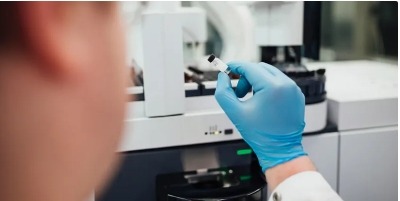
How to Enhance Detection Limits in ICP-OES for Trace Metal Analysis
Inductively Coupled Plasma Optical Emission Spectroscopy (ICP-OES) is a powerful analytical technique widely used for the detection of trace metals in various samples. Despite its versatility and robustness, achieving low detection limits for trace metal analysis remains a critical focus, particularly in applications where ultra-trace level accuracy is essential. This article explores the key challenges in…
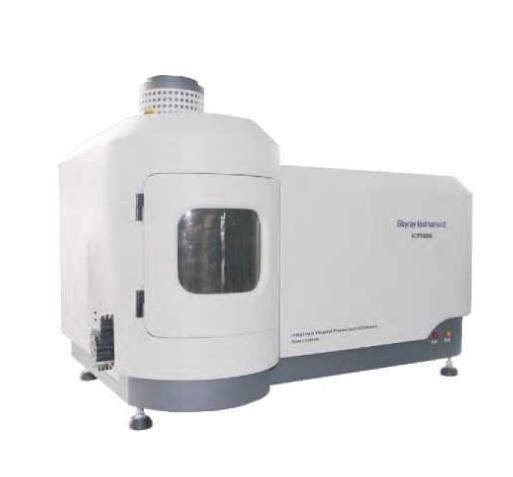
What Can ICP-OES Tell You About Your Water
Water quality is essential for public health, environmental protection, and industrial processes. To ensure the safety and purity of our water sources, accurate and reliable analysis techniques are essential. Inductively Coupled Plasma Optical Emission Spectroscopy (ICP-OES) is a powerful analytical tool that can uncover a wealth of information about the composition of water samples by providing…
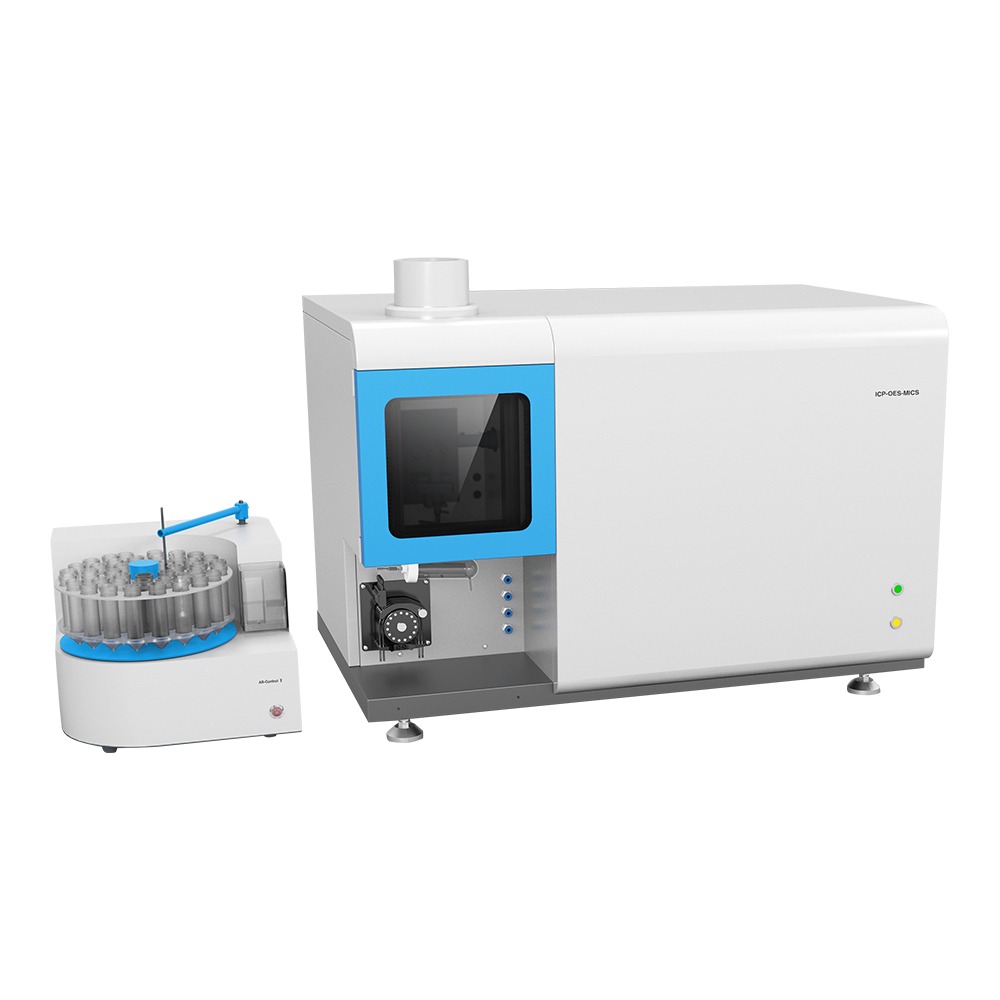
How ICP-OES Coupled with Chromatography is Used for Speciation Analysis
Speciation analysis plays a vital role in understanding the chemical forms of elements in complex samples, as the toxicity, mobility, and bioavailability of elements often depend on their specific species. Inductively Coupled Plasma Optical Emission Spectroscopy (ICP-OES), when coupled with chromatography, has emerged as a powerful tool for speciation analysis, offering precise separation and quantification…
Browse by category:


