


Spectrometers
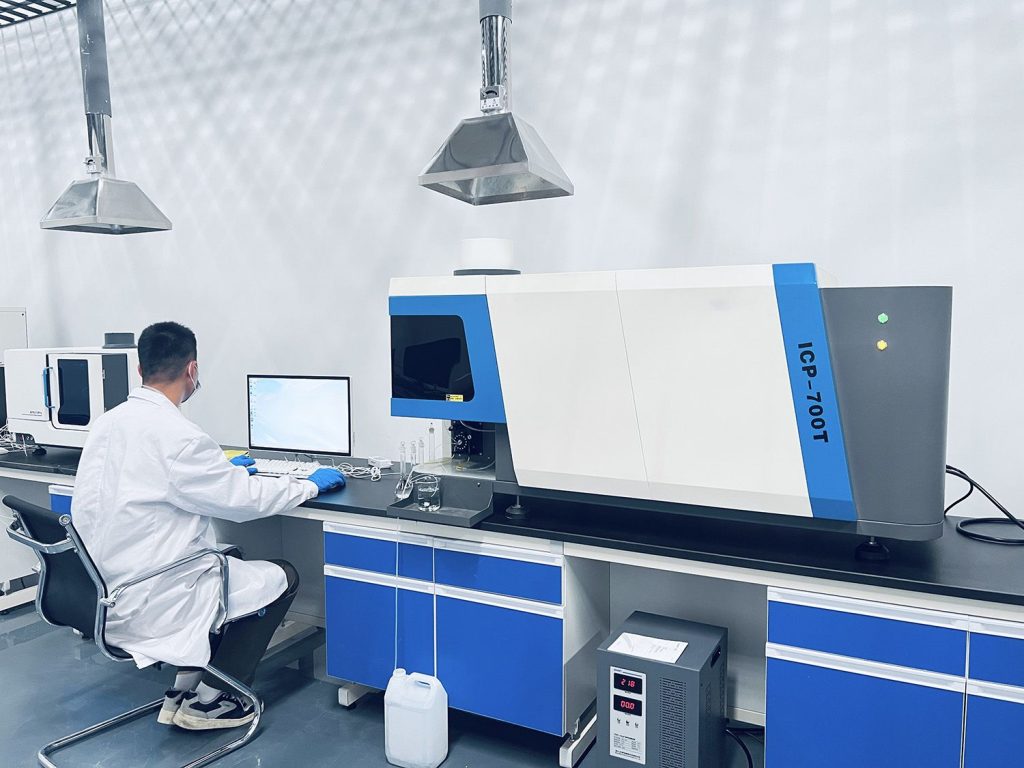
How to Address Interference Challenges in ICP-AES for Complex Matrices
Inductively Coupled Plasma Atomic Emission Spectroscopy (ICP-AES) is a widely used analytical technique for detecting and quantifying elements in a variety of samples. However, when analyzing complex matrices, interference challenges can impact accuracy and precision. Addressing these interferences is critical to obtaining reliable results. This article explores the types of interferences encountered in ICP-AES and practical…
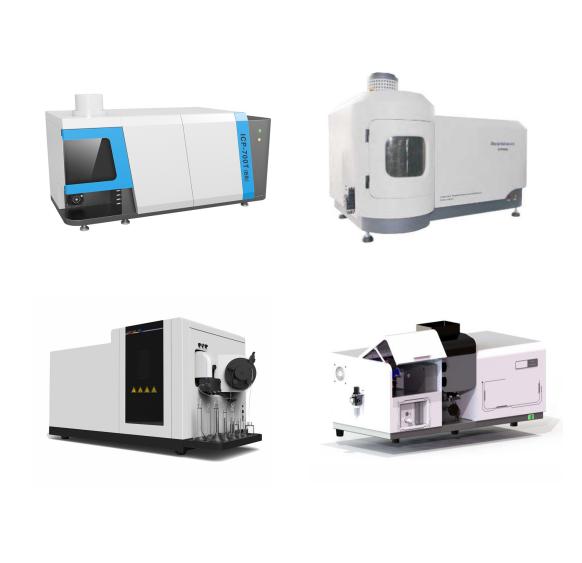
Lab Spectrometer Comparison: When to Choose ICP-AES, ICP-OES, ICP-MS, or AAS
Spectroscopy, the study of the interaction between matter and electromagnetic radiation, is a fundamental technique in analytical chemistry. It enables scientists to identify and quantify elements within a sample, making it invaluable across various industries, from environmental monitoring to pharmaceutical research. Among the numerous techniques available, ICP-AES (Inductively Coupled Plasma Atomic Emission Spectroscopy), ICP-OES (Inductively Coupled…
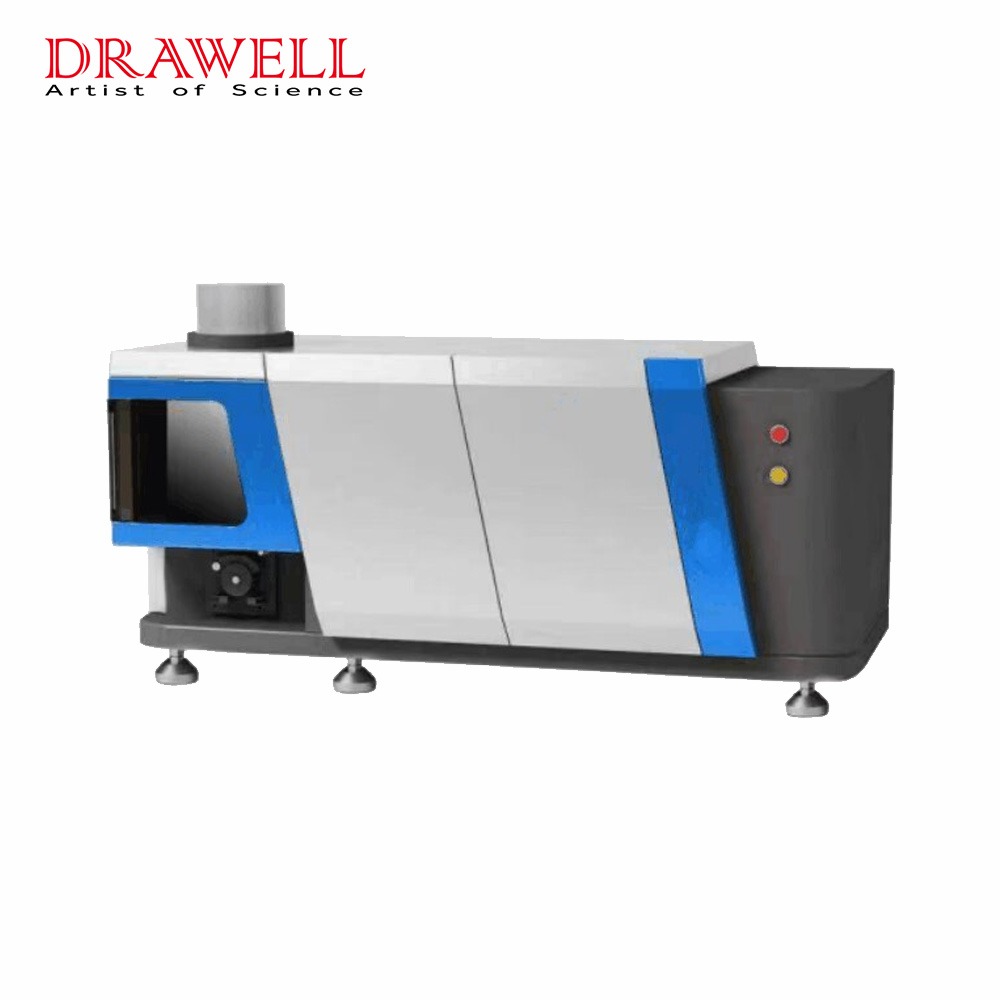
How ICP-AES Benefits the Metallurgical Industry
The metallurgical industry is critical for developing and producing materials that support various industries, including construction, transportation, and electronics. At the heart of this industry lies the need for precise elemental analysis to ensure material quality, performance, and compliance with strict standards. Inductively Coupled Plasma Atomic Emission Spectroscopy (ICP-AES) has emerged as a powerful analytical…
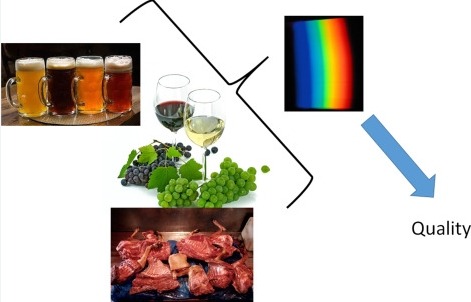
How UV-Vis spectrophotometer Contributes to the Food Inspection
The growing demand for food safety and quality has driven the adoption of advanced analytical techniques to ensure products meet regulatory standards. UV-Vis spectrophotometer adopting ultraviolet (UV) and visible (Vis) light, allows for the precise analysis of a wide range of food components, contaminants, and additives, becoming a essential tool in food inspection. Its applications in food…
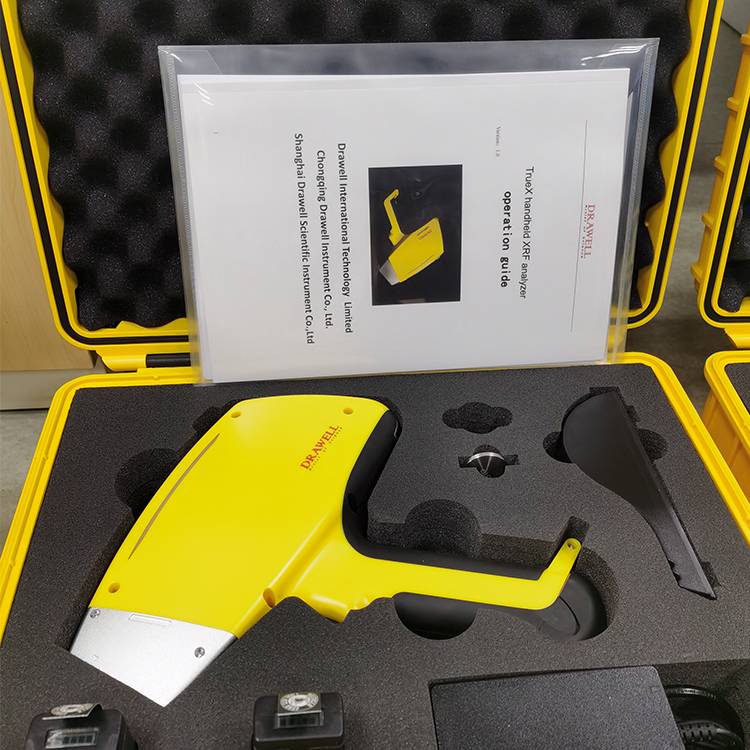
From PIN to SDD: Exploring the XRF Detector Types
X-ray fluorescence (XRF) technology has revolutionized material analysis by enabling rapid, non-destructive elemental analysis across a variety of industries. A critical component of any XRF system is the detector, which captures the X-ray emissions and converts them into data that can be interpreted for elemental composition. The choice of XRF detector directly impacts the accuracy, speed, and…
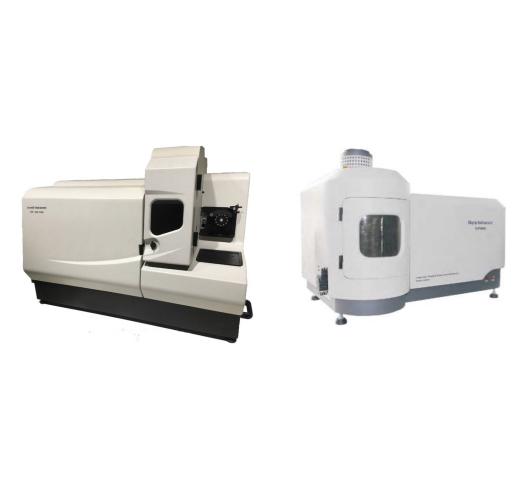
ICP-MS vs. ICP-OES: Comparative Analysis of Detection Sensitivity in Heavy Metals
Inductively Coupled Plasma Mass Spectrometry (ICP-MS) and Inductively Coupled Plasma Optical Emission Spectrometry (ICP-OES) both are two powerful techniques used for the detection and quantification of heavy metals. While ICP-MS and ICP-OES share similar plasma sources, their detection sensitivities differ significantly. Understanding the strengths and limitations of each technique is crucial when selecting the appropriate method for heavy…
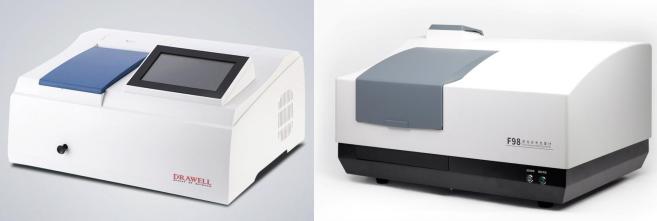
Spectrophotometer vs Fluorometer: How They Differ
Spectrophotometers and fluorometers are two essential analytical instruments used widely in research, diagnostics, and quality control. While both devices analyze light interactions with samples, they do so using distinct principles and are applied in different contexts. Understanding their differences helps laboratories choose the right tool for specific tasks, ensuring accuracy, efficiency, and cost-effectiveness. This article explores the…
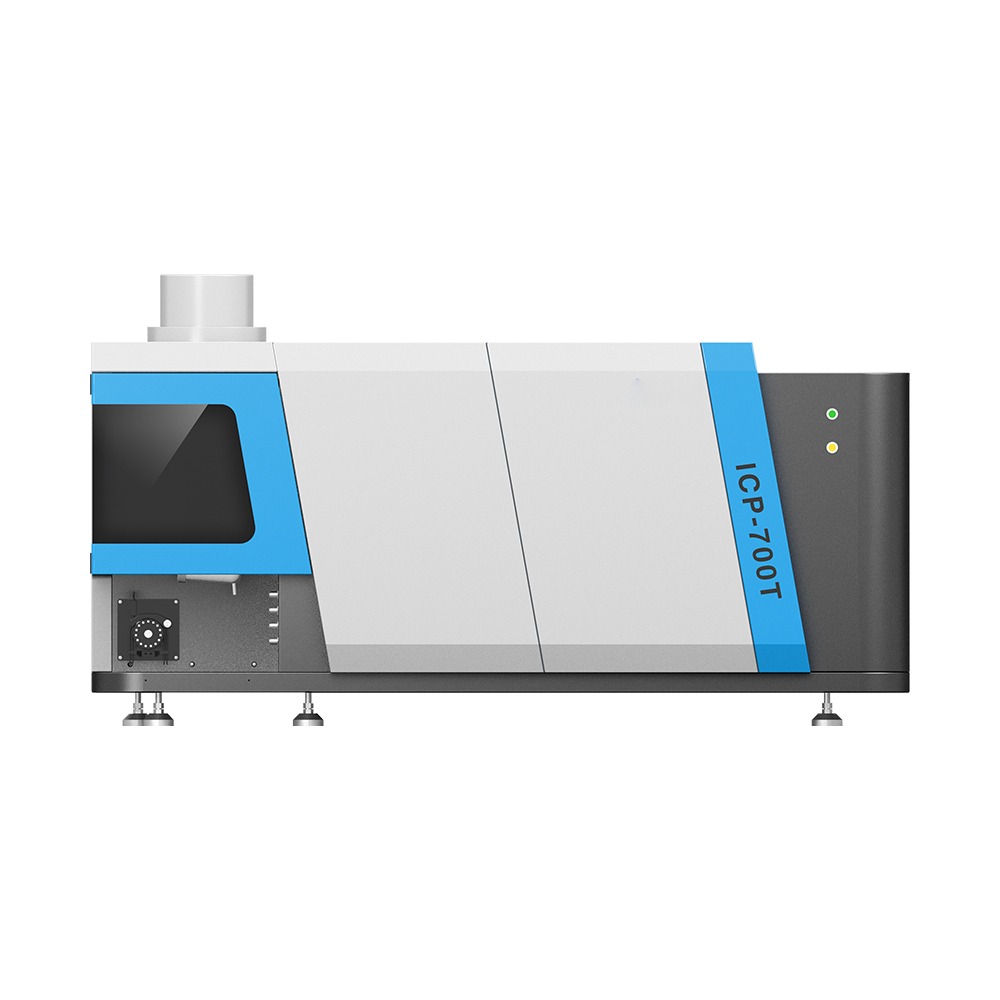
Comparing ICP-AES and OES: How to Choose the Right Technique
Two widely used technologies for elemental analysis are Inductively Coupled Plasma-Atomic Emission Spectroscopy (ICP-AES) and Optical Emission Spectrometers (OES). Both techniques provide robust capabilities for detecting and quantifying elements, but their working principles, applications, and performance characteristics vary. This article presents a comparative analysis of ICP-AES and OES and key factors to select the suitable method, focusing on…
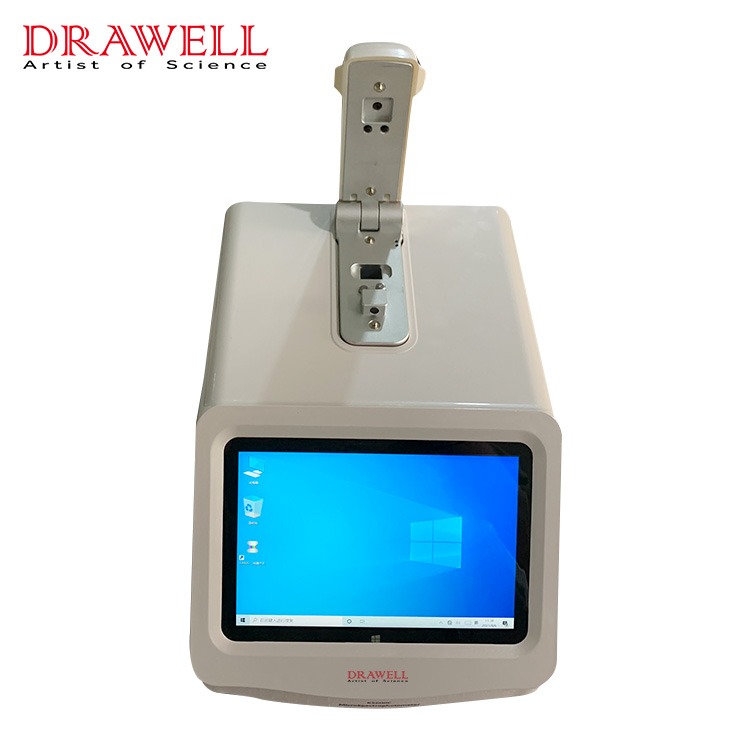
How to Use Microvolume Spectrophotometers for Efficient Biological Sample Analysis
Microvolume spectrophotometers are designed to measure the absorbance of light by biological samples, such as DNA, RNA, and proteins, using as little as 1-2 microliters. Efficient biological sample analysis with microvolume spectrophotometers involves understanding the technology, following proper techniques, and applying the results for accurate and reproducible data. Understanding the Basics of Microvolume Spectrophotometry Microvolume spectrophotometers work…
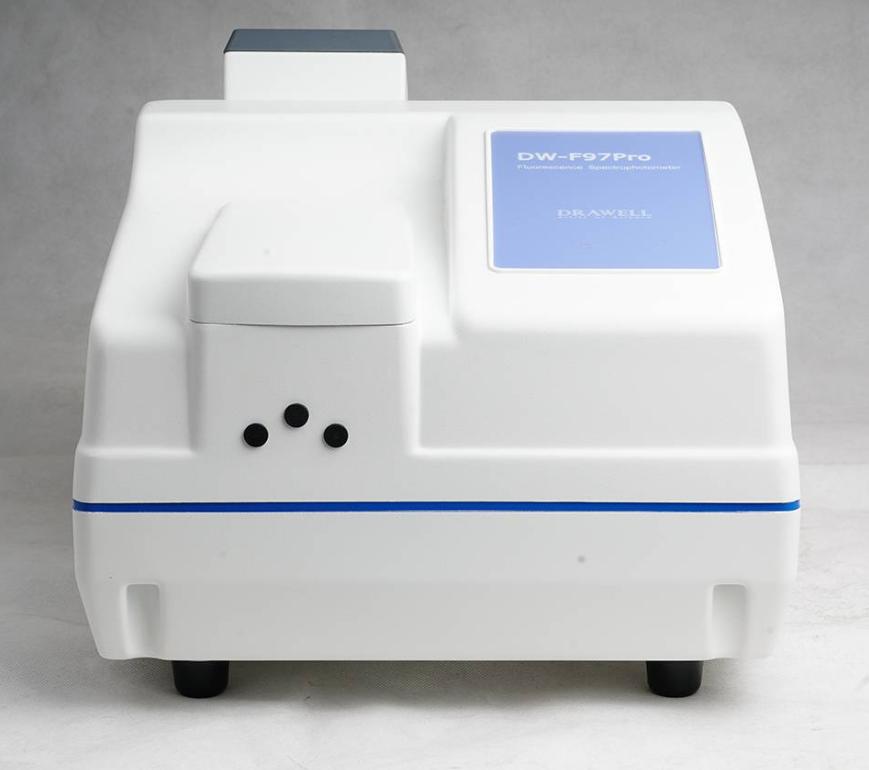
How to Reduce Fluorescence Measurement Errors
Fluorescence is the emission of light by a substance after it absorbs light. Fluorescence measurement is a widely used technique in many scientific fields, from biomedical research to environmental monitoring. Its ability to detect and quantify low concentrations of fluorescent molecules makes it highly sensitive and valuable. However, like any analytical technique, fluorescence measurements are susceptible…
Browse by category:


