


Spectrometers
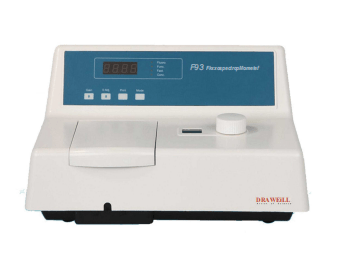
Comparative Analysis of Fluorescence Spectrophotometers and UV-vis Spectrophotometers
In the world of spectroscopy, both fluorescence spectrophotometers and UV-vis spectrophotometers are widely used for analyzing substances, but they work based on different principles and are suited for different types of analysis. Understanding the distinctions between the two types of spectroscopy instruments is crucial for selecting the right one for specific applications. Key Differences and Similarities between…
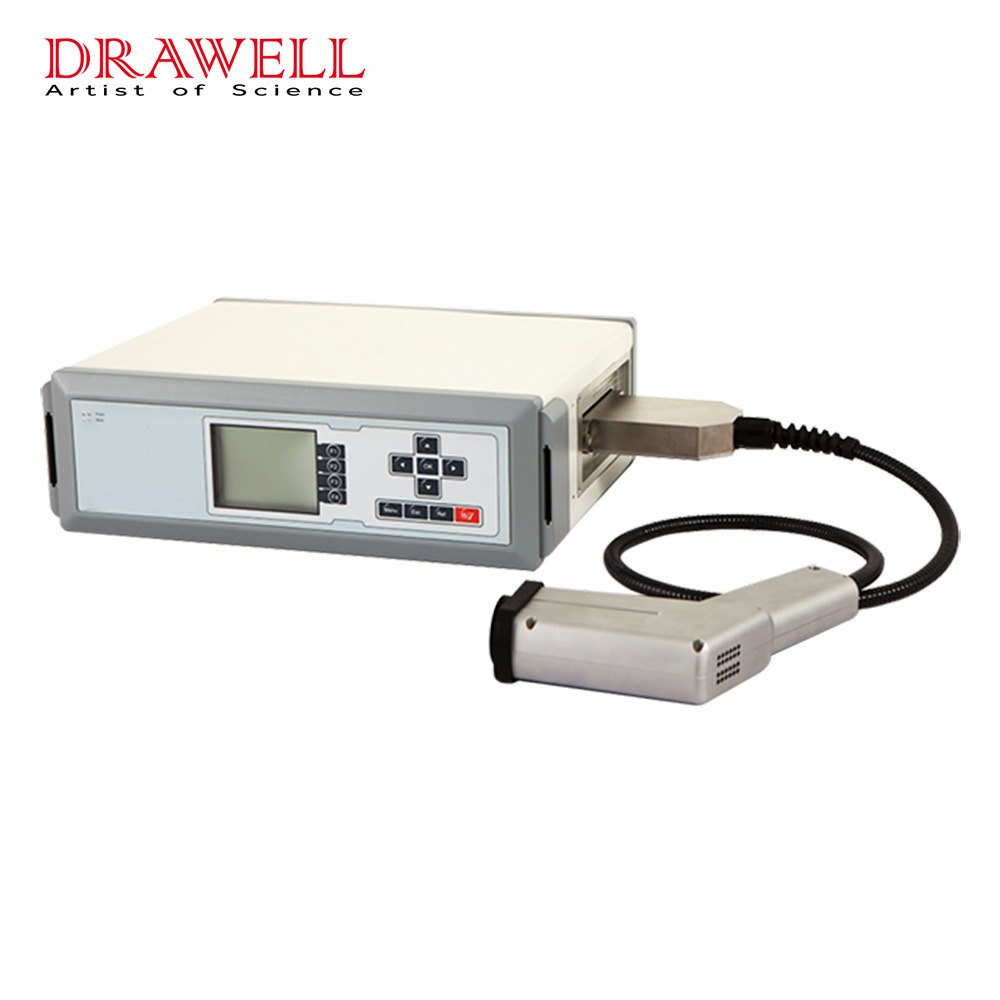
Why Miniaturized Near-Infrared Spectrometersare Widely Applied in Compact Forms
Miniaturized Near-Infrared spectrometers represent a significant leap in analytical technology, offering powerful performance in a compact size. These devices operate in the near-infrared region (typically 800–2500nm), enabling them to detect molecular vibrations and provide detailed information about the chemical composition of various materials. Their portability and reduced size make them ideal for real-time, on-site applications across…
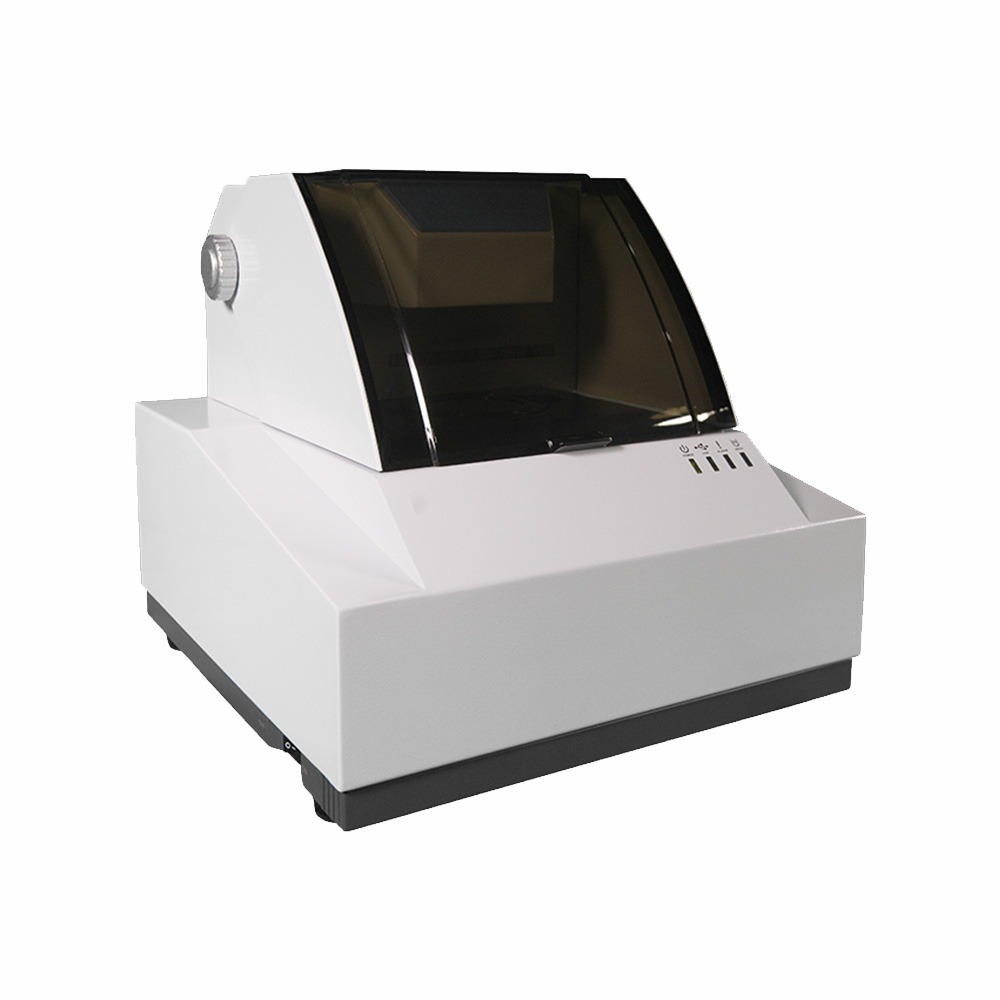
Use of Real-time NIR Spectrometers for Inline Quality Control
In modern industrial environments, ensuring consistent product quality is vital. The real-time Near-Infrared (NIR) spectrometer for inline quality control has emerged as a crucial technology to achieve this goal. Through providing real-time, non-invasive measurements during production processes, NIR spectrometers allow manufacturers to monitor and adjust product quality continuously, improving efficiency and reducing waste. What is NIR Spectroscopy…
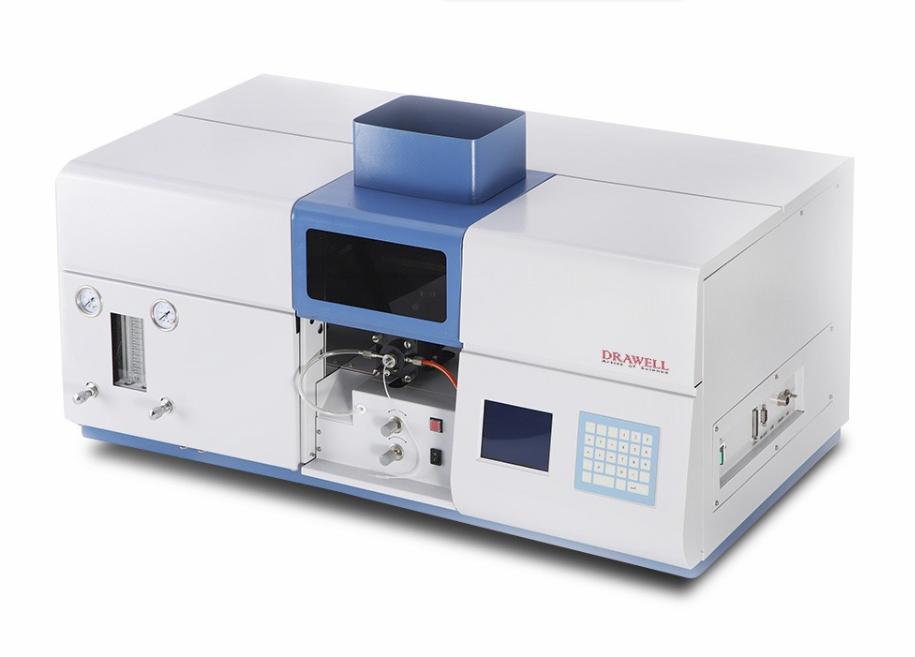
What are the Alternative Light Sources for AAS to Improve Performance?
The accuracy and sensitivity of Atomic Absorption Spectroscopy (AAS) depend significantly on the light source used, which excites the atoms in the sample to absorb light at specific wavelengths. Traditionally, AAS systems have relied on hollow cathode lamps (HCLs) as the primary light source. However, advancements in technology and the need for better performance have led…
Integrating AAS with Other AnalyticalTechniques for Multi-parameter Analysis
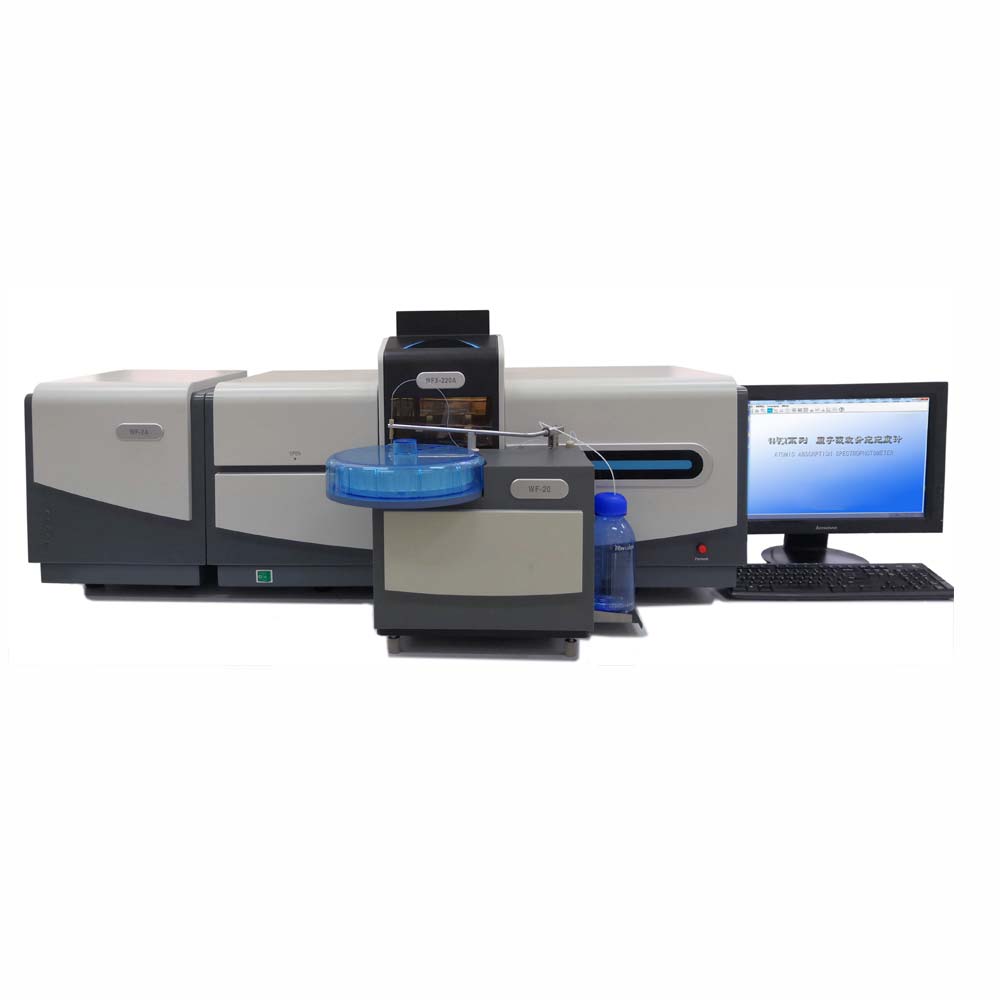
AAS, which is the abbreviation of Atomic Absorption Spectroscopy, is a powerful analytical technique widely used for detecting and quantifying metals and other elements in various samples. While AAS is highly effective in determining the concentration of specific elements, integrating it with other analytical techniques can enhance its capabilities, allowing for multi-parameter analysis and more comprehensive…
How to Reduce Interferences in FAAS Measurements?
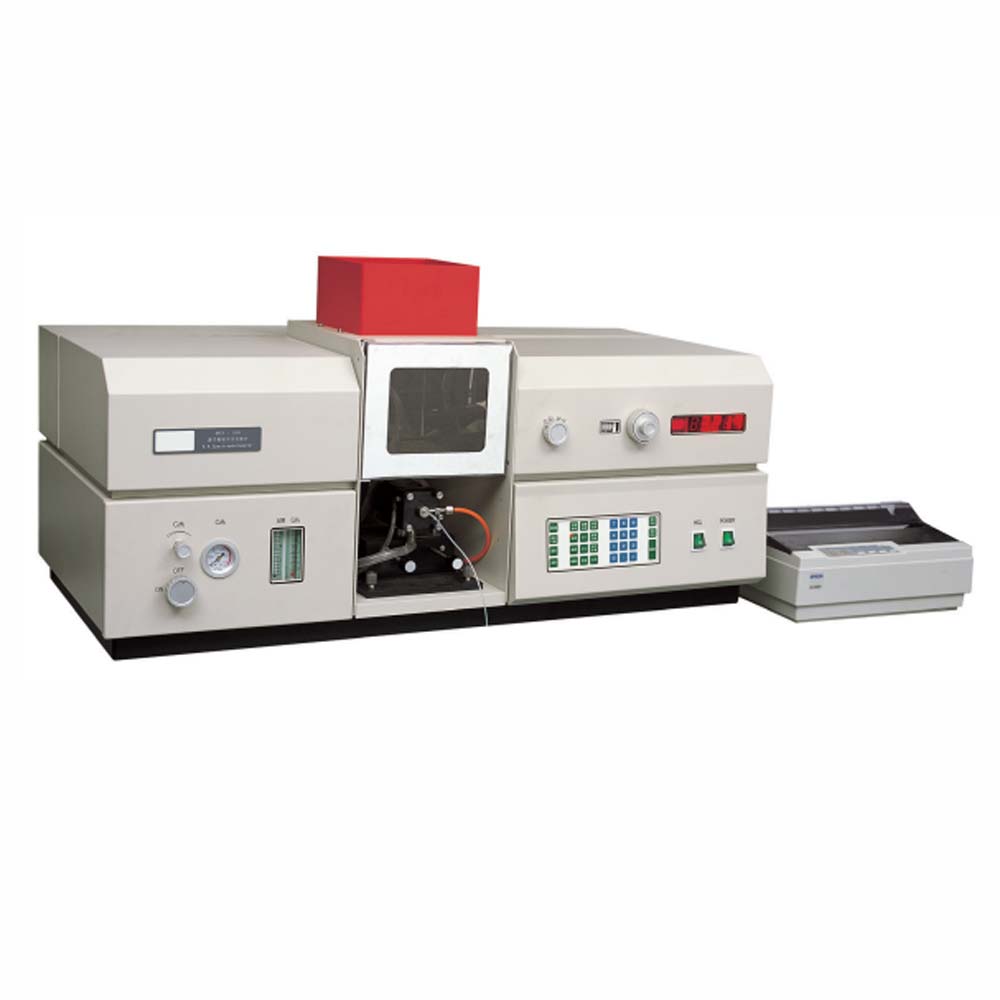
FAAS, which is the abbreviation of Flame Atomic Absorption Spectrophotometry, is subject to interferences that can compromise the reliability of the results. Interferences in FAAS can be broadly categorized into spectral, chemical, and matrix interferences. Implementing effective strategies to reduce these interferences is crucial for achieving accurate and reliable measurements. What is FAAS Measurement Flame Atomic Absorption Spectroscopy is…
How AAS Spectrophotometer is Being Integrated into Automated Laboratory Workflows
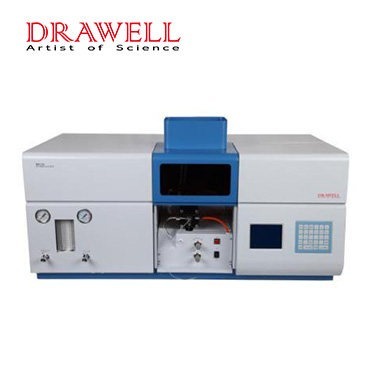
The integration of Atomic Absorption Spectrophotometry (AAS) into automated laboratory workflows has revolutionized high-throughput analysis, offering enhanced precision, efficiency, and consistency in various scientific and industrial applications. As laboratories increasingly adopt automation to handle growing sample volumes and demand for rapid results, the role of AAS spectrophotometers has evolved to meet these challenges. The Basics of AAS…
Choosing the Right Metal Alloy Analyzer for Your Needs
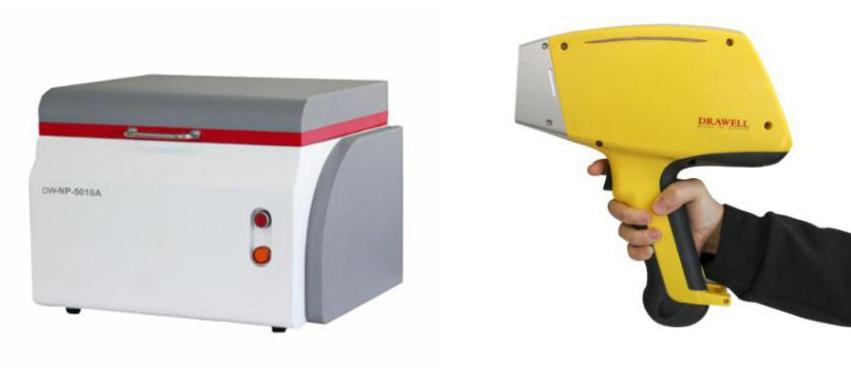
Selecting the right metal alloy analyzer is crucial for industries that rely on precise material identification and composition analysis. Whether in manufacturing, aerospace, construction, or recycling, the right analyzer ensures quality control, regulatory compliance, and optimal performance of metal components. This article delves into the essential factors to consider when choosing a metal alloy analyzer, exploring…
The Application of Atomic Absorption Spectrophotometer in Pharmaceutical Analysis
Accurate and precise Pharmaceutical analysis methods are essential for detecting impurities, quantifying active ingredients, and ensuring compliance with regulatory standards. Among the various analytical techniques, the Atomic Absorption Spectrophotometer (AAS) stands out for its sensitivity and specificity in detecting and quantifying metal elements in pharmaceutical samples. Principles of AAS Atomic Absorption Spectrophotometer (AAS) operates on the principle…
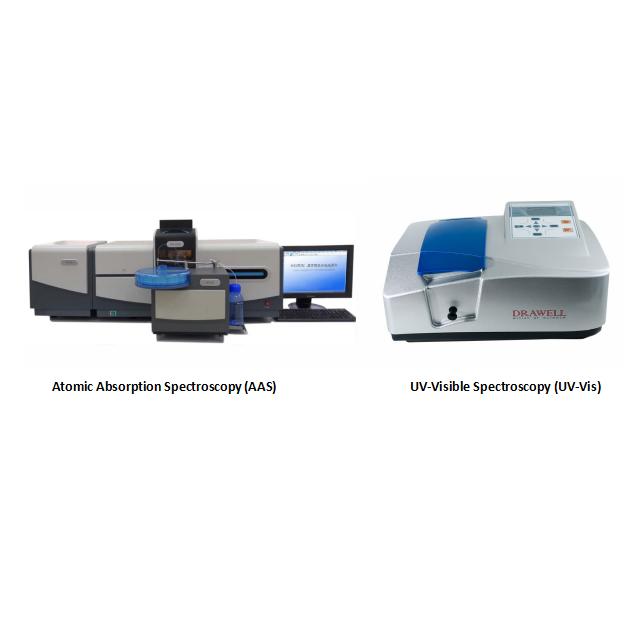
AAS vs. UV-Vis: Which Technique is Right for Your Sample
In the realm of analytical chemistry, selecting the right spectroscopic technique is paramount for obtaining accurate and reliable data. Atomic Absorption Spectroscopy (AAS) and UV-Visible Spectroscopy (UV-Vis) are two widely used methods, each with distinct advantages and limitations. This article aims to provide a comprehensive comparison of AAS and UV-Vis to help determine which technique is most…
Browse by category:


