


Choosing the right water testing spectrophotometer is not just about selecting a UV-Vis instrument—it is about matching the instrument configuration to the actual water quality application. From drinking water laboratories to pond monitoring and wastewater treatment plants, different water types place very different demands on a UV-Vis spectrophotometer.
As one of the experienced UV-Vis spectrophotometer manufacturers, Drawell works closely with laboratories, environmental agencies, and industrial users worldwide. Based on real application requirements, this article explains how to configure suitable UV-Vis spectrophotometers for drinking water, pond water, and wastewater, helping users make practical and cost-effective decisions.
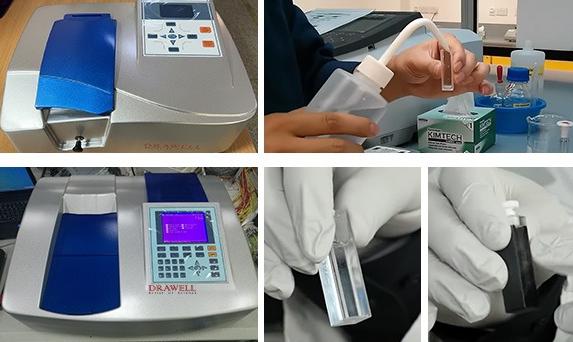
Key Factors That Influence UV-Vis Spectrophotometer Selection
Before discussing specific water types, it is important to understand the key factors that influence UV-Vis spectrophotometer configuration across all water testing applications.
Different water samples vary significantly in clarity, chemical composition, and regulatory requirements. These differences directly affect instrument performance needs, such as wavelength accuracy, optical stability, and resistance to interference.
Key selection factors include:
- Target parameters (e.g. nitrate, ammonia, COD, phosphate)
- Sample complexity and turbidity
- Detection limits and repeatability requirements
- Laboratory-based or field testing
- Daily sample throughput
By clarifying these points early, users can avoid over-configuring equipment or choosing instruments that struggle with real-world samples.

UV-VIS Spectrophotometer Configuration for Drinking Water Testing
High accuracy and compliance-focused analysis
Drinking water testing places strong emphasis on accuracy, stability, and regulatory compliance. Typical parameters include nitrate, nitrite, residual chlorine, iron, manganese, and other trace components that often exist at low concentrations.
Because drinking water is usually clear and has low turbidity, optical interference is minimal. However, this also means that baseline stability and wavelength precision become critical, as even small deviations can affect results.
Recommended configuration for drinking water:
- Benchtop UV-Vis spectrophotometer
- High wavelength accuracy and good repeatability
- Stable light source for long-term routine testing
- Compatibility with standard drinking water methods
From a supplier perspective, single-beam or split-beam UV-Vis instruments are commonly sufficient for municipal laboratories and waterworks.
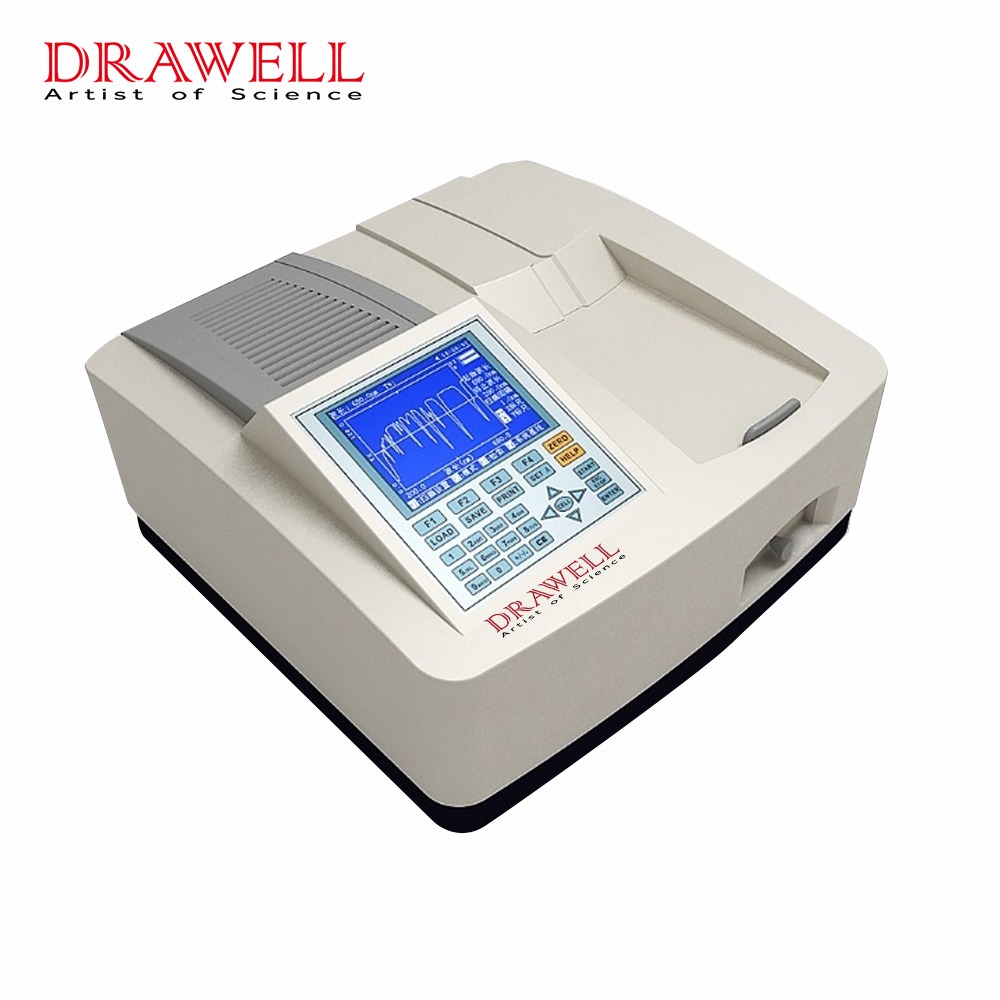
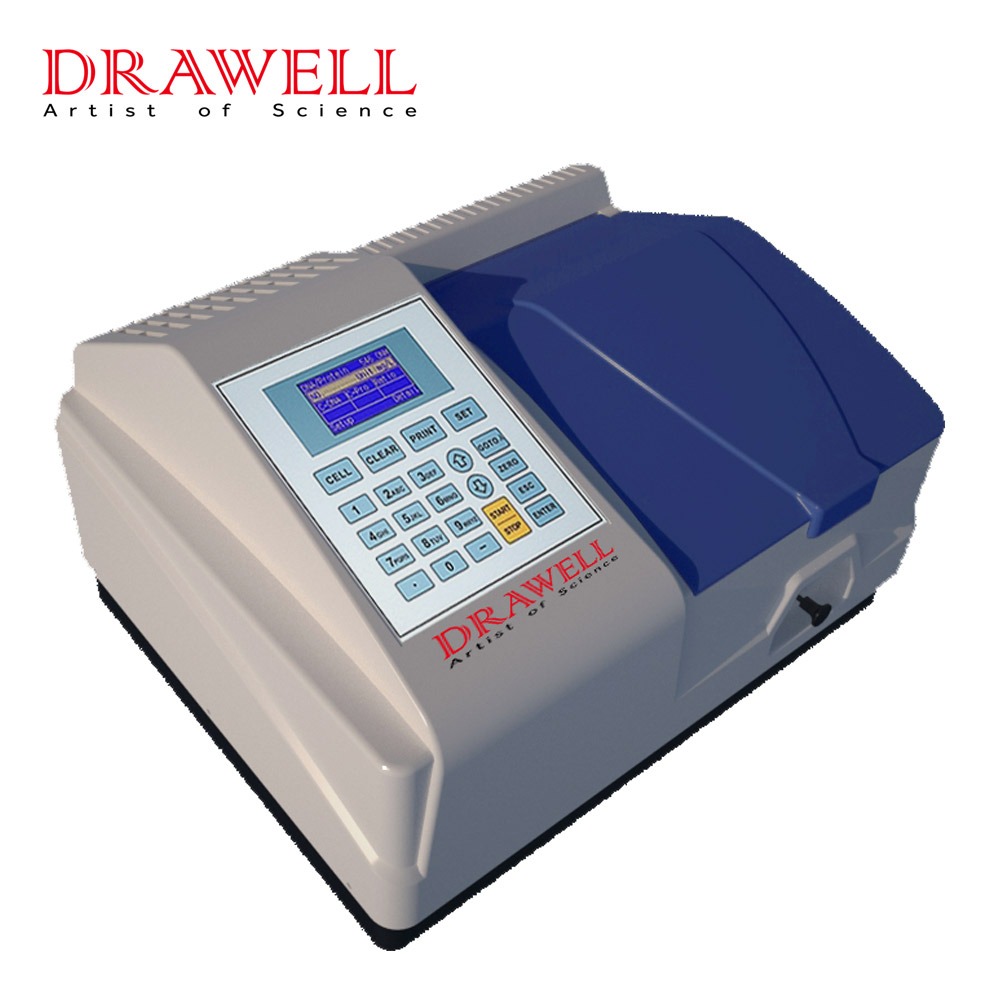
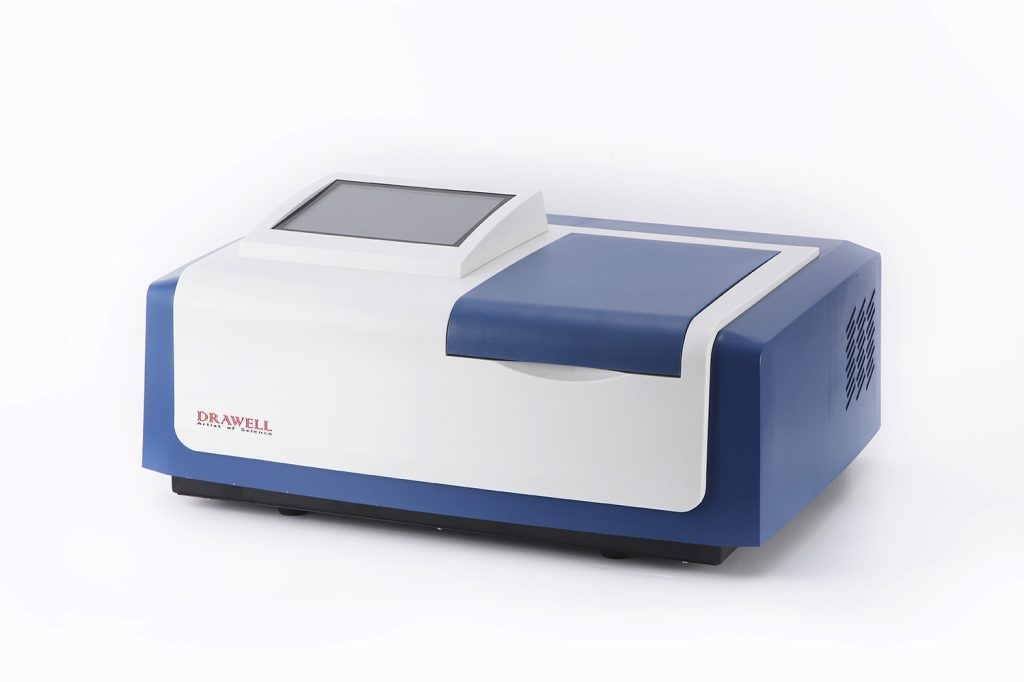
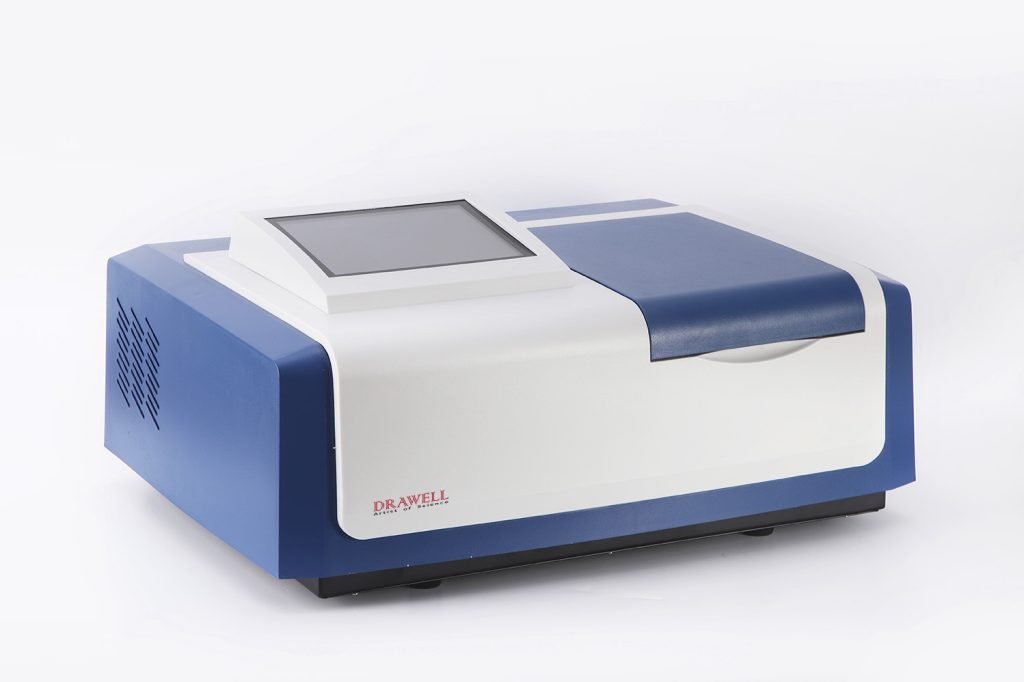
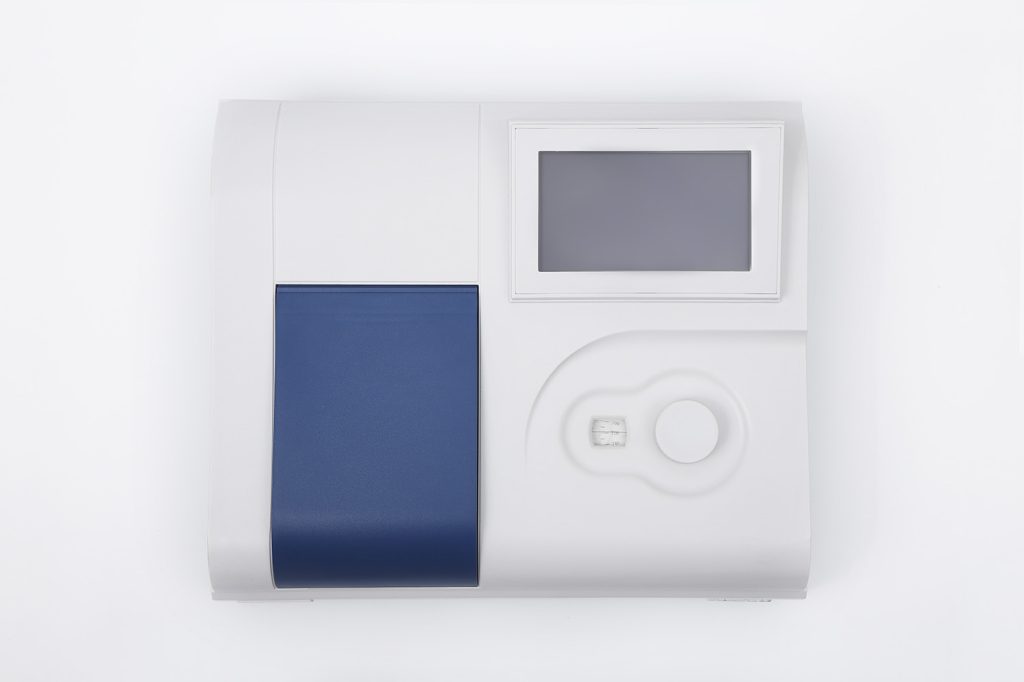
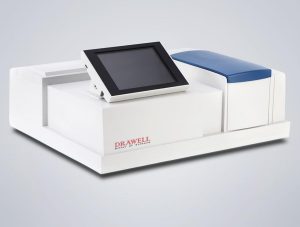
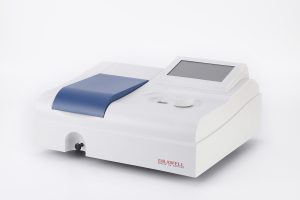
Suitable Drawell models include:

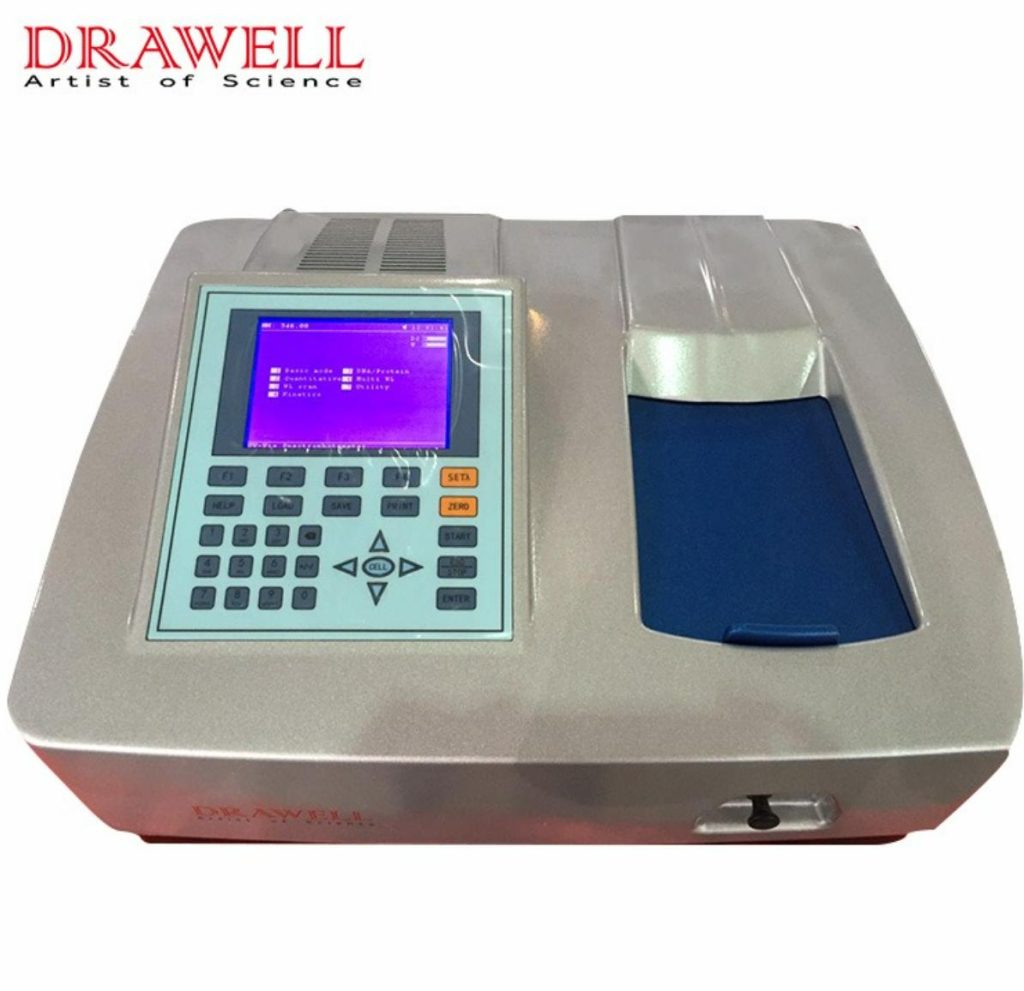
These models offer reliable performance for routine drinking water analysis without unnecessary system complexity.
In summary, drinking water testing benefits most from stable, easy-to-operate UV-Vis spectrophotometers that deliver consistent results and support standardized methods.
UV-VIS Spectrophotometer Configuration for Pond and Surface Water
Balancing flexibility and resistance to interference
Pond water and surface water testing often involves environmental monitoring, aquaculture, and agricultural applications. Compared with drinking water, these samples usually contain higher levels of suspended solids, organic matter, and color interference.
Common test items include nutrients such as nitrate and phosphate, as well as indicators related to algae growth and organic pollution.
Key challenges in pond water testing:
- Variable turbidity and background color
- Less controlled sampling conditions
- Frequent need for on-site or near-site testing
Recommended configuration:
- Compact benchtop or portable UV-Vis spectrophotometer
- Good stray light control to reduce interference
- Simple operation for non-laboratory environments
- Optional battery operation for field use
While laboratory UV-Vis instruments are still widely used, portable UV-Vis spectrometers can be valuable when fast, on-site decisions are required.
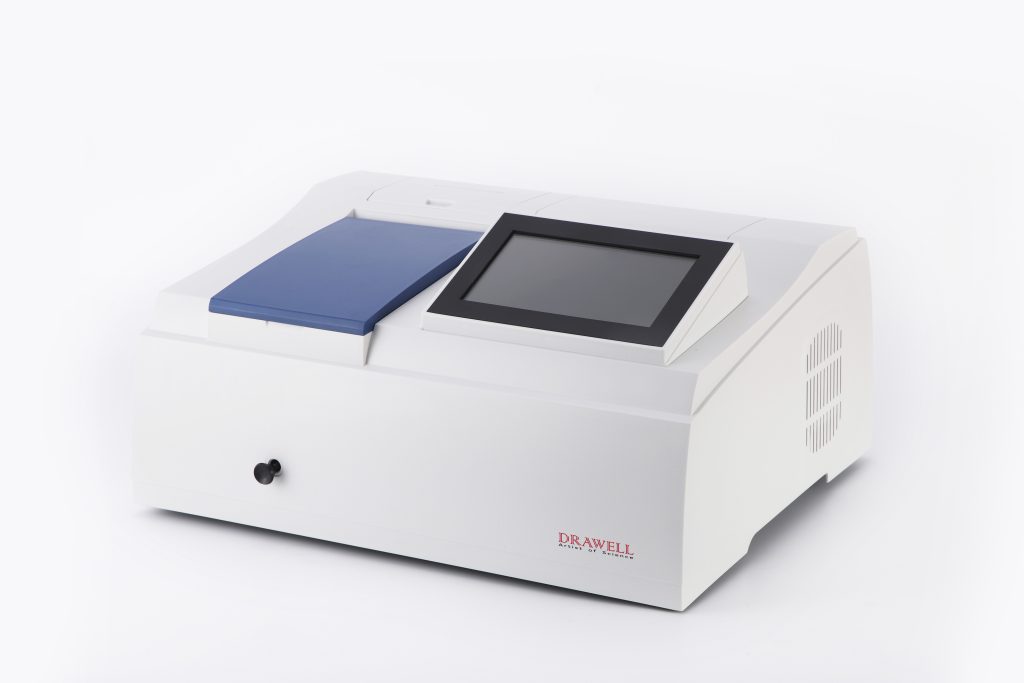
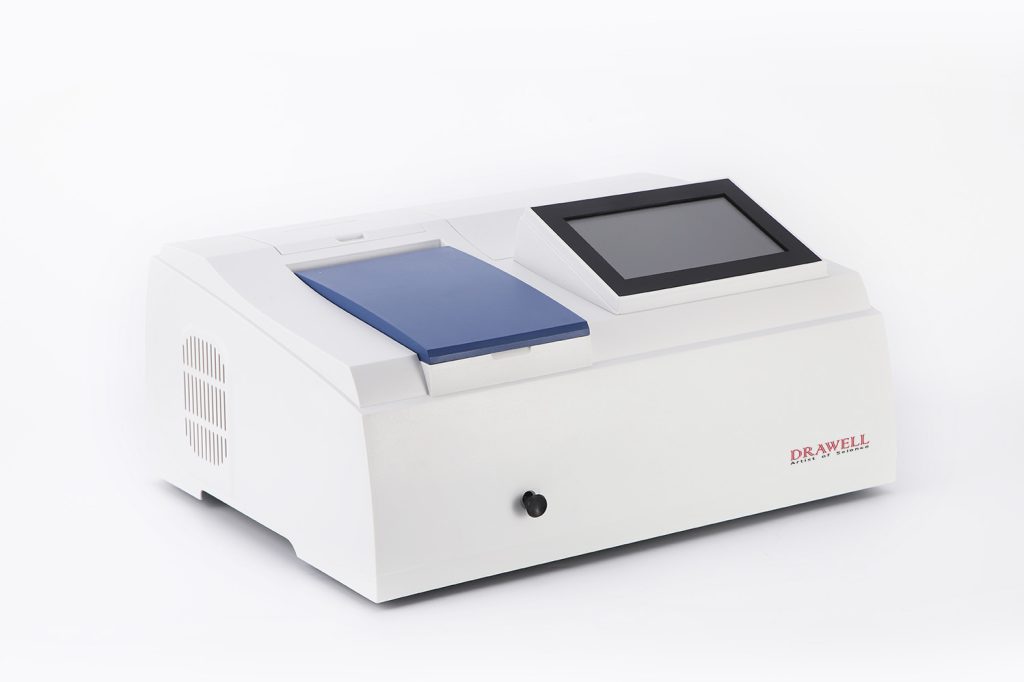
Applicable Drawell options include:

From a supplier standpoint, the goal here is flexibility—providing instruments that handle changing sample conditions without adding unnecessary operational complexity.
UV-VIS Spectrophotometer Configuration for Wastewater Analysis
Robust systems for complex and high-load samples
Wastewater testing represents the most demanding application for UV-Vis spectrophotometry. Samples often contain high turbidity, strong coloration, and complex chemical matrices, especially in industrial and municipal wastewater treatment plants.
Typical parameters include COD, ammonia, total nitrogen, and total phosphorus, many of which require digestion or pretreatment before measurement.
Recommended configuration for wastewater:
- High-performance benchtop UV-Vis spectrophotometer
- Wide wavelength range and strong optical stability
- Enhanced resistance to stray light
- Compatibility with COD digestion systems
- Optional autosamplers or advanced data processing
For these applications, split-beam or double-beam designs are often preferred due to their improved baseline stability and accuracy under challenging conditions.
Recommended Drawell models:
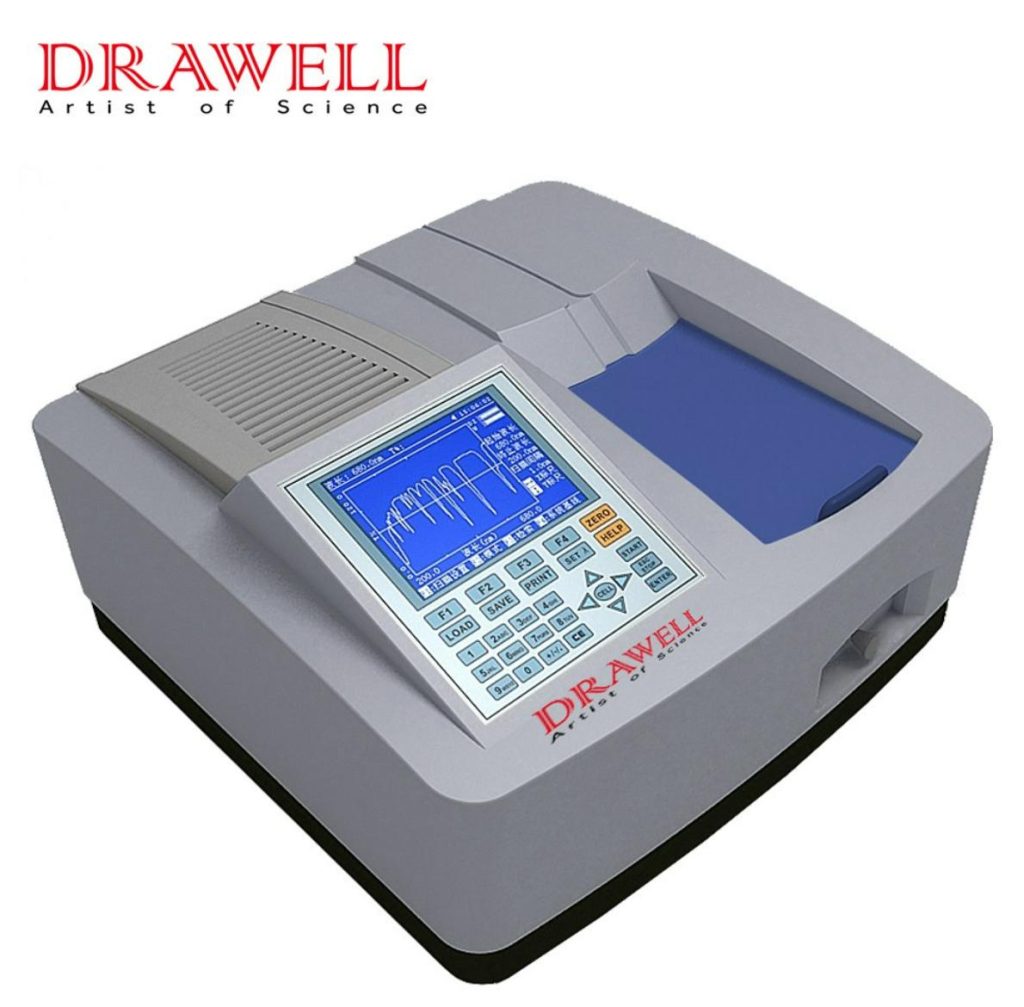

These systems are designed for laboratories that require reliable performance during continuous, high-volume wastewater testing.
In short, wastewater analysis requires UV-Vis spectrophotometers that prioritize durability, consistency, and method flexibility.
Recommended UV-VIS Configurations by Water Type
| Water Type | Typical Parameters | Sample Complexity | Recommended UV-Vis Configuration |
| Drinking Water | Nitrate, Chlorine, Metals | Low | Benchtop single-beam or split-beam UV-Vis |
| Pond / Surface Water | Nutrients, Organics | Medium | Compact benchtop or portable UV-Vis |
| Wastewater | COD, TN, TP, Ammonia | High | Split-beam or double-beam UV-Vis |
This comparison highlights how matching instrument configuration to water type improves both analytical reliability and overall efficiency.
Choosing the Right UV-Vis Spectrophotometer with Confidence
Different water testing applications require different UV-Vis spectrophotometer configurations. Drinking water focuses on accuracy and compliance, pond water emphasizes flexibility, and wastewater demands robustness and stability.
As a professional supplier, Drawell provides a full range of water testing spectrophotometers designed to meet these diverse needs. By understanding your specific application, it becomes much easier to choose a UV-Vis system that delivers reliable results without unnecessary complexity.
If you are unsure which configuration best suits your water testing project, Drawell’s technical team is always available to provide application-based recommendations and support. Feel free to contact now.
Learn more about Drawell’s full range of UV-Vis spectrophotometers here:
https://www.drawellanalytical.com/spectrophotometer/uv-vis-spectrophotometer/
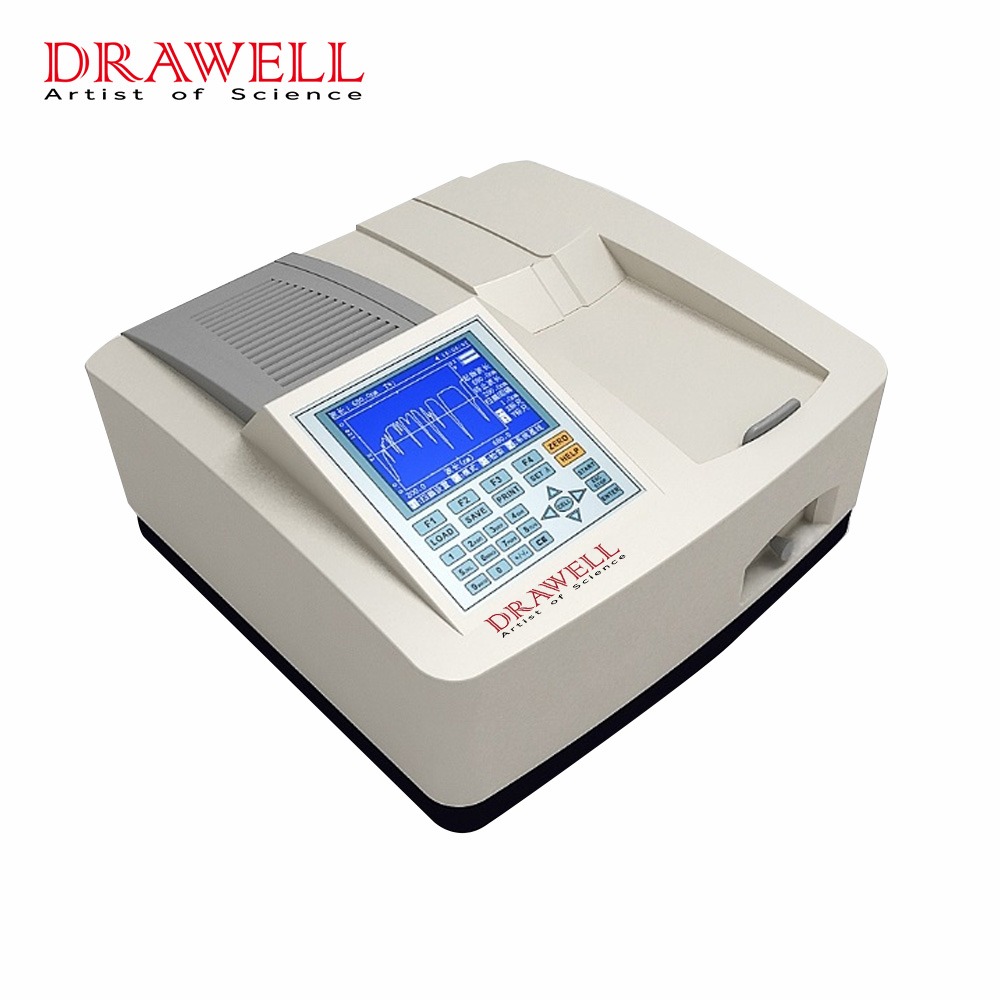
Related Products Recommendation
Get Quote Here!
Latest Posts

What Next?
For more information, or to arrange an equipment demonstration, please visit our dedicated Product Homepage or contact one of our Product Managers.


