


Ultraviolet-visible (UV-VIS) spectroscopy is invaluable in chemical analysis, biology, environmental science, and materials studies owing to its rapid, destruction-free, and highly sensitive detection capabilities. However, sole use of UV-VIS is limited when it comes to selectivity, molecular recognition, and structural elucidation. Consequently, it is common practice to couple UV-VIS spectroscopy and other complementary analytical techniques. The coupling not only improves the reliability, sensitivity, and resolution of the acquired data, but also increases the range of use and versatility of the analytical techniques applied.
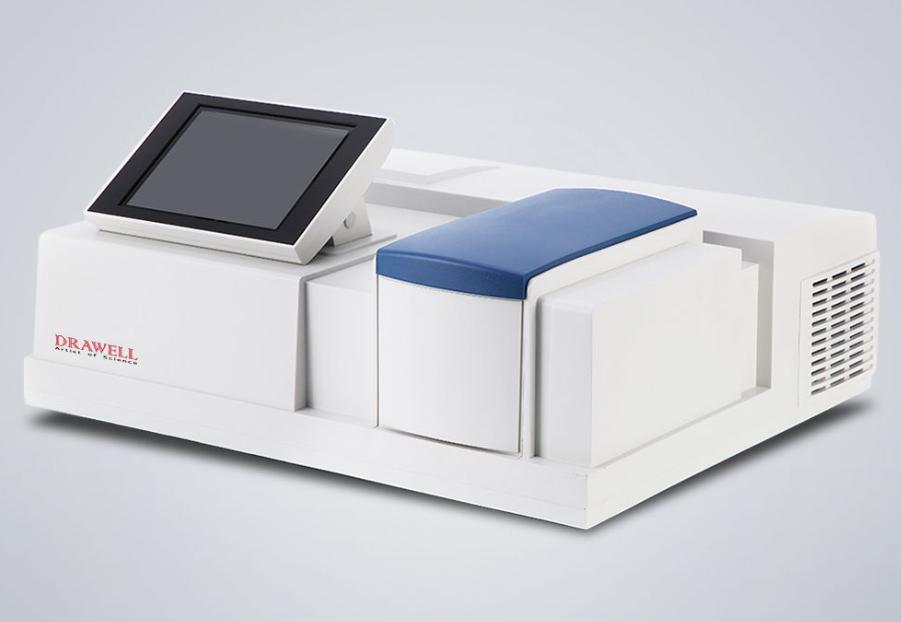
Why Couple UV-VIS with Other Techniques
Enhancing Selectivity and Sensitivity
For one part, Selectivity and sensitvity is often improved when UV-VIS is coupled to other methods. While UV-VIS correlates to the absorbance of analytes, it does not always identify different components of a given mixture. When coupled to a chromatographic method like high-performance liquid chromatography (HPLC), UV-VIS can subsequently detect the analytes after they have been separated. The more sophisticated the sample – the more valuable this technique becomes, whether with pharmaceuticals, food, or even environmental contaminants.
Gaining Structural and Molecular Insights
Exclusively, UV-VIS spectroscopy provides information about energetic transitions, not structural. This is UV-VIS spectroscopy coupled with mass spectrometry that resolves this issue, as it provides the absorbance data and molecular weight of the sample, along with its fragmentation patterns. Again, the additional mass of information which UV-VIS spectroscopy coupled with vibrational techniques like infrared (IR) or Raman spectroscopy is valuable, as it integrates the electronic and vibrational details to, more fully, elucidate the molecular structure. Primarily, in the fields of materials science and nanotechnology with their strong demand for electronic and structural data, these couplings are of particular interest.
Monitoring Dynamic Processes in Real Time
Another important advantage of coupling UV-VIS with other techniques is the ability to spectroscopically define dynamic systems in real time. Spectroelectrochemistry UV-VIS with electrochemical methods allows seeing the electronic states of molecules during redox processes. This is important for the study of catalytic reactions or for probes into corrosion and energy storage materials. Fluorescence UV-VIS spectroscopy enables simultaneous studies of absorption and emission of biomolecules, enhancement of enzyme kinetics, and probe interaction studies.
Expanding the Application Range
Innovation in the field of UV-VIS spectrophotometry is the use of UV-VIS with other techniques. This is of great advantage in the pharmaceutical industry quality control whereby UV-VIS with HPLC ensures high standard compliance. Environmental monitoring uses UV-VIS with mass spectrometry for rapid detection of pollutants and simultaneous identification of the mass of the analytes of interest. Advanced materials research uses hybrid systems UV-VIS with other UV-VIS spectroscopic techniques for systematic characterization to polymers, coatings, and nanomaterials. This leads to increased efficiency and versatile use of analytical techniques in various and research across multiple domains.
Common Couplings of UV-VIS with Other Techniques
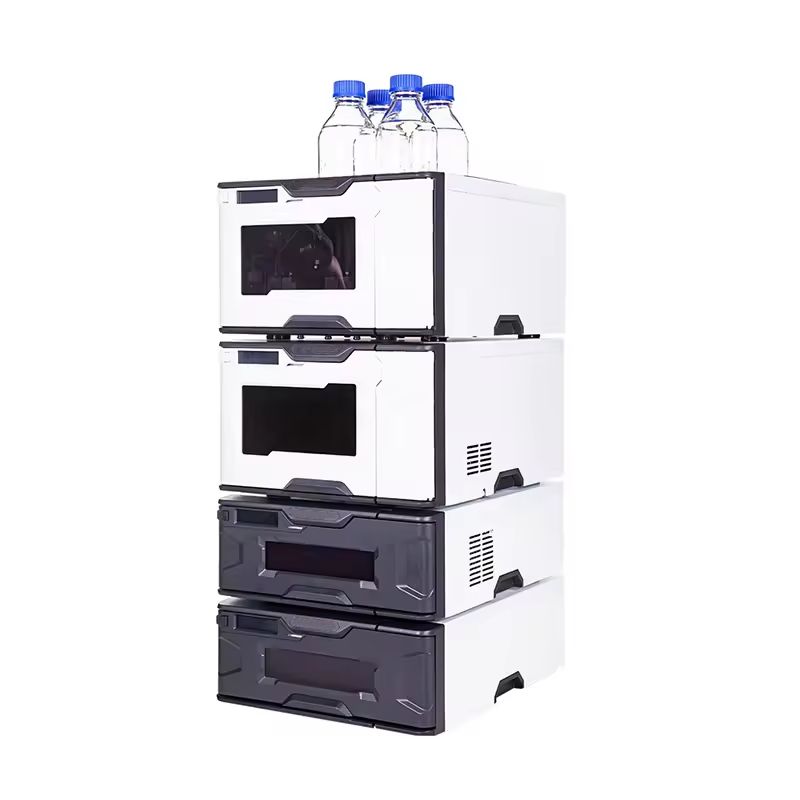
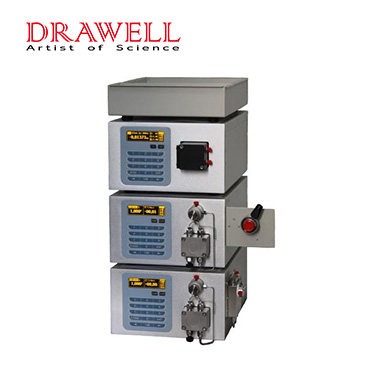
1. UV-VIS with Chromatography(HPLC-UV and UPLC-UV)
UV-VIS with high-performance liquid chromatography (HPLC) and Ultra-Performance Liquid Chromatography (UPLC) is combination of UV-VIS with one of the most common and efficient methods of chromatographic separation. In such instances, UV-VIS serves as a detector, while chromatography separates the components of a mixture. This combination facilitates the quantification and identification of compounds, even in complex matrices such as pharmaceuticals, environmental samples, and food products. The technique is reproducible and sensitive, an excellent asset to quality control and research labs.
2. UV-VIS with Mass Spectrometry(LC-UV-MS)
In combination with a mass spectrometer (MS), the spectrophotometer enables the researcher to detect compounds almost instantaneously via absorbance measurement while obtaining additional, more complex information regarding the molecular weight and structure of the analytes. Such combination is of tremendous significance in proteomics, metabolomics, and drug development. Real-time monitoring is provided by the UV-VIS, and the mass spectrum adds clear and reliable identification, forming a strong analytical approach to complex mixtures.
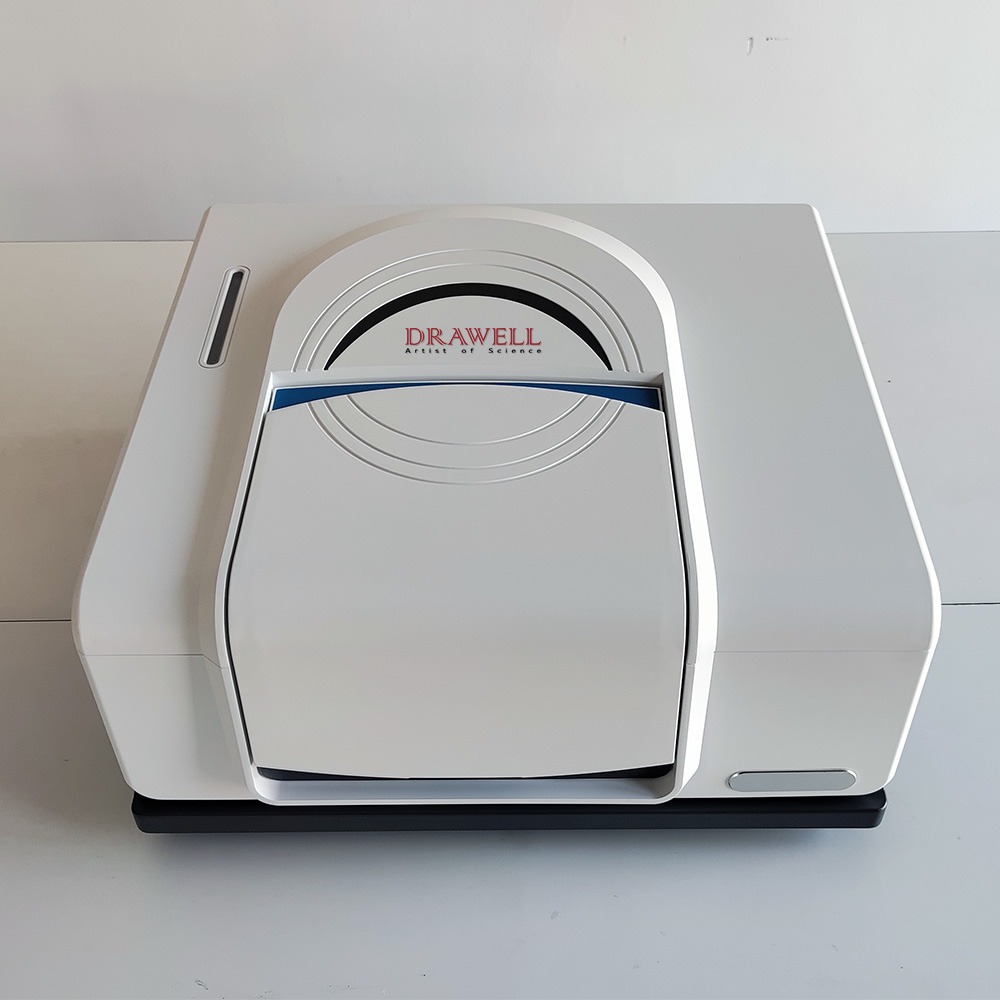

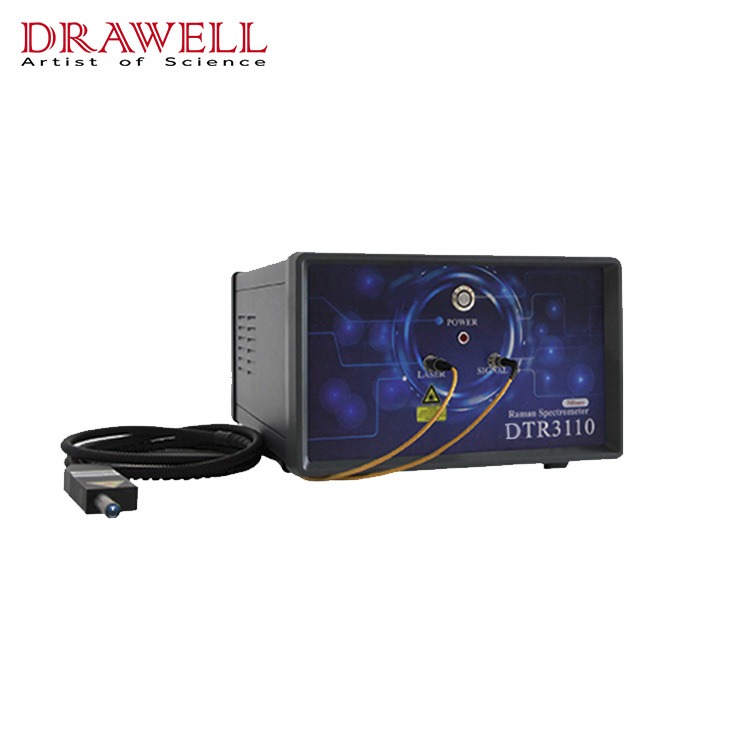
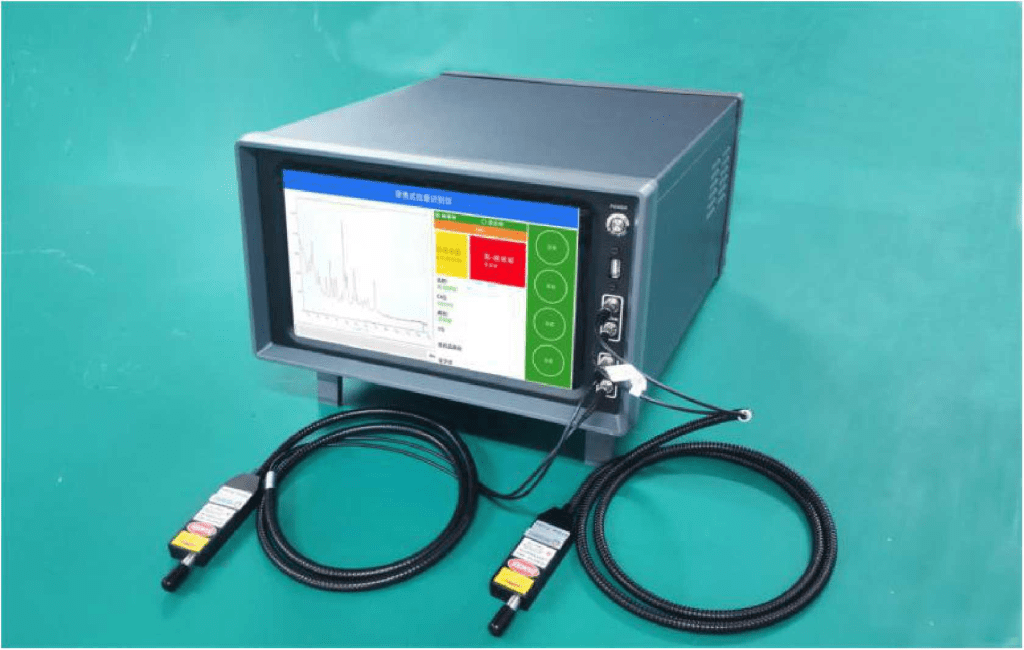
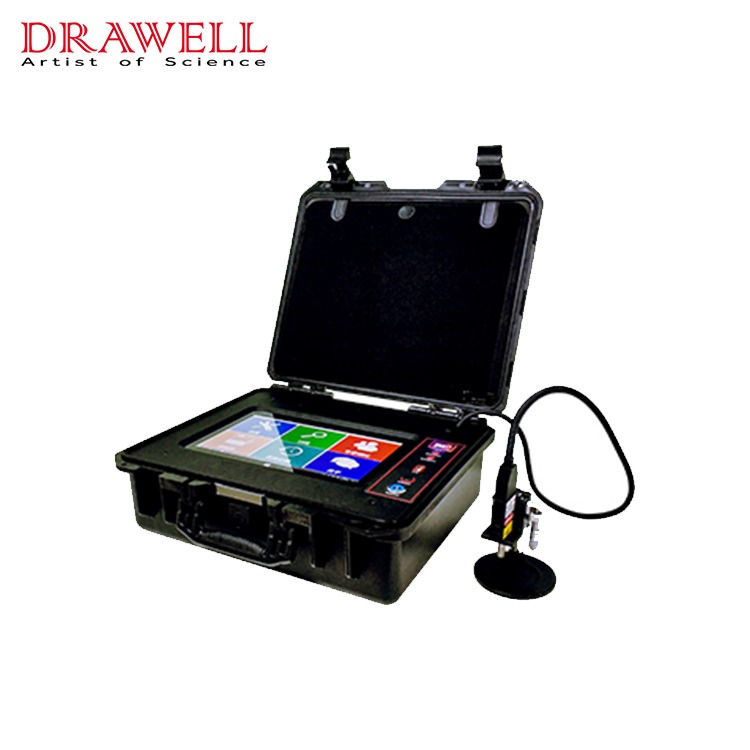
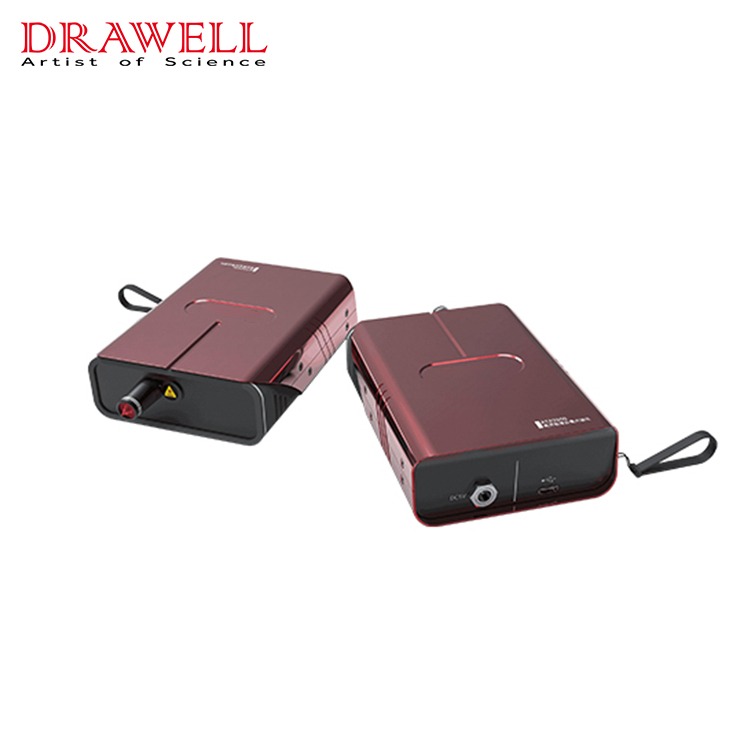
3. UV-VIS with Infrared(IR), FTIR and Raman Spectroscopy
UV-VIS crosses most types of spectroscopies with Electronic Transitions. When combined with Infrared (IR), Fourier-transform Infrared (FTIR), or Raman Spectroscopies, it paints a fuller picture of a moleculer property. UV-VIS Miscroscopies show how a molecule behaves eectronically while vibrational methods show how a molecule bonds and it s structure. This combination is particularly helpful with materials characterization, polymers, and nanomaterial because the polycontextural and electronic properties of a system have to be interrelated.

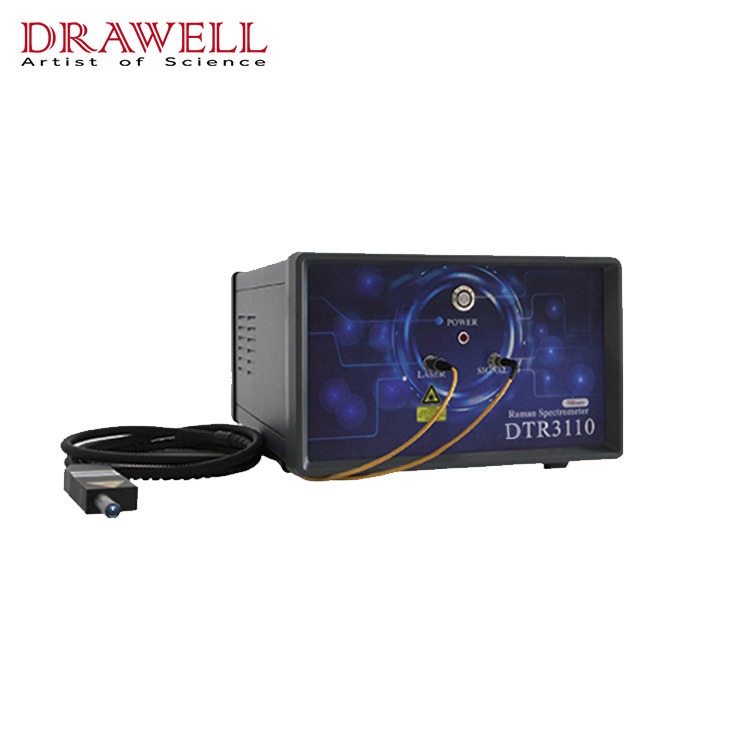
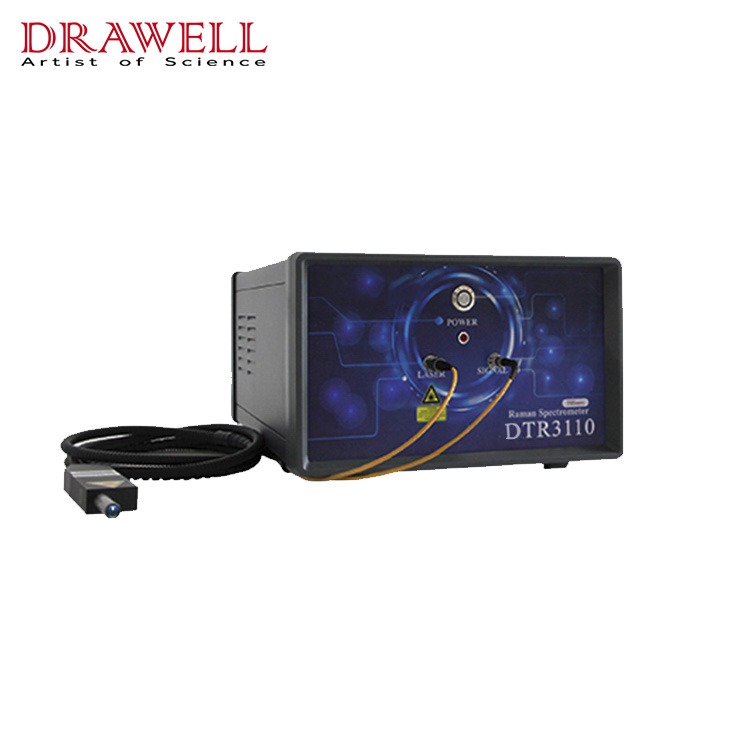
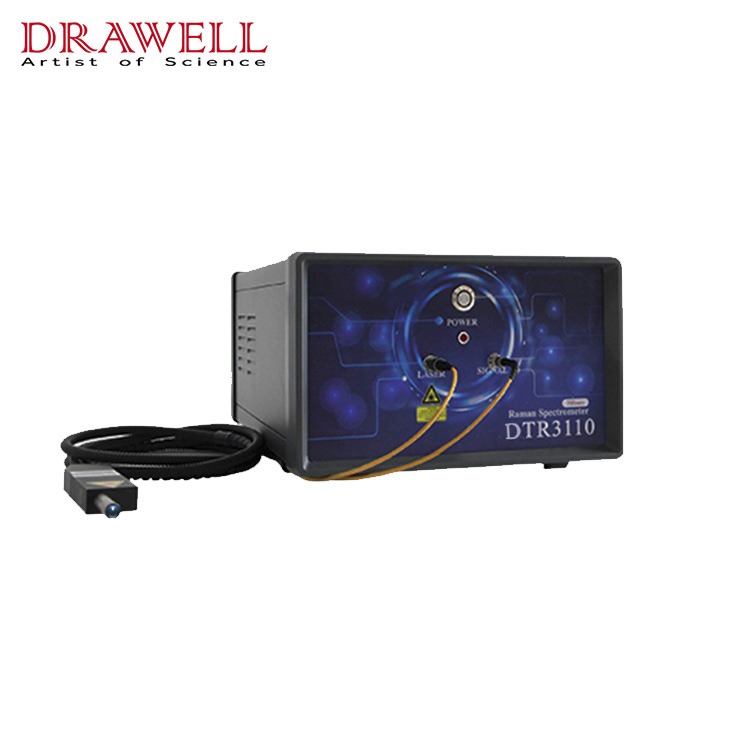
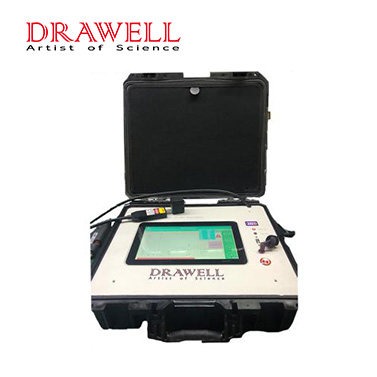
4. UV-VIS with Fluorescence Spectroscopy
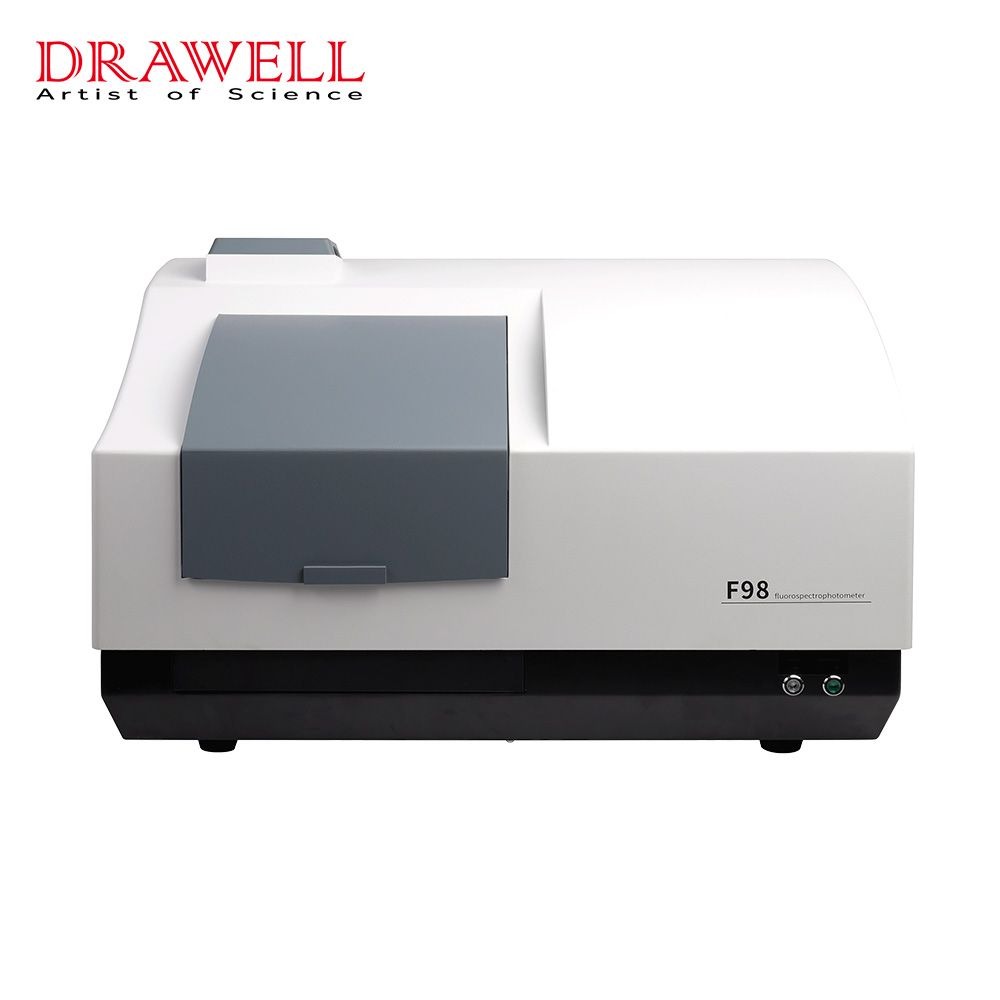
UV-VIS crossing other types of spectroscopies is another useful pairing. Absorbance data obtained with UV-VIS provides a first level approximation to understand how a molecule is excited while the emission is measured more precisely with fluorescence spectrophotometer with a better signal to noise ration. These methods combined help in the study of biomolecules, proteins, and enzymes, which both require understanding the excitement and emition processes. This combination is intuitive in biomedical and biochemical science.
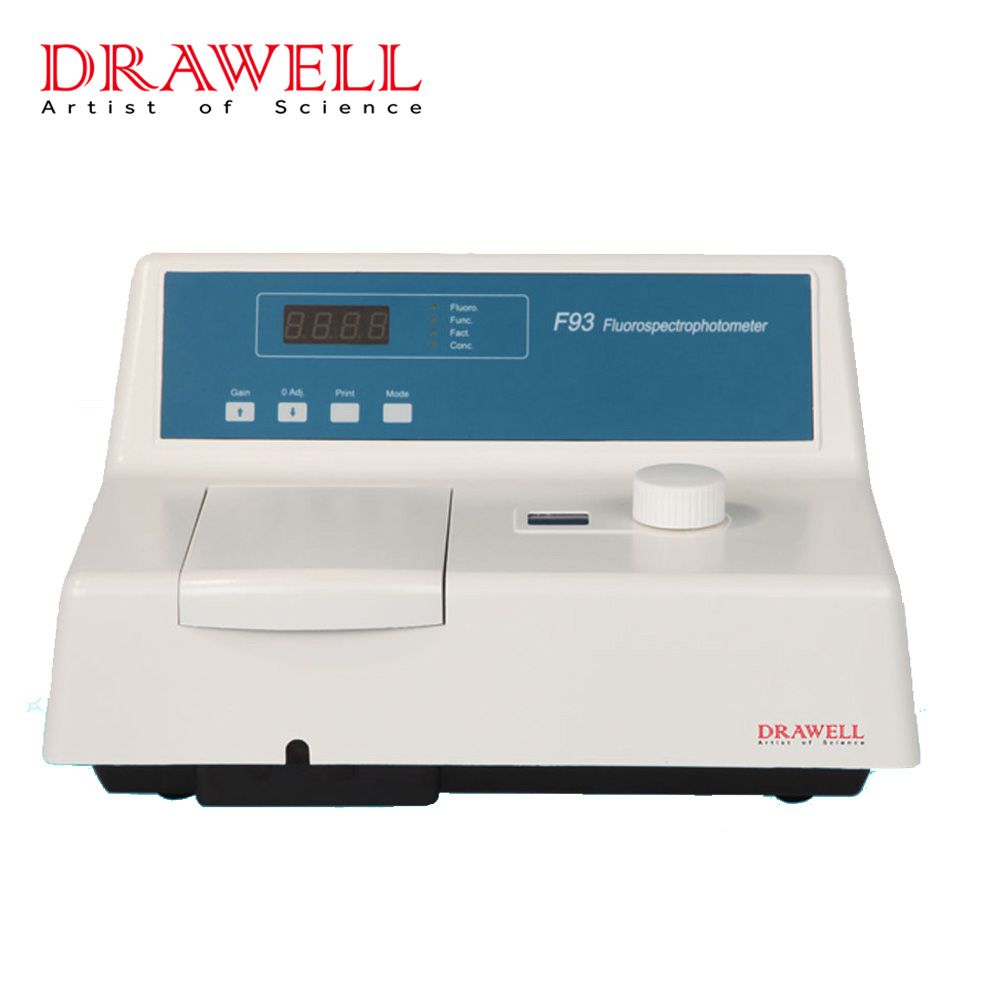
5. UV-VIS with Electrochemical Techniques(UV-Vis Spectroelectrochemistry)
UV-VIS Spectroelectrochemistry integrates UV-VIS spectroscopy with electrochemical analysis. Scientists can follow the video spaces the electrons move through as they apply electric potentials to drive redox reactions. This coupling is useful for the examination of various catalytic mechanisms, battery materials, some corrosion steps, and broadly other systems driven by high-density and fast electron transfer. It is possible to catch these changes and a few other dynamic changes by direct observation as a result of the integration of these techniques.
Challenges and Solutions in UV-VIS Coupling with Other Techniques
| Challenge | Description | Solutions |
| Complex Instrumentation | Coupling UV-VIS with other systems often requires sophisticated setups, increasing cost and maintenance needs. | Use modular designs, automated alignment systems, and integrated software platforms to simplify operation. |
| Data Overload | Multiple detectors generate large, complex datasets that are difficult to interpret. | Employ advanced data processing tools, chemometric analysis, and machine learning algorithms for efficient interpretation. |
| Sample Compatibility | Different techniques may require distinct sample conditions (e.g., solvents, concentration, pH), leading to mismatches. | Optimize sample preparation protocols and use versatile interfaces that accommodate multiple detection modes. |
| Signal Interference | Overlapping signals between coupled methods can reduce accuracy or sensitivity. | Apply baseline correction, spectral deconvolution, and selective wavelength filters to minimize interference. |
| Limited Portability | Coupled systems are often bulky and unsuitable for fieldwork or on-site analysis. | Develop miniaturized detectors, microfluidic chips, and portable hybrid systems for greater mobility. |
| Calibration and Validation | Ensuring accuracy across two or more techniques can be difficult. | Establish standardized calibration protocols and use certified reference materials for cross-validation. |
| High Costs | Integration increases capital investment and operational expenses. | Promote cost-sharing in multi-user facilities and develop affordable benchtop hybrid instruments. |

Emerging Trends in UV-VIS Coupling with Other Techniques
There have been great advancements in how UV-VIS spectrophotometers are coupled with other techniques to broaden the scope of research in medicine, materials, and the environment.
- Integration with Microfluidics and Lab-on-a-Chip Systems
The new trend to integrate UV-VIS technology into micro and lab-on-a-chip devices has the potential to bring great value to medicine and biotechnology. These devices enable chemical and biological assays to be performed in small, portable devices that need only microliter sample volumes. UV-VIS microsystems and microfluidics devices enable high sample throughput analysis, point-of-care diagnostics, and in-situ environmental assessments. This portable capability of UV-VIS instruments makes them useful in the field, industry, and clinics for prompt decision making after the analysis.
- Hybrid Spectroscopic Couplings
Coupling UV-VIS with other spectroscopic techniques to derive more molecular details is another trend. Pairing UV-VIS with Raman enables simultaneous interrogation of electronic and vibrational domains. Further, the merger of UV-VIS with fluorescence spectroscopy enhances sensitivity and dynamic range. In advanced materials research, the combination of UV-VIS with infrared (IR) or FTIR spectroscopys offers greater insight into the structural and electronic behavior. These novel techniques provide richly detailed, multi-dimensional datasets to describe materials and phenomena that can not be captured with individual instruments.
- Advances in Spectroelectrochemistry
Spectroelectrochemistry has UV-VIS spectroscopy at one end and some form of electrochemistry at the other UV-VIS spectroelectrochemistry is an analogue of electrochemistry in general. Throughout the ongoing redox reactions, the investigator watches electronic transitions and is able to grasp catalytic processes, corrosion, and energy storage in greater depth. Newly emerging systems that UV-VIS spectro with more powerful electrochemical cells and detectors with the ability to keep pace with rapid reaction phases can now UV-VIS spectro and mechanically capture the electrochemical reaction and track the complex sequences.
- Time-Resolved and Ultrafast Studies
Time and dynamic processes of other kinds have always come in tandem and that is why the latter part of the twentieth century small UV-VIS coupling became more popular and developed quickly. Ultrafast laser systems with UV-VIS connections enable one to capture the wavelengths of certain lasers of colorless fluids of a size on of less than a millionth of a millionth of a second. This approach in tandem with alternate time-related techniques, transient absorption and other light spectroscopic systems, offers one of the best systems to follow the chemical provided generous light is provided to the system around her and even around him. Solar energy, photocatalysis, and other systems of biological reactions have benefitted a lot from the novel approaches.
- Multi-Detector Chromatographic Systems
Traditionally, a UV-VIS detector has been used with a chromatographic device. However, a new development is integrating UV-VIS detectors into multi-detector chromatographic systems. By integrating UV-VIS with a mass spectrometer, a fluorescence detector, or an evaporative light scattering detector, several layers of information can be obtained from a single chromatographic run. This approach enhances sensitivity and selectivity, which is of great importance in pharmaceutical development, proteomics, and food safety.
- Digitalization and Data Integration
Further, with the shifting of systems, the automation aspect is the cutting-edge frontier in UV-VIS couplings. Evolving hybrid systems coupled with an increase in the complexity of data generated from various techniques require high-end software, artificial intelligence, and chemometric techniques for data analysis. UV-VIS couplings can be monitored and collaborated remotely through the cloud, which classifies UV-VIS couplings under the category of smart labs and Industry 4.0.
Summary
Coupling UV-VIS Spectroscopy with other analytical techniques speaks to the UV-VIS limitations when used alone. Integrated approaches combining UV-VIS with other techniques like chromatography, mass spectrometry, vibrational spectroscopy, or even electrochemistry enhance the resulting datasets’ sensitivity and application scope.
Related Products Recommendation
Get Quote Here!
Latest Posts
What Next?
For more information, or to arrange an equipment demonstration, please visit our dedicated Product Homepage or contact one of our Product Managers.


