


Water Baths, Dry Baths & Circulators
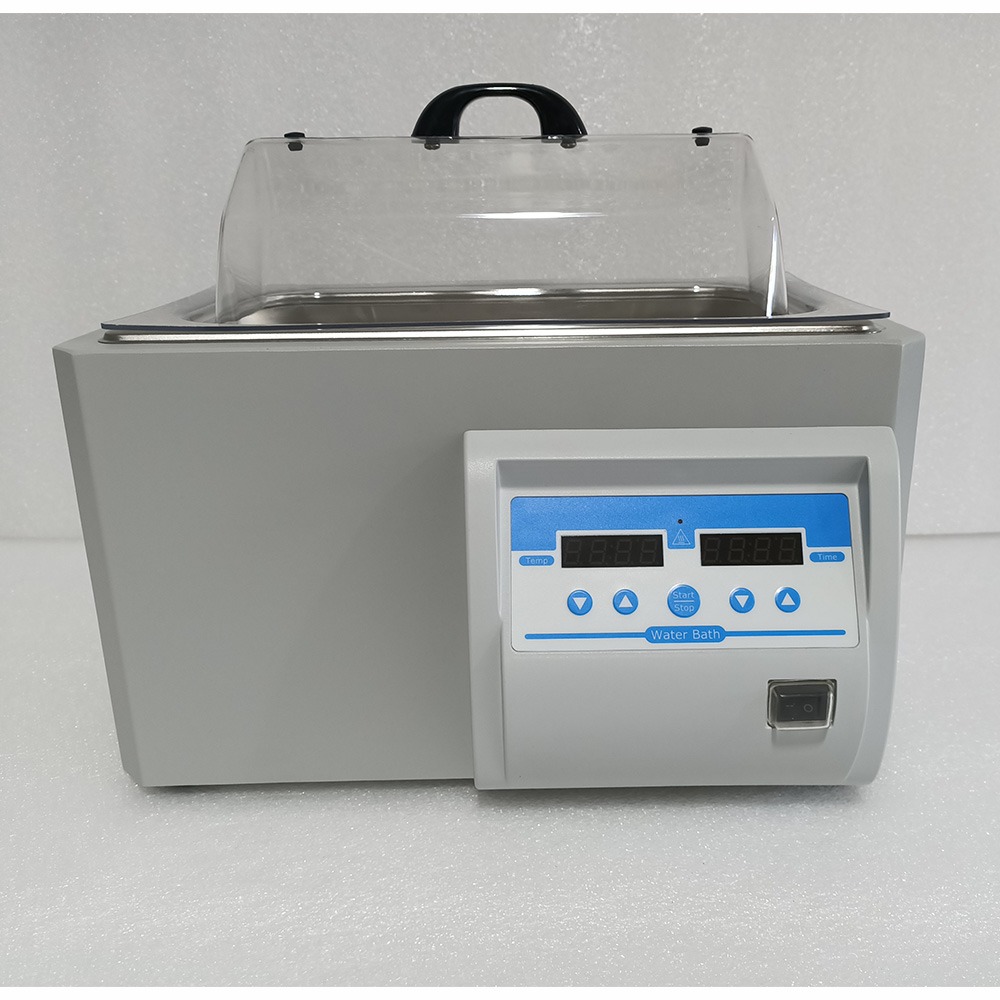
Why Is Water Bath Temperature Not Uniform? 7 Common Causes
You set your thermostatic water bath to the correct temperature, wait for the display to tell you it’s reached it and figure you’re good to go. But results come back inconsistent—you don’t know why. The problem in many situations is with uneven heat distribution inside the tank, which is easy to detect because the display…

How to Choose the Right High-precision Instrument for Analytical Chemistry Labs
Choosing high-precision instruments really is like a foundational call in modern labs. In analytical chemistry labs, the end quality of results comes down a lot to whether the equipment fits the analytical aims, the kinds of samples, and the regulatory expectations. If you go in with a good selection process, accuracy tends to climb, the…
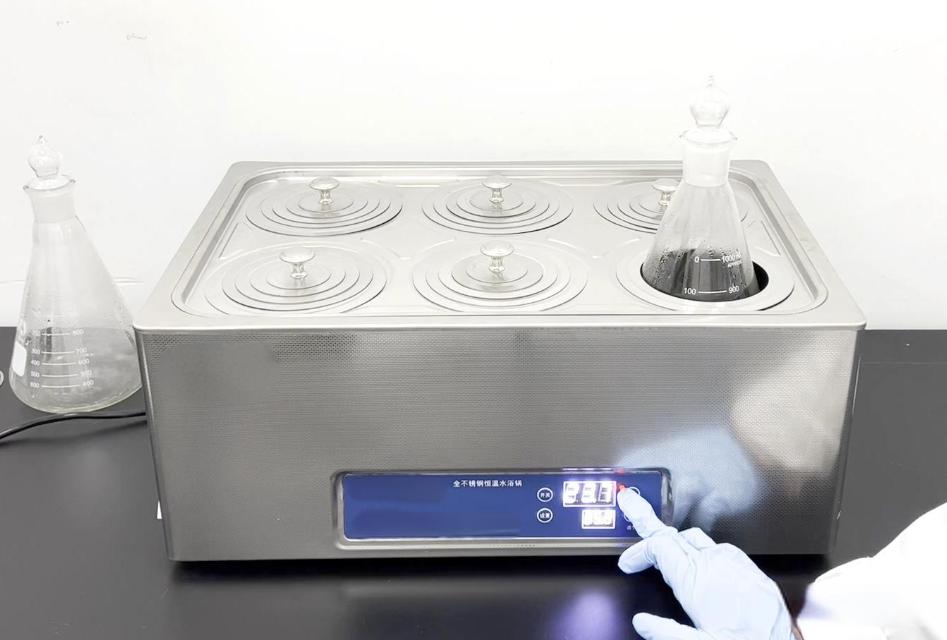
What Are the Uses of a Water Bath in the Laboratory? (With Selection Tips)
A water bath is a staple piece of equipment in many laboratories, used across various disciplines for its ability to maintain a consistent and controlled temperature. Whether you’re working in chemistry, biology, or pharmaceuticals, water baths provide an efficient and reliable means of incubating samples, dissolving substances, or conducting temperature-sensitive experiments. In this article, we will…
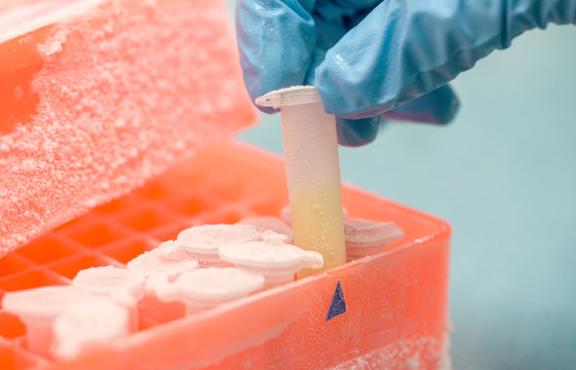
Precision Cooling: How Refrigerated Thermostatic Baths Used in Biotech & Pharma Lab
Precise temperature control is a foundational requirement in modern biotech and pharmaceutical laboratories. From enzyme activity studies to drug stability testing, even small temperature deviations can affect reaction kinetics, sample integrity, and data reproducibility. Traditional constant-temperature water baths are limited to operating ranges above room temperature, while refrigerated constant-temperature baths, with their wide temperature range (from…
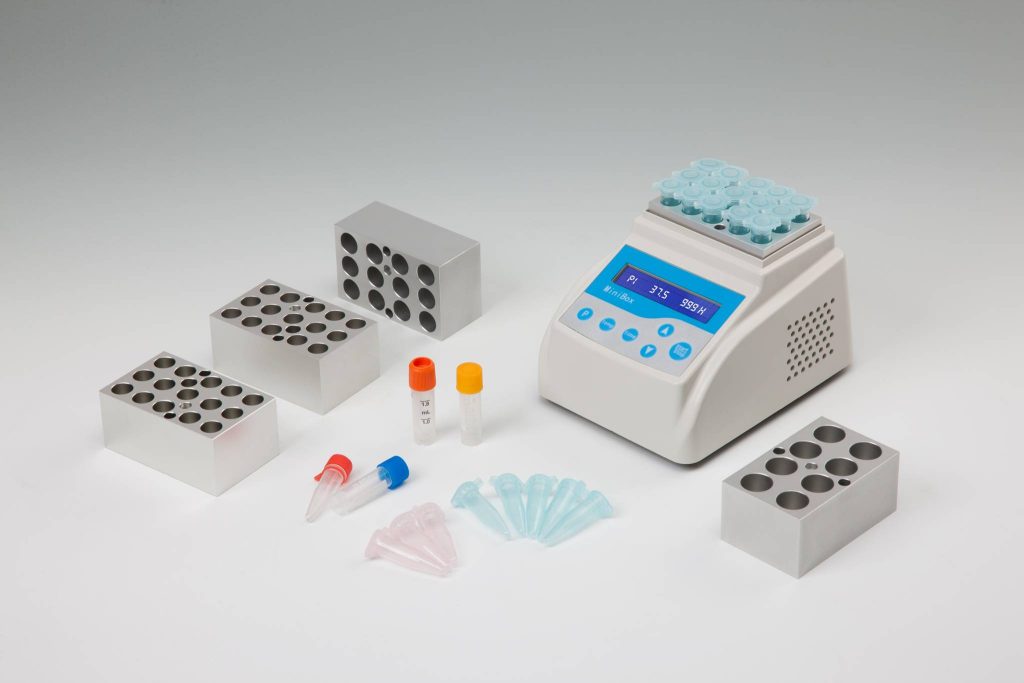
How to Ensure the Safe Operation in Dry Baths
Dry baths, also known as dry block heaters, are important laboratory instruments for heat dependent assays, such as enzyme reactions, sample incubation, or nucleic acid denaturing, to keep constant and controlled temperatures. Although they provide ease and safety, the risk of equipment and sample loss, and even unsafe situation for laboratory personnel, make appropriate use…

How to Maintain High-temperature Precision in Muffle Furnaces
Muffle furnaces are critical in laboratories, research, and industries involving high precision heating, such as for sintering, calcination, and ash determination analysis. For muffle furnaces, high-temperature precision is of utmost importance. Even minor temperature deviations can greatly affect experiments, products, and safety. Such deviations can be avoided through a compromise of a combination of design, operational, and maintenance…
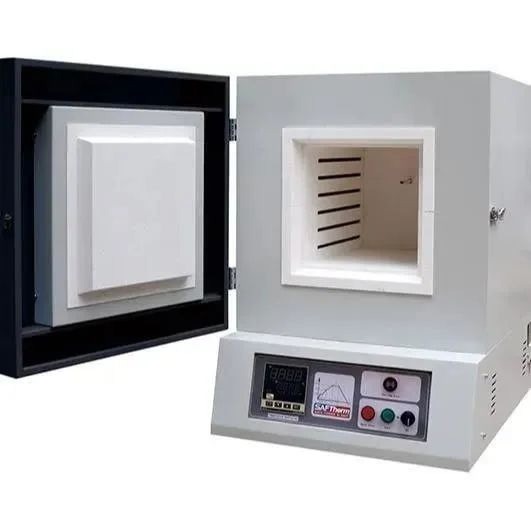
Effective Strategies for Rapid Heating in Muffle Furnaces
Muffle furnaces are commonly found in laboratories, material processing, metallurgy, ceramics, and quality testing. This is because they create a high-temperature environment for ashing, sintering, and heat treatment. They also allow for material analysis. One of furnace technology’s best improvements is rapid heating. This feature helps the muffle furnace operationally efficient and increases the ways it can…
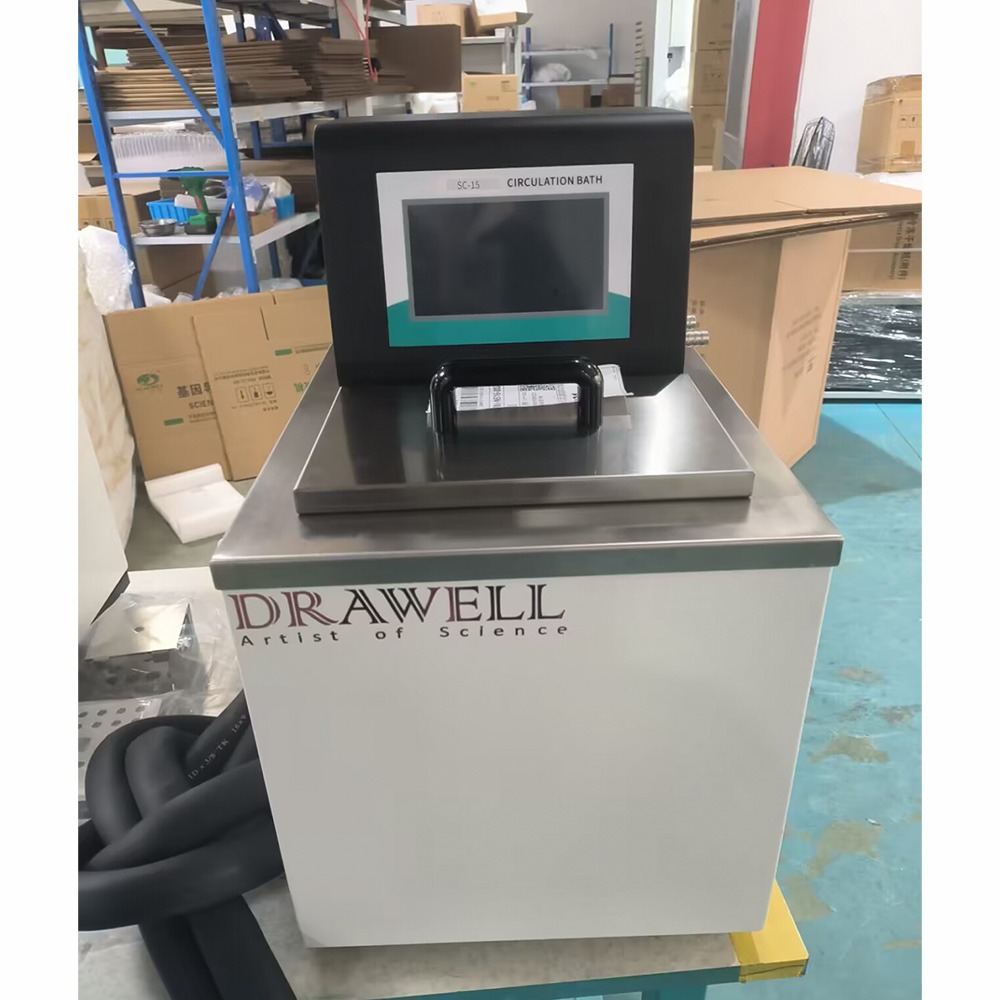
Circulating vs. Non-circulating Water Baths: Which Type to Choose
Water baths are crucial instruments in the laboratory for the consistent and safe heating of samples. They allow for specific environments of controlled temperature for multiple fields such as molecular biology, microbiology, chemistry, and even quality assessment in industrial laboratories. From the specific types of water baths, circulating water baths and non-circulating water baths are the…
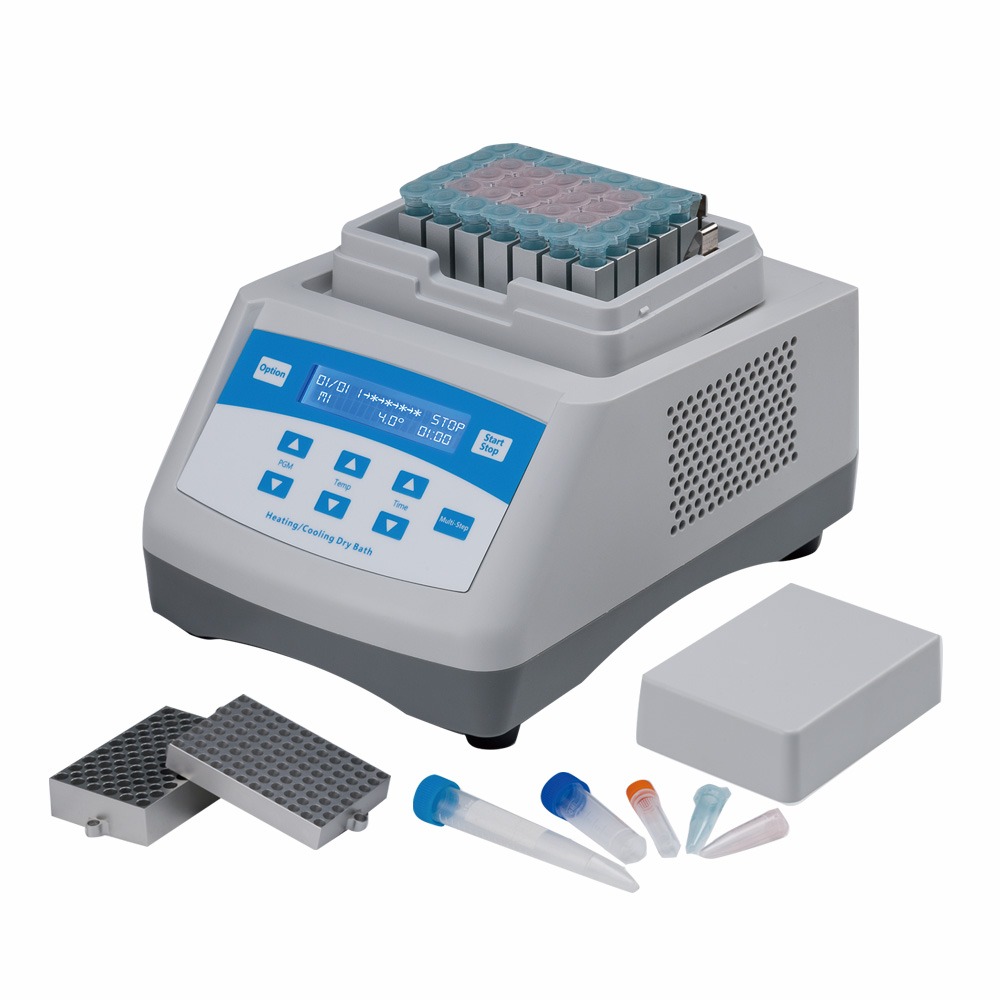
Top 16 FAQs of Using Dry Bath Incubator
Dry bath incubators, also known as dry block incubators or dry bath heat blocks, are widely used laboratory dry bath equipment for controlled heating of samples. Compared with water baths, dry baths reduce contamination risks, simplify maintenance, and provide more stable temperature conditions. As a laboratory digital dry bath incubator manufacturer, we often encounter practical questions…
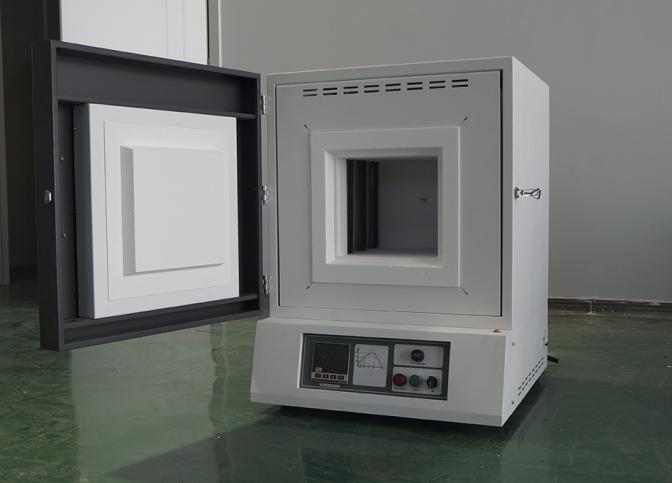
How to Choose the Right Muffle Furnace for Your Specific Applications
When deciding on a muffle furnace for laboratory or industrial use certain critical aspects are to be considered to ensure that the furnace can meet the requirements of your business. The muffle furnaces are crucial for high-temperature applications like sintering, analysis of ash content as well as calcination, materials testing, etc. With the wide range of muffle furnaces…
Browse by category:


