


Water baths are crucial instruments in the laboratory for the consistent and safe heating of samples. They allow for specific environments of controlled temperature for multiple fields such as molecular biology, microbiology, chemistry, and even quality assessment in industrial laboratories. From the specific types of water baths, circulating water baths and non-circulating water baths are the most common. Knowing the differences between the two is essential for the optimal fit for laboratory requirements.
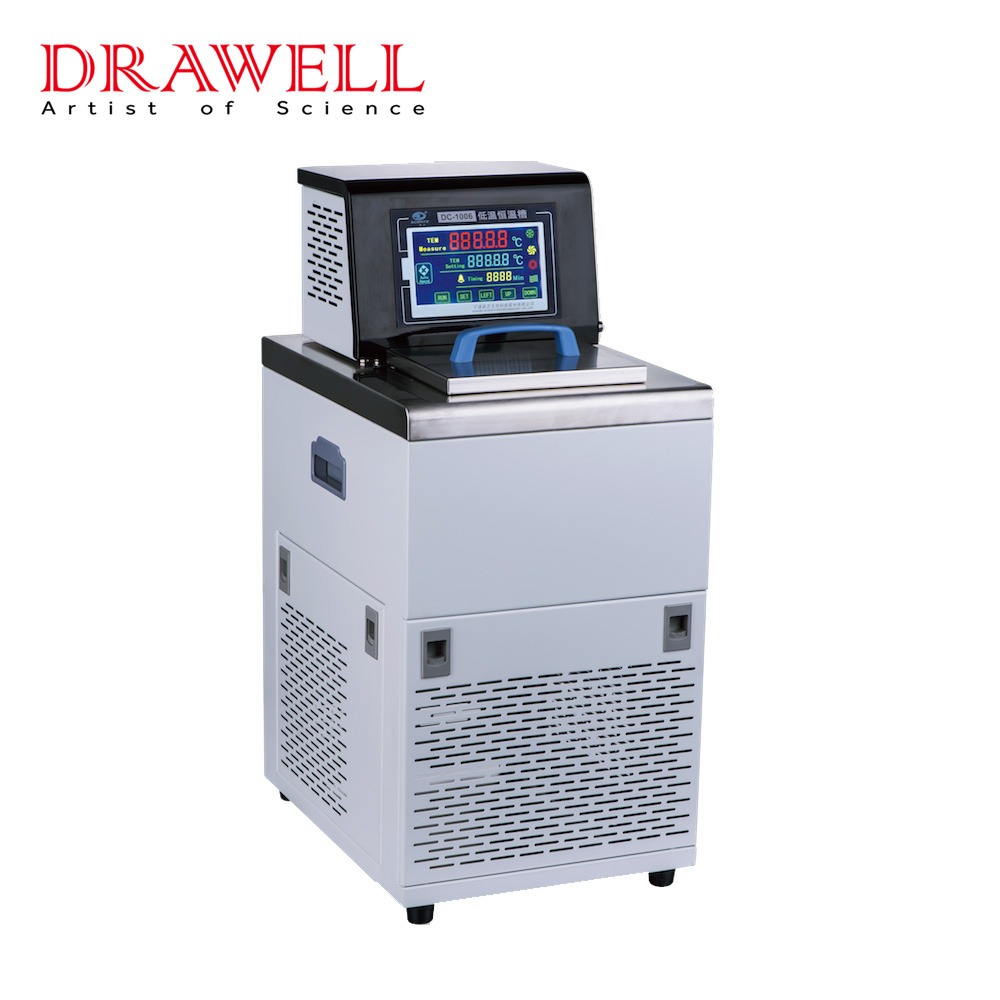
What are Circulating Water Baths
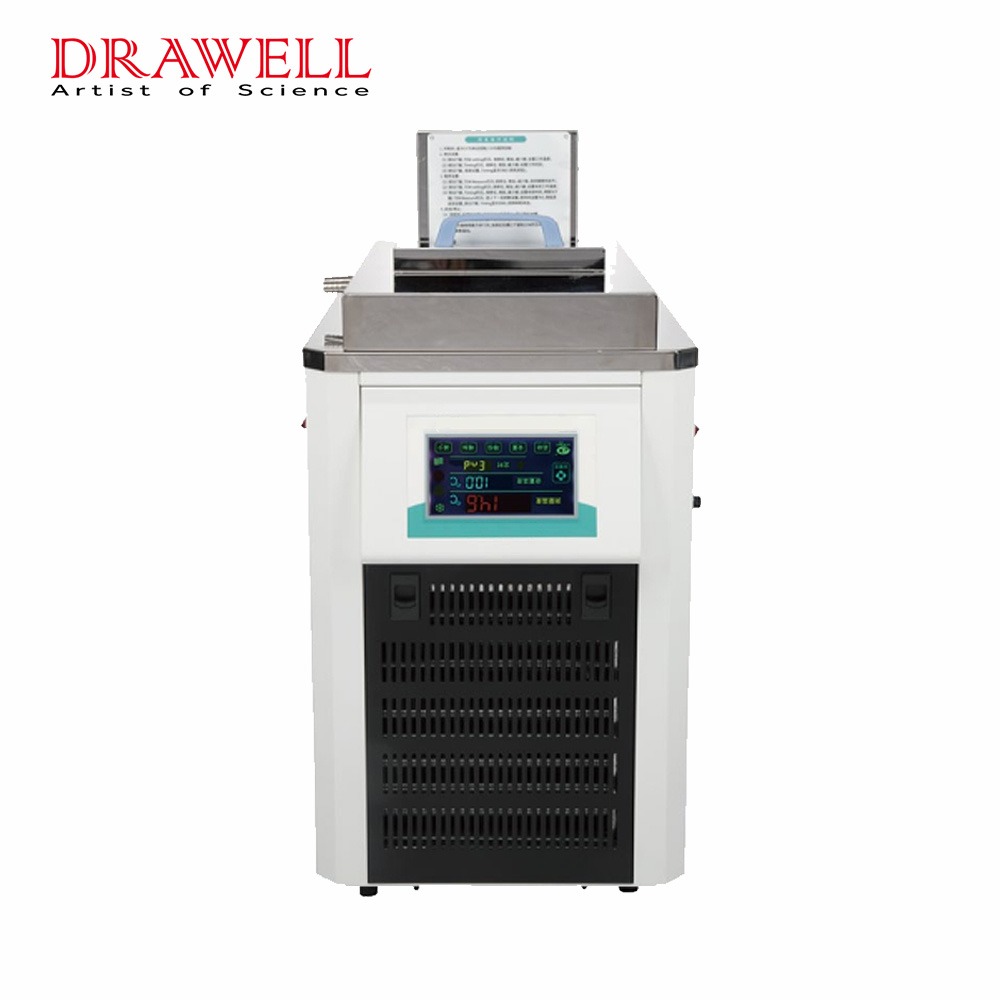
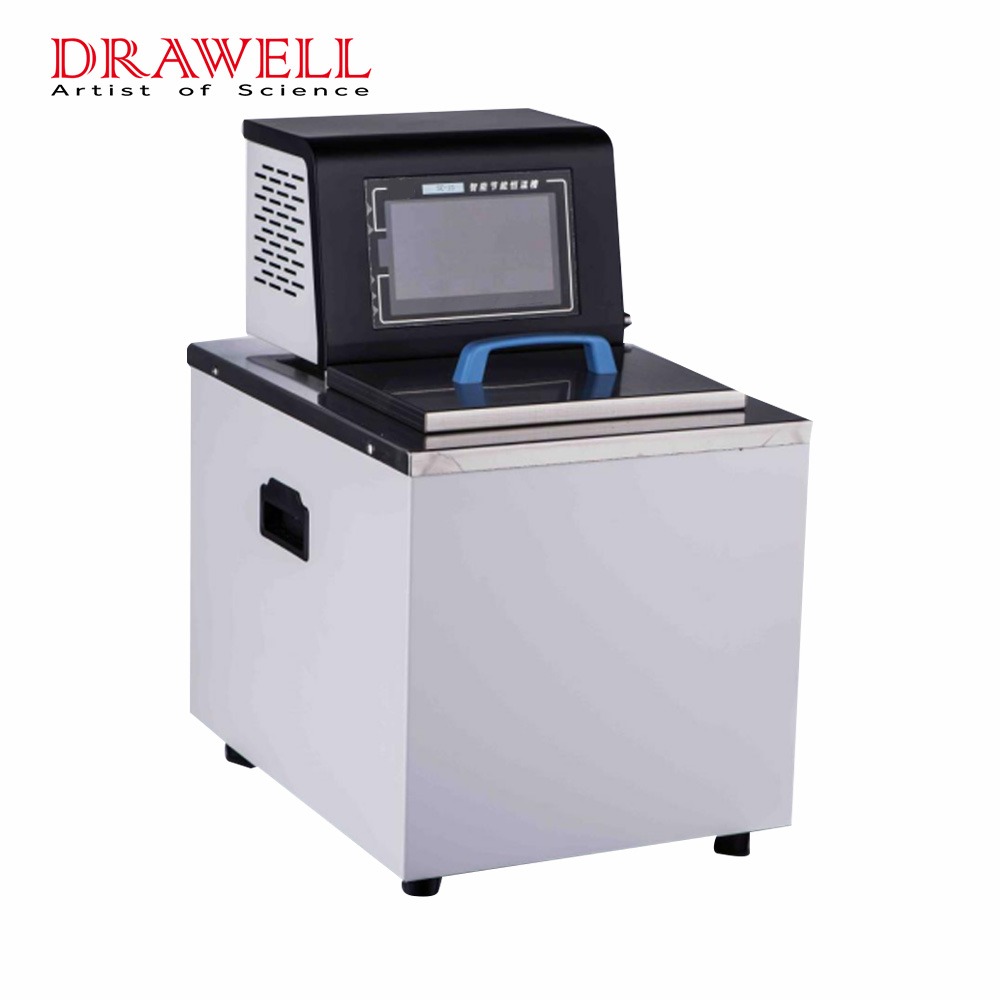
A circulating water bath is an instrument that is specially designed for the heating of samples to a certain precise temperature, and uniformly apply the temperature to the sample. Unlike non-circulating baths, a circulating water bath is designed with a pump that stirs the water and keeps it in constant motion, ensuring that it is uniformly heated on all sides of the chamber. This quality is what makes circulating water baths most important for continual operations and processes.
Advantages
- Uniform Temperature Distribution: Water movement greatly reduces and even eliminates the presence of hot or cold spots and results in a consistent condition across the bath.
- High Precision: Many types are within the precision range of ±0.1–0.2°C, therefore, calibrated to much higher standards.
- Fast Temperature Recovery: This dimension of the circulating water bath helps it stabilize quickly after the lid is opened or samples are introduced.
- Versatility: Apart from internal sample heating, it can be used as an external circulator for instruments such as viscometers or refractometers.
- Reproducibility: Achieves consistent outcomes for subsequent tests through control of temperature fluctuations.

Limitations
- Increased Cost: More expensive than non-circulating water baths because of intricate designs and pumping systems.
- Maintenance: Regular upkeep and servicing are needed for the pumps and other dynamic systems.
- Noise Production: Circulation mechanisms might be noisier than the unmixed water baths.
- Energy Consumption: Usually consumes more energy because of the continuous recirculation and controlled systems.
Common Applications
- Molecular Biology & Biochemistry: Enzyme kinetics, protein denaturation, hybridization of DNA/RNA.
- Microbiology: Incubation of cultures that require a set and controlled temperature.
- Pharmaceutical Testing: Studies for stability, solubility, and dissolution of drugs.
- Industrial Laboratories: Specific conditions for density, viscosity, and refractive index.
- Food & Beverage Industry: Testing and assurance of product quality and safety.
- External Equipment Support: Moderate temperature regulation for associated devices.
What are Non-circulating Water Baths
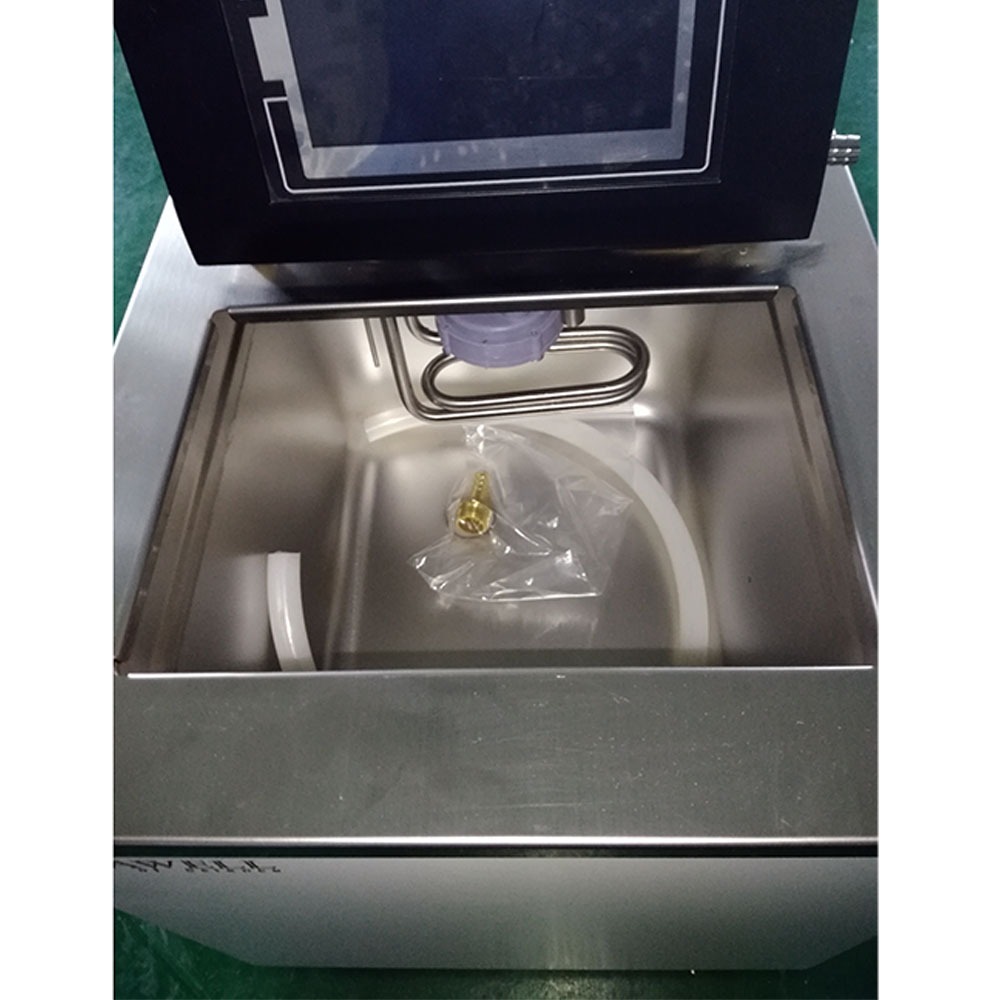
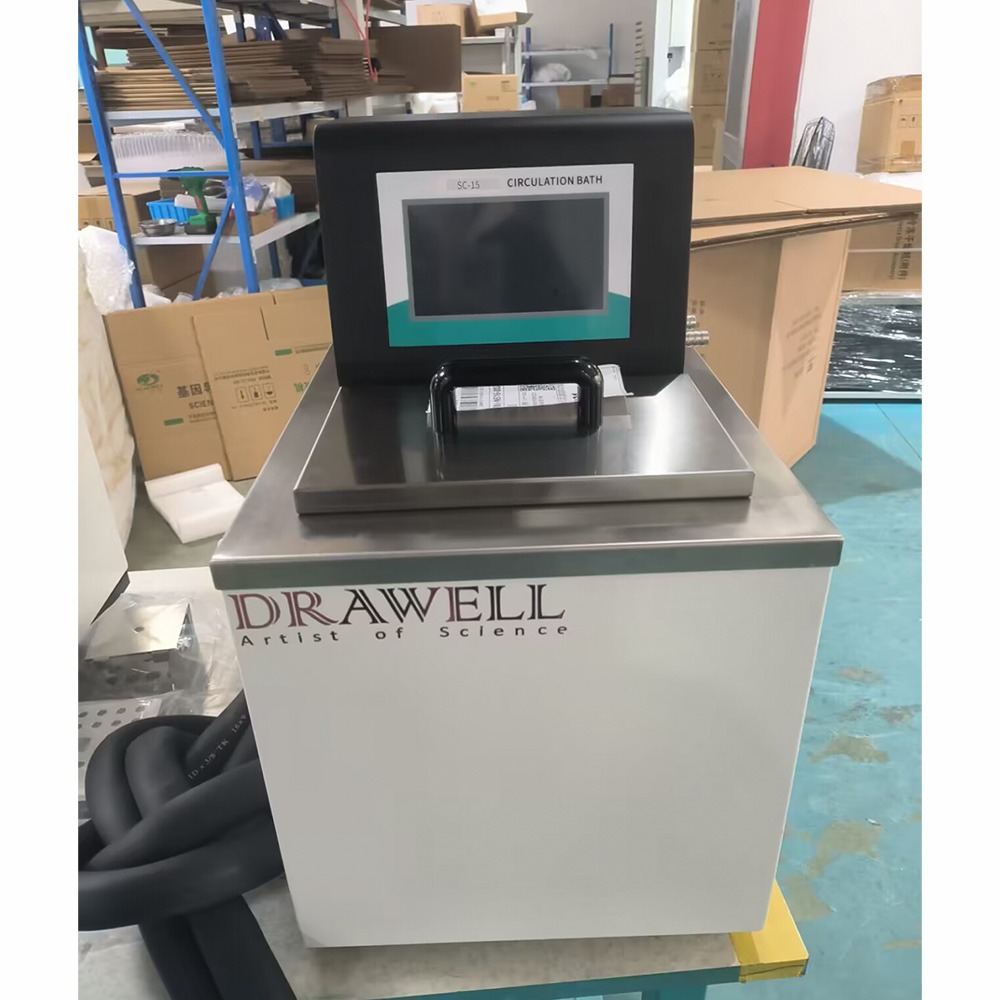
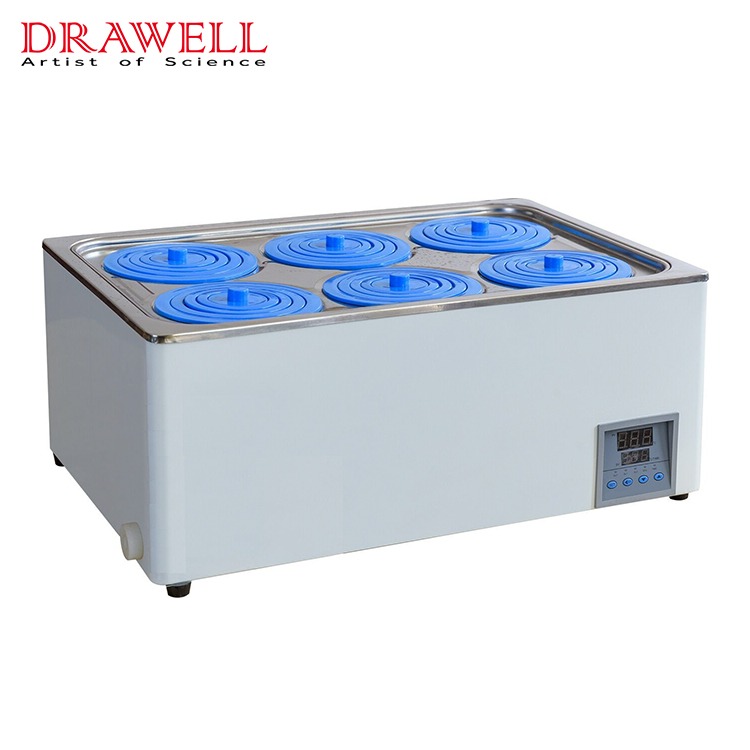
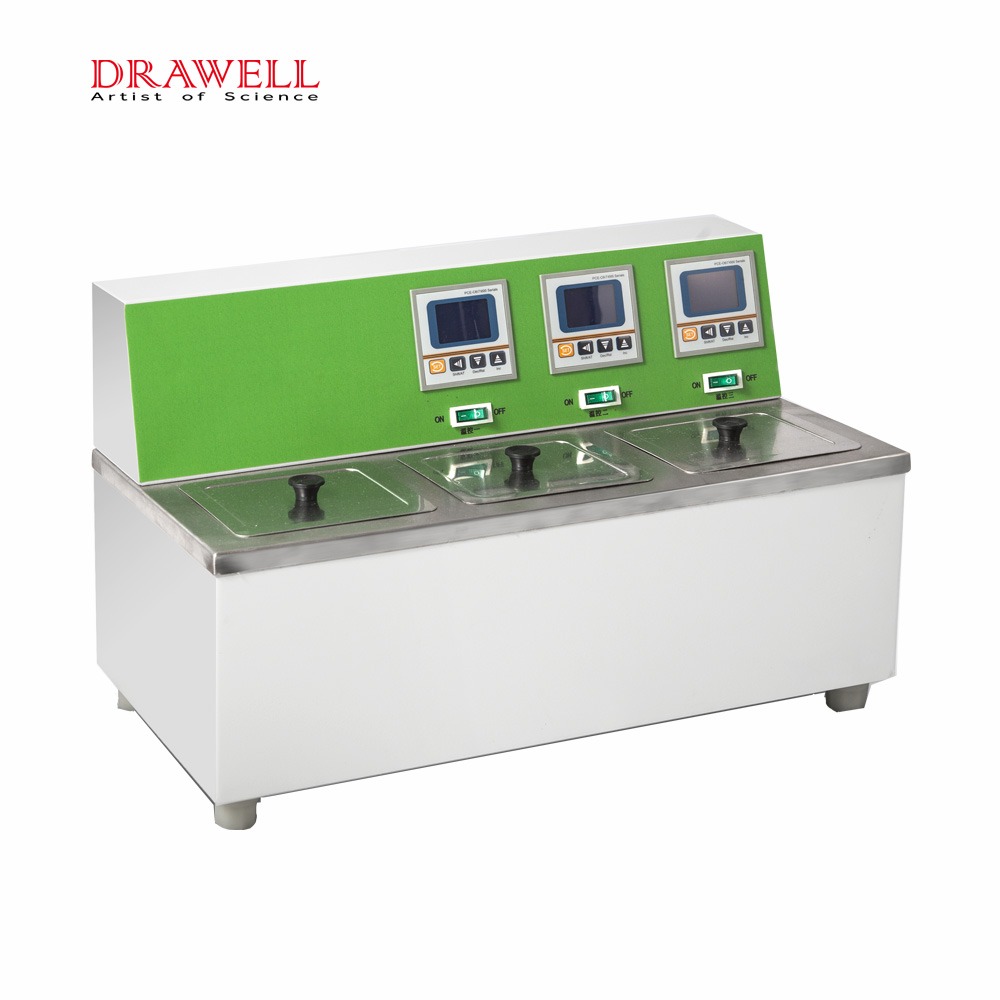
A non-circulating water bath (or unstirred water bath) is a type of laboratory apparatus designed for heating samples immersed in water at a certain temperature controlled to a set point. As opposed to circulating water baths, non-circulating water baths do not move the water through pumps or stirrers, relying instead on natural convection to achieve a temperature equilibrium in the chamber, although some temperature differential is inevitable. Nonetheless, for most lab applications that do not demand extreme precision, non-circulating water bath models serve as a cost effective alternative to more advanced systems.


Advantages
- Cost Effectiveness: Non-circulating water baths cost less than circulating models, allowing for even routine lab procedures to employ this technology where helpful.
- Simplicity: The less complex a system is, the greater the likelihood of reliability, which in this case pertains to mechanical apparatuses.
- Reliability: Non-circulating water baths are more reliable due to the simple mechanisms that make them easy to clean.
- Silent Running: Non-circulating baths are quieter than other models as there are no pumps to circulation systems that cause noise.
- Routine Use: Non-circulating water models are suitable for heating, thawing, or in any other general reagent preparation in a lab.
Limitations
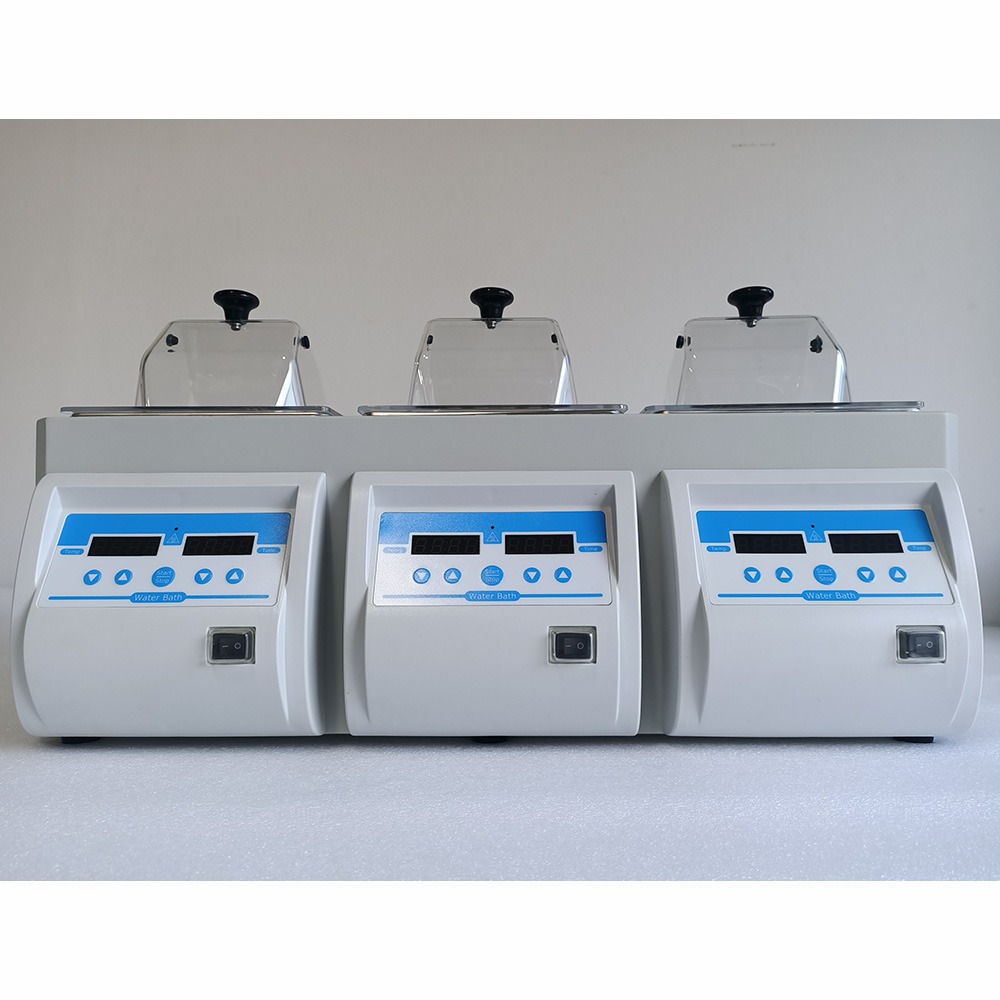
- Poor Temperature Uniformity: Non-circulating water baths that are on the larger side will encounter temperature differences due to convection.
- Lower Accuracy: Non-circulating water baths are less accurate in temperature control than circulating water baths, with an expected range of ±0.5–1.0°C.
- Slower Recovery: Takes longer to return to the set temperature after the lid is opened or samples are added.
- Limited Use for Sensitive Applications: Not suitable for processes requiring high accuracy or reproducibility.
Common Applications
- Preparing Reagents: Used for warming or melting media, buffers, or agar.
- Thawing Samples: Slow thawing of frozen biological or chemical samples.
- Laboratory Activities: Used for simple operations like incubation and heating in teaching and research laboratories.
- Routine Food and Beverage Laboratories: Used for warming samples for testing and quality control.
- General Industry: Used for primary heating operations in production and examination centers.
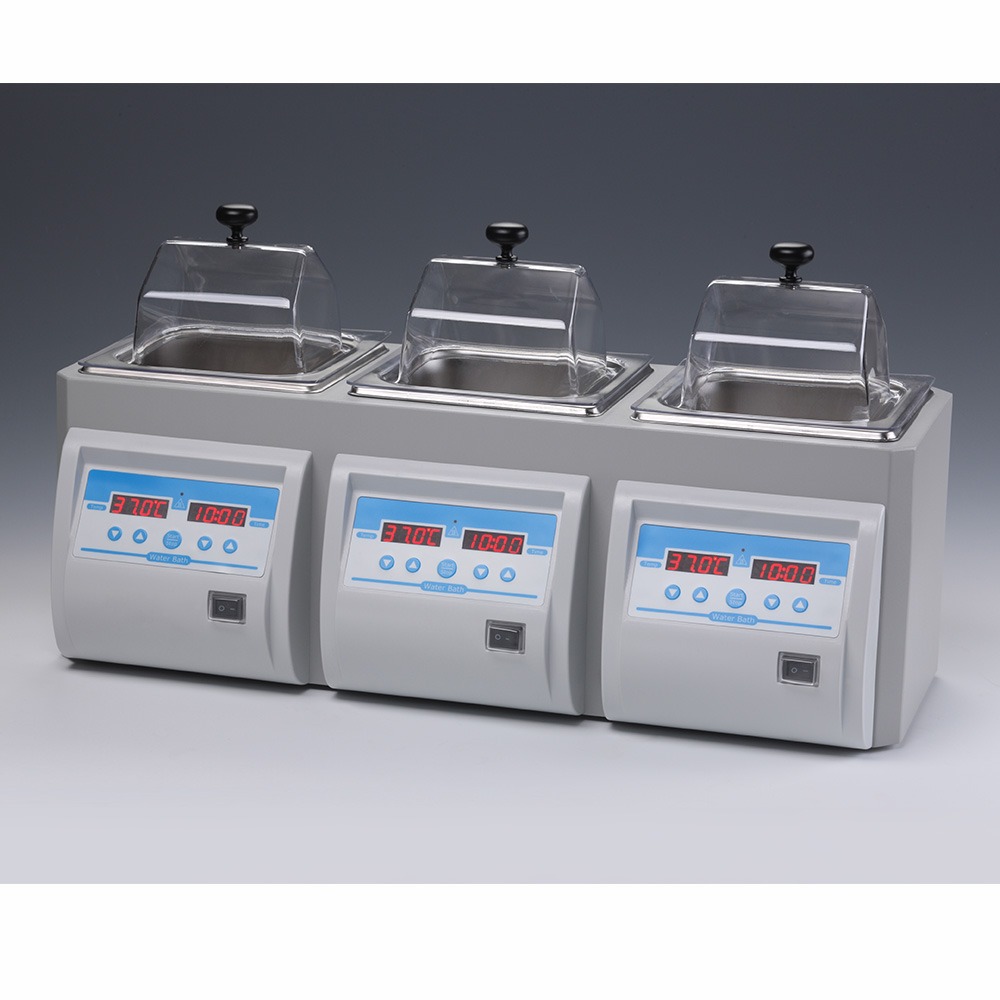
Key Differences Between Circulating and Non-circulating Water Baths
| Feature | Circulating Water Bath | Non-circulating Water Bath |
| Water Movement | Uses a pump or stirrer to circulate water | Relies on natural convection (no circulation) |
| Temperature Uniformity | High – even distribution across the chamber | Moderate – possible hot and cold spots |
| Precision | Excellent (±0.1–0.2°C) | Lower (±0.5–1.0°C) |
| Temperature Recovery | Fast recovery after lid opening or sample insertion | Slower recovery time |
| Cost | Higher due to advanced design | Lower and more economical |
| Maintenance | Requires regular servicing of pump/stirring system | Minimal maintenance, simpler design |
| Noise Level | May produce noise from circulation mechanism | Very quiet operation |
| Best Suited For | Sensitive experiments, enzyme assays, external equipment support | General heating, reagent warming, educational labs |
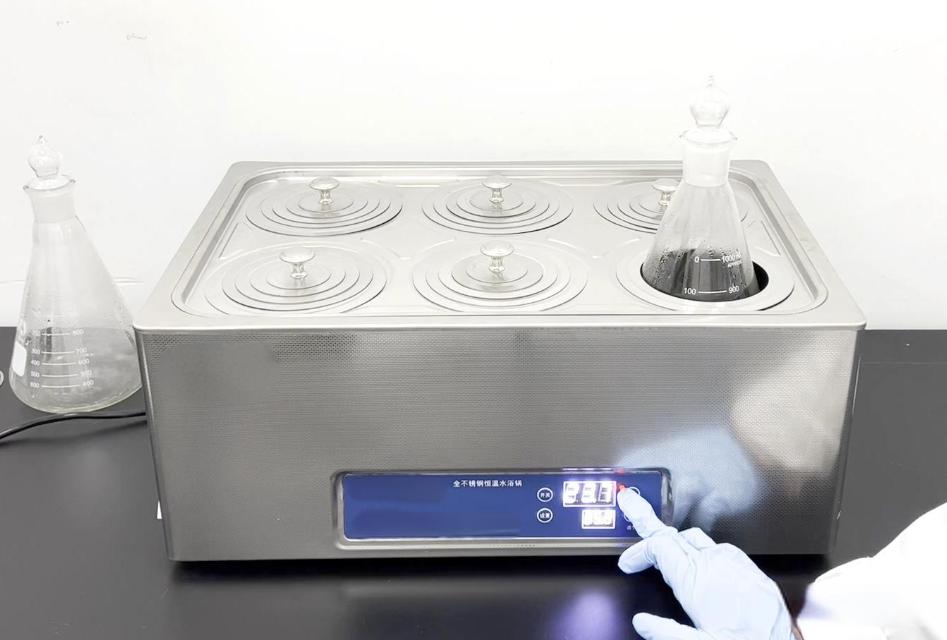
Key Factors to Consider for Choosing Between Circulating and Non-circulating Water Baths
Choosing the appropriate water bath for a lab setting goes beyond personal preference; it involves aligning the instrument with the relative accuracy and dependability needed in studies. While both a circulating and a non-circulating water bath serves the primary purpose of heating up samples, the two differ in functionality, pricing, and practicality. Appreciating the main considerations that govern this decision allows laboratories to purchase the appropriate equipment that adds real value to their operations.
- Precision and Temperature Uniformity
How accurate a temperature needs to be for a water bath serves as a primary concern. The design of circulating water baths facilitates conditions of extreme uniformity controlled by pumps or stirrers. These devices eliminate any temperature gradients by ensuring that every sample subjected to the given thermal condition, and achieving an identical thermal environment. Non-circulating water baths depend on a process called natural convection and invited the possibility of non uniform temperature conditions within the chamber. If a set of results is sensitive enough, a change in an order of magnitude is likely to alter the outcome of an experiment, for instance in an enzyme reaction, molecular biology, etc. In such cases, a circulating bath is certainly a preferred choice. If perfection is not an objective, any unstirred model will be adequate.
- Cost and Budget Constraints
Another aspect which still holds value is cost. For example, circulating water baths are priced higher than its peers because they feature advanced tech, more components, and tighter temperature control. Budget-sensitive labs, especially teaching and routine testing labs, tend to settle on non-circulating water baths which are adequate (for basic heating tasks). Thus, its clear that, especially in cases where precision is not a prime target, cost still controls choices.
- Maintenance and Operation
The nature of equipment also weighs in. The ability to perform self service on circulating water baths along with their pumps and moving parts is a significant downside due to their noises and mid level complexity. Non-circulating water baths on the other hand are far more desirable due to their simple, quiet, and low complexity designs which make them easy to maintain. Thus, for basic tasks, labs seeking consistent and low-maintenance baths are easily fulfilled by unstirred baths.
- Application Requirements
Water bath type selection is ultimately hinged on the task at hand. Research and industry that demand precise and reproducible temperature control uses circulating water baths. They find use in advanced molecular biology and pharmaceutical development and in auxiliary support equipment. Non-circulating baths are ideal for reagent warming, agar melting, and thawing samples, where low temperatures are acceptable. Reasonable and justified expenses are achieved without sacrificing scientific or industrial requirements.
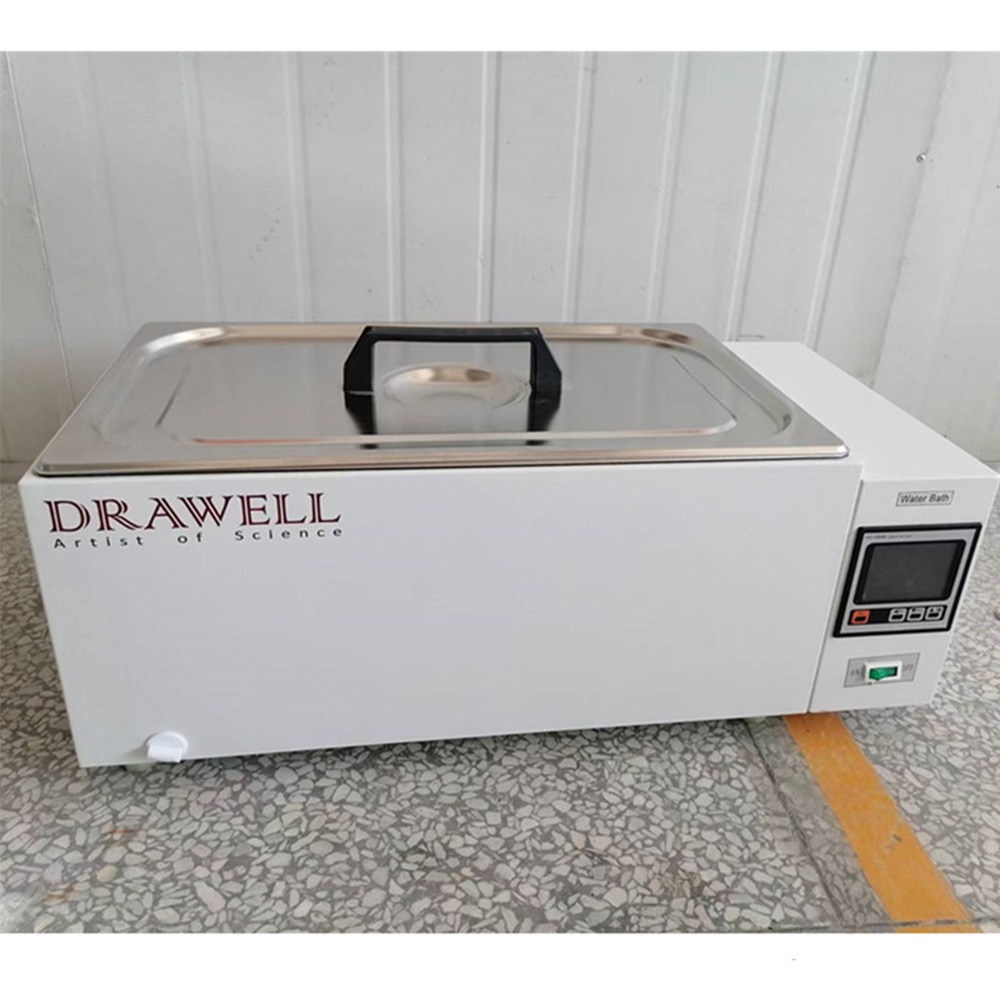
The selection of a circulating or non-circulating water bath is determined by the requirements of the laboratory in question.
- For enzyme kinetics or molecular assays where accuracy and uniformity are important, circulating water baths are the better option.
- If budget and simplicity are priorities and experiments don’t require strict temperature control, non-circulating water baths are sufficient.
Final Thoughts
The use of circulating and non-circulating water baths is a common part of laboratory workflows. Knowing the differences between the two allows laboratories to use the equipment relevant to the experimental requirements effectively.
Related Products
Get Quote Here!
Latest Posts

What Next?
For more information, or to arrange an equipment demonstration, please visit our dedicated Product Homepage or contact one of our Product Managers.


