


Muffle furnaces are commonly found in laboratories, material processing, metallurgy, ceramics, and quality testing. This is because they create a high-temperature environment for ashing, sintering, and heat treatment. They also allow for material analysis. One of furnace technology’s best improvements is rapid heating. This feature helps the muffle furnace operationally efficient and increases the ways it can be used.

What is Rapid Heating
Muffle furnaces can now rapidly heat to high temperatures within short periods compared to the conventional furnaces. The new advanced heating elements, new insulating materials, and smart control systems enable rapid heating from room temperature to 1000–1200°C within a few minutes, depending on the furnace design.
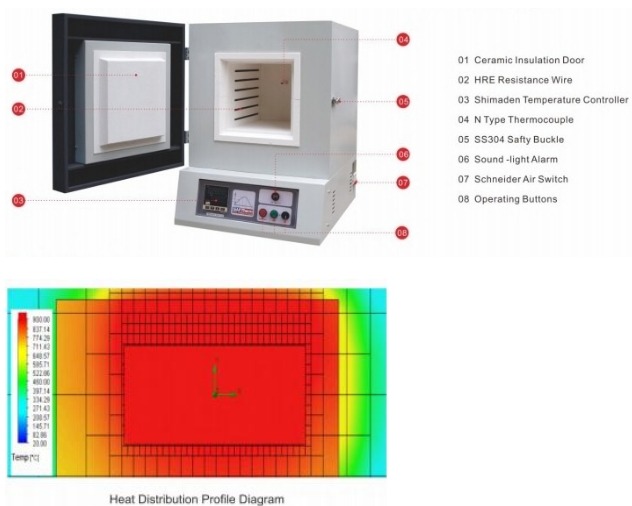
Why Rapid Heating is Desired in Muffle Furnaces
Rapid heating in muffle furnaces is about more than just reaching the target temperatures in the least amount of time possible. It is mainly concerned with the efficiency, quality, and versatility of the processes.
Improved Time Efficiency
Rapid heating has greatly improved process times. Unlike muffle furnaces that take long warm-up times at the beginning of critical experiments and industrial cycles, rapid heating technology furnaces reach 1000°C warm-up temperature in just a few minutes. labs and production facilities rapidly complete more processes in the same time periods.
Energy Conservation
Rapid heating technology provides time and energy savings. Due to less time spent at transitional heating stages, total power use is decreased, thus saving energy. This means rapid heating gas furnaces are ultimately more cost effective and energy sustainably engineered, a growing value in many labs and industries.
Enhanced Process Control
In many processes, the way a sample is heated can be just as important as the end temperature. In rapid heating, the time taken to reach the end temperature can be less. This reduces time a material is exposed to intermediate oxidation, contamination, and unwanted structural changes. Advanced ceramics and specialized alloys ensure that sensitive samples remain unchanged.
Expanded Applications
Getting to high temperatures really fast opens the door to new research and development opportunities. Some processes that involve extreme heat changes, like thermal shock testing or rapid ashing for environmental analysis, become reliable and easy to work with. This flexibility is why rapid-heating furnaces are important in material science, electronics manufacturing, and other industries.
Competitive Advantage in Industry
For industries, rapid heating furnaces mean quicker returns, more productivity, and lower costs. This also allows fast reactions to production requests and the ability to keep quality, which helps the competition.

Key Technologies Enabling Rapid Heating in Muffle Furnaces
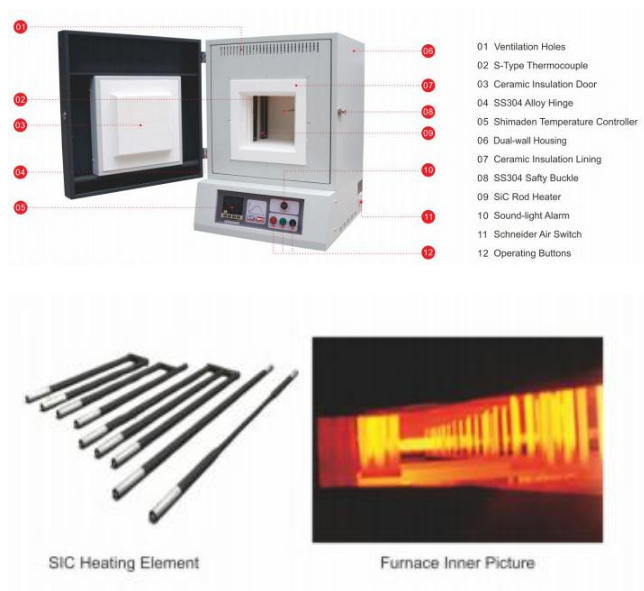
1. Advanced Heating Elements
For industries, rapid heating furnaces mean quicker returns, more productivity, and lower costs. This also allows fast reactions to production requests and the ability to keep quality, which helps the competition.
2. High-Efficiency Insulation Materials
Keeping heat in is as crucial as producing it quickly. Today’s advanced high-temperature muffle furnaces use lightweight ceramic fibers and advanced refractories that decrease heat loss through the furnace’s walls. In addition to being lightweight and heat-retaining, these materials resist heat and LOW heat capacity which means more of the energy is being utilized in the working chamber and less is being wasted.

3. Intelligent Temperature Control Systems
Without damaging the samples or the furnace parts, precise control systems help in avoiding loss during rapid heating. A lot of furnaces use PLCs and microcontrollers that control PID to set and control highly accurate heating ramps. advanced algorithms and multi-zone heating help in maintaining temperature consistency even at high ramp rates which reduces hotspots and ensures even treatment of the sample.
4. Optimized Furnace Design and Reduced Thermal Mass
The structure of muffle furnaces has also changed to enable more rapid heating. modern furnaces have more efficient heat enclosure designs that also lessen the energy demand to heat the internal structures. Because of this, they heat from ambient to operational temperature and cool down quickly, in rapid cycles, as needed.
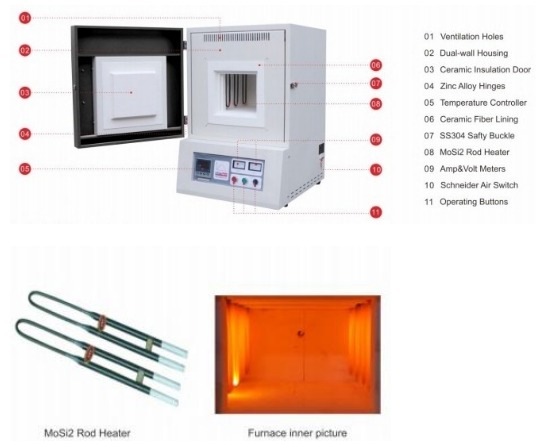
5. Hybrid Heating Approaches
Some manufacturers take one step further by looking into hybrid ways of heating. Using conventional resistance along with microwave or induction heating methods provides quicker heating rates. These methods are in the early stages of development and hold the promise of much shorter cycle times and additional ways to utilize muffle furnaces.

Applications of Rapid-heating Muffle Furnaces
Material Science and Metallurgy
When it comes to material science, rapid heating muffle furnaces are vital for sintering ceramics, composite development, and advanced alloy processing. They are also used for performing heat treatments in metallurgy during annealing, hardening, and tempering. Quick, controlled ramped temperatures improve the refined material properties. Rapid heating results in shorter cycle times and make these processes more effective for research and production settings.
Environmental and Analytical Testing
Environmental laboratories use muffle furnaces for ashing organic materials, which helps in assessing pollutant levels or measuring residue content. Rapid heating helps reduce the time needed during preparation, which streamlines the whole process. In chemical analysis, reaching a target temperature within a set timeframe improves sample prep for hazardous chemicals and refined the results to be quick and reliable.
Electronics and Semiconductor Industry
Thermal cycling and stress testing are vital in electronics and the semiconductor industry. With the construction of muffle and rapid reheating furnaces, these industries are able to reach extreme high temperatures and simulate extreme operating for rapid for their quality control and stress testing for printed circuit boards, substrates, microchips, and components to function reliably in extreme environments.
Quality Control and Industrial Testing
In industrial settings, rapid heating furnaces are used for the testing of materials’ durability and reliability. These furnaces allow for an increase in the number of tests performed because of their speed, thus improving the productivity of the tests without compromising accuracy. The furnaces assist the quality control for ceramics, polymers, and metals because the control departments are able to quickly respond to the needs of the production floor.
Research and Development
For research institutions, the flexibility of rapid heating furnaces is priceless. The rapid adjustment and control of the thermal cycles are greatly appreciated by the scientist working with new alloys, ceramics, and coatings. With rapid heating, scientists are able to perform thermal shock experiments to study the resilience of materials to sudden temperature changes which is critical for advanced materials for aerospace, energy, and defense.
Education and Training
Schools and universities use muffle furnaces with rapid heating technology in their teaching practices. Because of faster warm up times, more experiments can be performed in a given lab session. This provides students with more opportunities to learn. The rapid cycles also make it possible to demonstrate varying degrees of heating, which helps make abstract concepts more concrete in classrooms.

Challenges and Considerations for Rapid Heating in Muffle Furnaces
| Challenge / Consideration | Description | Impact on Operation |
| Thermal Stress on Samples | Brittle or delicate materials may crack under fast ramps | Limits types of samples that can be processed safely |
| Element Durability | Frequent rapid thermal cycling can shorten heating element lifespan | Increases maintenance and replacement costs |
| Temperature Uniformity | Rapid heating may create hotspots or uneven distribution | Affects consistency and reliability of test results |
| Energy Demand at Ramp-Up | High initial power consumption during fast heating stages | Requires robust electrical infrastructure |
| Cost of Advanced Materials | High-performance heating elements and insulation increase upfront investment | Raises initial purchase price of the furnace |
| Process Optimization | Requires precise programming of heating profiles to avoid damage | Demands skilled operators and advanced control systems |
Best Practices for Safe and Effective Rapid Heating in Muffle Furnaces
This chart provides best practices for rapid heating in muffle furnaces safely and effectively
| Best Practice | Description | Benefit |
| Careful Selection of Heating Profiles | Match heating ramps to sample tolerance, using gradual or staged heating when needed | Prevents cracking, warping, or damage to sensitive materials |
| Monitoring Temperature Uniformity | Use multi-zone control, calibrated thermocouples, and proper chamber loading | Ensures consistent results and minimizes hotspots |
| Protecting Heating Elements and Insulation | Avoid unnecessary rapid cycles, inspect regularly for wear or cracks | Extends furnace lifespan and reduces downtime |
| Proper Sample Placement | Keep samples away from heating elements, use crucibles or trays | Prevents localized overheating and contamination |
| Energy and Power Management | Ensure adequate electrical capacity and use energy-efficient controls | Maintains stability while reducing operating costs |
| Regular Maintenance and Calibration | Clean chamber, check seals, and calibrate sensors on schedule | Improves safety, accuracy, and reliability |
| Training and Operator Awareness | Educate staff on programming, handling, and safety procedures | Reduces operational risks and improves user confidence |

Final Thoughts
In laboratories and industries, rapid-heating muffle furnaces are a modern development in heating technology. These furnaces greatly assist value-added processes in research, quality control and production by reducing lengthy heating processes, improving energy efficiency and advanced study of materials.
Related Products Recommendation
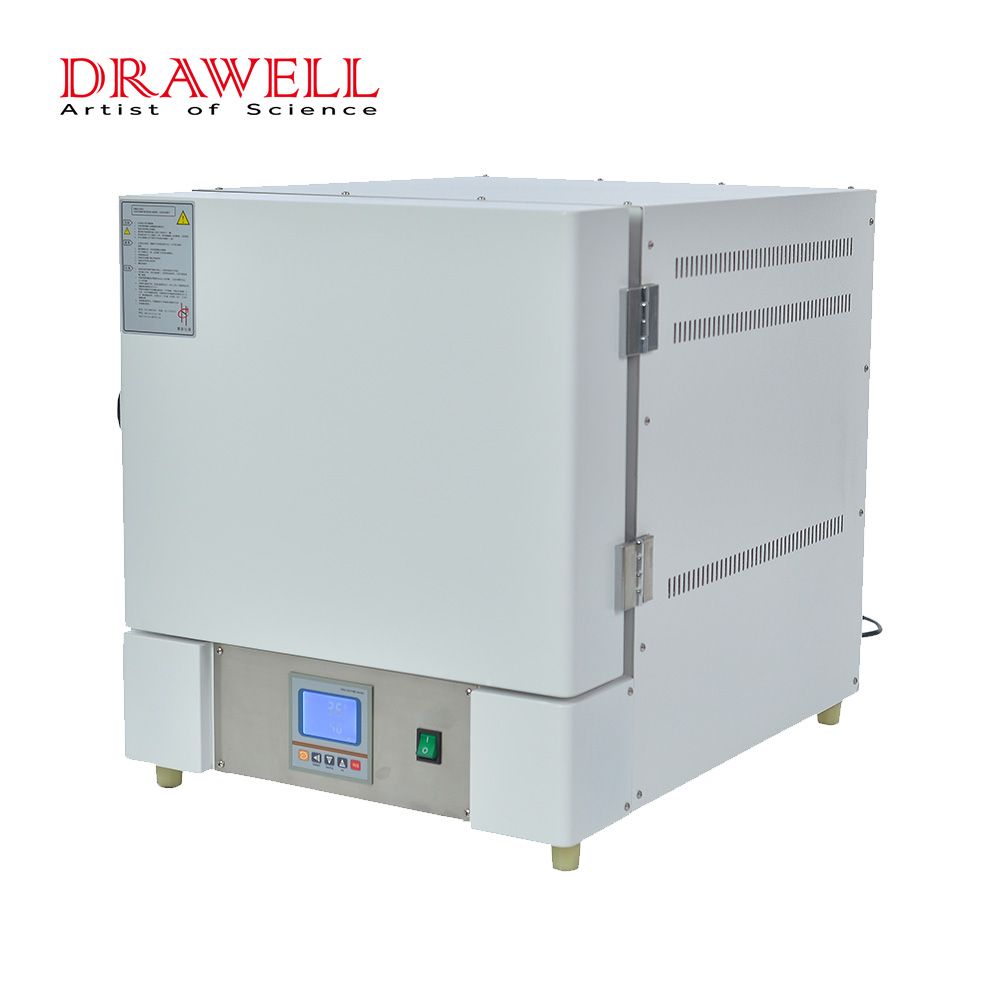
Get Quote Here!
Latest Posts



What Next?
For more information, or to arrange an equipment demonstration, please visit our dedicated Product Homepage or contact one of our Product Managers.


