


Precise temperature control is a foundational requirement in modern biotech and pharmaceutical laboratories. From enzyme activity studies to drug stability testing, even small temperature deviations can affect reaction kinetics, sample integrity, and data reproducibility. Traditional constant-temperature water baths are limited to operating ranges above room temperature, while refrigerated constant-temperature baths, with their wide temperature range (from -40°C to over 200°C) and temperature stability of ±0.1°C or even better, have become indispensable tools in many critical experimental procedures.
This article explores how refrigerated thermostatic baths are used in real laboratory settings across the biotech and pharmaceutical workflow, covering key stages from basic research to quality control.
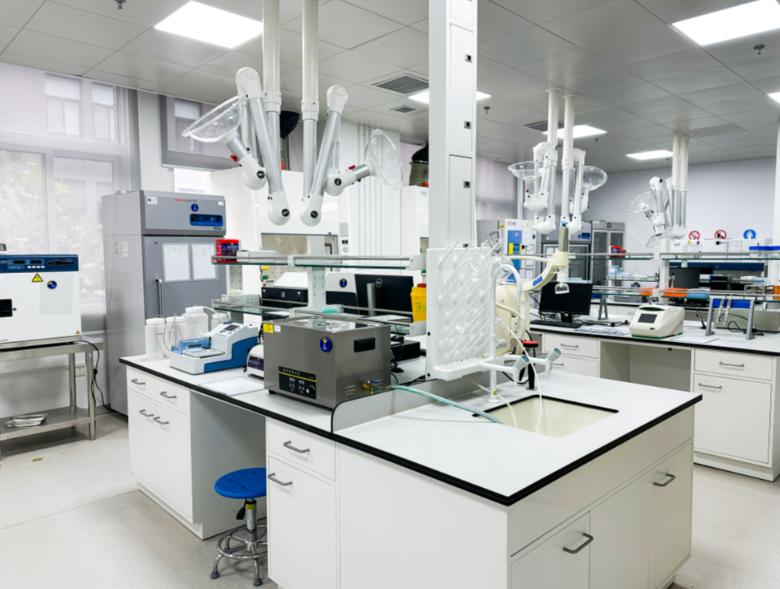
Why Low-Temperature Control Is Critical in Biopharmaceutical Laboratories
In the biopharmaceutical field, many key substances and reaction processes are highly sensitive to temperature. Temperature is not just an experimental parameter—it is a determining factor that influences molecular structure, reaction kinetics, and ultimately experimental outcomes.
The core needs for low-temperature control in biopharmaceutical laboratories can be summarized in three main aspects:
- Preserving biological activity: The three-dimensional structures of proteins, enzymes, antibodies, vaccines, and other biomolecules are essential to their function. Inappropriate temperatures can disrupt these structures, leading to denaturation, aggregation, or degradation. Once biological activity is compromised, experiments may fail and products may lose efficacy.
- Controlling reaction kinetics: Many biochemical reactions—such as enzymatic digestion, PCR preparation steps, and ligation reactions—must be performed at specific temperatures to control reaction rate and specificity. Low temperatures are often used to quench or temporarily pause reactions, providing precise time windows between experimental steps.
- Ensuring sample stability: From tissue samples to pharmaceutical intermediates, many materials remain chemically and physically stable only at low temperatures. Proper cooling helps preserve sample integrity, ensuring accurate, reproducible analytical results.
Compared with conventional water baths that only provide heating, or dry baths designed for small-volume samples, refrigerated thermostatic baths offer a much wider temperature control range and are better suited for processing larger batches of samples. As a result, they effectively address the core challenges of low-temperature experimentation in biopharmaceutical laboratories.
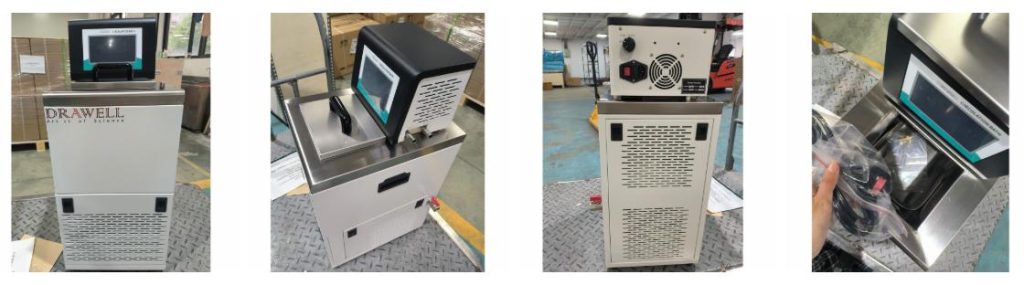
Biotech Frontiers: From Protein Stability to DNA Preparation
Biotech laboratories work with materials that are highly sensitive to temperature variation. In this context, refrigerated thermostatic baths function as both reaction environments and sample protection tools.
Enzyme Reactions and Protein Studies
Enzymes and proteins operate within narrow temperature ranges. Even a few degrees of fluctuation can change reaction speed or lead to irreversible denaturation.
Refrigerated thermostatic baths are commonly used to:
- Maintain constant low temperatures during kinetic studies
- Slow enzymatic reactions for better observation and control
- Provide repeatable conditions for comparative experiments
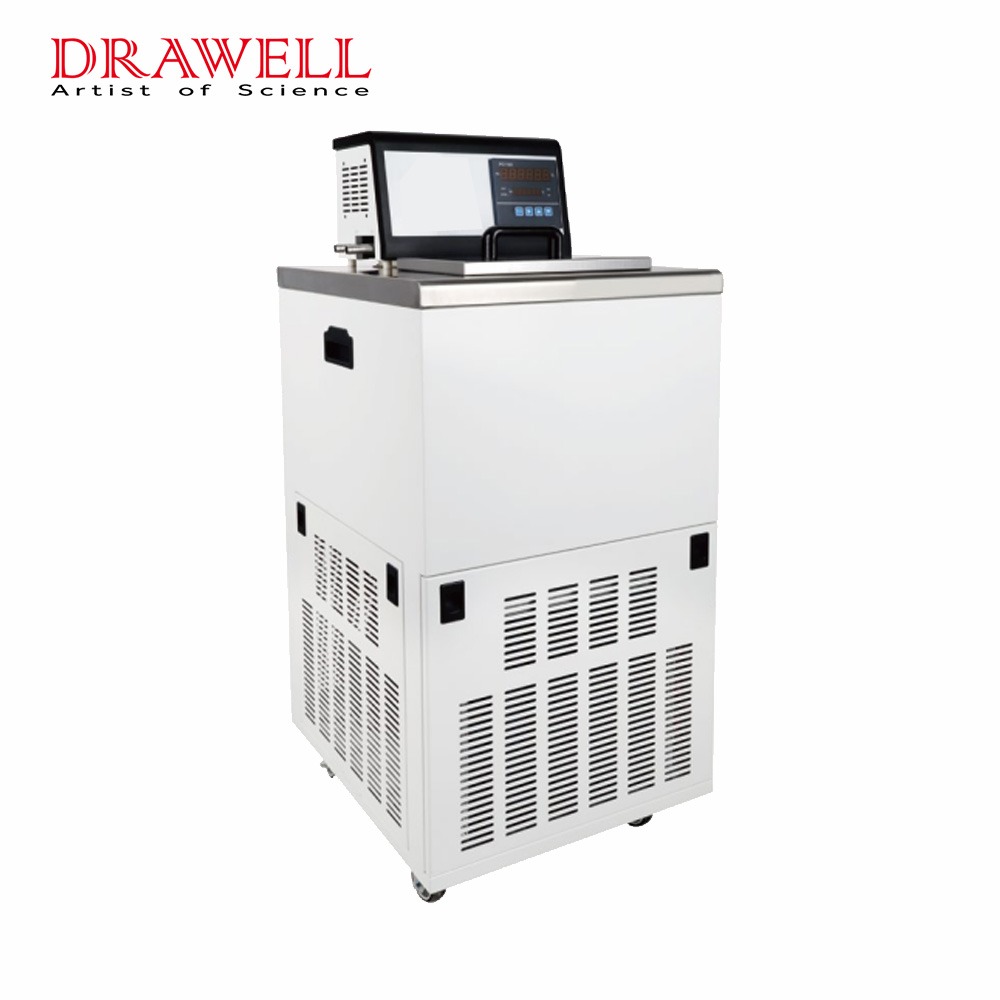
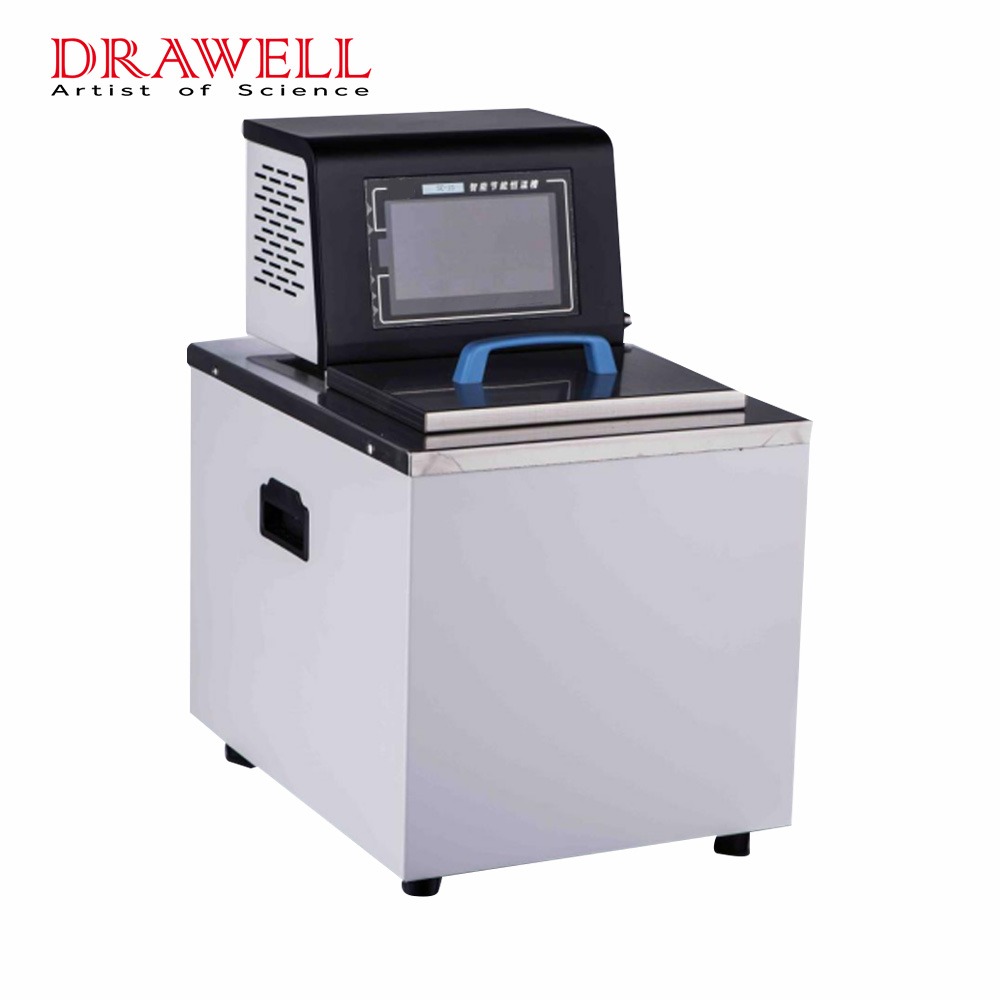
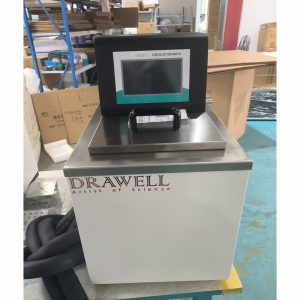
For example, enzyme assays performed at 4 °C or 10 °C often rely on high-precision refrigerated baths to keep temperature drift below ±0.1 °C. For this type of application, systems like the Drawell High-Precision Refrigerated Thermostat Bath (GDH/GH series) are suitable due to their stability and uniform circulation.
Cell and Tissue Sample Conditioning
Cell and tissue samples are often conditioned at low temperatures before analysis, transport, or further processing. The goal is not long-term storage, but short-term stabilization.
Typical uses include:
- Cooling samples prior to downstream processing
- Preventing metabolic activity during handling
- Reducing thermal stress during protocol transitions
A low temperature thermostatic bath offers more uniform and predictable conditions than ice baths, which can vary widely in temperature and introduce contamination risks.
DNA / RNA Sample Preparation
DNA and RNA are particularly vulnerable to degradation at higher temperatures. During extraction, purification, or enzymatic treatment, low-temperature control helps preserve sample integrity.
Refrigerated thermostatic baths are used to:
- Maintain reaction buffers at defined low temperatures
- Reduce nuclease activity during preparation
- Support reproducible molecular biology workflows
In these workflows, temperature consistency is more important than extreme cooling. A stable low temperature bath operating slightly below ambient can significantly improve repeatability and sample quality.
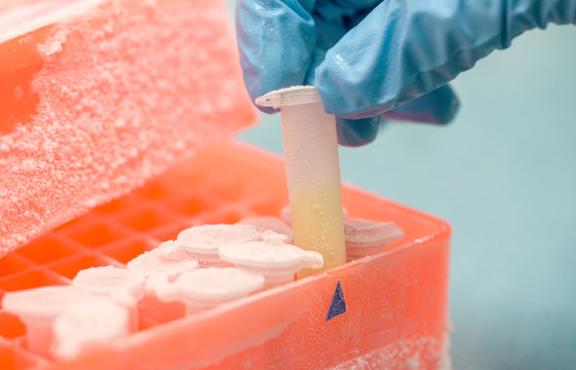
Pharma Excellence: Ensuring Quality through Rigorous Stability Testing
In pharmaceutical labs, temperature control is closely linked to quality control, validation, and regulatory compliance. Refrigerated thermostatic baths often serve both analytical and support roles.
Quality Control and Analytical Testing
Many analytical tests depend on temperature-controlled conditions, including:
- HPLC column conditioning
- Dissolution testing preparation
- Viscosity and density measurements
- Sensor and probe calibration
In these cases, a low temperature calibration bath ensures that instruments are tested under known and repeatable thermal conditions.
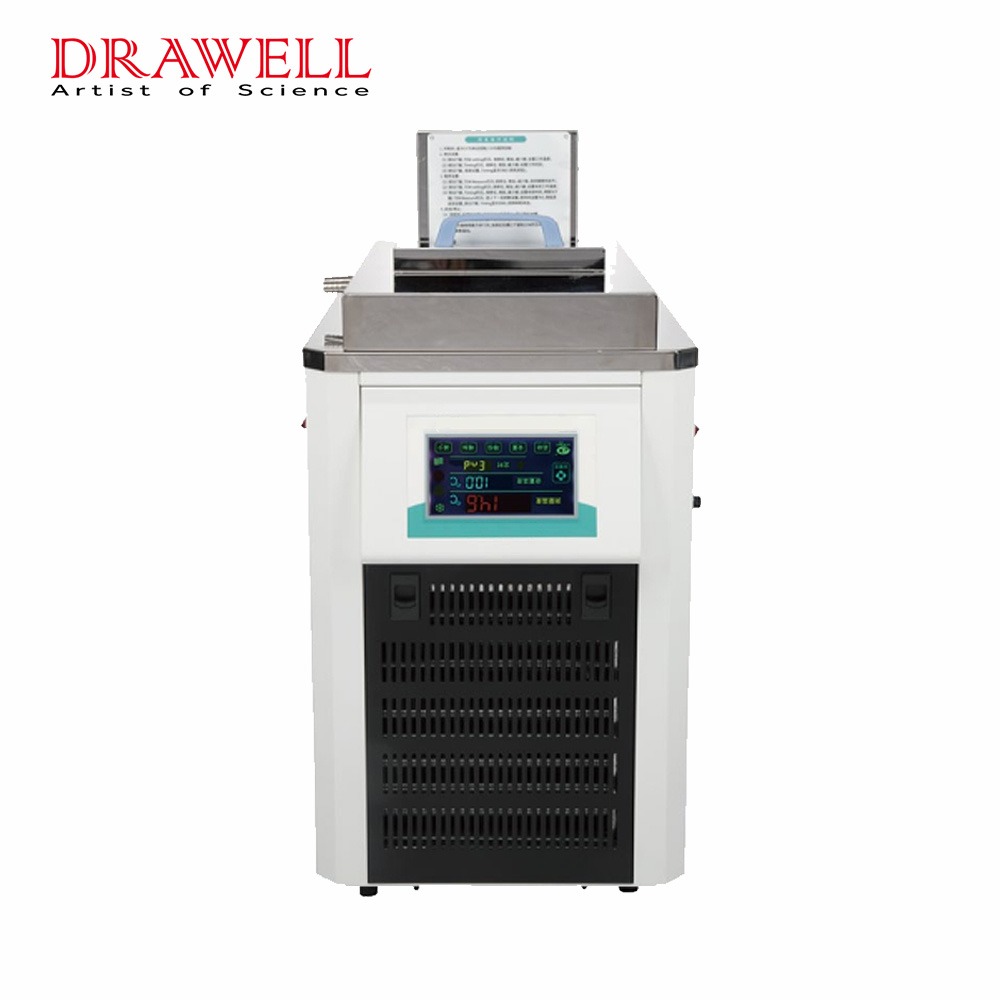
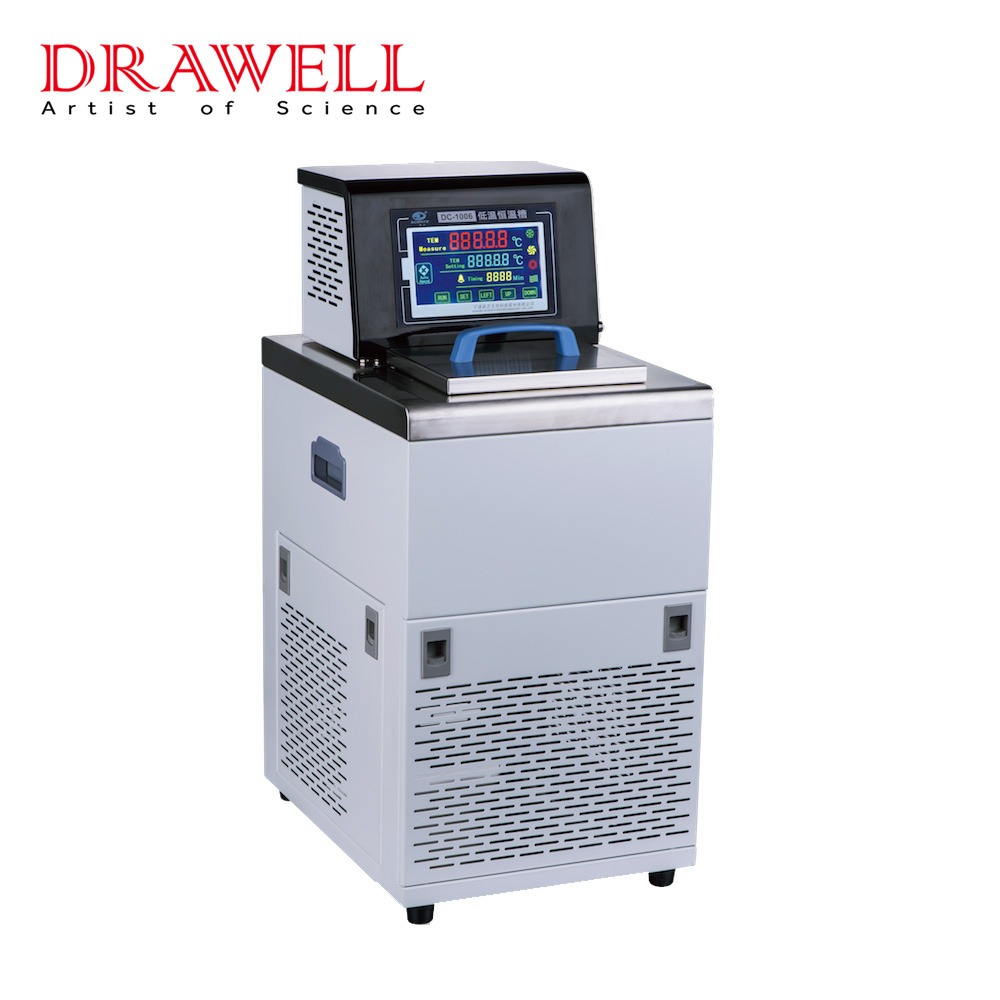
For QC environments, Drawell’s DC and DCW Series Refrigerated Thermostatic Baths and Heating Circulators are commonly matched to calibration and analytical support tasks due to their wide temperature range and circulation capability.
Accurate temperature control at this stage helps reduce measurement uncertainty and supports audit readiness.
Stability Testing of Drug Formulations
Drug stability studies often require exposure to controlled temperature conditions to evaluate physical and chemical changes over time.
Refrigerated thermostatic baths are used to:
- Simulate low-temperature storage conditions
- Study precipitation, crystallization, or viscosity changes
- Support early-stage formulation screening
While full stability chambers are used for long-term studies, low temperature water baths and refrigerated baths are practical tools for short-term or developmental testing.
API and Raw Material Conditioning
Before processing or testing, active pharmaceutical ingredients (APIs) and raw materials may need temperature conditioning to ensure consistency.
Common reasons include:
- Preventing premature reactions
- Controlling viscosity or solubility
- Standardizing test starting conditions
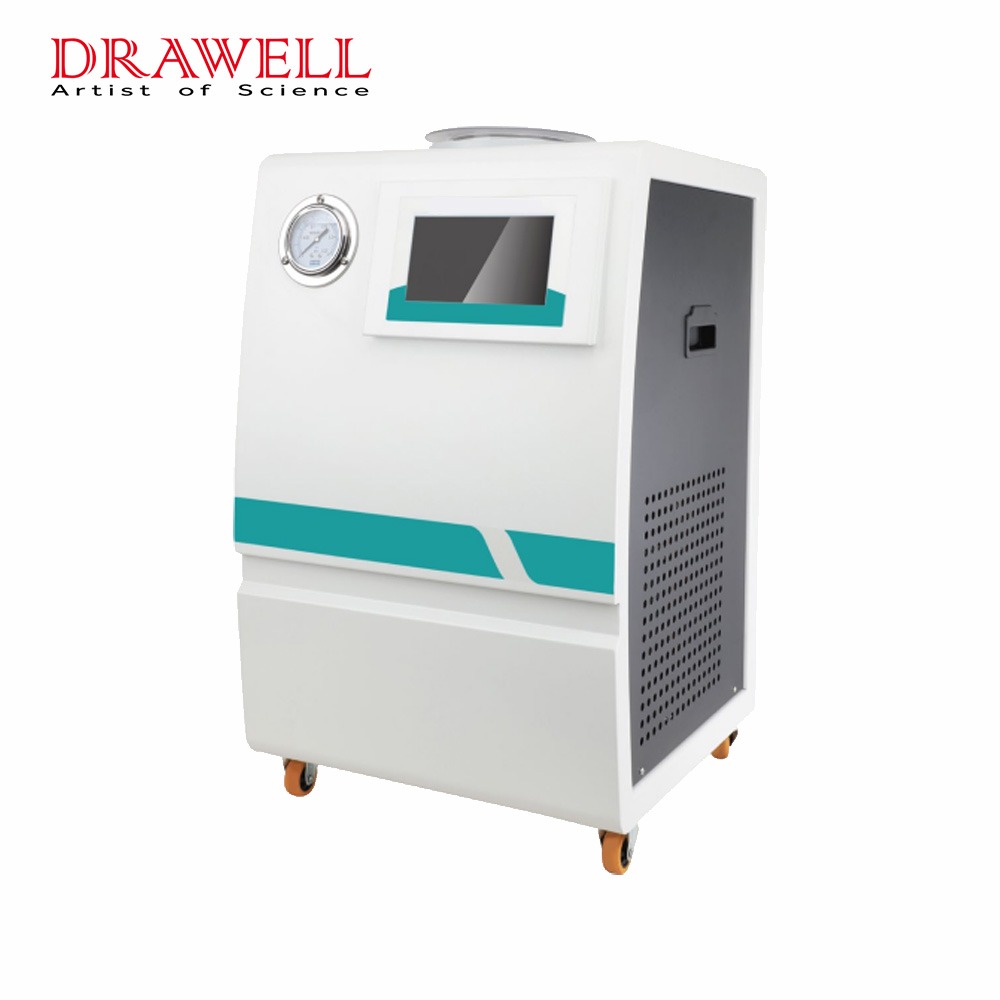
For applications requiring fast cooling and circulation, systems such as the Drawell CK Series Rapid Low-Temperature Cooling Circulating Bath or DLK Series Low-Temperature Cooling Machine are often selected.
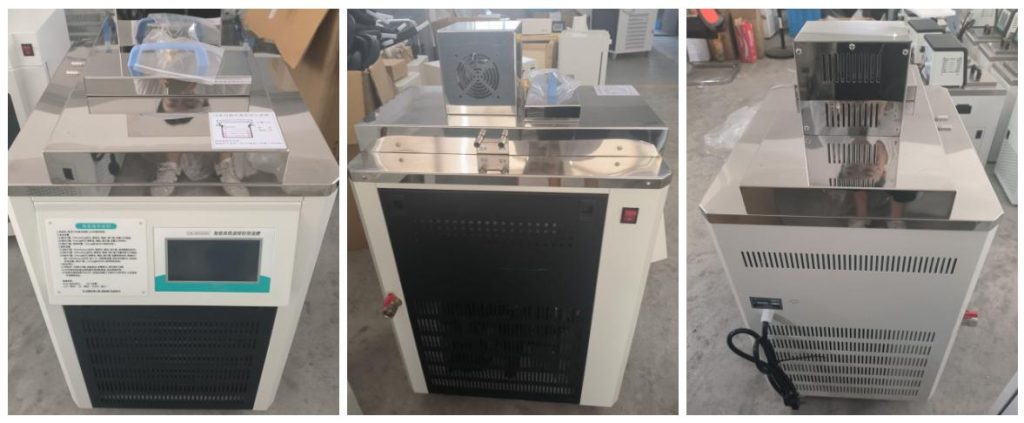
How to Select the Ideal Thermostatic Bath for Your Research
Selecting the right system depends on application requirements rather than a single specification. Key factors to evaluate include:
- Temperature range and accuracy
- Bath volume and working space
- Internal vs. external circulation needs
- Control interface and safety features
- Supplier support and documentation
Working with an experienced thermostatic bath manufacturer and supplier helps ensure the equipment matches both technical and regulatory needs.
Drawell – A Reliable Low-Temperature Control Equipment Supplier
In biotech and pharmaceutical laboratories, refrigerated thermostatic baths are not optional accessories—they are essential tools for ensuring accuracy, reproducibility, and compliance. From enzyme studies to drug formulation testing, stable low-temperature control protects both samples and data integrity.
As a specialized thermostatic bath supplier, Drawell provides a wide range of low temperature thermostatic baths, calibration baths, and circulating systems designed for laboratory use. By selecting application-matched equipment from a reliable manufacturer, laboratories can improve workflow efficiency and long-term experimental reliability.
→Explore Drawell’s refrigerated thermostatic bath solutions to find the right system for your biotech or pharmaceutical laboratory.
Related Products Recommendation
Get Quote Here!
Latest Posts
What Next?
For more information, or to arrange an equipment demonstration, please visit our dedicated Product Homepage or contact one of our Product Managers.


