


You set your thermostatic water bath to the correct temperature, wait for the display to tell you it’s reached it and figure you’re good to go. But results come back inconsistent—you don’t know why. The problem in many situations is with uneven heat distribution inside the tank, which is easy to detect because the display seems absolutely normal.
In this guide, we review the 7 common reasons for non-uniform water bath temperature and a simple step-by-step strategy to assist you in tracking down the culprit.

1. Poor Water Circulation
Heat distribution inside a water bath depends on water movement. When the pump or stirrer is blocked by mineral scale, or when ports inside the tank are partially obstructed, warm water stays near the heater while other areas stay cool. If the circulation system isn’t running properly, water bath temperature uniformity across the tank will suffer.
2. The Water Level Is Too Low
If the water level drops below the minimum, portion of the heating element is exposed to the air causing hot spots near the element and cooled areas further away. Water evaporates during use, so check the water level at the start of each run and top it up if needed.
3. Samples Are Too Close Together
When the containers are close together, water can not move between them. This causes little pockets of temperature variation in other parts of the bath. Allowing space between your samples and away from the tank sides allows water to move more easily and helps to equal out the temperature.
4. The Bath Has Not Reached a Stable Temperature
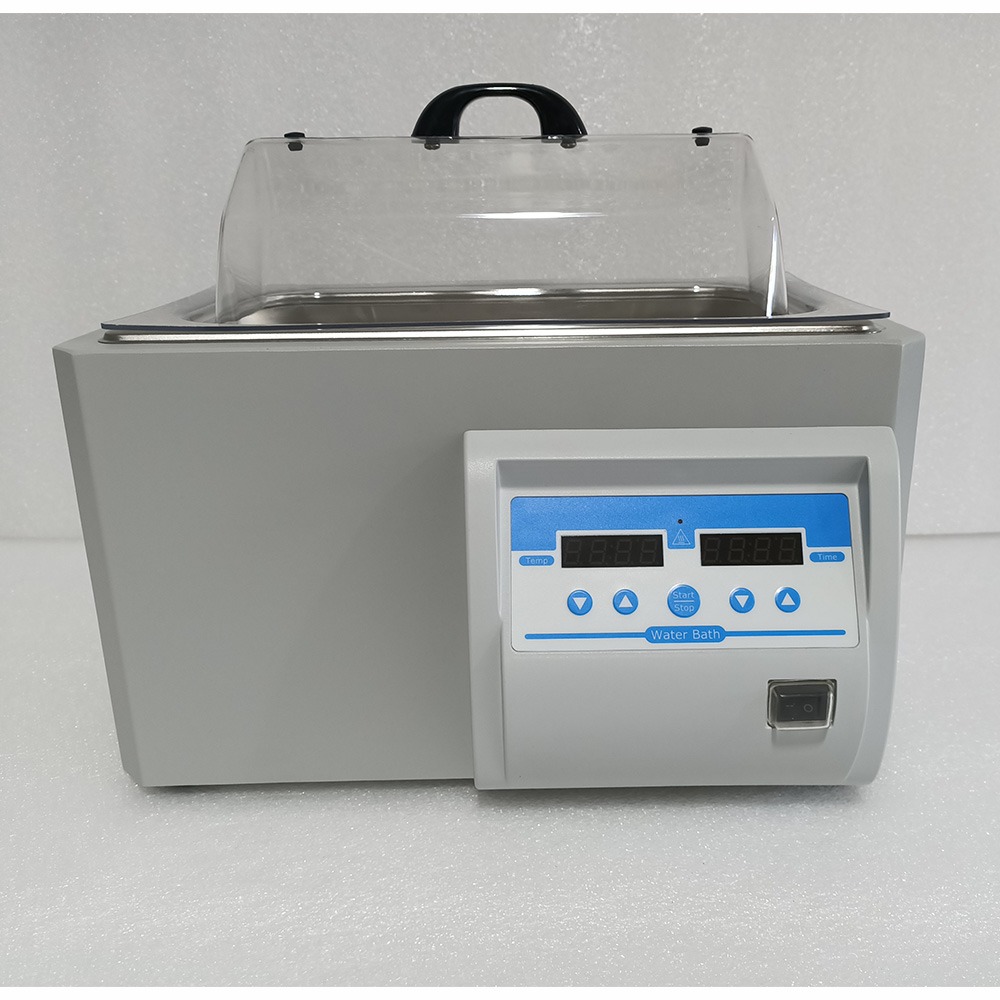
Allow the bath enough time to reach a stable temperature before loading samples. The display may reach the set point quickly, but the water throughout the tank may still be catching up. Loading samples too early can lead to inconsistent results.
5. The Temperature Reading May Be Misleading
The number on your display comes from one fixed sensor at one location. It doesn’t tell you what the water bath temperature is at your sample position, and the two can differ more than you’d expect.
If you’re not sure whether the readings are accurate, a few targeted checks can help:
| Check | What It Tells You |
| Probe position | Whether the reading represents the actual bath temperature |
| Probe depth | Whether the probe is properly immersed |
| Measurement point | Whether temperature varies across the bath |
| Thermometer accuracy | Whether the measurement itself is reliable |
Using a calibrated external thermometer to measure at several points—center, corners, and near your samples—gives you a clearer picture of what’s actually happening inside the bath.
6. The Surrounding Environment Affects the Bath
Temperature fluctuations within the tank can exist due to cold air from an air conditioning vent, sunshine from a nearby window, or heat from surrounding equipment. These outside factors are easy to discount yet they can have a considerable effect on water bath temperature stability especially in longer runs. Often, moving the bath out of direct airflow and away from heat sources will help without any changes to the unit itself.
7. The Bath Needs Cleaning, Maintenance, or Calibration
Over time, limescale can build up on the heating element and tank walls which reduces the heating performance. The temperature that is presented is not the temperature of the water, because sensors might drift over time. If you notice it takes longer to warm up, you see deposits building up in the tank or your temperature readings seem more irregular than they used to be, it could be time to clean, check or recalibrate.
How to Find the Cause Step by Step
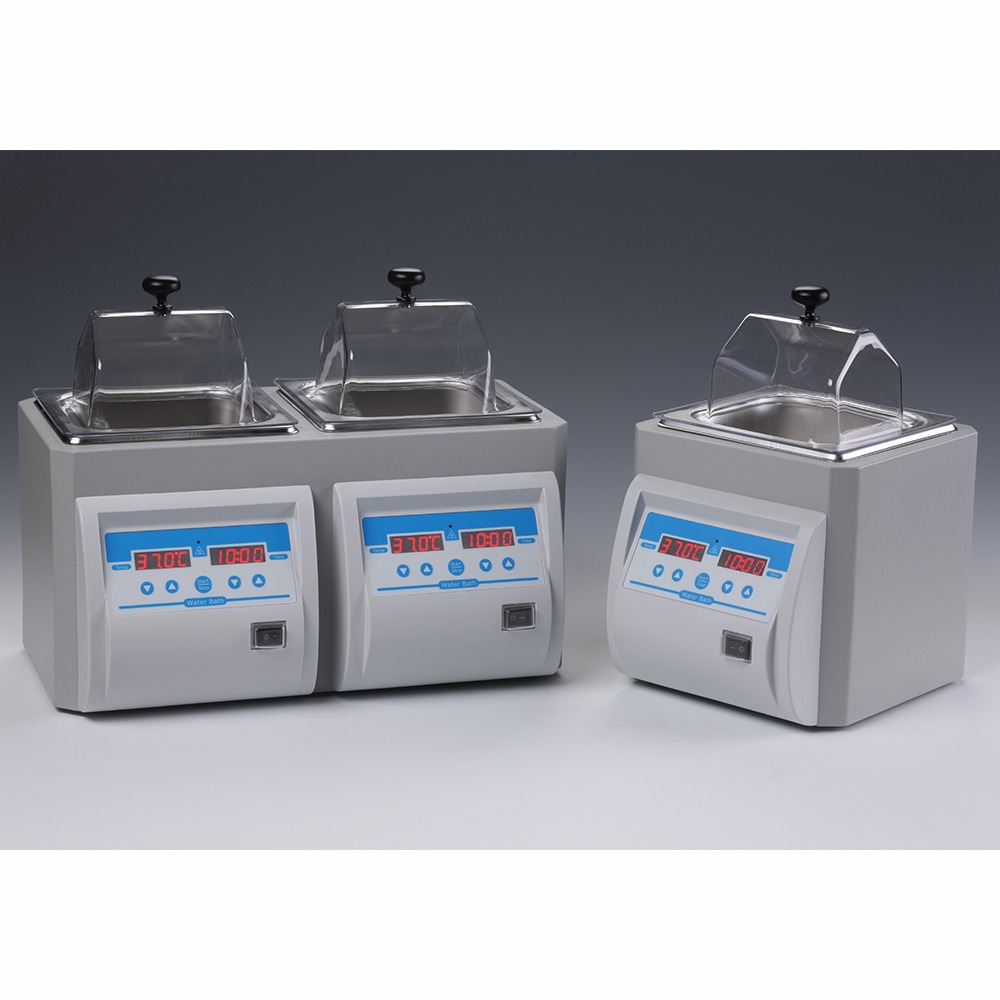
If you don’t know where to start and your water bath temperature is uneven, run through these checks in order:
1. Check the water level. Make sure it’s within the recommended range.
2. Check sample placement. Space out containers so water can flow between them.
3. Allow the bath to stabilize. Allow water to reach a stable temperature before loading samples. If the manufacturer specifies a warm-up period, allow for this.
4. Measure temperature at different points. Use a calibrated external thermometer to compare readings at the center, corners, and near your samples.
5. Check the environment and equipment. Look for adjacent drafts, heat sources or signs of scale inside the tank. If the sensor could have strayed, try having the machine re-calibrated.
Uneven water bath temperature is rarely a mystery once you know what to look for. Most causes are practical and fixable—a low water level, crowded samples, an unstabilized bath, or overdue maintenance can all shift temperature more than expected.
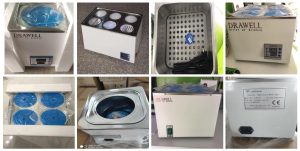
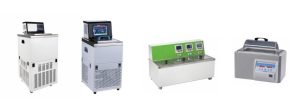
If frequent issues suggest a problem with the equipment itself, it may be worth rethinking the unit. Drawell offers a range of thermostatic water baths designed for stable, uniform performance. Contact us for a free quote.
Get Quote Here!
Latest Posts

What Next?
For more information, or to arrange an equipment demonstration, please visit our dedicated Product Homepage or contact one of our Product Managers.


