


Laboratory Incubators and Ovens
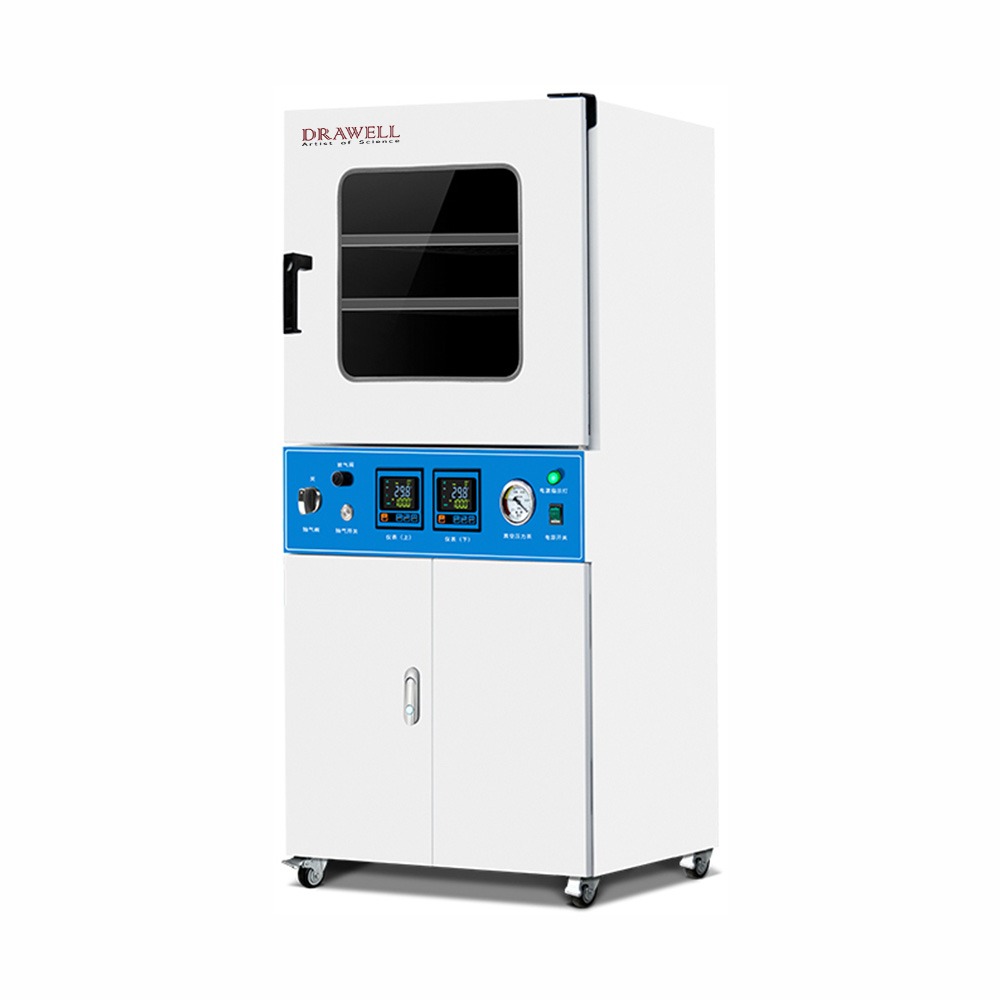
How to Choose a Suitable Vacuum Drying Oven
A vacuum drying oven gets used for drying heat-sensitive materials, so removing moisture, solvents, and other volatile substances under reduced pressure, which is one of those essential pieces of laboratory and industrial equipment. Compared to conventional drying ovens, a vacuum drying oven often achieves efficient drying at lower temperatures, which helps protect delicate samples from oxidation, degradation,…
How to Choose the Right High-precision Instrument for Analytical Chemistry Labs
Choosing high-precision instruments really is like a foundational call in modern labs. In analytical chemistry labs, the end quality of results comes down a lot to whether the equipment fits the analytical aims, the kinds of samples, and the regulatory expectations. If you go in with a good selection process, accuracy tends to climb, the…
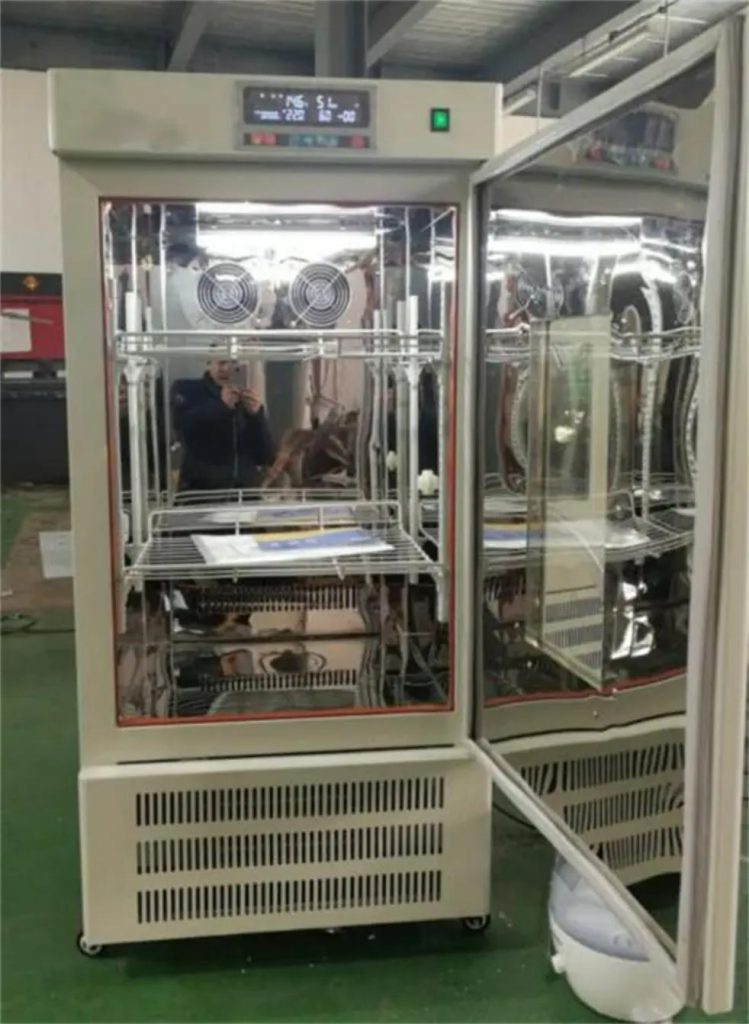
6 Common Illumination Incubator Problems and How to Fix Them
You set up your illumination incubator, dialed in the parameters, and walked away expecting perfect conditions. A few hours later, you come back — and nothing looks right. Maybe the temperature won‘t stabilize. Maybe the lights aren’t turning on. Or worse, you open the door and see condensation dripping onto your precious samples. Don‘t worry…
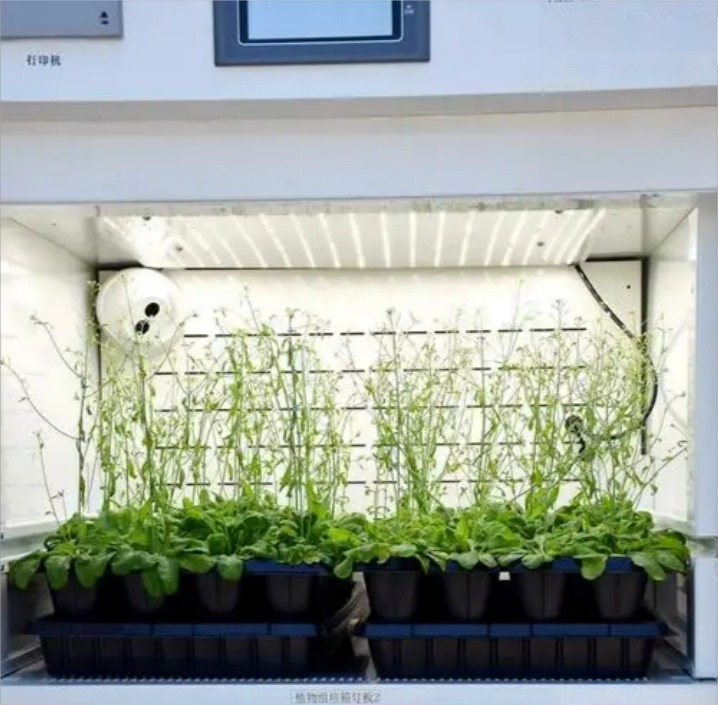
From Seed to Flower: Choosing the Right Environmental Chamber
Let’s be honest for a moment: many plant researchers buy a growth chamber and hope it can do it all. Seeds? Yes. Seedlings? Probably. Flowering? Maybe. But the reality is more complicated. A seed sitting in high humidity doesn‘t care about CO₂ enrichment, and a flowering plant demanding intense light won’t appreciate the same gentle…
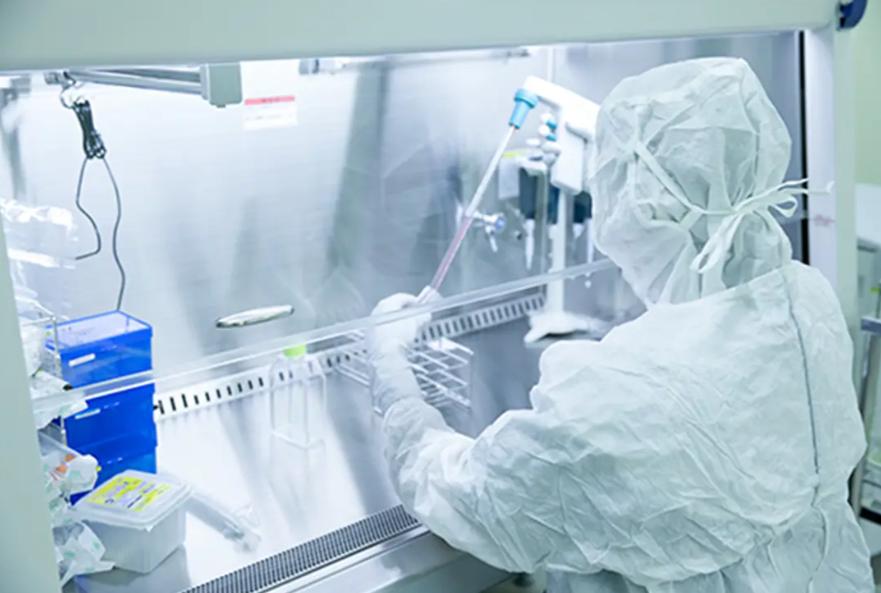
7 Key Factors to Consider Before Buying a Bacteria Incubator
Choosing the right bacteria incubator isn’t just another equipment purchase—it’s an investment in the reliability of your research outcomes. A bacteria incubator may look simple from the outside, but inside it determines whether your cultures grow consistently—or whether you spend weeks troubleshooting uneven results, contamination, or temperature drift. Before investing in a new bacterial culture incubator,…
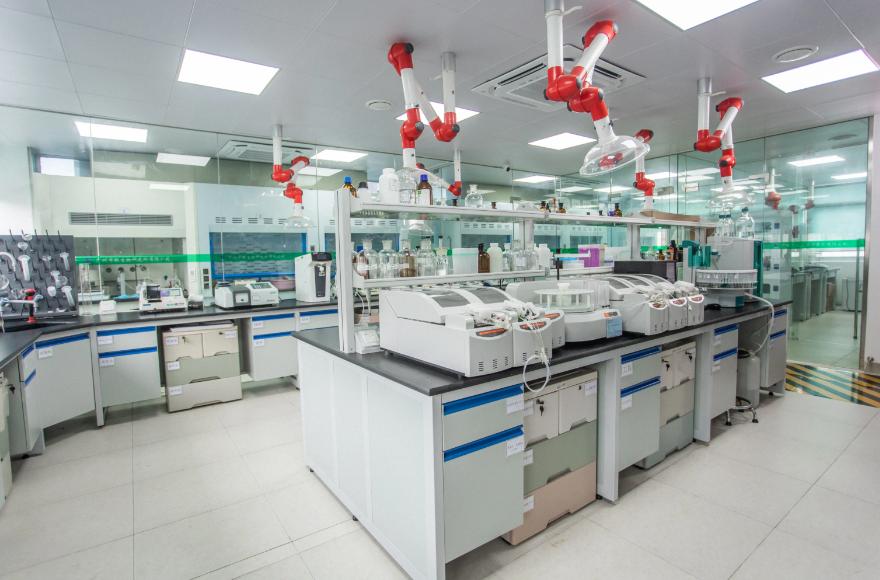
How to Equip a Microbiology Laboratory: From Incubators to Safety Cabinets
Setting up or upgrading a microbiology lab can feel like solving a complex puzzle. Space, budget, workflow, safety, and future needs—all these pieces must fit together seamlessly. A well-designed lab with the right equipment isn’t just about getting results; it’s about achieving them efficiently, safely, and reliably. Whether you’re building a new QC lab for…
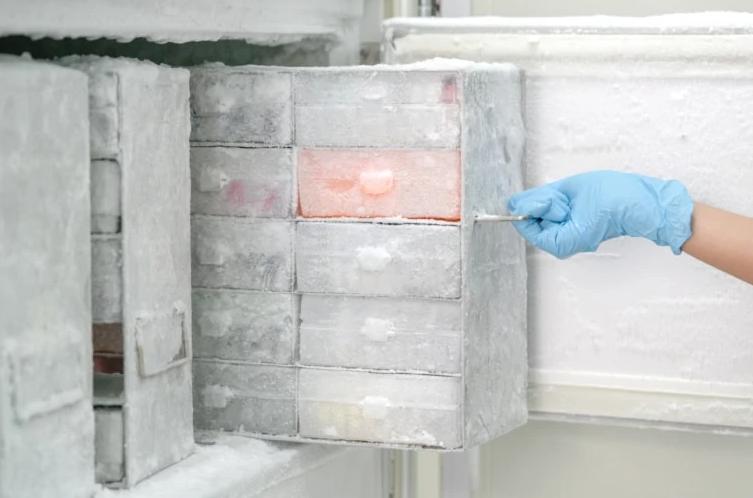
Choosing the Right Constant Temperature Solution for Your Lab
In modern laboratories, temperature control is no longer a simple supporting function. It directly affects data accuracy, experiment repeatability, and even regulatory compliance. As laboratories become more specialized while also handling increasingly diverse workflows, one key question often arises during equipment selection: should you prioritize precision, or is versatility the smarter choice? From Drawell’s experience supplying…
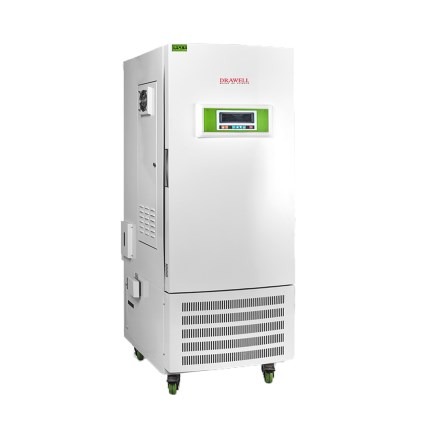
High-speed Temperature Cycling in Climate Chambers: What You Need to Know
Having the right climate chambers to test product endurance, performance, and reliability, is crucial to modern technology advancement. However, due to the advancement of technology, climate chambers and their functions, have developed over time. One of the most important advancements made to climate chambers is the ability to perform high-speed temperature cycling. This advancement allows for…
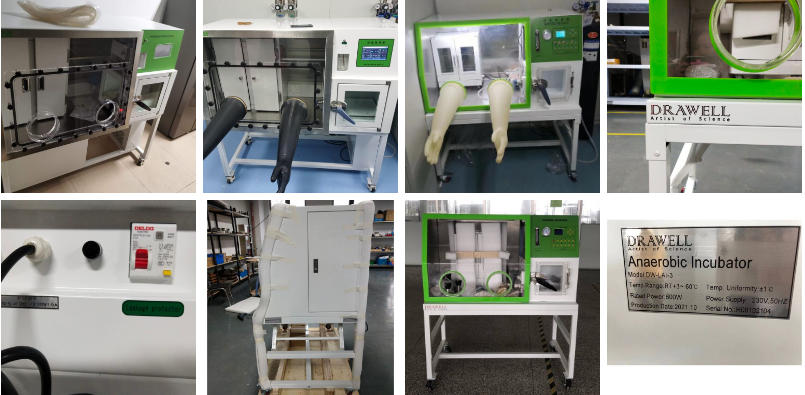
How to Ensure Humidity Stability in Anaerobic Incubators
Ensuring stable environments is essential for several microbiological and biochemical practices, including cultivating anaerobic organisms in anaerobic incubators. Of several factors that affect the growth and wellbeing of anaerobic microorganisms, the humidity stability is of utmost importance. Hence, it is important that the humidity is stable in anaerobic incubators to allow for optimal conditions to be…
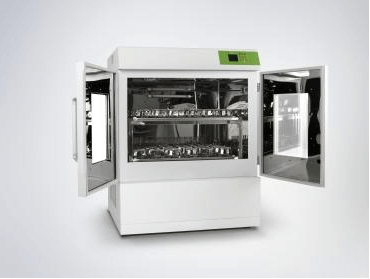
Orbital vs. Reciprocating Shaking Incubators: Choosing the Right Motion for Your Lab Applications
Inordained laboratories, shaking incubators are versatile tools which integrate temperature control, agitation and incubation provide the conditions for optimum growth of microorganisms, and host cell cultures, and for the performance of some chemical reactions. Of the many types, orbital and reciprocating shaking incubators are the most predominant types. Each of the shaking incubator is developed to meet…
Browse by category:


