


In modern laboratories, temperature control is no longer a simple supporting function. It directly affects data accuracy, experiment repeatability, and even regulatory compliance. As laboratories become more specialized while also handling increasingly diverse workflows, one key question often arises during equipment selection: should you prioritize precision, or is versatility the smarter choice?
From Drawell’s experience supplying constant temperature equipment to pharmaceutical, biotech, chemical, and academic laboratories worldwide, the answer is rarely one-size-fits-all. This article explores how to balance precision and versatility when choosing the right constant temperature solution for your lab.
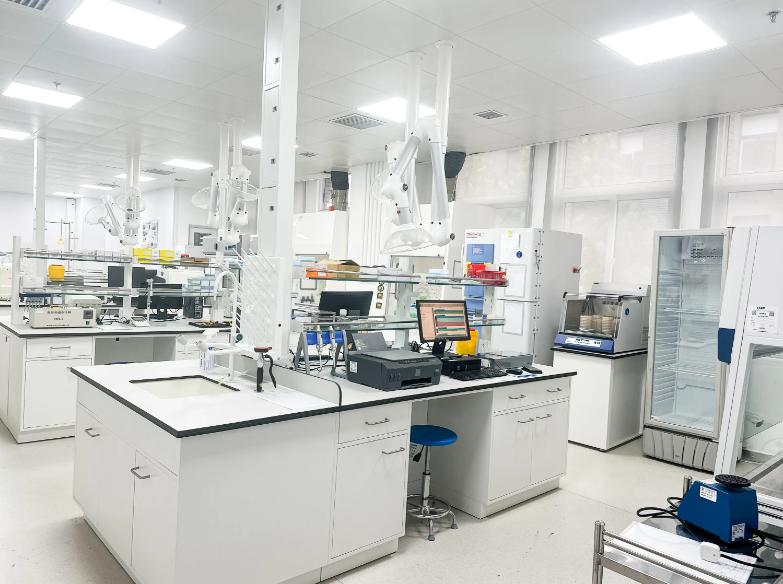
Understanding Precision and Versatility in Constant Temperature Solution
“Precision” in Constant Temperature Control
Precision in constant temperature equipment goes beyond a single number on a specification sheet. While many users focus on control accuracy (for example, ±0.1 °C), true precision is the result of several interrelated factors working together.
First, temperature stability determines how much the temperature fluctuates over time. Even if a system reaches the target temperature quickly, frequent micro-fluctuations can compromise sensitive experiments. Second, temperature uniformity reflects how evenly heat is distributed across the chamber or bath. Poor uniformity means samples at different positions may experience different conditions, which directly affects reproducibility.
In high-precision constant temperature chambers or water baths, these factors are supported by reliable sensors, optimized circulation systems, and stable control algorithms. For example, laboratory-grade constant temperature water baths often use forced liquid circulation to ensure consistent heat distribution across the bath.
Precision-focused equipment is essential where small temperature deviations can lead to meaningful changes in results. However, higher precision usually comes with higher cost, stricter maintenance requirements, and a more specialized application scope.
In short, precision is about control accuracy, stability, and uniformity working together—not just hitting a setpoint.
“ Versatility” in Modern Constant Temperature Equipment
Versatility refers to how well a piece of equipment adapts to different experimental needs, workflows, and sample types. In many laboratories, especially those running multiple projects simultaneously, flexibility can be just as valuable as extreme precision.
Versatile constant temperature equipment typically offers:
- A wide temperature range suitable for multiple applications
- Compatibility with different sample containers or vessels
- Multiple operating modes (dry heating, liquid heating, or combined functions)
For instance, a constant temperature bath for laboratory use may support chemical reactions, sample warming, and material testing within the same system. Similarly, a constant temperature and humidity chamber can be used for stability testing, environmental simulation, and product aging studies.
Versatility helps laboratories reduce equipment redundancy, save bench space, and adapt to changing research demands without frequent reinvestment. However, highly versatile systems may not always match the extreme precision of single-purpose instruments.
In practice: versatility is about covering more applications efficiently, even if absolute precision is slightly lower than specialized equipment.
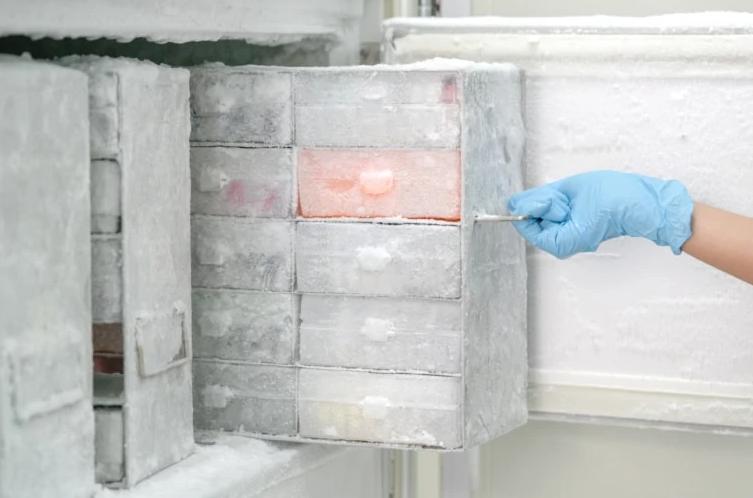
Precision-Driven Applications: When Accuracy Is Non-Negotiable
In precision-driven laboratory environments, temperature is a controlled variable that directly affects data validity and regulatory compliance. These applications typically involve sensitive biological, chemical, or pharmaceutical processes where even minor temperature deviations can lead to unreliable results. For such scenarios, laboratories rely on specialized constant temperature equipment designed to deliver exceptional stability and uniformity over extended operating periods.
Rather than seeking flexibility, these labs focus on repeatability, traceability, and control accuracy, often within narrowly defined temperature ranges.
Common Precision-Driven Applications and Suitable Temperature Control Solutions
| Application Scenario | Commonly Used Equipment Types | Why This Solution Is Suitable |
| Pharmaceutical stability testing | Constant temperature and humidity chamber, Constant climate chamber | Provides long-term, stable control of both temperature and humidity, supporting ICH stability studies and regulatory compliance. |
| Cell culture and microbiology | Constant temperature incubator, CO₂ incubator (when required) | Ensures consistent thermal conditions critical for cell growth, enzyme activity, and reproducibility of biological experiments. |
| Enzyme reactions and biochemical assays | High-precision constant temperature water bath | Liquid-based heat transfer offers excellent temperature uniformity, minimizing gradients that could affect reaction kinetics. |
| Calibration and reference testing | Thermostatic bath circulator with external vessel | Enables precise temperature control of calibration media, supporting validation of sensors and analytical instruments. |
| Material and component testing | Constant temperature chamber | Maintains stable thermal conditions for performance testing under controlled environments. |
In these applications, laboratories typically accept higher equipment specialization and cost in exchange for confidence in results. Precision-oriented constant temperature chambers, incubators, and water baths are therefore viewed as core infrastructure, rather than optional tools.
While precision is essential in these controlled environments, many laboratories face a very different reality—one where workloads change frequently and adaptability becomes the priority.
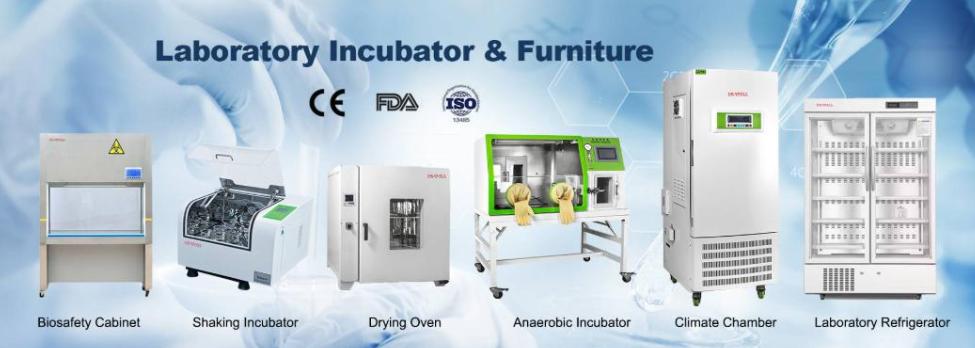
Versatility-Focused Labs: When Flexibility Matters More
Versatility-focused laboratories operate under dynamic conditions. Research priorities shift, sample types vary, and equipment is often shared across multiple projects or teams. In these settings, constant temperature equipment must support a broad range of applications without complex configuration or frequent recalibration.
Rather than optimizing for a single task, versatile systems are selected for their ability to deliver reliable temperature control across multiple workflows, helping laboratories maximize both space and budget efficiency.
Versatile Laboratory Applications and Common Temperature Control Solutions
| Application Scenario | Commonly Used Equipment Types | Why This Solution Is Suitable |
| General sample preparation | Constant temperature water bath, Dry bath heater | Supports different vessel formats and temperature ranges, making it suitable for routine laboratory tasks. |
| Small-volume and tube-based heating | Dry bath (block heater) | Eliminates liquid handling, offers fast heating, and allows quick block changes for different tube sizes. |
| Heating with simultaneous mixing | Magnetic hotplate stirrer | Combines controlled heating with stirring, improving efficiency for solution preparation and chemical reactions. |
| Teaching and academic labs | Constant temperature drying oven | Simple operation and robust design support a wide range of instructional and routine applications. |
| Multi-project R&D environments | Multi-purpose constant temperature bath or chamber | Balances acceptable precision with high adaptability, reducing the need for multiple specialized instruments. |
In these laboratories, the goal is not maximum precision at all costs, but consistent and dependable performance across many use cases. Equipment versatility allows teams to respond quickly to new experimental demands while keeping operational complexity under control.
Understanding whether your laboratory is primarily precision-driven or versatility-focused helps narrow down equipment choices and ensures that temperature control solutions align with real-world workflows.
Balancing Precision, Versatility, and Budget
Budget considerations inevitably influence equipment decisions. However, focusing only on upfront cost can lead to higher long-term expenses if the system does not match actual usage needs.
Precision-oriented systems often involve:
- Higher initial investment
- Regular calibration and validation
- More controlled operating environments
Versatile systems, on the other hand, may reduce the need for multiple instruments, lowering overall capital expenditure and simplifying maintenance.
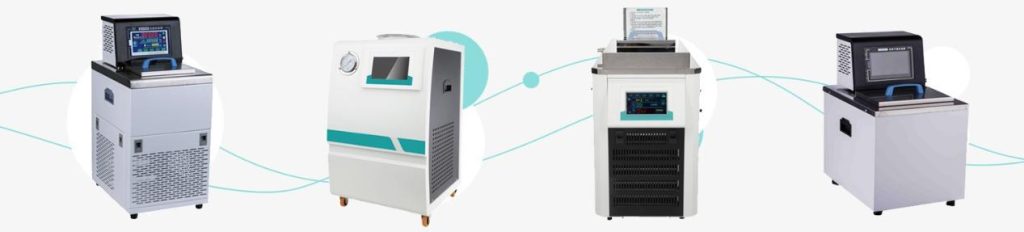
For laboratories seeking a balanced approach, equipment such as constant temperature water or oil baths with digital control can offer reliable accuracy while supporting a broad range of applications.
A practical rule: choose the highest precision your application truly requires, and the highest versatility your workflow can benefit from.
So, how to choose the right solution based on your lab type?
From a supplier’s perspective, the most effective selection process starts by clearly defining the lab’s primary role:
- Pharmaceutical QC labs usually prioritize precision and compliance
- Biotech R&D labs often seek a balance between accuracy and flexibility
- Academic labs typically favor versatile, easy-to-use systems
- Industrial testing labs focus on application-driven performance
Matching equipment characteristics to lab type helps avoid both underperformance and unnecessary overspending.
Here is a final checklist. Before finalizing your choice, consider the following questions:
- What temperature range and stability does your application require?
- How many different workflows will use the same equipment?
- Are humidity control or external circulation needed?
- What compliance or validation standards must be met?
- How will operating and maintenance costs impact long-term use?
By answering these questions honestly, laboratories can make confident, informed decisions.
Closing Thoughts
Precision and versatility are not opposing goals—they are variables that must be balanced according to real laboratory needs. With a clear understanding of application requirements and equipment capabilities, laboratories can select constant temperature solutions that deliver reliable performance today while supporting future growth.
As a laboratory equipment manufacturer and supplier, Drawell continues to support this decision-making process by offering a comprehensive range of constant temperature equipment designed for accuracy, flexibility, and practical laboratory use.
Related Products Recommendation




Get Quote Here!
Latest Posts


What Next?
For more information, or to arrange an equipment demonstration, please visit our dedicated Product Homepage or contact one of our Product Managers.


