


Selecting a refrigerated centrifuge for a blood bank is far more than a routine equipment purchase. It directly affects the quality, efficiency, and safety of blood component separation, with a profound impact on the reliability of clinical transfusions and patient safety.
Yet, when faced with a myriad of technical specifications and brand claims, which features truly determine success? Is it the speed and centrifugal force, or the precision of temperature control and rotor design? Is it energy efficiency and noise levels, or compliance certifications and future scalability?
This article focuses on the specific and demanding context of blood bank operations, highlighting the key specifications that genuinely influence daily workflow, blood product quality, long-term total cost, and regulatory compliance—helping blood bank professionals make informed, efficient, and industry-standard purchasing decisions.
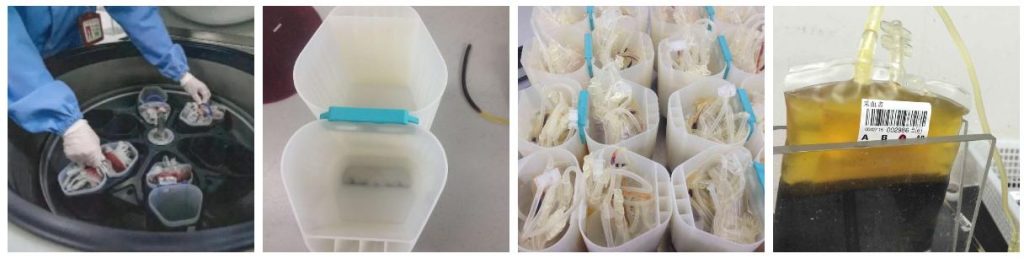
1. Temperature Control and Cooling Performance
Why it matters: Blood components are highly sensitive to temperature. Red blood cells, platelets, and plasma can deteriorate quickly if exposed to inappropriate temperatures during centrifugation. A reliable refrigerated centrifuge ensures stable and precise cooling, protecting the integrity of each component.
Key points to consider:
- Temperature range: Look for centrifuges that cover the typical blood bank range, generally from 4°C to 40°C, with precise control.
- Temperature uniformity: Ensure the centrifuge maintains consistent cooling across the rotor, preventing localized warming.
- Pre-cooling and recovery time: Fast pre-cooling ensures the unit reaches the target temperature quickly, minimizing waiting time.
- Continuous operation stability: For high-volume blood banks, the centrifuge should maintain temperature stability during long runs.
Choosing a centrifuge with precise and stable temperature control is the first step to ensuring blood quality and operational efficiency.
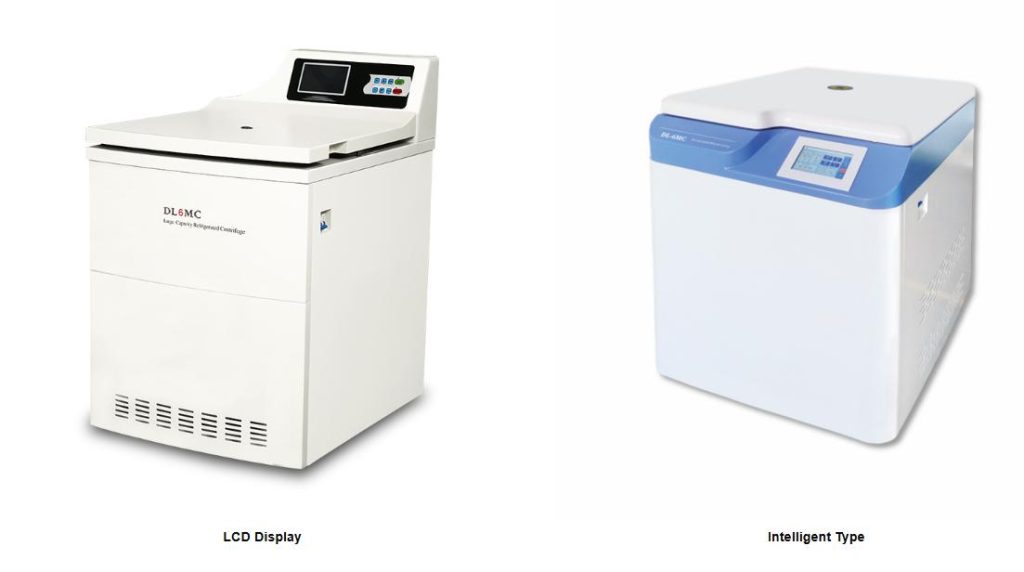
2. Capacity and Blood Bag Compatibility
Why it matters: Blood banks handle varying volumes daily. The ability to accommodate standard blood bags without compromising separation quality directly affects workflow and efficiency.
Key points to consider:
- Blood bag capacity: Check how many 450–500 mL bags the centrifuge can handle per run.
- Rotor type: Swing-out rotors are generally gentler on blood bags than fixed-angle rotors.
- Flexibility: Some models allow mixing different rotor sizes to optimize throughput.
Ensuring the centrifuge accommodates your routine blood volume and bag types can significantly improve operational efficiency.
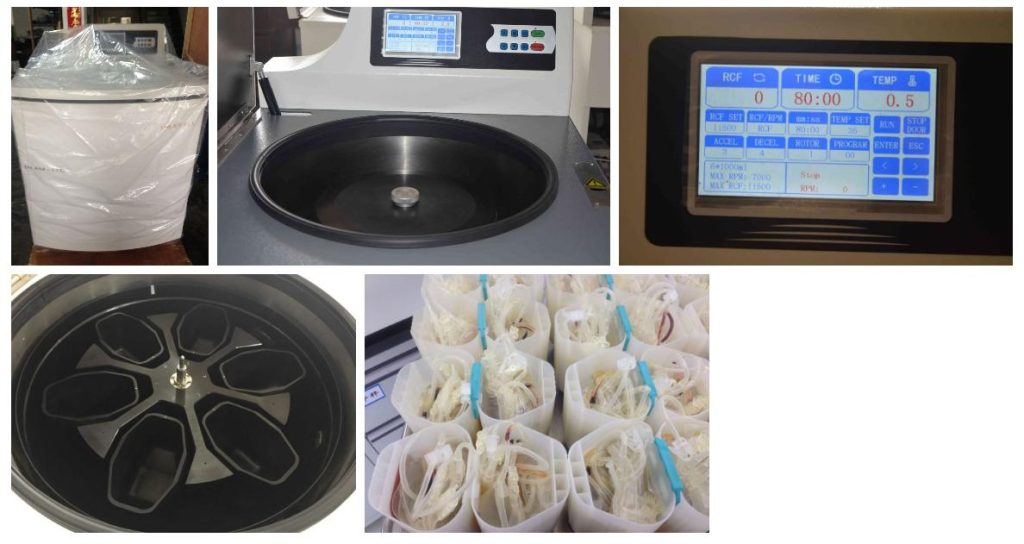
3. Rotor Design and Balance Accuracy
Why it matters: Imbalanced loading or an incompatible rotor can cause hemolysis, reduce blood component quality, and shorten equipment life.
Key points to consider:
- Specialized blood bag rotors reduce stress on blood during separation.
- Automatic imbalance detection helps prevent accidents and ensures safe operation.
- Soft acceleration and deceleration options protect sensitive components.
- Consistent separation results improve lab reliability and reproducibility.
The rotor design and balance system are central to both safety and performance in blood bank centrifugation.
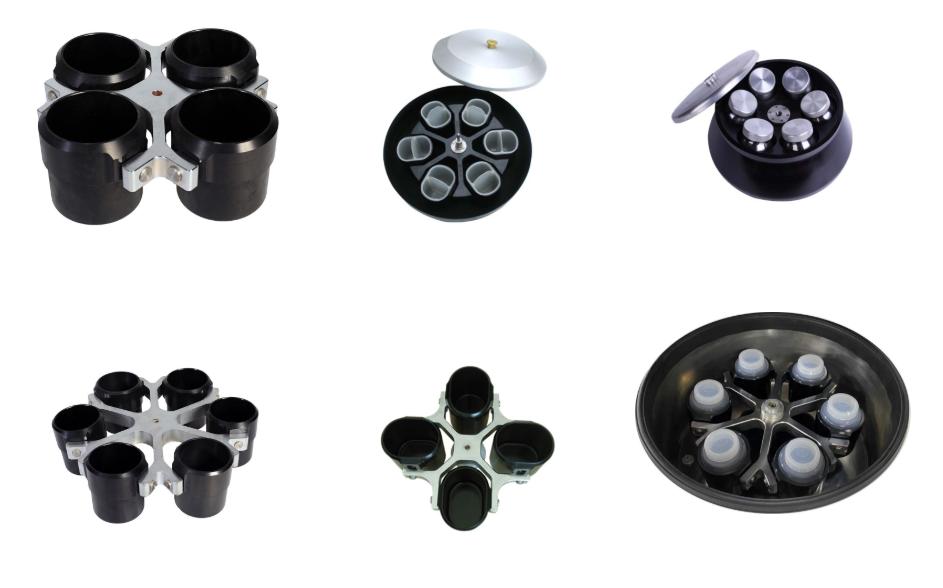
4. Speed Control: RPM vs RCF
Why it matters: Centrifuge speed must be optimized for the blood component being separated. Incorrect settings can damage cells or lead to incomplete separation.
Key points to consider:
- RPM (Revolutions Per Minute) vs RCF (Relative Centrifugal Force): RCF is more critical for reproducibility.
- Programmable settings: Pre-set programs for plasma, platelets, or red cells improve consistency.
- Multi-stage centrifugation: Soft spin followed by hard spin can optimize separation without damaging cells.
A centrifuge with precise, programmable speed control ensures high-quality separation and consistent results.
5. Compliance and Industry Standards
Why it matters: Blood banks operate under strict regulatory oversight. Using non-compliant equipment can risk audits, accreditation, and patient safety.
Key points to consider:
- Certifications: Look for ISO, CE, and AABB compliance.
- Traceability: Systems with data logging and audit trails simplify record-keeping.
- Safety features: Automatic lid locks, alarms, and error reporting are essential.
Compliance with industry standards is non-negotiable and ensures both safety and long-term trust in your lab equipment.
6. Automation and Program Management
Why it matters: Reducing human error and improving workflow efficiency is essential in high-volume blood banks.
Key points to consider:
- Pre-programmed blood separation protocols.
- User-level access control to prevent accidental changes.
- Repeatable results for daily operations.
Automation streamlines operations, reduces training requirements, and ensures reliable separation outcomes.
7. Noise, Vibration, and Lab Environment
Why it matters: High-speed centrifuges generate noise and vibration that can affect lab comfort and equipment longevity.
Key points to consider:
- Low-noise operation improves work environment.
- Vibration reduction protects sensitive components and ensures separation quality.
- Stable operation reduces maintenance needs.
Centrifuges designed with vibration damping and low-noise features support a safer and more comfortable lab environment.
8. Safety and Protection Features
Why it matters: High-speed centrifugation poses risks if safety features are inadequate.
Key points to consider:
- Lid lock mechanisms during operation.
- Over-speed protection and emergency stop.
- Alerts for errors, imbalance, or temperature deviations.
Investing in safety features minimizes the risk of accidents and ensures operational continuity.
9. Maintenance and Reliability
Why it matters: Blood banks cannot afford downtime. Long-term reliability and ease of maintenance reduce operational disruptions.
Key points to consider:
- Rotor and cooling system durability.
- Ease of cleaning and sanitization.
- Availability of local service support.
Reliability and service support are as important as initial purchase price when selecting a centrifuge.

10. Price vs Value
Why it matters: While cost is always a consideration, the cheapest option may compromise safety, efficiency, or compliance.
Key points to consider:
- Budget vs specifications: invest in features critical to your workflow.
- Evaluate total cost of ownership, including maintenance, energy consumption, and consumables.
- Avoid low-cost models lacking essential safety and cooling features.
Selecting the right refrigerated centrifuge is about balancing cost with performance, compliance, and long-term reliability.
Choose the Right Refrigerated Centrifuge for Blood Banks
Investing in a refrigerated centrifuge for blood banks is more than just choosing a piece of equipment—it’s about ensuring the quality, safety, and efficiency of every blood component processed. By carefully evaluating temperature control, capacity, rotor design, speed, compliance, and maintenance factors, blood banks can make informed decisions that support both operational needs and regulatory requirements.
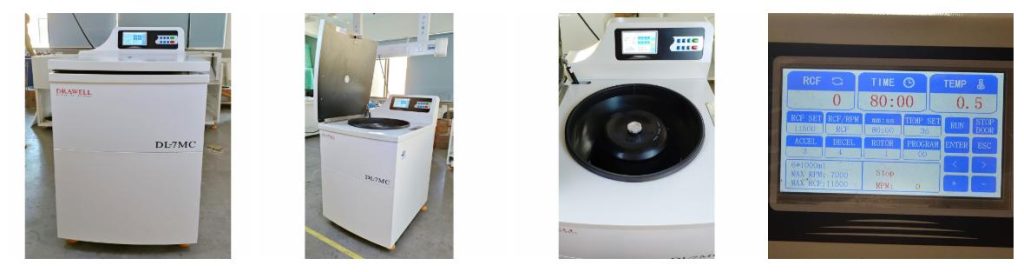
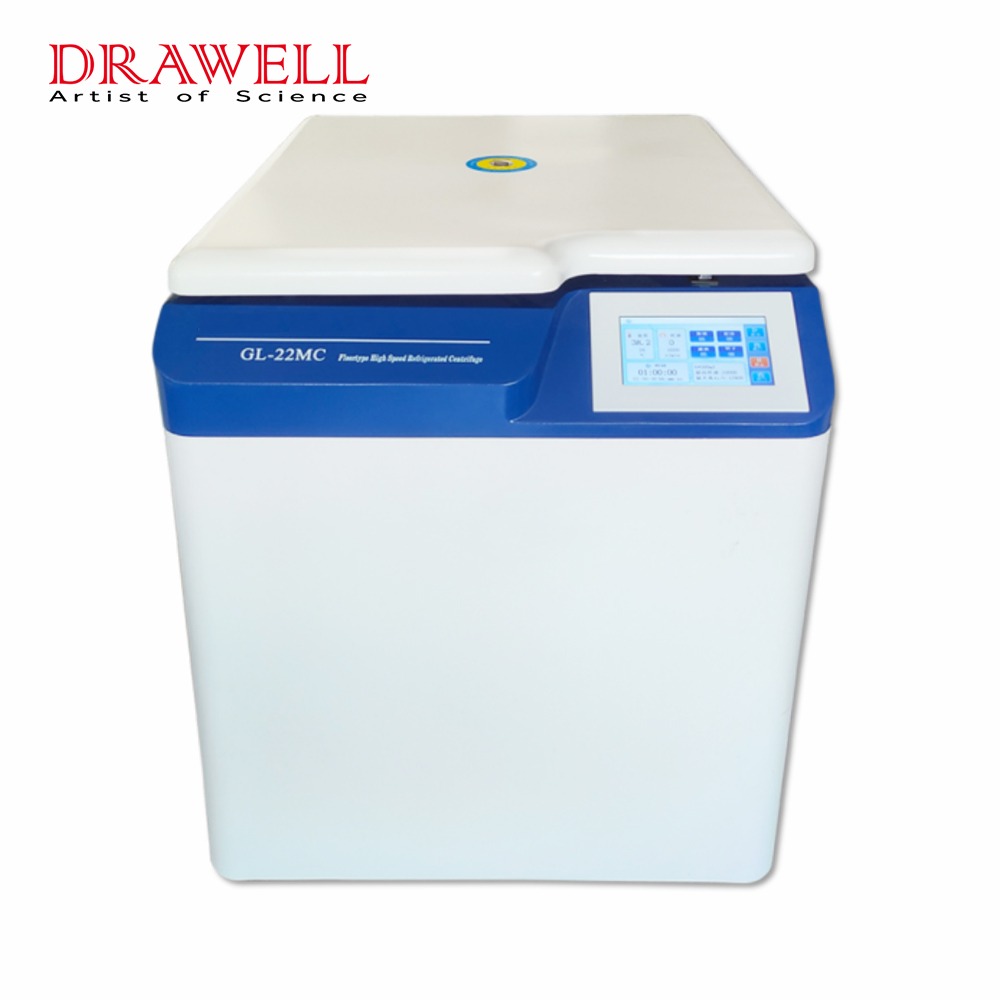
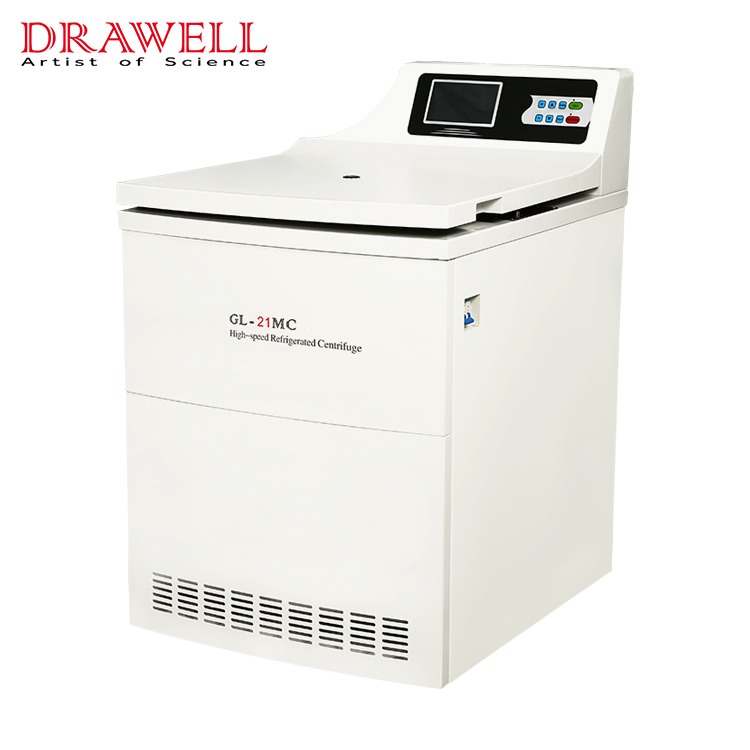
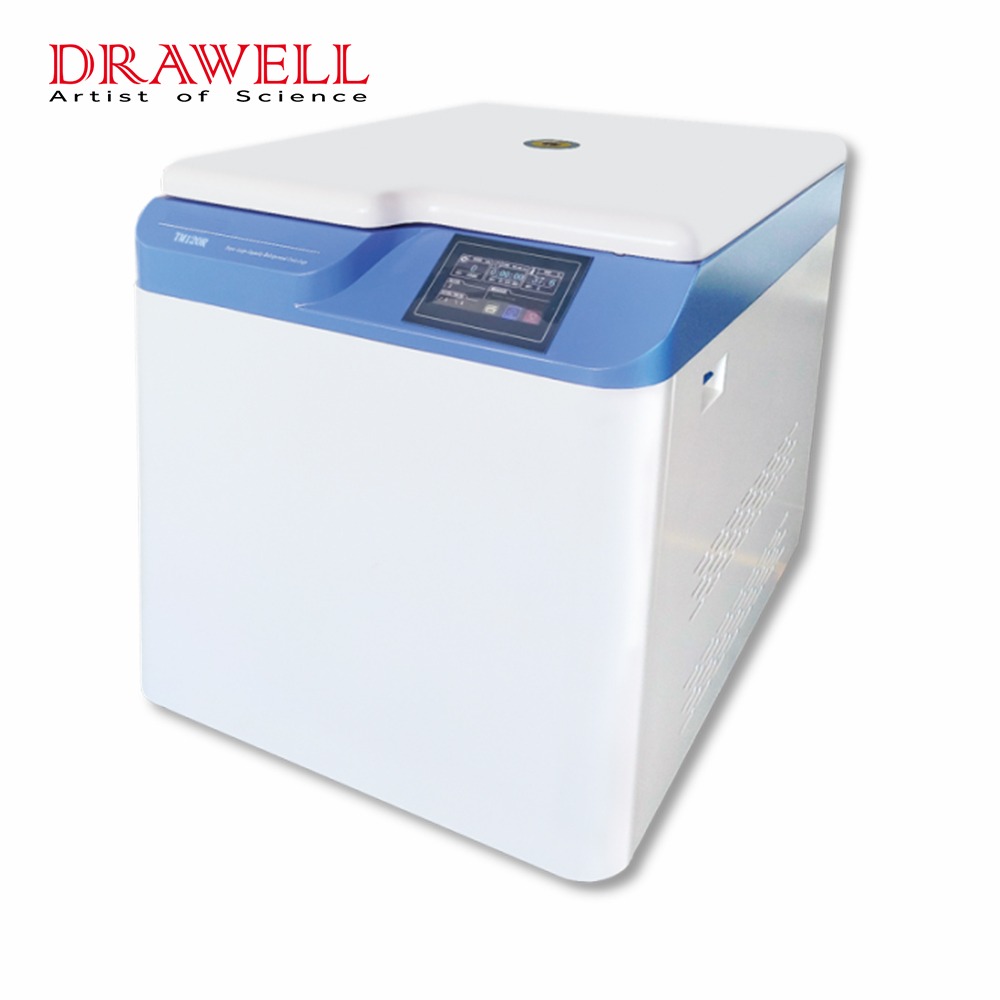
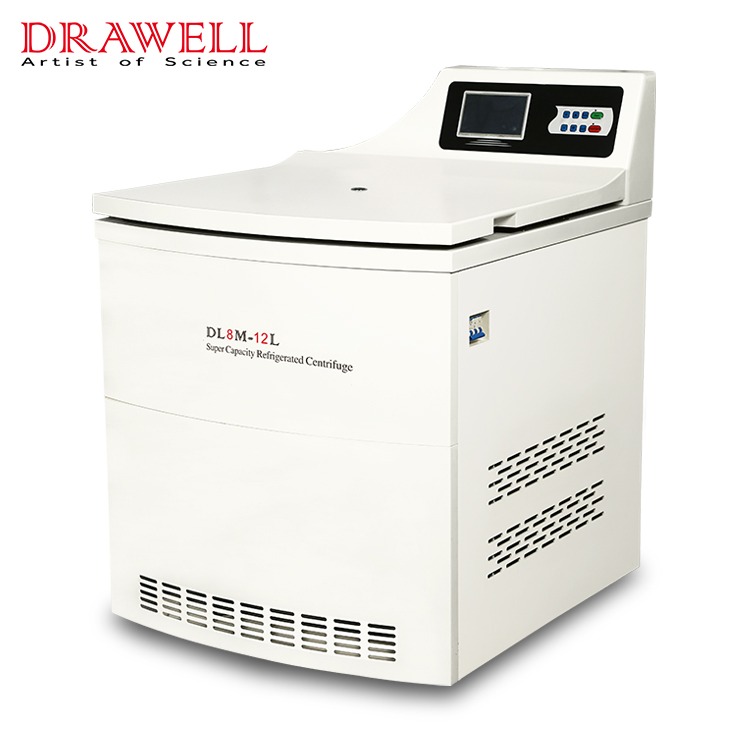
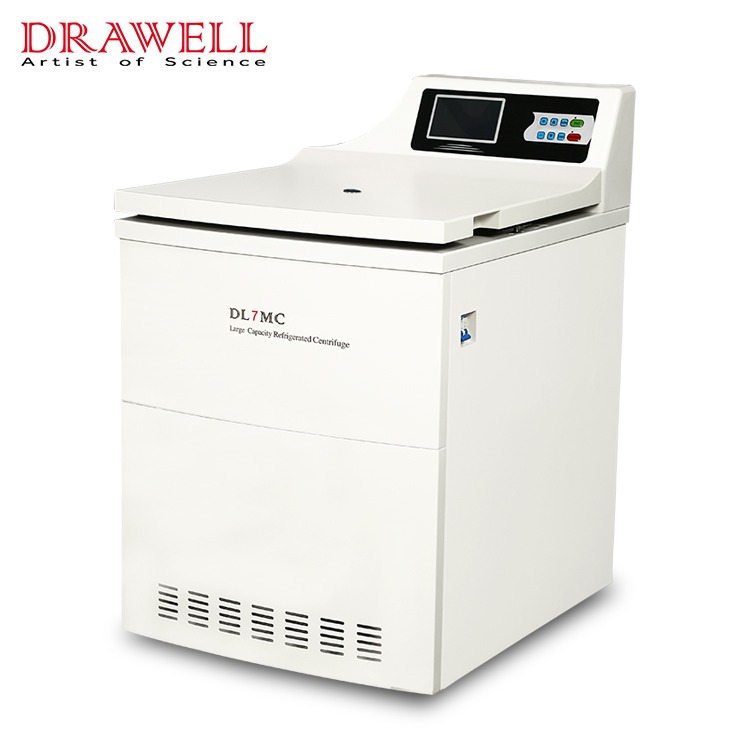
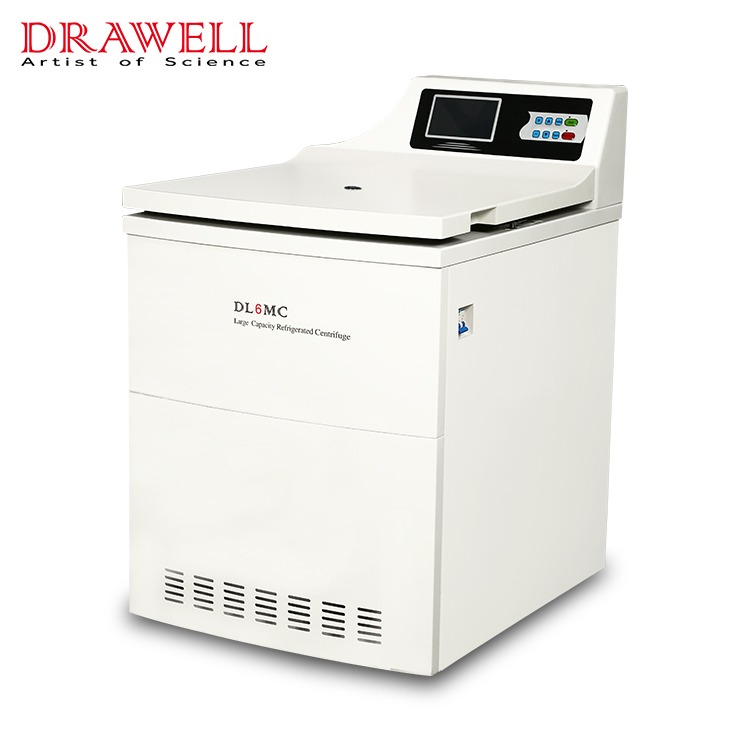
At Drawell, our range of refrigerated centrifuges, from the DL-5M Floor-Type to the DL-8M Super Large Capacity models, is designed to meet diverse blood bank needs with precision, reliability, and compliance.
Related Products Recommendation


Get Quote Here!
Latest Posts



What Next?
For more information, or to arrange an equipment demonstration, please visit our dedicated Product Homepage or contact one of our Product Managers.


