


Water & Environmental Analysis
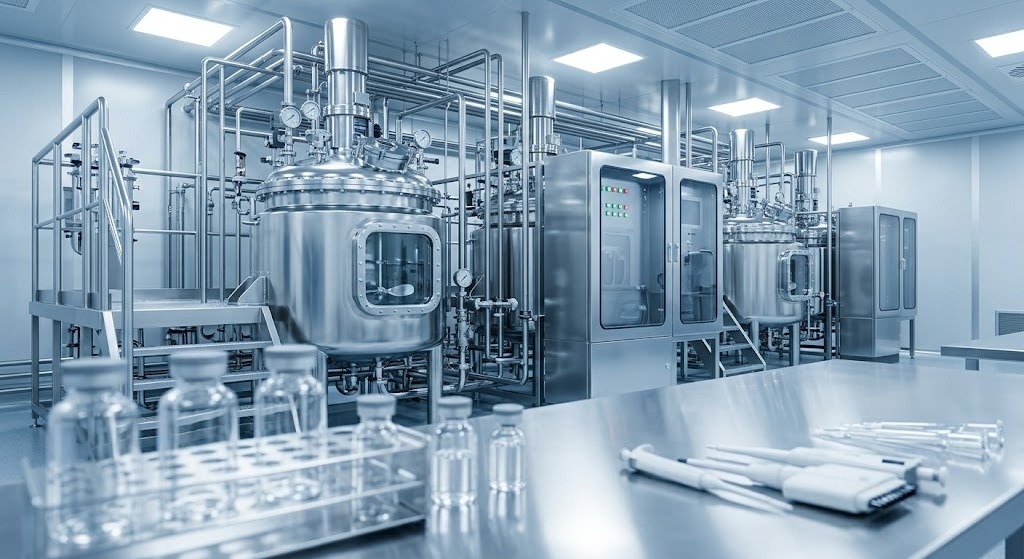
TOC Cleaning Validation: 7 Steps for Accurate Testing
If you work in pharmaceutical or biopharmaceutical manufacturing, you already know that cleaning validation isn’t just a box to check. It’s a critical safeguard against cross-contamination. And when it comes to organic residue detection, TOC cleaning validation has become one of the most practical, widely adopted approaches out there. But here’s the thing. TOC—or Total Organic Carbon—doesn’t…
How to Choose the Right High-precision Instrument for Analytical Chemistry Labs
Choosing high-precision instruments really is like a foundational call in modern labs. In analytical chemistry labs, the end quality of results comes down a lot to whether the equipment fits the analytical aims, the kinds of samples, and the regulatory expectations. If you go in with a good selection process, accuracy tends to climb, the…
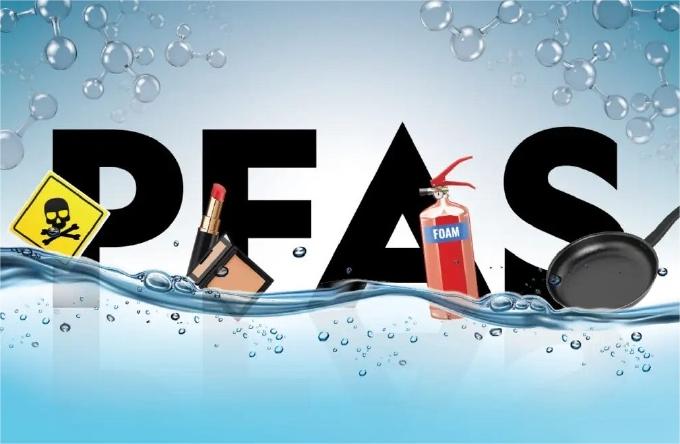
Flood of Forever Chemicals? Is Your Laboratory Ready for the Full 40-Compound PFAS Analysis?
You’ve seen the headlines. “Forever chemicals” are everywhere – in non-stick pans, waterproof jackets, food wrappers, and firefighting foam. That same chemical stability that makes them useful also allows them to travel. They move into groundwater, rivers, soil, and eventually your drinking water. One number to remember: PFAS has been found in about 45% of…
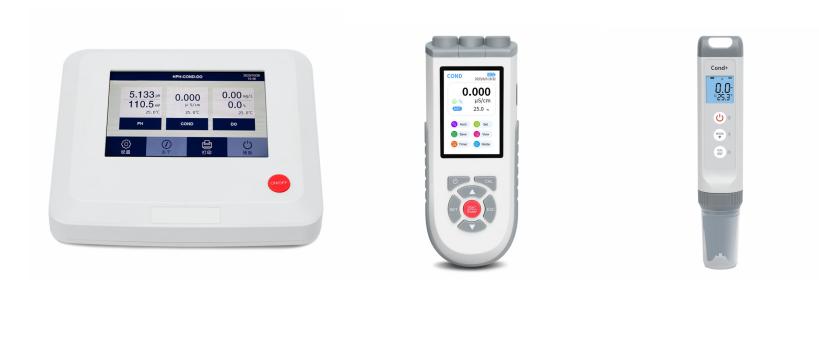
Portable vs. Benchtop Conductivity Meters: How to Choose the Right Type
Conductivity measurement is an essential feature to include in water treatment, environmental studies, food processing, and laboratory research. The selection between portable and benchtop conductivity meters depends on certain factors related to application needs, work conditions, and desired accuracy. However, both portable and benchtop meters are designed to measure the electrolytic conductance in leachate; the…
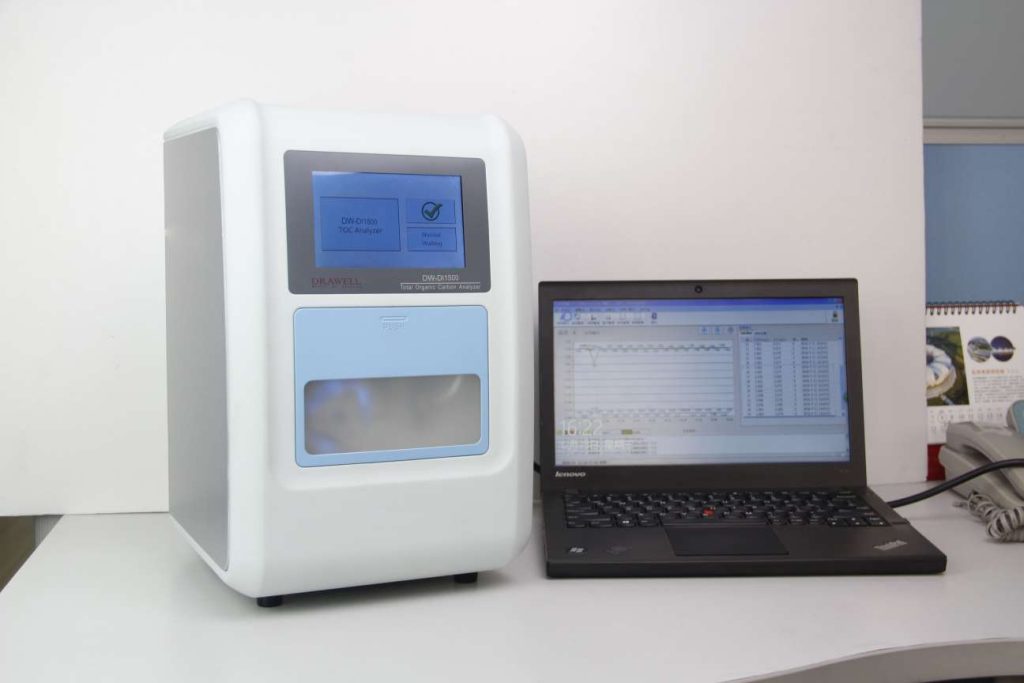
Catalytic vs. Wet Chemical Oxidation in Total Organic Carbon (TOC) Analyzers
Total Organic Carbon (TOC) analysis is an important technique to measure the concentration of carbon organic in water, wastewater and other environmental samples. This measurement is widely used in water treatment, industrial processes and environmental monitoring to determine the levels of organic contamination in a given sample. Catalytic oxidation and wet chemical oxidation, are the two most widely used methods for…

How EC Measurement in Soil Affects Crop Performance
Soil is the foundation of agriculture, providing the necessary support, water, and nutrients for plants to thrive. Among the many parameters that define soil health, Electrical Conductivity (EC) stands out as a critical indicator. EC measurement in soil provides valuable insight into salinity levels, nutrient availability, and water movement, all of which directly impact crop performance….
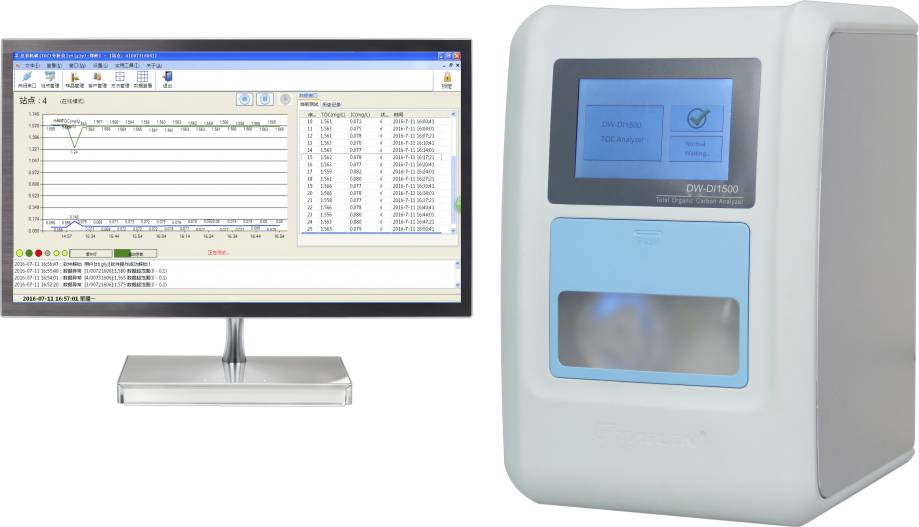
Total Organic Carbon(TOC) in Pharmaceutical-grade Water Analysis
Water used in pharmaceutical manufacturing must meet stringent purity standards to ensure product safety and regulatory compliance. Among the key parameters monitored, Total Organic Carbon (TOC) is a critical indicator of organic contamination. High TOC levels can suggest microbial growth, system contamination, or process inefficiencies, which could compromise product quality. This article explores total organic carbon…
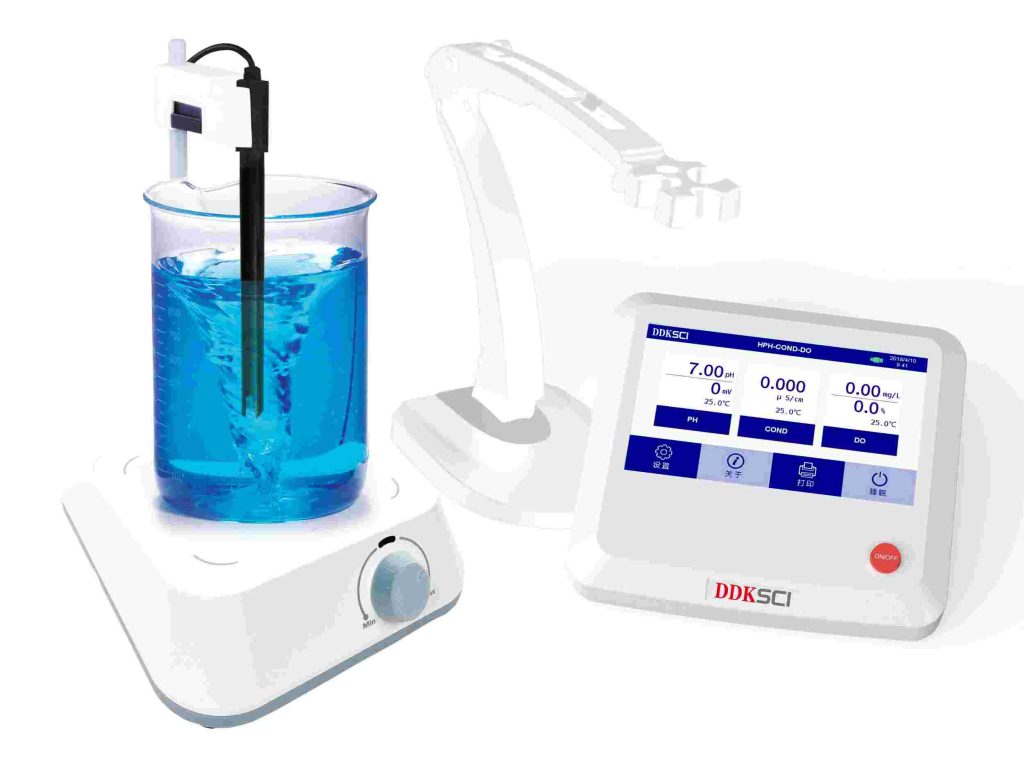
How to Troubleshoot pH Meter Errors Effectively
pH meters are essential instruments used in laboratories, industries, and research facilities for measuring the acidity or alkalinity of a solution. However, like any precision instrument, they can experience errors that affect measurement accuracy. Understanding common pH meter errors and implement effective troubleshooting techniques can help maintain reliable performance and prolong the lifespan of the device. What…
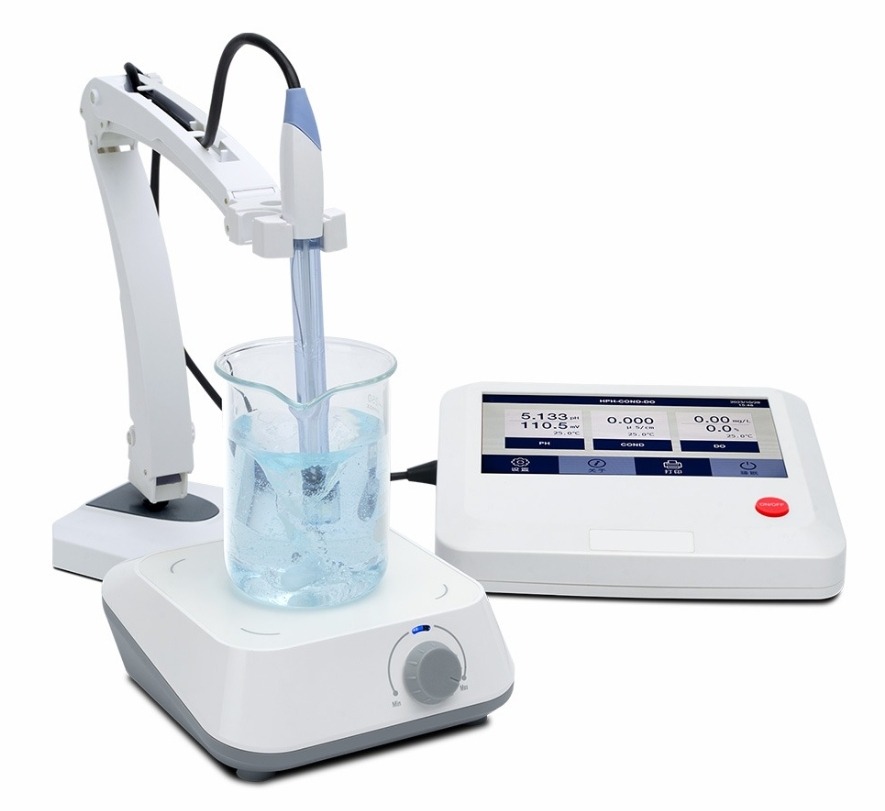
How Do Conductivity Meters Work
Conductivity meters are essential instruments used to measure the ability of a liquid to conduct electricity. These devices are widely used in various industries, including water quality monitoring, chemical processing, and laboratory research. Understanding how conductivity meters work can help users apply them effectively in different applications. Working Principle of Conductivity Meters Conductivity meters function based…
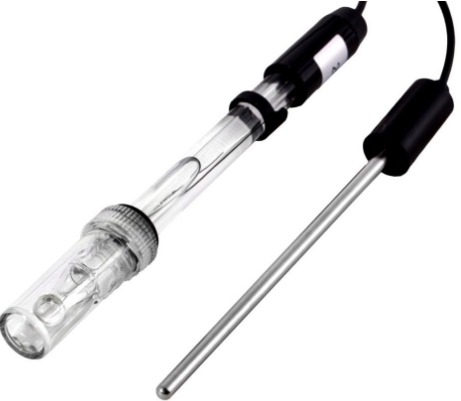
How to Choose the Best Electrodes for pH Meters in Different Applications
pH measurement is essential in various industries, such as laboratory research, food processing, wastewater treatment, pharmaceutical manufacturing, etc. The accuracy and reliability of pH meters depend heavily on selecting the right electrode for the specific application. With different sample compositions, temperature ranges, and chemical properties, choosing the best electrodes for pH meters, ensures precise and long-lasting performance. Understanding…
Browse by category:


