


Conductivity measurement is an essential feature to include in water treatment, environmental studies, food processing, and laboratory research. The selection between portable and benchtop conductivity meters depends on certain factors related to application needs, work conditions, and desired accuracy. However, both portable and benchtop meters are designed to measure the electrolytic conductance in leachate; the philosophy and resultant specifications of these two devices are quite different.

Understanding Conductivity Meters
Conductivity meters measure the carrying sensation of electricity of a solution in relation to the concentration of the dissolved ion. These conductivity meters are as crucial to field sampling as they are compared to the laboratory’s stability control, environmental management, as well as fine-tuning because of their aptitude for acquiring accurate readings.
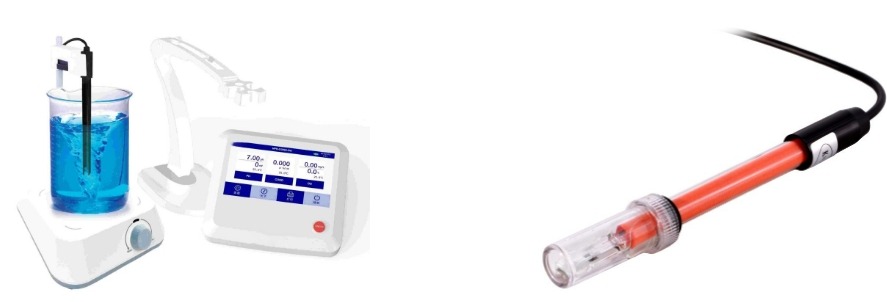
Portable Conductivity Meters
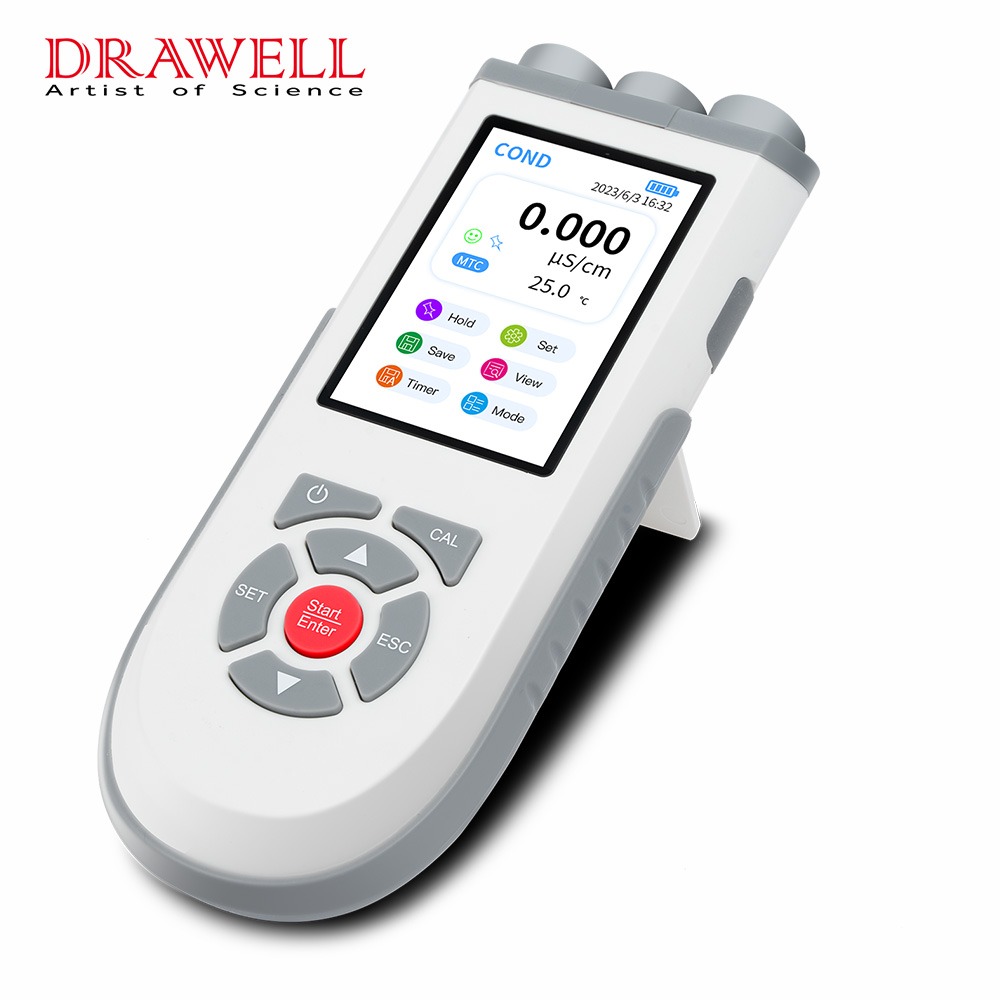
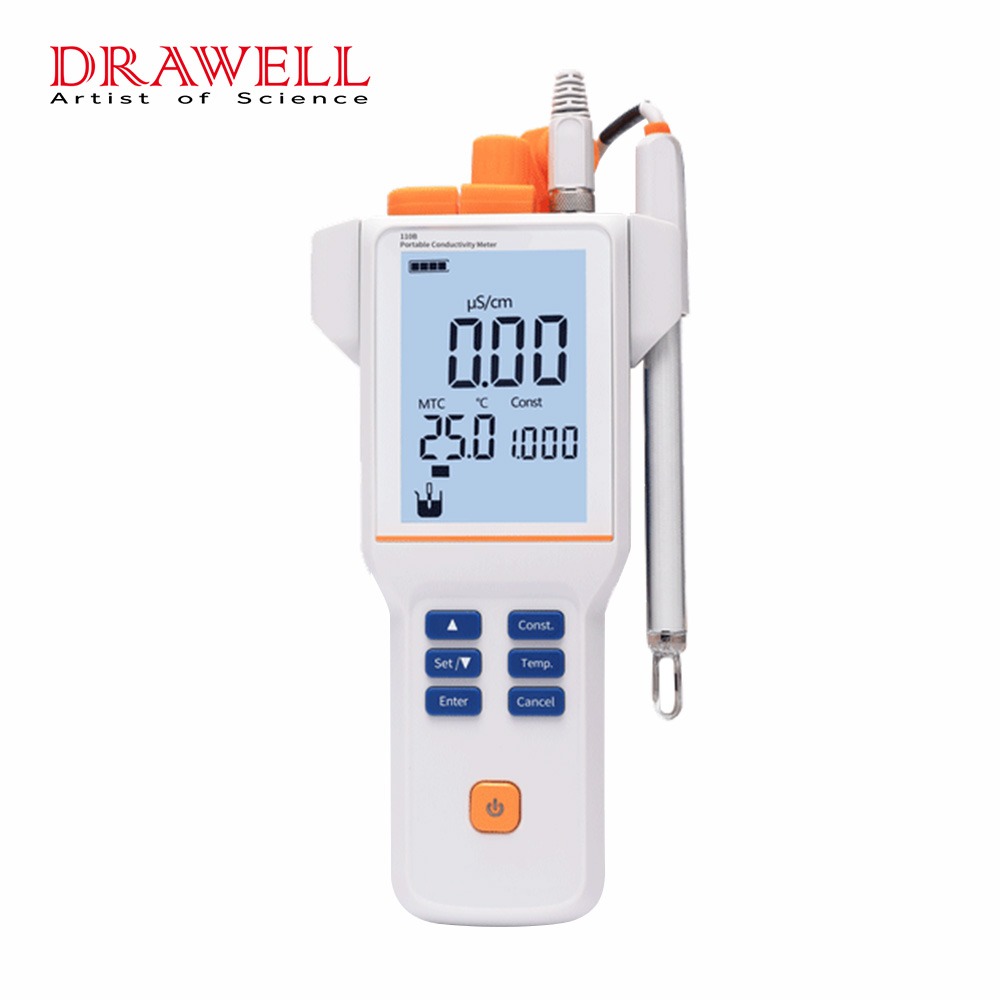
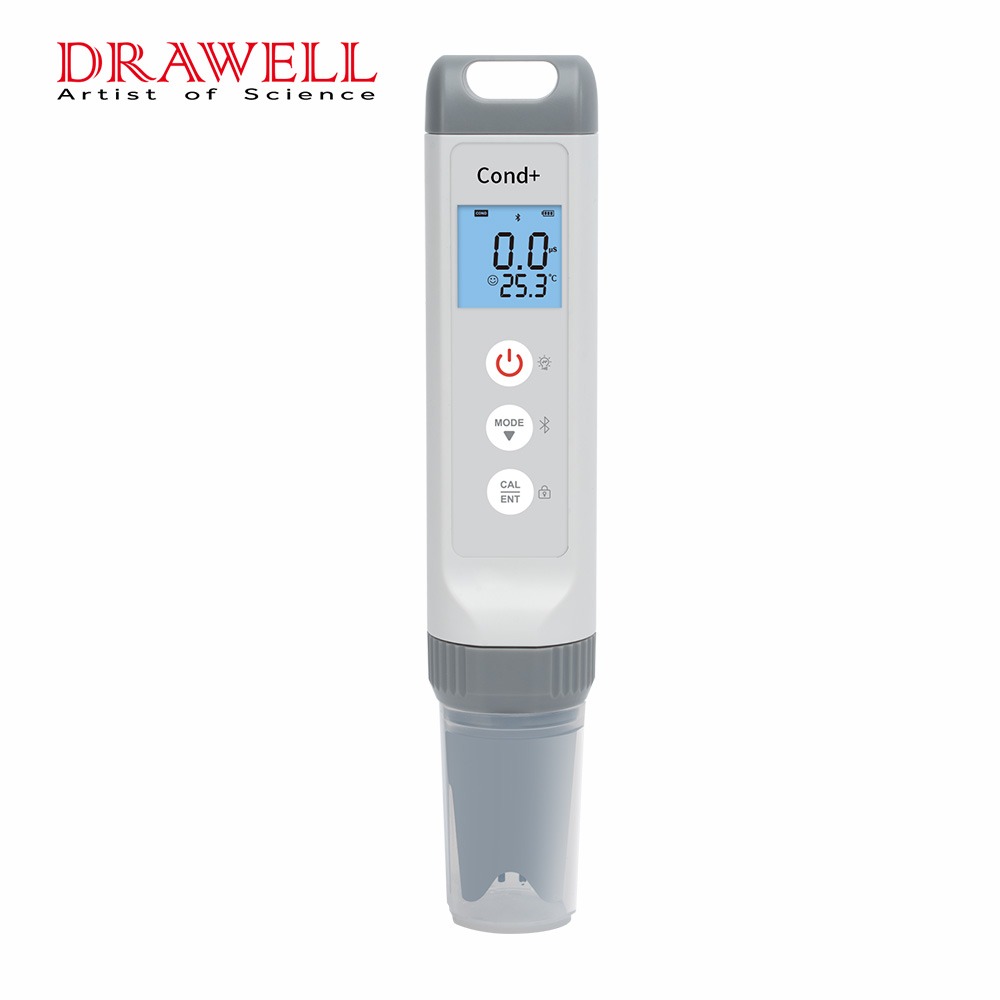
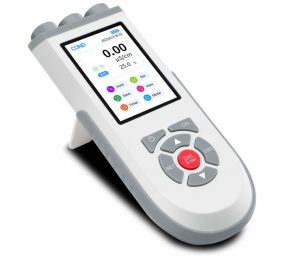
Portable conductivity meters represent a handheld solution for the measurement of electrical conductivity in samples with locational constraints. These instruments are also very popular in subterranean water sampling; monitoring environmental problems; agriculture; aquaculture; and general field water sample scrutiny. The most primary reasons for this are their ability to yield instantaneous readings on location in respect to the ionic concentration without actually having to convey the samples to any lab.
In addition to this, these devices have a digital display, probe (electrode), and internal electronic control for signal processing. Moreover, most modern meters include internal automatic temperature compensation (ATC). This feature helps deliver more accurate data, especially with the kind of temperature variations usually found in a field environment. These meters are so light and ergonomic that can be operated effortlessly, even under the most challenging conditions.
Advantages
Portable conductivity meters are valued for their flexibility and practicality.
- Flexible Mobility and Convenience: To measure anywhere in such areas as rivers, lakes, industrial pipelines and wherever, and thus, it gets rid of any sampling delays.
- Real-Time Results: Thinking time can be trimmed considerably with instantaneous readings in applications like environmental monitoring and process control.
- User-Friendly Operation: Most of the portable meters have very simple and few steps for calibration, along with easy controls, so even a non-professional can operate one.
- Reliable and Field-Ready Design: Many portable models are designed to be waterproof, dustproof, and able to withstand harsh environmental conditions, allowing sustained performance in the field.
- Cost-Effective Solution: Compared against bulky analytical instruments, they are somewhat financially viable. They can be used for routine measurements in bulk.
Limitations
- Lower Measurement Precision: While sufficiently accurate for fieldwork, portable meters typically do not match the high precision and stability of benchtop instruments, especially for trace-level analysis.
- Limited Advanced Features: They often lack sophisticated functionalities such as extensive data logging, multi-parameter integration, or advanced calibration options.
- Smaller Display and Interface: The compact size can restrict screen visibility and data interaction, which may be less convenient for detailed analysis.
- Battery Dependency: Operation relies on battery power, which may limit usage time in extended fieldwork unless spare batteries or charging options are available.
- Electrode Wear and Maintenance: Frequent field use can expose probes to contamination or mechanical damage, requiring regular cleaning, calibration, and replacement.

Benchtop Conductivity Meters
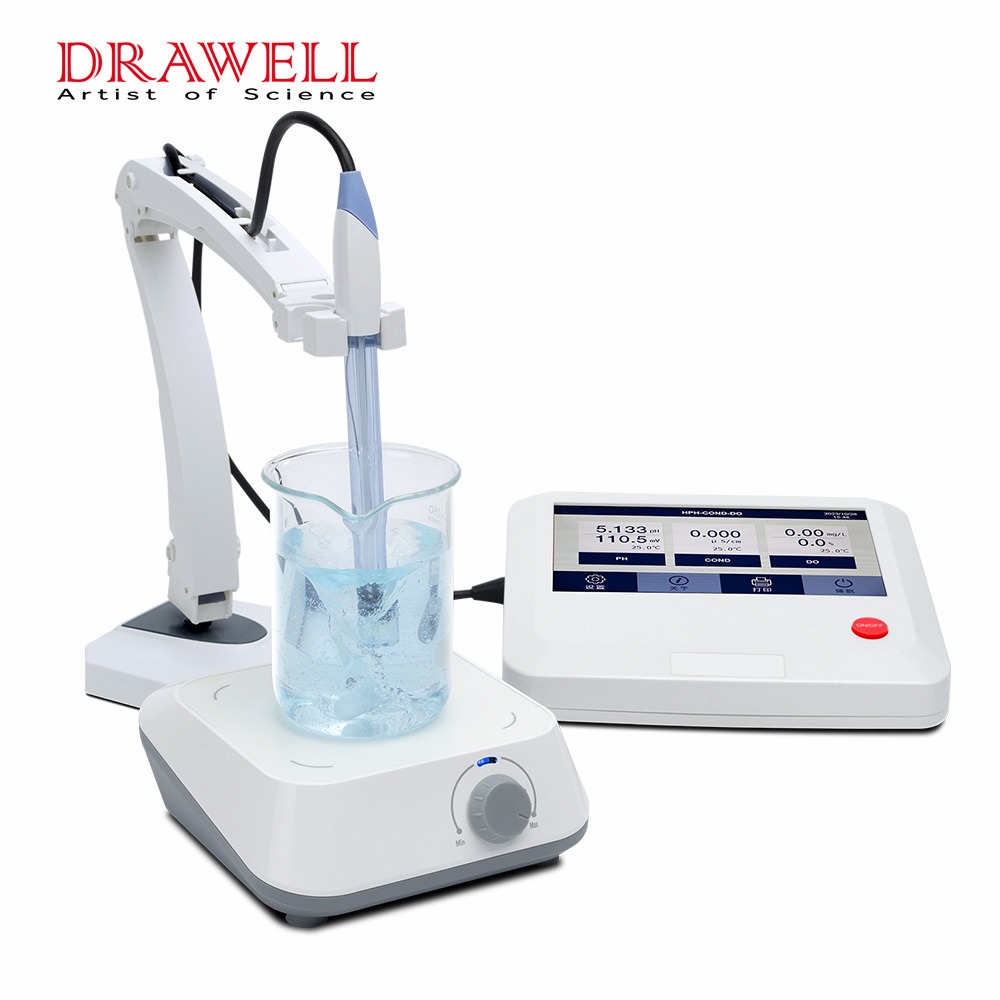
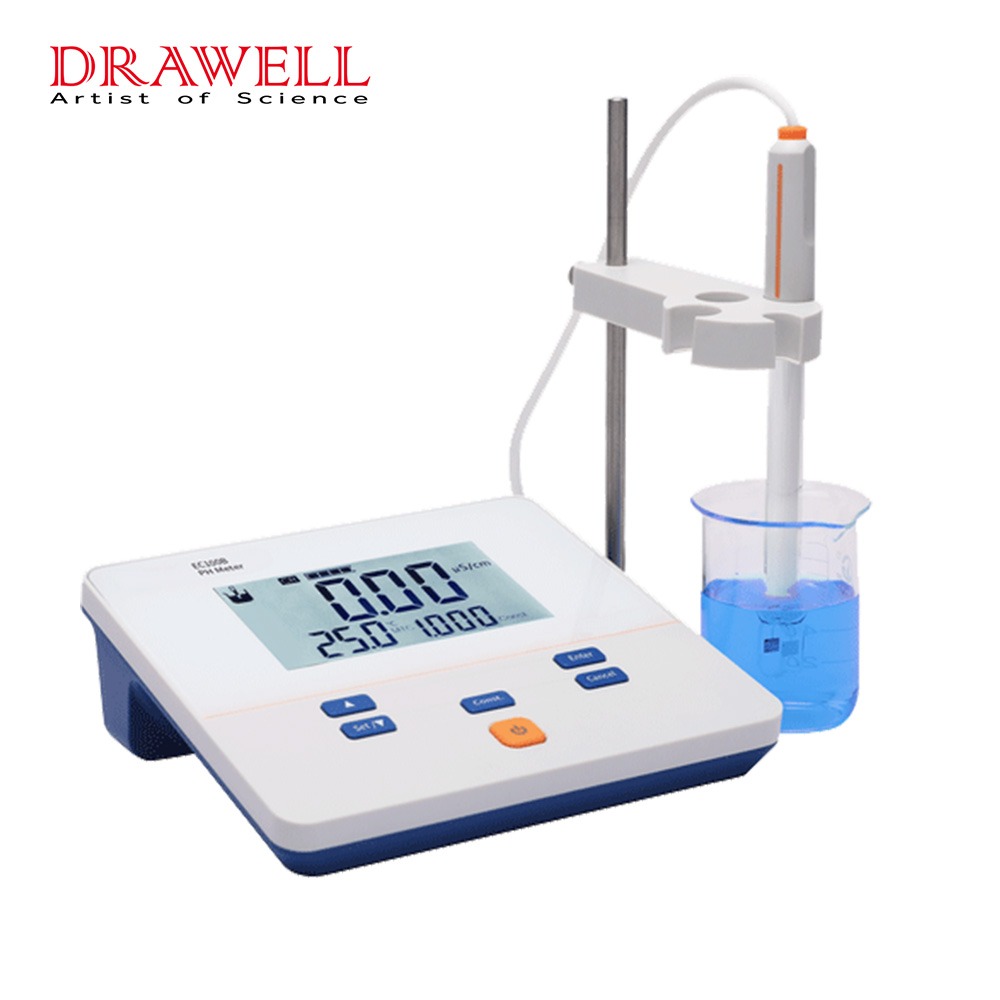
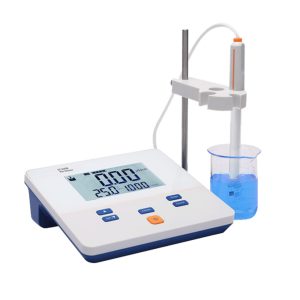
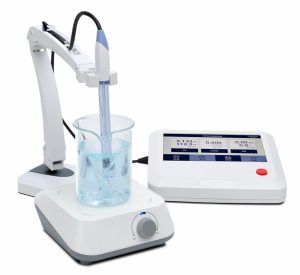
Benchtop conductivity meters are a highly precision analytical instrument preferred by forward-looking analytical chemists in a controlled and supervised laboratory setting. Benchtop conductivity meters are favored since they are more accurate, stable, and have advanced features. Applications for these devices are common in the fields of academic research, pharmaceuticals quality control, chemical analysis, and water purification for measurements that must be reliable and repeatable.
Benchtop conductivity meters are equipped with a central unit with a large display screen that can be read easily, a high-quality-conductivity electrode, and integrated signal processing electronics. Many benchtop measurements systems have temperature probes that allow automatic temperature compensation (ATC) to be performed with great precision. With good power supplies and improved calibration capacity, the auditor might receive reproducible readings across a broad range of conductivity levels.
Advantages
Benchtop conductivity meters are preferred for applications that require precision and comprehensive handling of data.
- High Measurement Accuracy and Stability: These meters provide better accuracy due to advanced circuitry in the instrument, established power supply with premium input, and some high-grade electrodes for sensitive analysis.
- Advanced Calibration Options: Multi-point calibration, customizable standards, and automatic calibration guidance improve measurement reliability and ensure compliance with laboratory standards.
- Comprehensive Data Management: Data-logging options with advanced data connectivity via USB or until the network extent of integration with LIMS make convenient data storage and traceability in benchtop meters.
- Multi-Parameter Abilities: Some models can even probe other parameters like resistivity, total dissolved solids (TDS), salinity, and temperature, which boosts their ability.
- Enhanced User Interface: The benchtop conductivity meter with touch screen has detailed menus, and intuitive controls, maximizing user capability to view, analyze, and manage data.
Limitations
Conversely, benchtop conductivity meters are accompanied by certain limitations that restrict their application in specific circumstances.
- Lack of Portability: They are immobile machines that take up considerable space thus making them unsuitable for field measurements.
- Higher Cost: On account of its advanced features and higher accuracy in engineering, initial capital is a challenging factor connected with benchtop conductivity meter equipment over portable meters.
- Dependence on Controlled Environment: For optimum use, the proper input of temperature, cleanliness, and proper lab conditions are needed-so conditions are not always possible.
- More Complex Operation: The complexity of advanced functions and their calibration will mean that experienced personnel will be required to handle these machines. Therefore, this slows down the knowledge curve among new operators.
- Maintenance Requirements: Calibrating the electrodes and checking the system’s functioning from time to time are essential to ensuring the accuracy of procedures, which, in turn, can increase the work involved.
Key Differences Between Portable and Benchtop Conductivity Meters
| Aspect | Portable Conductivity Meter | Benchtop Conductivity Meter |
| Design Purpose | Designed for on-site, field measurements | Designed for laboratory-based analysis |
| Mobility | Lightweight, handheld, easy to carry | Stationary, requires dedicated workspace |
| Power Supply | Battery-operated | AC-powered (plug-in) |
| Measurement Accuracy | Moderate to high (suitable for fieldwork) | Very high (suitable for precise analysis) |
| Stability and Repeatability | Moderate, may vary with environment | Excellent, highly stable and repeatable |
| Calibration | Basic or limited calibration options | Advanced multi-point calibration with higher precision |
| Functionality | Basic features (EC, sometimes TDS/salinity) | Advanced features (EC, TDS, salinity, resistivity, data analysis) |
| User Interface | Small display, simple controls | Large screen, detailed interface, more controls |
| Data Management | Limited storage and transfer options | Extensive data logging, USB/LIMS connectivity |
| Durability | Rugged, often waterproof for field use | Less rugged, designed for controlled environments |
| Maintenance Needs | Frequent probe cleaning due to field exposure | Regular calibration and controlled maintenance |
| Cost | Generally lower | Higher due to advanced capabilities |
| Typical Applications | Environmental monitoring, agriculture, on-site testing | Laboratory research, quality control, industrial analysis |
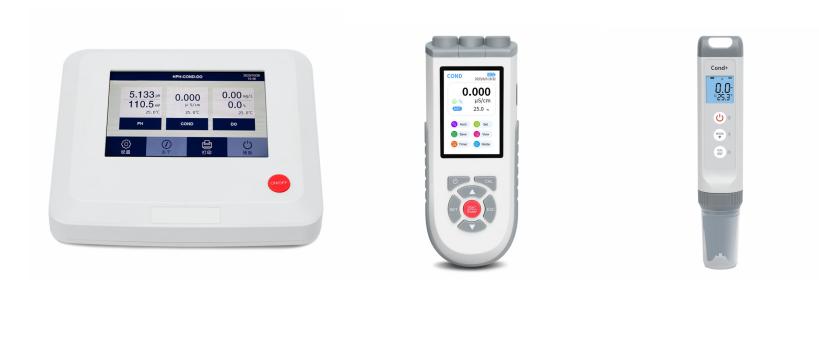
Key Factors to Consider for Choosing Between Portable and Benchtop Conductivity Meters
A thoughtful assessment of operational purposes, measurement requirements, environmental constraints, etc, is essential in selecting the proper conductivity meter between portable and benchtop conductivity meters.
- Measurement Accuracy and Analytical Requirements
The single most critical factor governing accuracy requirements, with accuracy itself being the prime parameter that sets the qualitative level, can be justified away entirely by this single descriptor. In these applications, bench type conductivity meters enhance high accuracy and repeatability in association with a special range of calibration choices, with long-term stability of the meter’s basic performance.
On the other hand, portable devices suffice routine field monitoring, delivering rather approximate values but still capable of some trend analysis. In modern times, almost any portable meter gives statistically significant results even when more-or-less sensitive to ambient conditions, such as temporary increases in room air temperature or human handling.
- Working Environment and Application Scenarios
The working environment in which the conductivity meter is to be used has an effect that plays an important role in the selection process. On-field applications—be it environmental monitoring, aquaculture, or on-field industrial inspections—demand instruments that are lightweight, durable, and flexible within variable conditions. For these applications, the portable conductivity meter come highly specialized, often put inside a waterproofed housing and operated on battery power.
On the other hand, well-controlled laboratory environments are the typical accommodation for benchtop conductivity meters. They give the best of themselves in international conditions and therefore are best suited for purposes such as research, quality control, and detailed analysis of chemistry.
- Data Management and Connectivity Needs
Data handling prerequisites have a great say about whether one needs a portable or a benchtop setup. In laboratories, given the present time, most systems have to keep records, export them for further assessment or data analysis, and use all the data for traceability and compliance. Benchtop conductance meters usually involve advanced data logging capabilities, connectivity options such as USB or network interfaces, and can be interfaced with computer systems or laboratory information systems.
Portable conductivity meters go to sea with only very minimal storage and transfer functions, and hence they seldom feature advanced data management functions. They are usually put off to the side bypassing the initial data analysis in urgent situations.
- Ease of Use and Operational Complexity
Still, operability is considered an equally important factor, especially as these instruments may be used by people with different degrees of skill. Portable conductivity meters, designed to be basically idiot-proof, feature leisurely controls and hardly any how-to fielding. These are very useful for quick on-the-spot tests and fieldwork.
Most often, benchtop meters become rather difficult in interface and functionality. This condition enhances the analytical power of the machine without asking for expertise from an operator for the full working of the instrument and precise calibration.
- Budget and Long-Term Value
Cost also includes but is not limited to the purchasing price. Portable conductivity meters make for an affordable and value-for-money resource for field testing and huge use by virtue of their being cheap in price owing to a great value. It can be said to cater best for those users that require many complete meters for diversified field operations.
For highly advanced and meticulously engineered benchtop conductivity meters, initial investments will be relatively high, but in the long run these exhibits of high industrial quality show value in having the highest degree of accuracy, reliability, and integrity for the data right where these factors are major requisites, thus leading to better decision making and faster compliance with industry standards.
Summary
- Portable conductivity meters excel in flexibility and convenience, making them indispensable for fieldwork.
- For the applications of high-level precision and deep analysis in laboratories, benchtop conductivity meters are unbeatable.
Final Thoughts
Portable and benchtop conductivity meters serve different purposes, but their functions work together to measure conductivity. The users need to understand the design differences, functional capabilities, practical uses of both devices in order to find their best instrument solution. The organizations achieve operational efficiency and dependable measurement results through the process of matching their conductivity meter selection to their work requirements.
Related Products Recommendation

What Next?
For more information, or to arrange an equipment demonstration, please visit our dedicated Product Homepage or contact one of our Product Managers.


