


Soil is the foundation of agriculture, providing the necessary support, water, and nutrients for plants to thrive. Among the many parameters that define soil health, Electrical Conductivity (EC) stands out as a critical indicator. EC measurement in soil provides valuable insight into salinity levels, nutrient availability, and water movement, all of which directly impact crop performance. As precision agriculture gains momentum, understanding and monitoring soil EC has become a standard practice for farmers, agronomists, and researchers alike. This article will delve into what soil EC is, how it influences crop vitality, methods for its accurate measurement, and practical strategies for its management.
Understanding Soil Electrical Conductivity (EC)
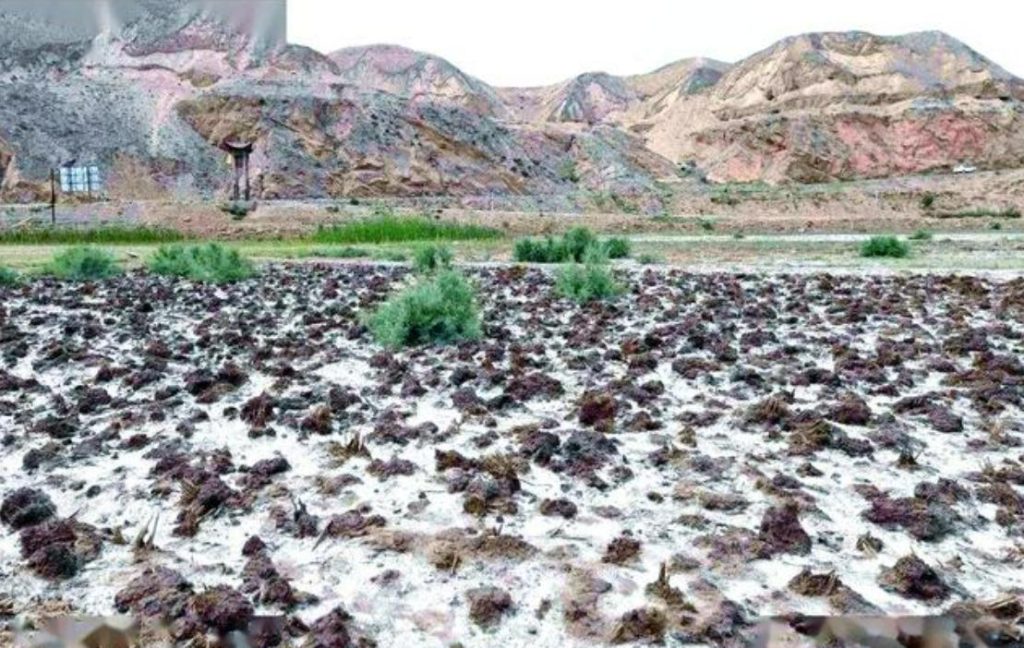
Electrical Conductivity (EC) in soil refers to the ability of the soil solution to conduct an electric current. This conductivity is directly proportional to the amount of dissolved salts (ions) present in the soil water. The more dissolved ions, the higher the EC.
The presence of these salts is a natural part of soil composition, originating from the weathering of parent rock materials. However, human activities often significantly contribute to elevated soil EC. For instance, irrigation water, especially in arid and semi-arid regions, can contain varying levels of dissolved salts. When this water evaporates or is transpired by plants, the salts are left behind in the soil, gradually accumulating over time. A common example is the use of groundwater for irrigation, which in many regions, such as parts of the Central Valley in California or the Indus River Basin in Pakistan, can have naturally high salinity. In some cases, prolonged irrigation with water having an EC of just 1.0 dS/m (deciSiemens per meter) can lead to significant salt accumulation in the topsoil within a few growing seasons, particularly if drainage is poor.
Another major contributor is the application of fertilizers. While essential for plant nutrition, many fertilizers are salt-based compounds. Over-application or inefficient use of fertilizers can lead to an accumulation of these soluble salts in the soil profile, pushing EC levels beyond desirable thresholds. For example, excessive application of potassium chloride (KCl) fertilizer can quickly elevate chloride levels, increasing the overall EC. Poor drainage, whether due to compacted soil layers or insufficient natural slope, exacerbates salt accumulation by preventing salts from being leached out of the root zone. These factors combine to influence the total soluble salt concentration, which directly translates to the soil’s measured EC.
Here we conclude several factors affect soil EC:
- Soil moisture – Water facilitates ion movement, increasing EC
- Temperature – Higher temperatures can temporarily raise EC readings
- Soil texture – Clay and loam soils typically hold more salts and have higher EC than sandy soils
- Organic matter – High organic content can contribute to EC
- Fertilizer and salt content – Excessive fertilization or poor-quality irrigation water can increase salinity
Therefore, soil EC is a dynamic parameter influenced by both natural processes and agricultural practices. Understanding its origins is the first step toward effective management and ensuring a healthy growing environment for crops.

The Impact of Soil EC on Crop Performance
The level of electrical conductivity in soil has profound and often detrimental effects on crop performance, primarily by impacting water availability, nutrient uptake, and the overall physiological health of the plant.
The most critical impact of high soil EC is on water availability and plant uptake. Even when sufficient moisture is present in the soil, high concentrations of dissolved salts in the soil solution increase the osmotic potential outside the plant roots. This makes it osmotically more difficult for plants to absorb water, as water naturally moves from an area of higher water potential (lower salt concentration) to an area of lower water potential (higher salt concentration). Essentially, the plant has to expend more energy to extract water from the salty soil solution, leading to what is known as “physiological drought.” This stress can manifest as wilting, even in seemingly moist soil, and significantly reduces the plant’s ability to maintain turgor pressure, which is vital for cell expansion and overall growth. For instance, a study on tomatoes showed that an increase in soil EC from 2 dS/m to 6 dS/m could reduce marketable yield by as much as 30-50% due to reduced water uptake and increased plant stress.
High soil EC also leads to nutrient imbalance and potential toxicity. While some dissolved ions are essential nutrients, excessive amounts of certain salts can interfere with the uptake of other vital nutrients. For example, high concentrations of sodium (Na +) can compete with and inhibit the uptake of potassium (K +), a crucial macronutrient for plant growth and stress tolerance. Similarly, high chloride (Cl −) levels can become toxic to plants, leading to leaf burn, premature defoliation, and reduced photosynthesis. Boron toxicity, though less common, can also occur in high EC soils, causing yellowing and necrosis of leaf margins. A classic example is citrus trees, which are highly sensitive to chloride toxicity, showing symptoms like leaf tip burn and eventual defoliation when soil EC levels exceed their tolerance limits.
Furthermore, elevated EC levels can severely impede seed germination and seedling vigor. Seeds require a specific water potential gradient to absorb water for germination. High EC soils make this initial water uptake difficult, leading to delayed or reduced germination rates. Even if germination occurs, young seedlings are particularly vulnerable to salt stress due to their undeveloped root systems. This early-stage stress can result in stunted growth, higher mortality rates, and a weaker plant overall, ultimately impacting final crop stand and yield. For example, corn germination can be significantly reduced when EC values exceed 4 dS/m, while more salt-sensitive crops like beans might experience germination issues at just 2 dS/m.
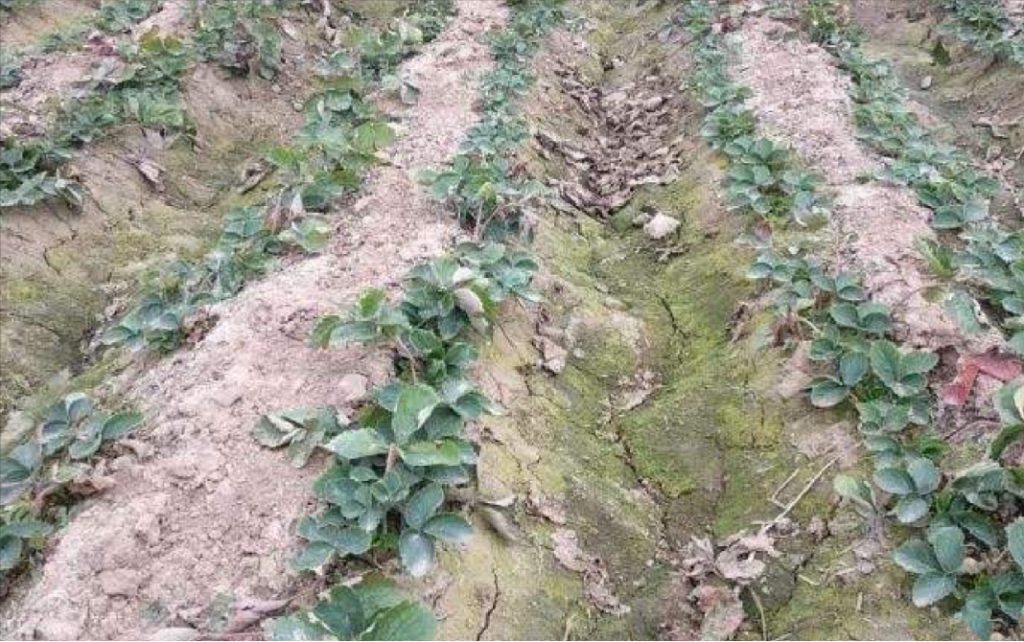
The cumulative effect of these stresses is stunted growth and significant yield reduction. Plants under high salt stress often exhibit reduced biomass accumulation, smaller leaf areas, and impaired photosynthetic efficiency. This leads to a decrease in overall plant size, fewer fruits or grains, and a decline in the quality of the harvested product. The table below illustrates the relative salt tolerance of various crops, highlighting how different plants react to increasing soil EC levels.
Relative Salt Tolerance of Selected Crops
| Crop Type | Salt Tolerance Classification | Threshold ECe (dS/m)* | 10% Yield Reduction (ECe, dS/m) | 25% Yield Reduction (ECe, dS/m) | 50% Yield Reduction (ECe, dS/m) |
| Beans | Sensitive | 1 | 1.5 | 2 | 2.8 |
| Onions | 1.2 | 1.8 | 2.5 | 3.6 | |
| Carrots | 1 | 1.7 | 2.6 | 4.1 | |
| Potatoes | 1.7 | 2.5 | 3.4 | 4.8 | |
| Wheat (grain) | Moderately Tolerant | 6 | 7.4 | 9.5 | 12.5 |
| Corn | 1.7 | 2.5 | 3.8 | 5.9 | |
| Tomatoes | 2.5 | 3.5 | 5 | 7.6 | |
| Cotton | 7.7 | 9.6 | 12 | 16 | |
| Barley (grain) | Tolerant | 8 | 10 | 13 | 18 |
| Sugar Beet | 7 | 8.7 | 11.3 | 15.5 |
*Threshold ECe: Maximum ECe at which no yield reduction occurs.
Source: Adapted from USDA Salinity Laboratory Handbook No. 60.
In summary, high soil EC is a major stressor that can significantly compromise crop health and yield potential. Understanding these impacts underscores the necessity of accurate EC measurement and proactive management strategies to mitigate its adverse effects on agricultural productivity.
Measuring Soil EC: Tools and Techniques
Accurately measuring soil EC is the cornerstone of effective soil salinity management. Various tools and techniques are available, ranging from simple field testers to sophisticated laboratory instruments, each with its own advantages and limitations.
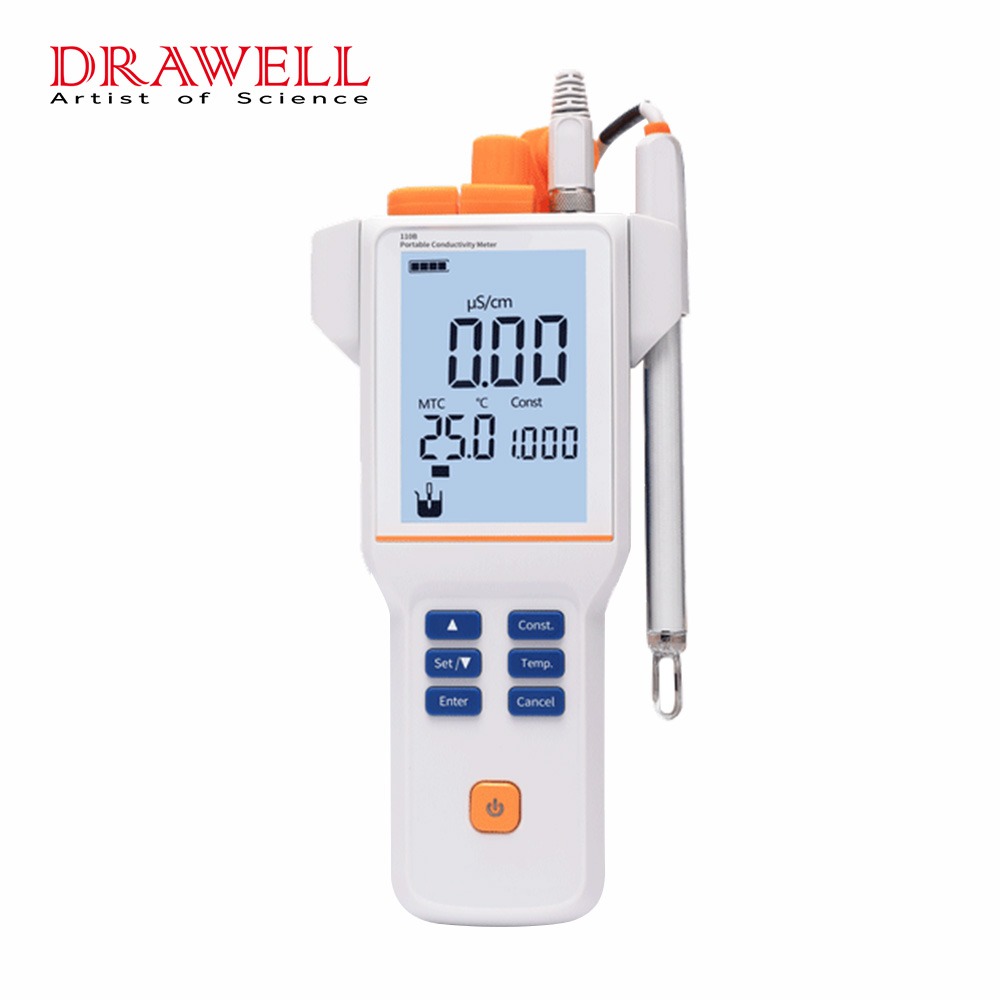
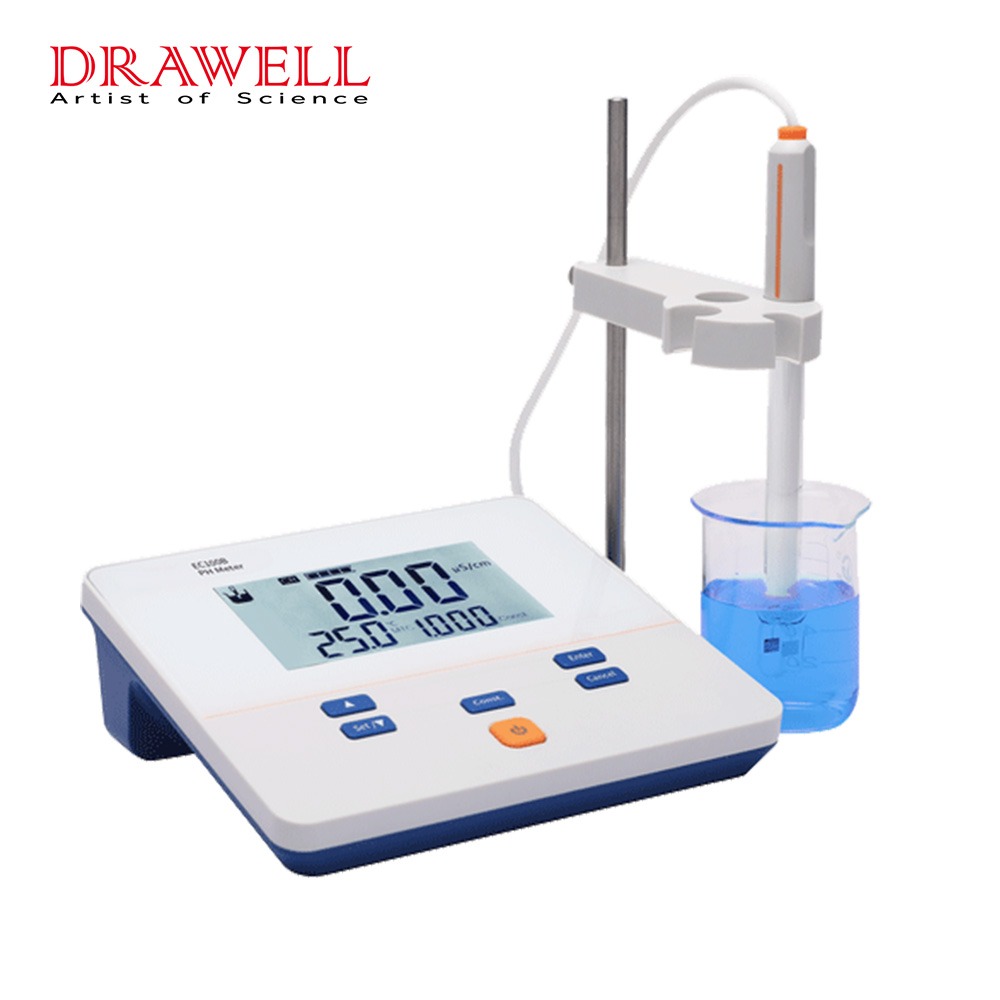
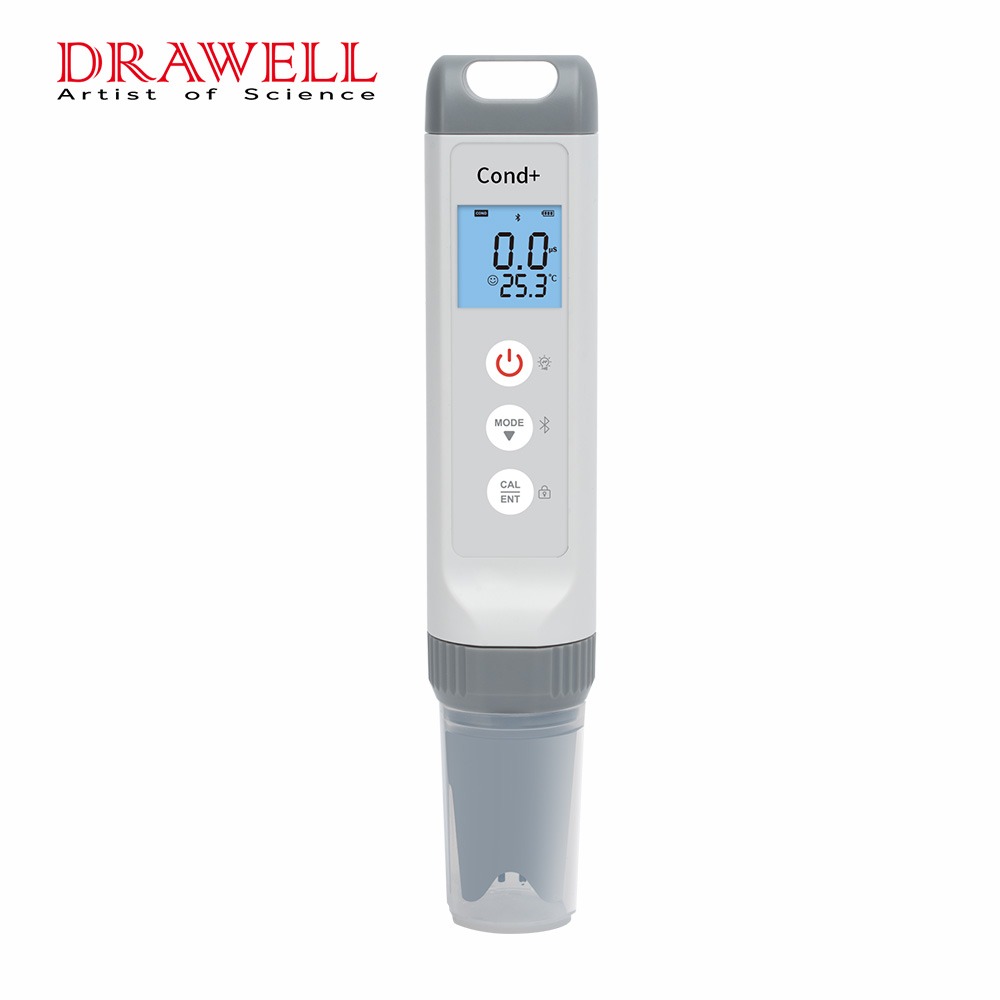
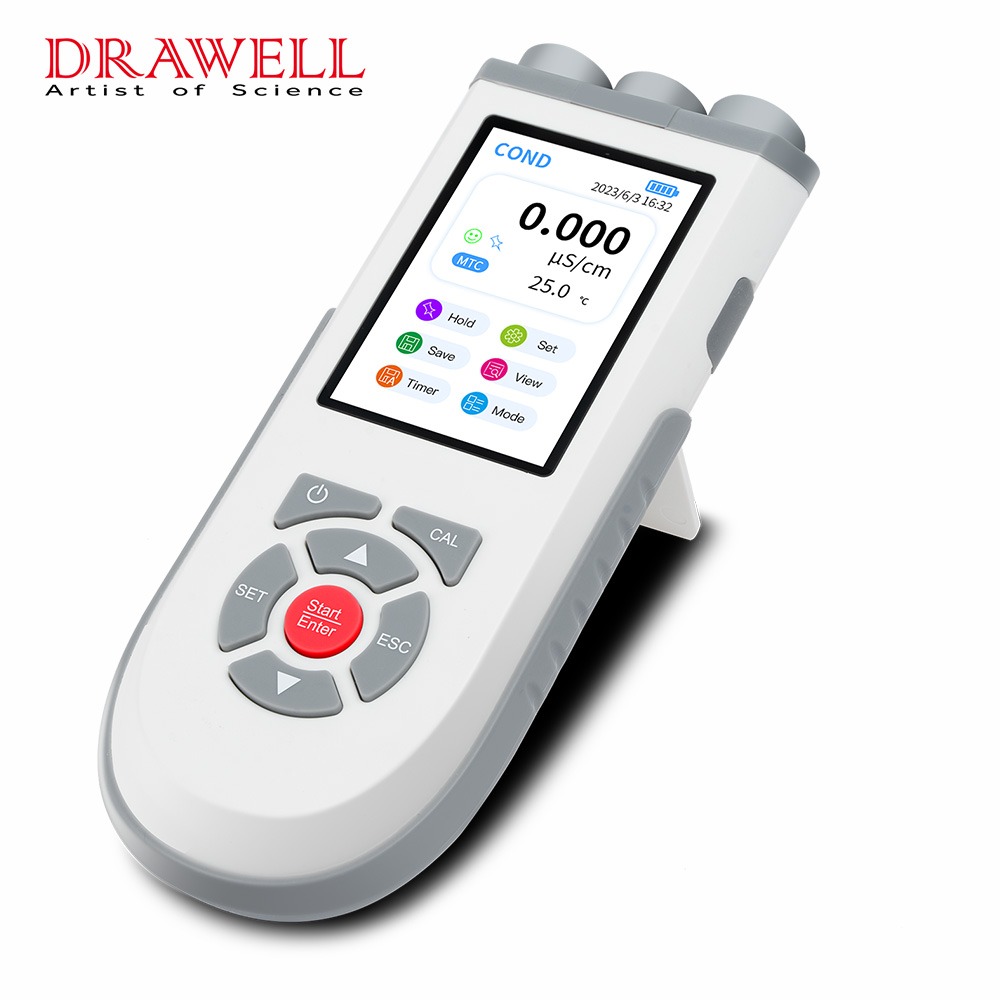
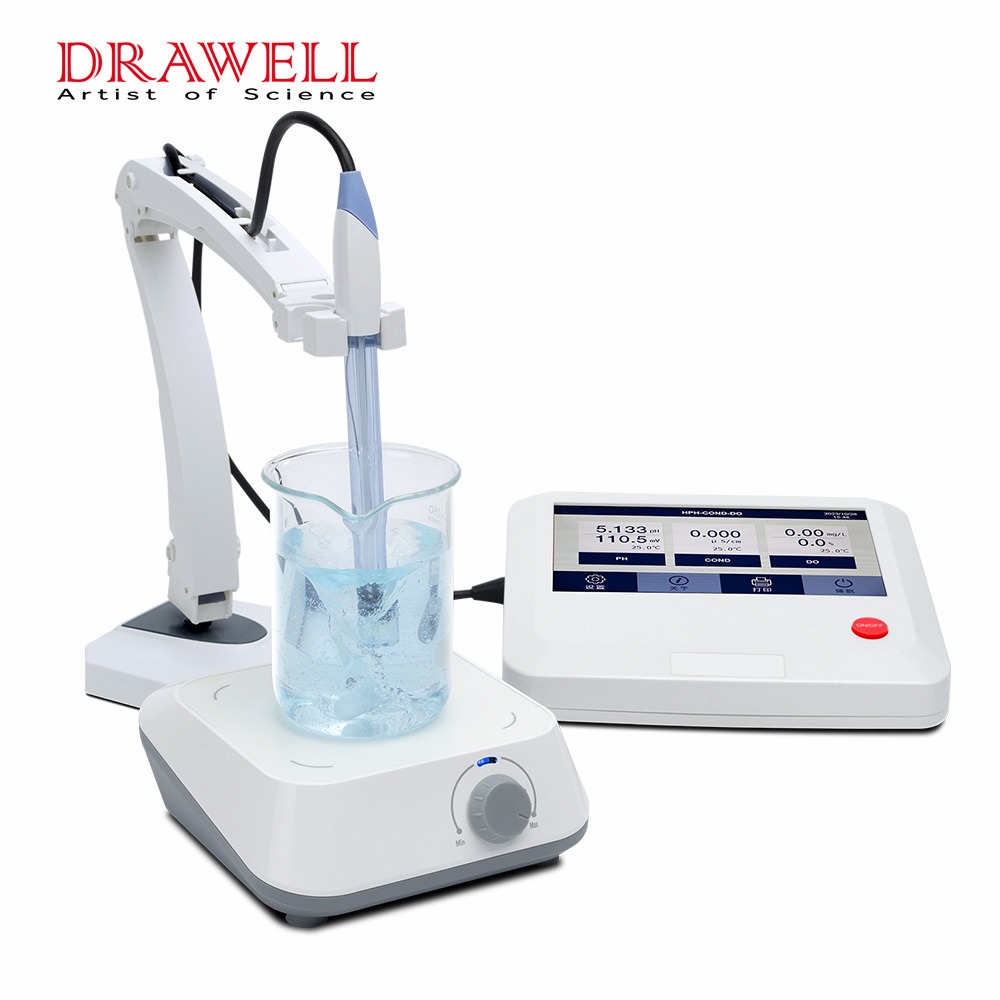
The most fundamental tool is a conductivity meter. This general term refers to any device capable of measuring the electrical conductivity of a solution. However, for soil applications, specialized versions are more common. A soil conductivity meter is specifically designed for agricultural or environmental use, often built to withstand field conditions and provide direct readings relevant to soil. Many modern soil conductivity testers are portable, handheld devices that integrate the sensor and display, making them convenient for on-site measurements. The critical component of these devices is the soil conductivity probe, which contains electrodes that come into contact with the soil or soil solution to measure conductivity.

There are two primary approaches to measuring soil EC:
1. Laboratory Method: Saturated Paste Extract (ECe)
This is widely considered the most accurate and standardized method for assessing soil salinity and is often used in research and commercial laboratories.
Process:
- Sample Collection: Representative soil samples are collected from the field, typically from different depths and locations to capture variability.
- Preparation of Saturated Paste: A known weight of air-dried soil is mixed with deionized water (or distilled water) gradually until a saturated paste is formed. This paste should be shiny, flow slightly when the container is tilted, but not stick to the mixing spatula. This step is crucial as it standardizes the soil-water ratio, ensuring comparable results across different samples.
- Equilibration: The saturated paste is allowed to equilibrate for a few hours (e.g., 4-16 hours) to ensure all soluble salts dissolve into the water phase.
- Extraction: The saturated paste is then filtered under vacuum pressure or by centrifugation to obtain the saturated paste extract (ECe), which is the soil solution.
- Measurement: The EC of this clear extract is measured using a high-quality laboratory conductivity meter.
Advantages: Provides a highly reproducible and standardized measure of soil salinity, reflecting the concentration of salts in the soil solution at field capacity. This method is the basis for most soil salinity classifications and crop tolerance thresholds.
Disadvantages: Time-consuming, requires specialized laboratory equipment, and samples must be transported to a lab.

2. Field/In-Situ Methods (Direct Measurement or Diluted Extract)
These methods offer quicker results and can be performed directly in the field, making them suitable for rapid assessments and monitoring.
Direct In-Situ Measurement:
Equipment: Requires a specialized soil conductivity probe or soil conductivity tester designed for direct insertion. These probes often have sturdy tips and multiple electrodes.
Process: The probe is inserted directly into moist soil, and the EC reading is displayed on the integrated meter. It’s critical that the soil is adequately moist (near field capacity) for accurate readings, as dry soil will yield artificially low EC values.
Advantages: Fast, convenient, and allows for numerous measurements across a field to map spatial variability.
Disadvantages: Readings are highly dependent on soil moisture content, temperature, and soil compaction, making them less precise and comparable than laboratory ECe. They usually do not represent the saturated extract EC directly. Many in-situ meters provide readings that correlate to, but are not direct measurements of, ECe. Users often need to apply conversion factors provided by the manufacturer.
Diluted Soil Extract (e.g., 1:5 Soil:Water Ratio):
Process: A known weight of air-dried soil is mixed with a fixed volume of deionized water (e.g., 1 part soil to 5 parts water by weight or volume). The mixture is shaken or stirred thoroughly, allowed to settle, and then the EC of the supernatant (clear liquid) is measured using a portable conductivity meter.
Advantages: Relatively simple, can be done with basic equipment in the field or a makeshift lab. Provides a quick estimate of soluble salts.
Disadvantages: The EC value obtained is significantly lower than ECe and requires a conversion factor, which can vary depending on soil texture and mineralogy. Typically, EC1:5 is approximately 1/5th to 1/10th of the ECe value, but this ratio is not constant.
Regardless of the method chosen, consistent calibration of the conductivity meter with standard solutions is paramount for obtaining reliable and accurate readings. Temperature compensation is also vital, as EC increases with temperature; most modern meters include automatic temperature compensation (ATC) to normalize readings to 25°C. By employing appropriate measurement techniques, farmers and researchers can gain valuable insights into their soil’s salinity status.
Managing Soil EC for Optimal Crop Performance
Once soil EC levels are measured and interpreted, the next crucial step is to implement appropriate management strategies. Both high and low EC levels can harm crop productivity, though the causes and solutions differ. Effective EC management requires a site-specific approach that considers soil type, crop sensitivity, water source quality, and field variability.
Managing High Soil EC (Excess Salinity)
High EC is typically caused by an accumulation of soluble salts from fertilizers, saline irrigation water, or poor drainage. Elevated EC disrupts plant water uptake by increasing osmotic pressure, causing physiological drought even in moist soils. Sensitive crops may exhibit stunted growth, leaf burn, or poor fruit development.
Key Management Practices:
1. Leaching Excess Salts
Objective: Move salts below the root zone using excess irrigation.
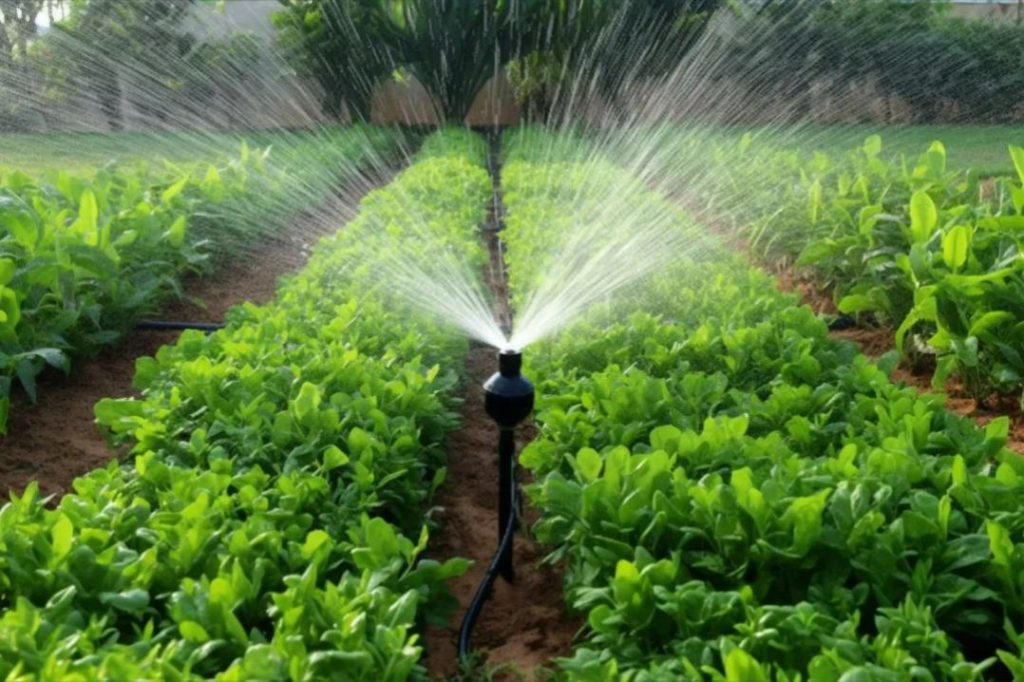
Method: Apply 10–20% more water than the soil can retain, provided there is adequate drainage.
Limitation: Not effective in poorly drained or compacted soils.
2. Improve Drainage
Install subsurface tile drains or surface ditches to prevent salt accumulation in the root zone.
Use raised beds or contour ridges to enhance surface runoff and aeration.
3. Gypsum (Calcium Sulfate) Application
Particularly useful for sodic soils, where sodium dominates exchange sites.
Gypsum replaces sodium with calcium, promoting soil aggregation and permeability.
Common application rate: 1–2 tons per acre, depending on sodicity levels.
4. Irrigation Water Management
Monitor and manage the EC of irrigation water (ideally < 0.7 dS/m for sensitive crops).
Blend saline water with fresh sources, if available.
Schedule irrigations to avoid salt buildup during critical crop stages.
5. Crop Rotation with Salt-Tolerant Varieties
Use tolerant species like barley, sorghum, cotton, or sugar beet in high-EC zones.
Rotate with deep-rooted crops to enhance salt leaching.
Managing Low Soil EC (Nutrient Deficiency or Leaching Risk)
Low EC often indicates soils with low fertility, minimal organic matter, or excessive leaching due to high rainfall or over-irrigation. In such cases, the soil may not provide sufficient ions to support robust plant growth.
Key Management Practices:
1. Balanced Fertilization
Apply fertilizers based on soil test results rather than blanket recommendations.
Include both macro- and micronutrients to avoid hidden deficiencies (e.g., sulfur, zinc).
Use slow-release fertilizers in sandy soils to prevent leaching.
2. Organic Matter Amendment
Add compost, green manure, or well-decomposed animal manure.
Benefits: Increases cation exchange capacity (CEC), water retention, and microbial activity—all of which improve nutrient retention and EC stability.
3. Reduced Irrigation Frequency
Avoid excessive water application in low EC soils to minimize nutrient loss through leaching.
Implement soil moisture sensors or tensiometers to guide irrigation scheduling.
4. Cover Cropping
Grow cover crops such as legumes or ryegrass in off-seasons to recycle nutrients and reduce erosion.
Their decay adds organic matter, enhancing the soil’s buffering capacity and electrical conductivity.
5. Soil EC Zoning and Precision Input
Use soil EC maps (from sensors or mobile platforms) to divide fields into management zones.
Apply variable-rate fertilization and irrigation based on zone-specific EC data.
Integrating EC with Broader Soil Management
While EC is an essential parameter, it should be interpreted in combination with other soil properties:
| Parameter | Importance in Context of EC |
| pH | Affects nutrient availability alongside EC |
| Soil Texture | Influences EC baseline and salt retention |
| Moisture | Directly impacts EC readings and salt mobility |
| Nutrient Levels | Clarifies if EC reflects fertility or toxicity |
A holistic soil management plan includes periodic EC testing (pre-planting, mid-season), record keeping, and integrating data with other agronomic practices.
The Role of Reliable Equipment and Suppliers
Soil EC measurement is a simple but powerful indicator that influences critical agricultural decisions. By understanding EC levels and their effect on crop water and nutrient uptake, farmers can make informed adjustments to improve yield and reduce environmental stress.
Choosing the right equipment is essential. A high-quality soil conductivity meter or probe should offer:
- Consistent calibration
- Temperature compensation
- Durable design for field use
- Reliable manufacturer support
When selecting a conductivity meter supplier, consider those with experience in agricultural applications, proven accuracy certifications, and responsive technical support. A trusted partner helps ensure your EC measurements lead to actionable insights. Contact Drawell now.
Related Products Recommendation

What Next?
For more information, or to arrange an equipment demonstration, please visit our dedicated Product Homepage or contact one of our Product Managers.


