


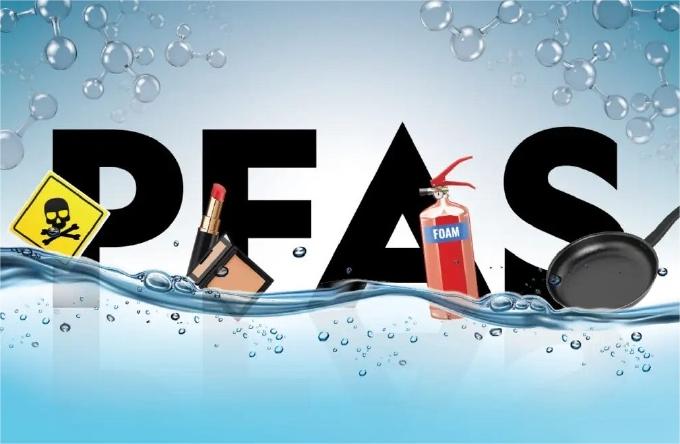
You’ve seen the headlines. “Forever chemicals” are everywhere – in non-stick pans, waterproof jackets, food wrappers, and firefighting foam.
That same chemical stability that makes them useful also allows them to travel. They move into groundwater, rivers, soil, and eventually your drinking water.
One number to remember: PFAS has been found in about 45% of tap water samples tested across the U.S. Europe and Asia are seeing similar patterns.
So the question for your lab is no longer if you should test for PFAS. It’s whether you are ready to test for the full regulatory list – 40 compounds at once.
Before PFAS Analysis
Why 40 Compounds?
Early PFAS monitoring focused mainly on two legacy compounds: PFOA and PFOS. But we now know that contaminated sites contain many other PFAS variants – some even more persistent or more mobile.
In December 2024, the U.S. EPA released Method 1633A (EPA 820R24007). It is the first multi-lab validated method for non-drinking water matrices. It requires a single workflow to accurately quantify 40 distinct PFAS compounds in one run.
These 40 compounds cover nine major PFAS classes, including:
- Perfluorocarboxylic acids (PFCAs)
- Perfluorosulfonic acids (PFSAs)
- Fluorotelomers
- Ether acids (including GenX)
- Sulfonamides
Important caveat: Over 14,000 PFAS compounds exist. A 2025 expert roundtable noted that relying only on targeted methods could miss >80% of total PFAS load. But without mastering the core 40, you cannot move to broader screening.
Global Regulatory Pressure Is Rising
- United States: As of February 1, 2025, Wisconsin’s DNR requires EPA Method 1633A for certain non-drinking water samples, with other states expected to follow.
- Europe: Revisions to the Drinking Water Directive and REACH restrictions are steadily expanding PFAS accountability.
- China: Draft industrial wastewater standards released in March 2026 include PFOA and PFOS for the first time, with proposed limits as low as 100 ng/L for new facilities.
The message is clear: full 40–compound PFAS testing is now a compliance baseline, not a future option.

The EPA 1633A Workflow – Step by Step
The method has four main phases:
- Sample collection & preparation
- Solid-phase extraction (SPE) – concentration & cleanup
- LC-MS/MS analysis (with optional GC-MS for neutral PFAS)
- Quality control & data processing
Let’s walk through each phase and the equipment you will likely need.
Phase 1: Sample Collection & Preparation – Avoiding Contamination
PFAS are everywhere. Many common lab consumables contain PTFE, which can leach PFAS into your sample.
Key steps to prevent contamination:
- Replace PTFE tubing, septa, and vial caps with polypropylene, PEEK, or stainless steel.
- Install a delay column between the LC pump and autosampler.
- Use field blanks, method blanks, and equipment blanks to track contamination sources.
Equipment you will need:
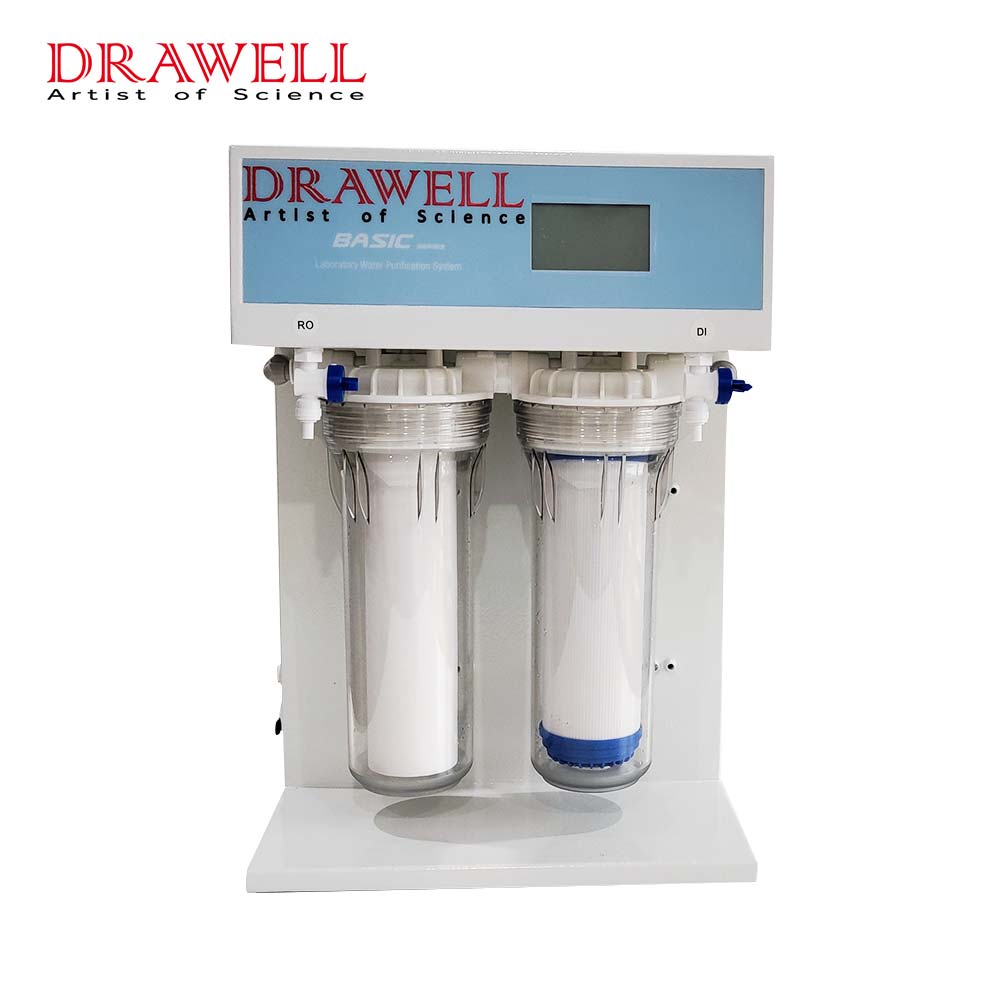
- Ultrapure water system – PFAS analysis requires water with extremely low background fluorine. Standard RO may not be enough. Look for a system that can produce water with PFAS below your detection limit.
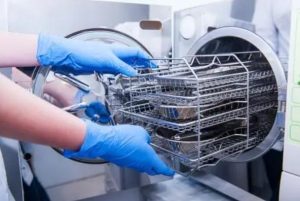
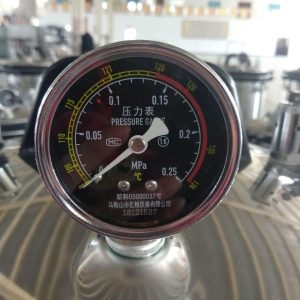
- Autoclave (steam sterilizer) – For cleaning glassware and sample vessels to remove PFAS residues that routine washing leaves behind.
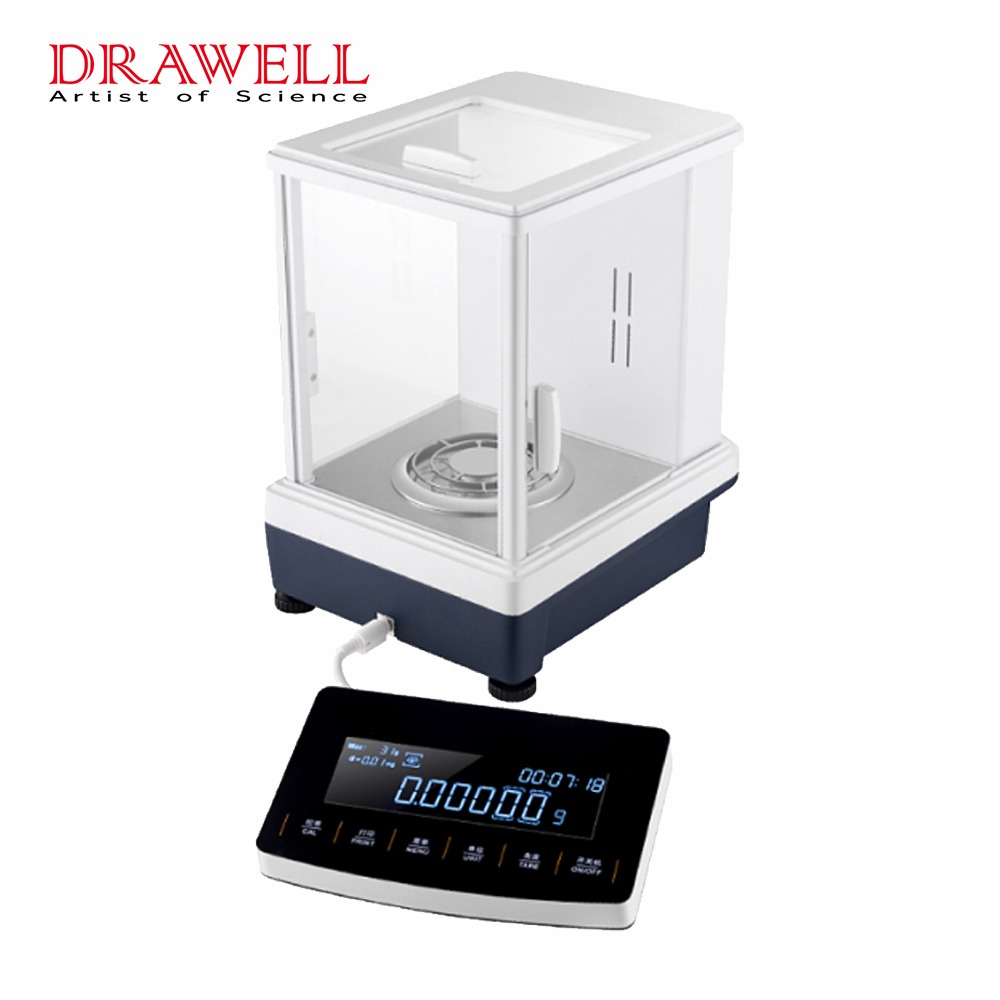
- Analytical balance – For precise preparation of standards and sample weighing.
Drawell offers ultrapure water systems, autoclaves, and analytical balances suitable for trace analysis. Contact us to explore more details.

Phase 2: Solid–Phase Extraction (SPE) – Concentration & Cleanup
Raw water or soil extracts often contain PFAS at parts-per-trillion levels – too low for direct LC-MS/MS. SPE serves two purposes:
- Concentrate PFAS for detection
- Remove interfering matrix components (humic acids, lipids, etc.)
Why WAX cartridges?
EPA 1633A recommends weak anion-exchange (WAX) SPE cartridges. PFAS have a negatively charged head group and a hydrophobic fluorinated tail. WAX captures them through dual mechanisms:
- Reversed-phase retention on the C-F chain
- Ion-exchange retention on the anionic head group
This ensures good recovery for short-chain (C4) to long-chain (C14+) PFAS.
The standard two–step process:
- Load sample onto a WAX cartridge.
- Pass eluate through graphitized carbon black (GCB) to remove organic interferences.
Automation helps. Manual SPE is labor-intensive and variable. Automated SPE systems handle conditioning, loading, washing, and elution – reducing hands-on time and improving reproducibility.
Automated SPE systems (like models with 6 or 12 parallel channels) are available from several vendors.

Phase 3: Instrument Analysis – LC–MS/MS Is the Primary Tool
EPA Method 1633A requires LC–MS/MS – reversed-phase liquid chromatography coupled to a triple quadrupole mass spectrometer.
Why LC–MS/MS?
Most of the 40 target PFAS are ionic, polar, and thermally labile. They cannot be directly analyzed by GC without derivatization (an extra step that adds time and error). LC separates them by hydrophobicity, and MS/MS detects them with high selectivity and sensitivity.
What your LC–MS/MS system should deliver:
| Requirement | Why It Matters |
| Low PFAS background (modified LC) | Prevents false positives |
| Sub-ppt detection limits | Meets regulatory standards |
| Wide dynamic range | Handles low- and high-level samples |
| Stable retention times | Accurate peak identification |
| Fast polarity switching | Detects both positive and negative ions in one run |
What about neutral PFAS?
Some PFAS – e.g., fluorotelomer alcohols (FTOHs) and perfluorooctane sulfonamides (FASAs) – do not ionize well in electrospray. For those, GC–MS is a useful complement, especially for food contact materials and AFFF-impacted soils.
Instrument selection guide:
| Sample Matrix | Primary Instrument | Notes |
| Groundwater, surface water | LC-MS/MS (EPA 1633A) | Covers all 40 compounds |
| Wastewater effluent | LC-MS/MS with SPE | High cleanup required |
| Soils, sediments, biosolids | LC-MS/MS with modified extraction | More intensive prep |
| Food packaging, products | LC-MS/MS + GC-MS as needed | Two-instrument strategy |
Drawell supplies both LC-MS and GC-MS systems. Feel free to contact us for specifications.
Phase 4: Quality Control – Three Must–Do Checkpoints
Even with good instruments, trace PFAS quantitation is tricky. EPA 1633A defines three control points:
1. Contamination control
Run field blanks, method blanks, and equipment blanks regularly. They tell you if your sampling gear, reagents, or lab air is introducing PFAS.
2. Extraction consistency
Short-chain PFAS bind weakly to SPE sorbents. Small changes in flow rate or solvent strength can shift recoveries. Automated SPE helps, but you still need ongoing precision and recovery (IPR) checks.
3. Chromatographic stability
Retention time drift is common due to complex matrices. Monitor windows for each compound and recalibrate when drift exceeds limits.
Isotope dilution is also required. Add isotopically labeled internal standards before extraction. They track recovery independently. If recovery falls outside 70-130%, the data may be invalid.
Additional Lab Safety & Support Equipment
PFAS sample preparation uses organic solvents (methanol, acetonitrile, formic acid). Protect your team with:
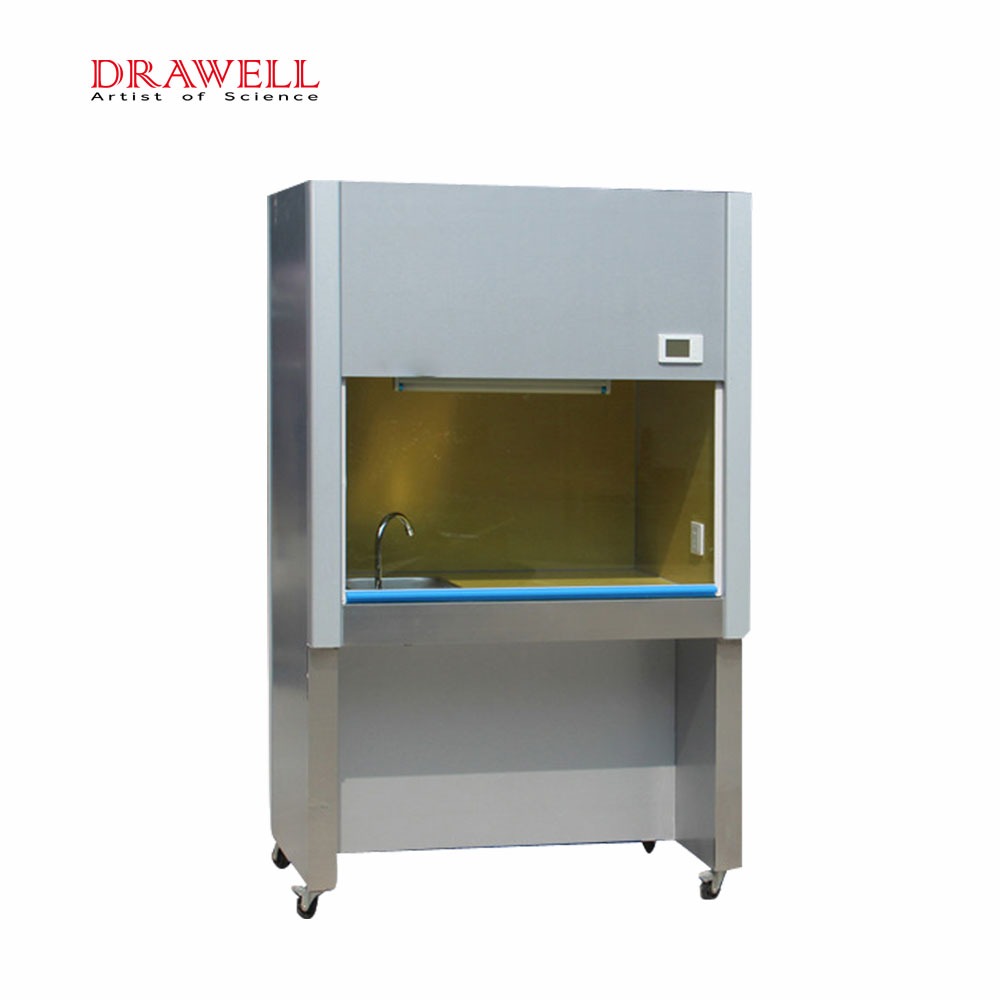
- Chemical fume hood – Capture solvent vapors at the source. Look for adjustable face velocity (~0.5 m/s) and all-steel construction.
- Biological safety cabinet – If you handle fish tissues or biosolids with potential biohazards, a Class II A2 cabinet is recommended.
Drawell offers fume hoods and biosafety cabinets – check the lab furniture section on the website.
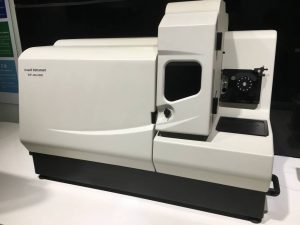
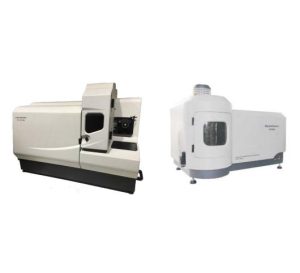
For labs that also monitor heavy metals in environmental samples (many do), ICP–MS can analyze >80 elements simultaneously at sub-ppb levels. While ICP-MS does not measure PFAS (PFAS are organic), having a single vendor for both organic and inorganic analysis can simplify procurement.

Is Your Lab Ready? Take Action
Here is the checklist for building 40-compound PFAS capability:
- Ultrapure water system (low PFAS background)
- Autoclave for glassware cleaning
- Analytical balance for standard prep
- Automated or manual SPE setup (WAX cartridges + GCB)
- LC-MS/MS (sub-ppt sensitivity, fast polarity switching)
- Optional: GC-MS for neutral PFAS
- Fume hood for solvent safety
- Rigorous QC protocol (blanks, isotope dilution, retention time monitoring)
Regulatory pressure is not going away. Whether you are in the U.S., Europe, or China, the demand for accurate, defensible PFAS data will only grow.
So what is your timeline? If the answer is “later this year” or “when clients ask for it,” then start planning now.
Drawell Analytical provides a range of laboratory instruments that can support your PFAS testing workflow – from ultrapure water systems and autoclaves to analytical balances, SPE systems, LC-MS, GC-MS, fume hoods, and ICP-MS.
Visit Drawell Home to explore products, compare specifications, and contact the technical team for a personalized recommendation based on your lab’s needs and budget.
Get Quote Here!
Latest Posts


What Next?
For more information, or to arrange an equipment demonstration, please visit our dedicated Product Homepage or contact one of our Product Managers.


