


Water purification systems increasingly depend on multiple technological systems to reach their required water quality standards. The system uses Reverse Osmosis(RO), Deionization(DI) and Ultraviolet(UV) technologies as essential components to create ultrapure water. The right system selection for specific needs requires understanding how these technologies work together.

Why Integrate RO, DI, and UV in Water Purification Systems
Reverse osmosis (RO): The First Defense Line
This process uses a filter process that forces water through a semi-permeable membrane to remove dissolved solids, chemicals, and other impurities from water. RO water purification systems minimize salts, heavy metals, and certain organics in water; therefore giving a source of purified water. What makes it very attractive is the technology’s capability to remove an maximum of total dissolved solids (TDS); thus it is the first level of water purification for water.
While reverse osmosis is about the most efficient at removing many contaminants, it does not destroy all dissolved ions and harmful bioorganisms in water. However, further purification must be applied to make the water ultraclean before putting it through sensitive laboratory or industrial work.
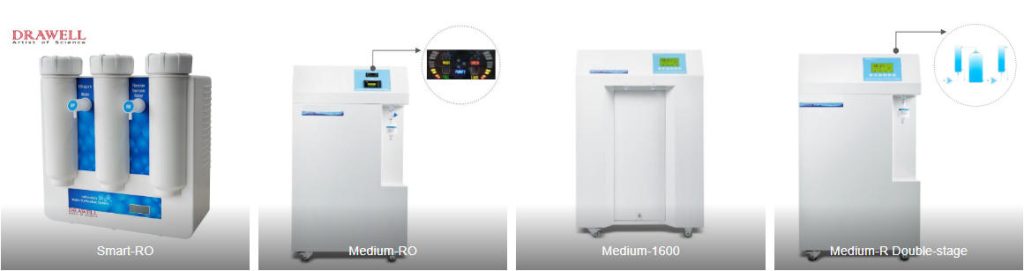
Deionization (DI): Refining Water Quality
Deionization is also used to scrub RO-treated water from other ions. Deionized water purification systems employ ion-exchange resins to remove undesirable cations and anions from water and repl ace them with hydrogen and hydroxide ions, combining the two to form H2O. The result is ultrapure, low-conductivity water that can be used for any application that requires a very high degree of chemical purity, including electronics manufacturing, pharmaceuticals, and analytical laboratories.
RO and DI can be employed in combination to create a two-step cleaning system. RO removes the bulk of the impurities, prolonging the life of the DI resins, and DI removes any leftover impurities or ions that the RO membranes could have missed.

Ultraviolet (UV) Treatment: Ensuring Microbial Safety
Subsequent to treatment through DI and RO processes, water can harbor microbial contamination and, therefore, demands further UV-than-sterile treatment. This treatment applies the water to UV light at a specific wavelength, which effectively kills bacteria, viruses, and other biological agents by destroying their DNA.
Of all the options before us, the UV sterilizer would look fascinating. It would offer an added level of safety without making any alteration in the water being treated.
The Advantages of Integration
- Superior Water Quality: UV, RO, and DI remove chemical, ionic, and microbial contaminants.
- Extended System Lifespan: RO protects the DI resins, and both protect the UV system by preventing fouling and scaling.
- Operational Efficiency: Reduced maintenance and enhanced performance in rehabilitation.
- Peace of Mind: High purity assured, in super-safe water for essential processes.
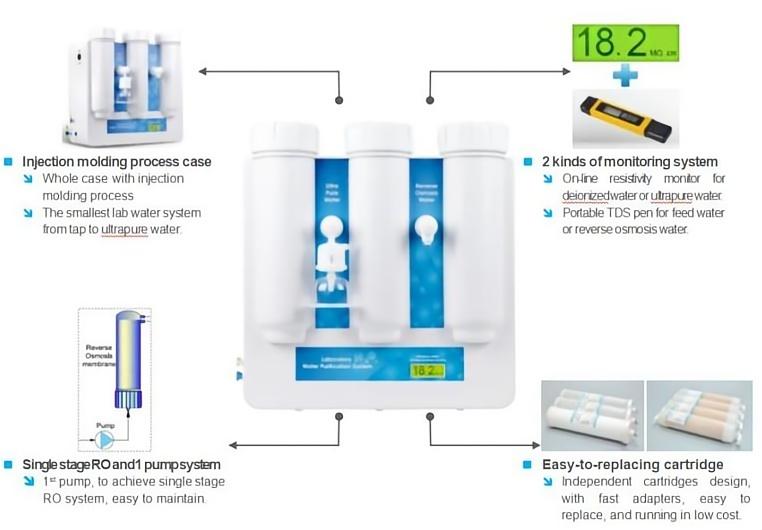
How RO, DI, and UV Work Together in Water Purification Systems
This chart provides the sequential synergy of RO, DI, and UV, showing how each stage addresses different contaminants and contributes to producing high-purity water.
| Technology | Function | Contaminants Addressed | Role in the System |
| Stage 1. Reverse Osmosis (RO) | Filters water through a semi-permeable membrane | Dissolved solids, heavy metals, organic compounds, sediments | RO Provides the first line of water purification, reducing total dissolved solids and protecting downstream components |
| Stage 2. Deionization (DI) | Uses ion-exchange resins to remove residual ions | Cations and anions that remain after RO | DI Polishes the water to achieve ultrapure chemical quality |
| Stage 3. Ultraviolet (UV) | Exposes water to UV light to inactivate microorganisms | Bacteria, viruses, protozoa | UV Ensures microbiological safety of water after chemical and ionic purification |
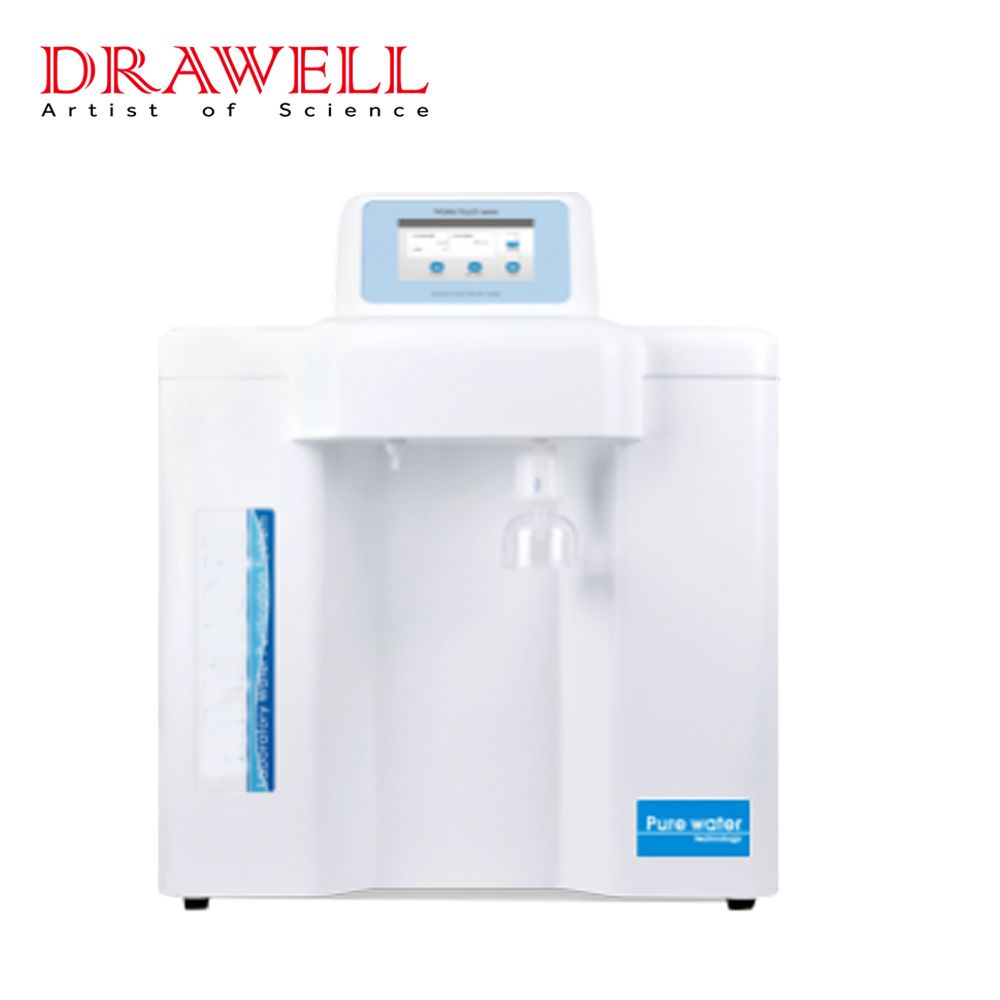
Applications of Integrated RO, DI and UV Water Purification Systems
This chart shows how the integration of RO, DI and UV supports different industries by addressing chemical, ionic, and microbial water quality needs.
| Application Area | Why High-Purity Water is Needed | How RO, DI, UV Helps | Example Use Cases |
| Laboratories & Research Facilities | Experiments and analyses require contaminant-free water to ensure accuracy | RO removes bulk contaminants, DI polishes water to ultrapure levels, UV sterilizes microbes | Chemical assays, cell culture, analytical testing |
| Pharmaceutical & Biotechnology Production | Water must meet strict regulatory standards to avoid contamination of products | RO reduces dissolved solids, DI ensures ion-free water, UV provides microbial safety | Drug formulation, sterile solutions, biotech research |
| Medical & Dental Facilities | Equipment sterilization and patient care require microbially safe water | RO and DI remove chemical and ionic impurities, UV eliminates bacteria and viruses | Surgical instruments, autoclaves, dental procedures |
| Electronics & Semiconductor Manufacturing | Ionic impurities can damage sensitive electronic components | RO removes dissolved solids, DI polishes water to ultrapure quality, UV ensures no microbial contamination | Chip fabrication, PCB rinsing, cleanroom operations |
| Aquaculture & Food Industry | Water quality impacts health of organisms and safety of food | RO removes contaminants, DI ensures chemical purity, UV sterilizes water | Fish farming, seafood processing, food beverage production |
| Industrial & Chemical Processes | Consistent water quality is required for precision processes | RO handles bulk impurities, DI provides ultrapure water, UV prevents microbial interference | Cooling systems, chemical reactions, boiler feed water |

Future Trends in Integrating RO, DI and UV Technologies in Water Purification Systems
The integration of RO, DI, and UV treatment has already set a high standard for water quality. However, future trends point toward even smarter, more efficient, and more sustainable ultrapure water purification Systems that address emerging challenges in water treatment.
1. Smart Integration and Automation
This represents the first of the trends that will become very critical in the near future-by making possible automatic monitoring of water quality characteristics in real time. The sensors to be integrated with the whole set of RO, DI, UV stages are mosquitoes in your ears being able to afford to measure total dissolved solvents (i.e. TDS), conductivity, and microbial activity in water and increase or decrease the concentration of the same by giving the creamily produced results.
- Enhanced Energy Efficiency
Besides, energy efficiency is also becoming a big issue in water purification. It is very likely that future integrated systems will incorporate energy conservation mechanisms such as low-pressure RO membranes and optimized UV lamps that still provide thorough sterilization but consume as little power as possible. Integrating such innovations with DI processes enables plants to produce water with very high purity and little damaging effect on the environment and operators’ expenses.
3. Advanced Materials for Membranes and Resins
Materials designed for RO membranes and DI resins have also evolved. Out of the new materials, which boast increased rejection rates for contaminants and extended life, are being developed-integrated systems can then deal with sources with more pollution. This advancement is meant to lessen maintenance scales and increase system reliability. UV lights are being improved to ensure continuous microbial disinfection with no failures over the extended operational life.
4. Compact and modular systems
Another emerging trend is the shift toward compact, modular water purification systems. These designs allow facilities to scale their water treatment capacity according to their needs without requiring complete system overhauls. Modular RO, DI and UV units can be customized for laboratories, pharmaceutical plants, or industrial operations, providing flexibility while maintaining high water quality standards.
5. Sustainability and Resource Recovery
Sustainability is becoming central to future water purification trends. Integrated RO, DI and UV systems are being designed to minimize water waste, recover valuable minerals, and reduce chemical use. For example, advanced RO membranes may allow higher water recovery rates, while DI resins can be regenerated more efficiently. UV systems are being optimized to minimize energy consumption while maintaining sterilization effectiveness. These improvements not only reduce environmental impact but also enhance cost efficiency.

Final Words
The integration of RO, DI, and UV technologies in water purification systems represents a comprehensive approach to producing ultrapure, safe water. By bringing the individual benefits of each technology to bear on water purification, these systems ensure chemical, ionic, and microbial purity, thereby meeting the exacting standards of industrial, laboratory, and medical applications. Increased demand for ultrapure and safe water will ensure that integrated RO, DI, and UV systems continue to take the lead in innovations, guaranteeing high quality, safety, and environmental responsibility to the water.
Get Quote Here!
Latest Posts
What Next?
For more information, or to arrange an equipment demonstration, please visit our dedicated Product Homepage or contact one of our Product Managers.


