


Total Organic Carbon (TOC) analysis is an important technique to measure the concentration of carbon organic in water, wastewater and other environmental samples. This measurement is widely used in water treatment, industrial processes and environmental monitoring to determine the levels of organic contamination in a given sample. Catalytic oxidation and wet chemical oxidation, are the two most widely used methods for Total Organic Carbon analyzers. Each method has its own benefits and limitations. It is important to understand the differences between the two oxidation techniques in order to select the suitable one for TOC analyzers for specific applications.
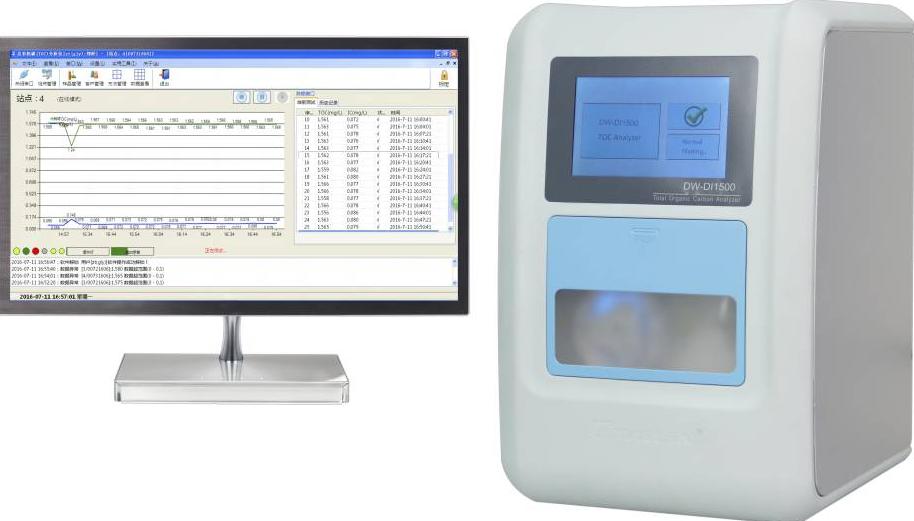
What is Total Organic Carbon Analysis
Total Organic Carbon analysis involves oxidizing carbon organic to produce CO₂, which is then measured. This oxidation is achieved using two main methods: wet chemical and catalytic. The method used depends on the nature of sample, required sensitivity and operational requirements of the lab or industrial application.
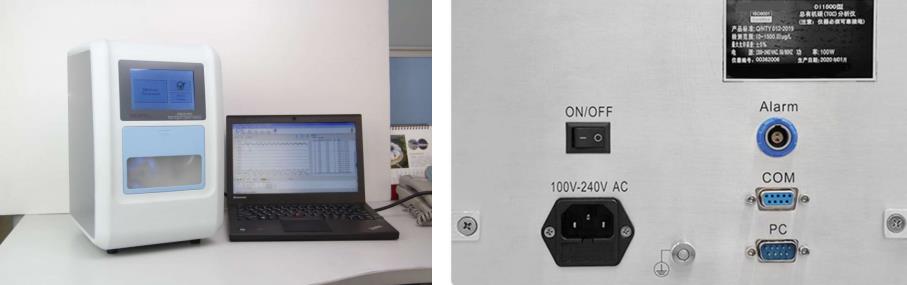
Understanding Catalytic Oxidation in Total Organic Carbon Analyzers
The catalytic oxidation method is used to determine the amount of carbon organic in a sample. This is done by oxidizing organic substances to carbon dioxide (CO₂) which is then detected. This method uses a platinum or gold catalyst to speed up the oxidation, which allows for the conversion of organic carbon at high temperatures into CO₂.
How Catalytic Oxidation Works in TOC Analyzers
The following steps are usually involved in catalytic oxidation in Total Organic Carbon analyzers :
- Sample Introduction: A sample is placed into the combustion chamber of the analyzer.
- Heating Process: The sample is heated at a high temperature, usually around 680degC in the presence a catalyst such as gold or platinum. The high temperature combined with catalytic activity oxidizes organic carbon within the sample to carbon dioxide .
- CO₂ Detection: CO₂ is detected using an infrared detector (NDIR), or another CO₂ detection technique. The amount CO₂ detected in a sample is directly proportional with the amount of carbon organic.
Advantages
- High Sensitivity: Catalytic oxidation is highly sensitive, even at low levels of organic carbon. It is ideal for detecting trace amounts of organic contaminants in samples such as water, wastewater and environmental samples.
- Fast and Efficient: The oxidation occurs rapidly at high temperatures. This leads to short analysis time. This is especially useful for applications that require rapid real-time measurements.
- Minimal Sample Preparation: Prior to analysis. It simplifies workflows and reduces the risk of contamination or sample loss.
- Broad Application Range:, including water samples, wastewaters, industrial effluents and natural bodies of water. It is versatile because it can be used in both industrial and environmental settings to measure low and high Total Organic Carbon concentrations.
- Robust and Low Maintenance:Catalytic oxidation methods have fewer moving components than other methods. This means that they are less susceptible to wear and tear. The systems are also relatively low-maintenance, which reduces operational costs.
Limitations
- High Temperature Requirements: Catalytic oxidation is a process that requires high temperatures (typically around 680°C), and may not be suitable to all samples. These high temperatures can cause some samples to decompose, or even evaporate, especially if they are heat-sensitive.
- Inorganic Carbon Interference: Inorganic carbon can interfere with oxidation processes (e.g. in seawater and hard water). If inorganic carbon is not removed properly, it can be converted to CO₂ when heated at high temperatures. This will lead to false readings. It is necessary to take additional steps such as acidification, or separate pre-treatments, in order to measure only organic carbon.
- Limitations for Complex Sample Matrixes: The oxidation process can be less efficient in samples that have a complex matrix. Examples include those with high levels or interference from chemicals, as well as samples with particulates. It can lead to incomplete oxidation, or a lower sensitivity. Additional sample preparation is required or alternative methods.
- Catalyst Degradation over Time: Although catalytic oxidation is a low-maintenance process, the catalysts (gold or platinum) can degrade with exposure to high temperatures. This can lead to a reduction in the efficiency of the system, and the need for periodic replacement of catalyst.
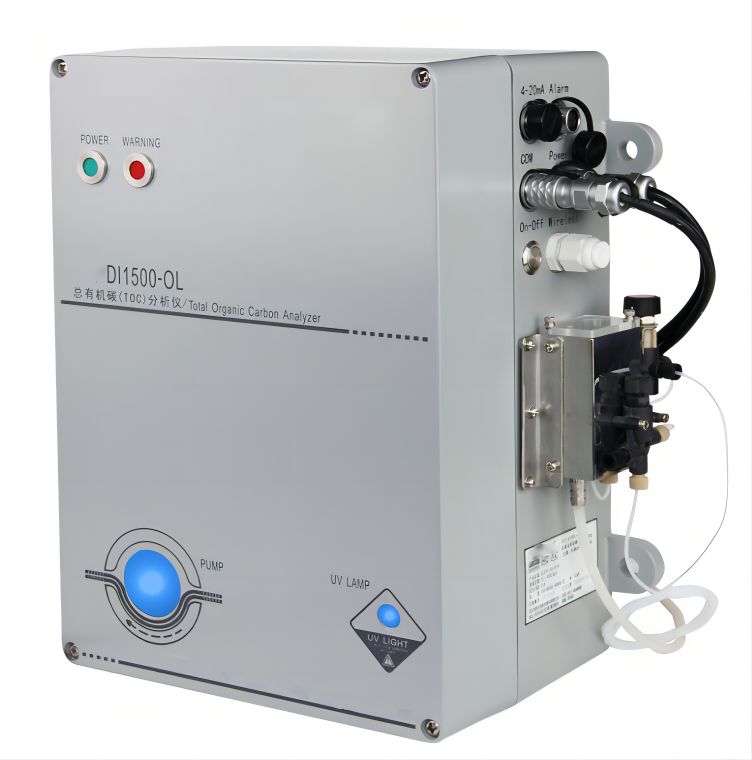
What is Wet Chemical Oxidation in Total Organic Carbon Analyzers
The oxidation process of organic carbon to CO₂ is carried out using chemical reagents at temperatures lower than those used by other oxidation techniques. Wet chemical combustion is used when catalytic oxidation can’t be performed due to the complexity of sample matrix, temperature sensitivity or need for more controlled and select reaction.
How Wet Chemical Oxidation Works in TOC Analyzers
These steps are generally followed by the wet chemical oxidation in Total Organic Carbon analyzers:
- Sample Preparation: A small amount of the sample, along with a reagent that oxidizes, such as potassium dichromate or persulfate, is placed in a digestion vessel. These reagents are strong oxidizers that break down the organic compounds within the sample.
- Heating Process: The mixture of sample and reagent is heated to temperatures between 100°C and 150°C. This heating promotes the conversion of organic carbon into carbon dioxide. It is often done by producing highly reactive radicals which break down the carbon-carbon bond in organic compounds.
- CO₂ Detection: After the organic carbon has been oxidized to CO₂, it’s measured using a CO₂ detection system. This is usually a nondispersive (NDIR), or conductivity, detector. The amount of carbon dioxide produced is directly proportional with the concentration of the organic carbon sample.
Advantages
- Lower Temperature: The wet chemical oxidation is performed at lower temperatures (100°C to 150°C), compared with catalytic oxidation which operates around temperatures of 680°C. It is therefore a better option for heat sensitive samples, which could decompose at higher temperatures or evaporate.
- Effective for Complex Matrixes: This method has a particular advantage for samples that have complex matrices such as seawater or wastewater. It is also effective for natural water and other samples with a mixture organic and inorganic carbon. This method can be modified to handle complex samples more efficiently without inorganic carbon interfering, as can happen in high-temperature catalyst methods.
- Reagent Flexibility: Chemical oxidation using wet reagents is more flexible. Different oxidizing agent, such as potassium dichromate or ozone, depending on the sample type and desired conditions of analysis, can be selected. This flexibility allows for more customization based on the needs of each application.
- Simple and Low Cost: Wet chemical oxidation systems that use wet chemicals are typically less expensive than catalytic systems. The components are simpler, which results in lower maintenance and operation costs. This method is popular for TOC analysis in many industries and laboratories because of its affordability and simplicity.
- Lower Cost and Simplicity: Wet chemical oxidation can be designed so that it minimizes interference with other samples. This is particularly useful for samples that contain large amounts of particulate material or dissolved organic carbon (DIC), both of which can cause problems with high-temperature methods.
Limitations
- Longer Analysis Time: The wet chemical oxidation process takes longer to complete than catalytic oxidation. Sample digestion can take 30 minutes up to an hour depending on sample volume and reagent. This slower processing can be an issue for applications that require rapid analysis.
- Use of Hazardous Chemicals: Wet chemical oxidation uses strong oxidizing agents such as potassium persulfate which is hazardous to use and dispose. When working with these chemicals it is necessary to take special precautions and follow safety procedures. This can make laboratory operations more complex.
- Reagent Handling and Cost: The use and storage of chemical reagents is a costly operation. The reagents also need to be handled and stored properly, which may require additional equipment and training.
- Potential for Incomplete Oxidation: Wet chemical oxidation can sometimes fail to completely oxidize complex organic compounds. This is especially true for samples containing recalcitrant or high-level particulate organics, which could require extended oxidation time or additional sample treatment.
- Limited Sensitivity: Although wet chemical oxygenation is an effective method for many applications it has a lower sensitivity compared to catalytic oxidation. This is especially true when measuring low levels of Total Organic carbon. It may not be appropriate for samples with very low concentrations unless they are enhanced using specialized techniques and reagents.
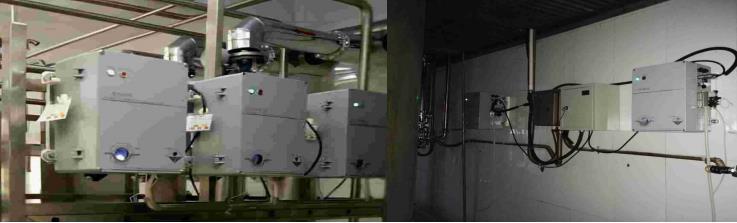
A Comparative Analysis of Catalytic vs. Wet Chemical Oxidation in Total Organic Carbon Analyzers
This chart allows you to compare the main features, advantages and limitations of both wet chemical and catalytic oxidation methods in Total Organic Carbon analyzers. Each method is unique and has different strengths that make it suitable for a variety of applications.
| Criteria | Catalytic Oxidation | Wet Chemical Oxidation |
| Operating Temperature | High (around 680°C). | Low to moderate temperatures (100°C – 150°C). |
| Oxidizing Agent | Platinum or gold catalyst | Chemical Reagents (e.g. potassium persulfate and potassium dichromate). |
| Analysis Time | Fast (minutes). | The duration of the longer sessions is usually 30-60 minutes |
| Sensitivity | High sensitivity for low TOC Concentrations | Moderate sensitivity may have difficulty with low concentrations |
| Inorganic Carbon Handling | Inorganic carbon may interfere with the removal process and require additional steps | It is a good inorganic carbon handler, particularly with the right reagent. |
| Maintenance | Few moving parts, low maintenance | Chemicals and reagents require more maintenance |
| Reagent Cost | No need for reagents to oxidize | Addition of ongoing costs for Reagents, e.g. persulfate |
| Sample Volume | Suitable for larger sample volumes | Used for smaller samples |
| Environmental Suitability | Not ideal for heat-sensitive samples | Better for heat-sensitive samples |
| Cost | Low operational costs but higher initial investment | Low initial investment but higher reagent costs |
| Accuracy and Precision | For simple matrices, high precision and accuracy | Reliable for complex or contaminated matrixes |
| Ease Of Use | High-temperature setup requires more complex equipment | Chemical handling simplified for easier setup |
| Safety and Toxicity | Operation with minimal safety concerns | Safety risks when handling strong oxidizing agents |
| Common Application | Industrial processes, water and wastewater treatment, environmental monitor-ship, | Environmental monitoring, wastewater treatments, marine research and pharmaceutical testing |
Key Factors for Selecting Between Catalytic and Wet Chemical Oxidation Methods in Total Organic Carbon Analyzers
- Temperature and Sample Sensitivity
The temperature at which oxidation takes place is a key factor to consider when deciding between wet chemical and catalytic oxidation. For catalytic oxidation, high temperatures are required, usually around 680°C. This high-temperature oxidation process is effective and rapid for most types of samples. However, heat-sensitive samples may not be able to use it. The high temperatures of catalytic oxidation can cause a sample to lose or degrade important constituents if it contains volatile organic compounds or is easily decomposable. This could lead to inaccurate results.
Wet chemical oxidation, on the other hand, operates at lower temperatures, which makes it a good choice for heat sensitive samples. This method is preferred when analyzing samples which cannot tolerate high temperatures. Examples include volatile organic compounds or those that are delicate. Therefore, if the sample is temperature-sensitive, wet chemical oxidation may be the safer and more effective option.
- Sample Matrix and Complexity
The matrix of the sample is critical in determining what oxidation technique to use. Catalytic oxidation works best for simple water samples with low inorganic carbon. Catalytic oxidation may be interfered with in complex samples, such as those that contain high levels of carbon inorganic (e.g. seawater or hard water), or particles. If the inorganic carbon is not correctly accounted for, it can also be converted into carbon dioxide when heated to high temperatures. This will lead to an incorrect estimate of organic carbon. In order to resolve this issue, additional steps are usually required, such as acidification.
The wet chemical oxidation is more suitable for complex samples. The method can handle higher levels of inorganic carbon more efficiently by using oxidizing agents like potassium persulfate. Wet chemical oxidation is adaptable to different types of samples, such as those with high concentrations inorganic carbon and those containing other compounds that may interfere with analysis. Wet chemical oxidation is therefore a good choice for samples containing high levels of salinity or wastewater.
- Sensitivity and Detection Limits
Catalytic and wet chemical oxidation are both highly sensitive method for TOC analysis, but their performance differs at very low organic carbon concentrations. The catalytic oxidation method is more sensitive, which makes it ideal for detecting small amounts of organic carbon. This method is used to measure low Total Organic Carbon levels, for example in the monitoring of ultra-pure water during pharmaceutical manufacturing and high-quality water testing.
The wet chemical oxidation is less sensitive, particularly when dealing with low Total Organic Carbon levels. It is very effective at measuring high TOC levels. However, in order to achieve the same sensitivity as catalytic, additional steps may be required (e.g. longer digestion times, or higher reagents concentrations).
- Analysis Time and Throughput
When choosing between two oxidation techniques, the speed of analysis also plays a significant role. The high temperatures at which catalytic oxidation operates accelerates the process of oxidation. Catalytic oxidation is a good choice for applications that require high throughput, like municipal water treatment plants or industrial monitoring.
Comparatively, the wet chemical digestion takes longer to complete. The heating step is crucial for oxidation and can take as long as an hour depending on the sample. This longer processing time is not ideal in situations where results are needed quickly, but it can be acceptable when the sample or reagent requires wet chemical oxidation.
- Cost considerations
Initial equipment costs and ongoing operating expenses are important to consider when evaluating costs associated with wet chemical and catalytic oxidation. Initial costs for catalytic oxidation are higher due to the use of high-temperature components (such as platinum or gold) and specialized catalysts. The operational costs, however, are low since no chemical reagents or catalysts are needed for the oxidation.
The initial cost of wet chemical systems is usually lower, but they require chemical reagents such as potassium persulfate. This can increase ongoing costs. Moreover, the handling and disposal of these chemicals can require special safety protocols that may increase costs.
- Maintenance and Operational Considerations
Catalytic oxidation is known to be low-maintenance because of its simplicity and lack of moving components. The catalyst (typically gold or platinum) used in the process can degrade with time, particularly when exposed to aggressive chemicals and high temperatures. The catalyst must be replaced periodically, increasing the cost of long-term operations.
While wet chemical oxidation is generally simpler, it requires more frequent attention in terms of chemical handling and reagent administration. To ensure consistency, it is important to monitor reagent storage and quality regularly. Safety precautions are also required when handling potentially hazardous chemicals such as persulfate. This can lead to more work in maintenance and operation than with catalytic systems.
Summary
- Catalytic oxidation excels in speed, sensitivity, and simplicity for samples that are less complex and can withstand high temperatures, making it ideal for high-throughput environments.
- Wet chemical oxidation, with its ability to handle complex matrices and lower operating temperatures in Total Organic Carbon analyzers, is better suited for more challenging samples, such as those with high inorganic carbon or heat-sensitive organic compounds.
Final Thoughts
The catalytic and the wet chemical oxidation method in Total Organic Carbon analyzers have distinct advantages. Their choice should be made based on their specific needs, such as sample type, temperature sensitivities, sensitivity requirements and analysis speed. Through understanding the key differences between the two methods, laboratories and industries can make more informed decisions to ensure accurate and efficient TOC analysis.
Related Products Recommendation
Get Quote Here!
Latest Posts
What Next?
For more information, or to arrange an equipment demonstration, please visit our dedicated Product Homepage or contact one of our Product Managers.


