


If you ever get unexpected results from your AAS analysis and don’t know why, the first place to investigate is often sample preparation. Much of the problem can come down to one often-overlooked step: digestion. The instrument is only part of the process; getting the sample into a suitable form for analysis is just as important—whether you are working with soil, food, or biological samples.
This guide covers why sample digestion is needed for AAS, which samples need digestion, and how to select a procedure that matches your actual process.

Why Do Some AAS Samples Need Digestion?
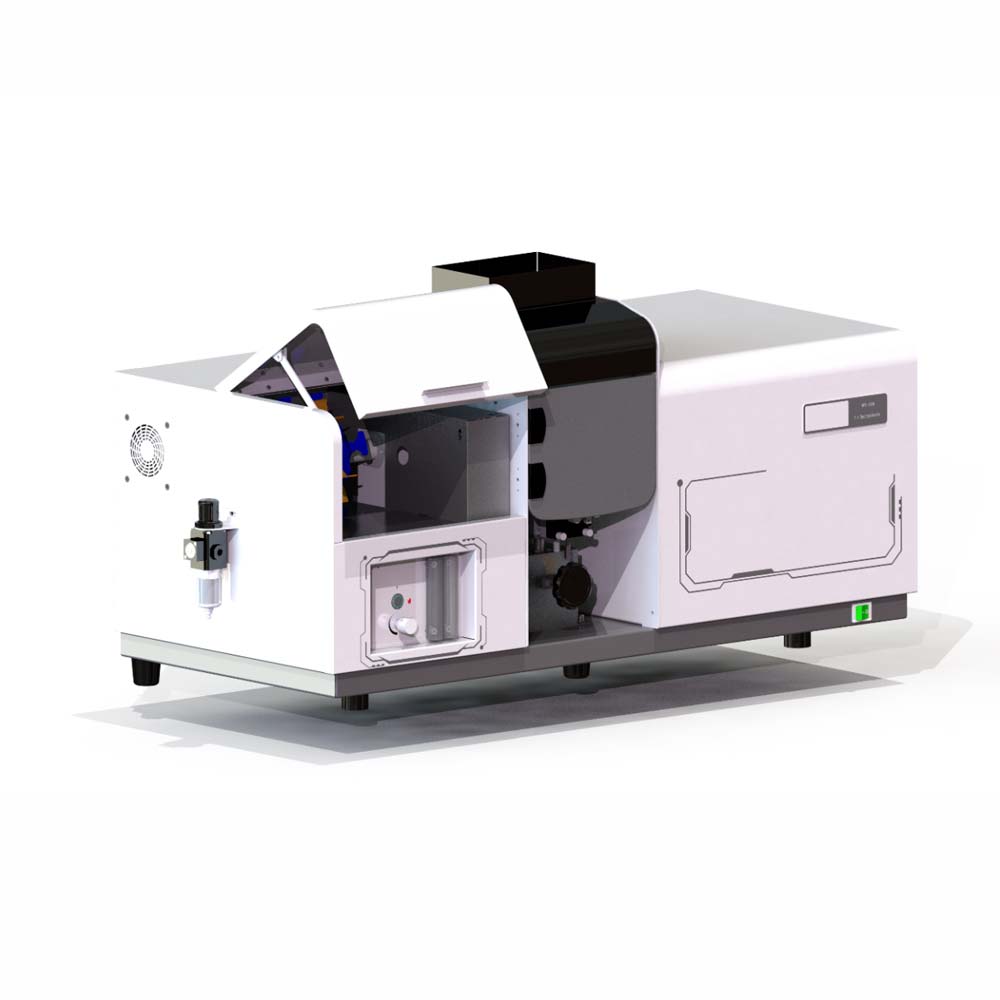
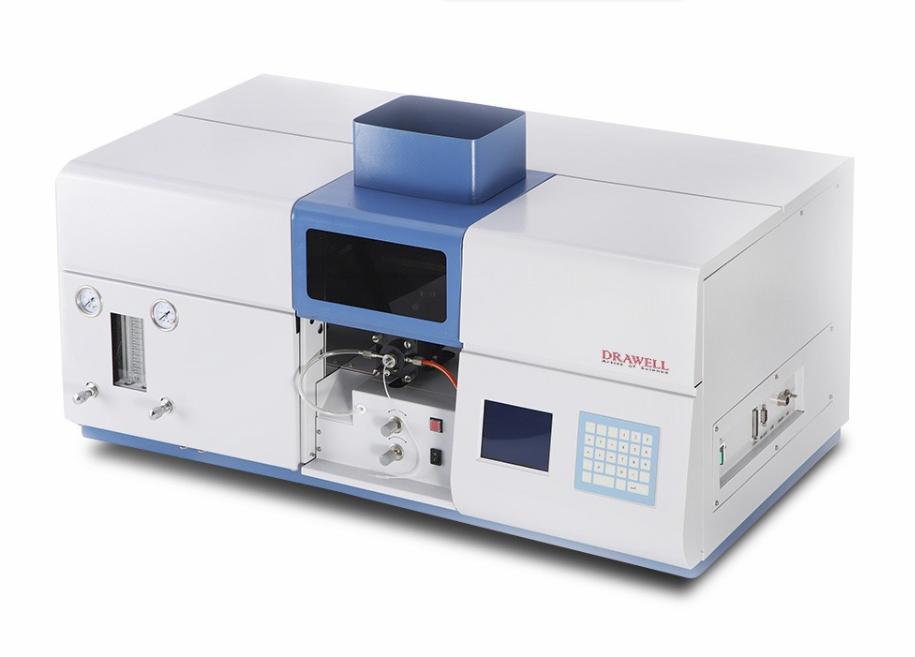
The atomic absorption spectrophotometer aspirates the sample (liquid) into a flame or graphite furnace. The liberated atoms absorb light at a certain wavelength. AAS generally requires the sample to be in a suitable solution form for introduction into the atomizer. The problem is that many real-world samples are solids, slurries, or complex matrices rather than solutions that can be introduced directly.
Organic materials, particles, or matrix components might clog the nebulizer, interfere with atomization, and affect the accuracy of your results. AAS sample digestion breaks down the sample matrix and helps release the target metals into a suitable solution for analysis.
If you skip this step you are not actually measuring what is in the sample. You’re measuring whatever survived the introduction procedure intact.
Which Samples Usually Need Digestion?
Simple aqueous samples may sometimes be analyzed directly after appropriate preservation and dilution. However, samples containing suspended solids or significant matrix components may require additional preparation, depending on the analytical method and whether dissolved or total recoverable metals are being measured.
For many solid or complex samples, digestion is used to bring the target elements into solution before AAS analysis. The required degree of digestion depends on the sample matrix, target elements, and whether the method calls for total or total-recoverable analysis.
Samples that typically require digestion include:
- Soil and sediment: Metals are bound within mineral structures and organic matter that won’t dissolve without acid treatment.
- Biological tissue and food: The high organic content needs to be destroyed before trace metals can be properly released and measured.
- Sludge and industrial waste: Dense, variable materials where metals are tightly held by the matrix and not readily available in solution.
- Plant and agricultural material: The fibrous nature renders direct analysis unreliable and bound metals will not be cleanly transferred into solution without thorough digestion.
Acid treatment or pre-concentration processes may be necessary before analysis for some liquid samples with substantial organic loading or very low metal concentrations.
What Does Digestion Do to the Sample?
The goal is straightforward: break down the sample matrix so that metals are fully released into solution in a form suitable for AAS measurement.
In practice this is frequently achieved by treating the sample with strong acids such as nitric acid (HNO₃) or a mixture of nitric and hydrochloric acids (often known as aqua regia) with controlled heating.
In acid digestion for AAS, organic material is oxidized and destroyed, and the metals attached to the matrix are transferred to the liquid phase. The resulting digest is then diluted, filtered if required, and introduced into the instrument.
Incomplete digestion is one of the most common explanations for low metal recovery and is typically overlooked unless results are validated against certified reference materials.
Choosing a Digestion Method for Your Sample
There is no one method applicable to all matrices. The correct procedure will depend on the type of sample, the elements to be measured, and any established protocols for your testing setting. Below is a concise summary of the most popular AAS digesting procedures:
| Approach | Common Use | Main Consideration |
| Wet/acid digestion | Many environmental, food, and biological samples | Acid combination and conditions depend on the matrix |
| Dry ashing | Samples with substantial organic content | Potential loss of some volatile elements |
| Microwave-assisted digestion | Difficult or complex matrices | Better control of temperature and digestion conditions |
| Closed-vessel digestion | Samples where volatile losses need to be minimized | Requires suitable vessels and controlled conditions |
Microwave-assisted digestion can provide tighter control of temperature and digestion conditions and can reduce digestion time in many applications. When volatile elements are being measured, a suitable closed-vessel method can also help limit losses, but the procedure should follow the requirements of the applicable analytical method.
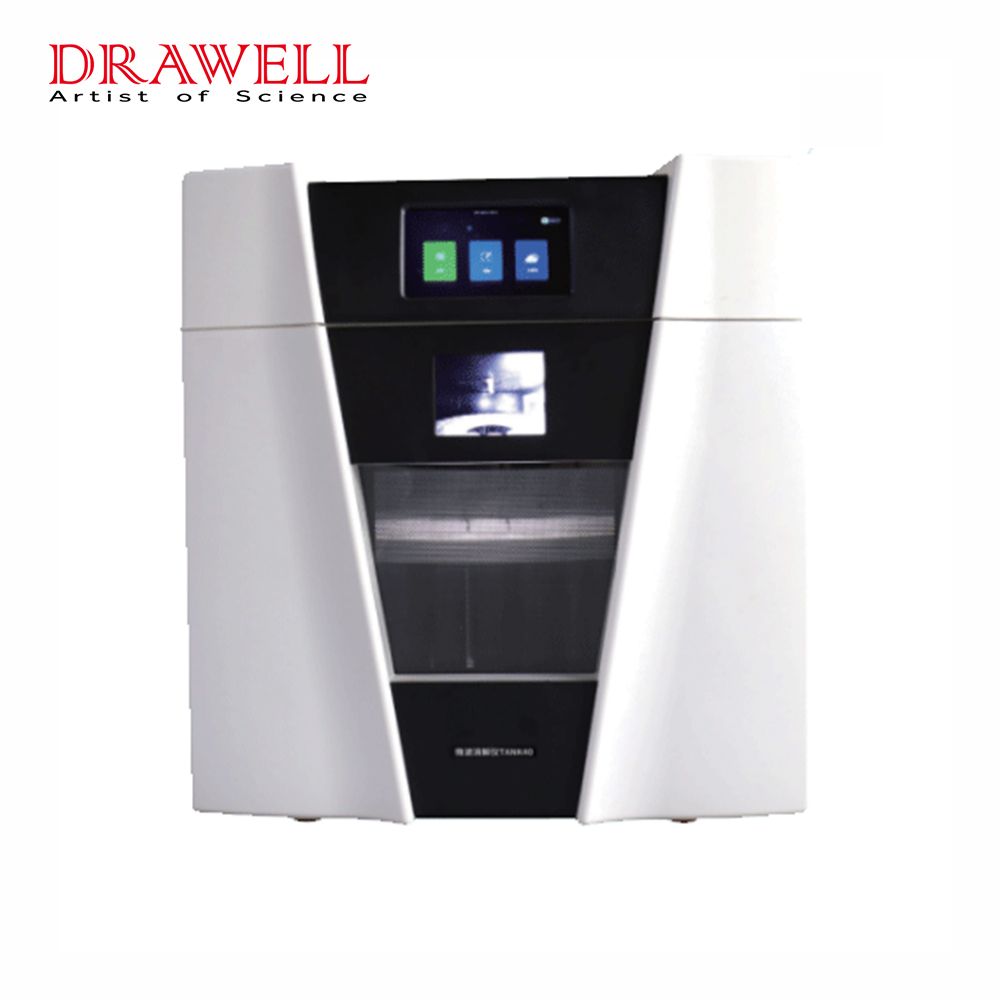
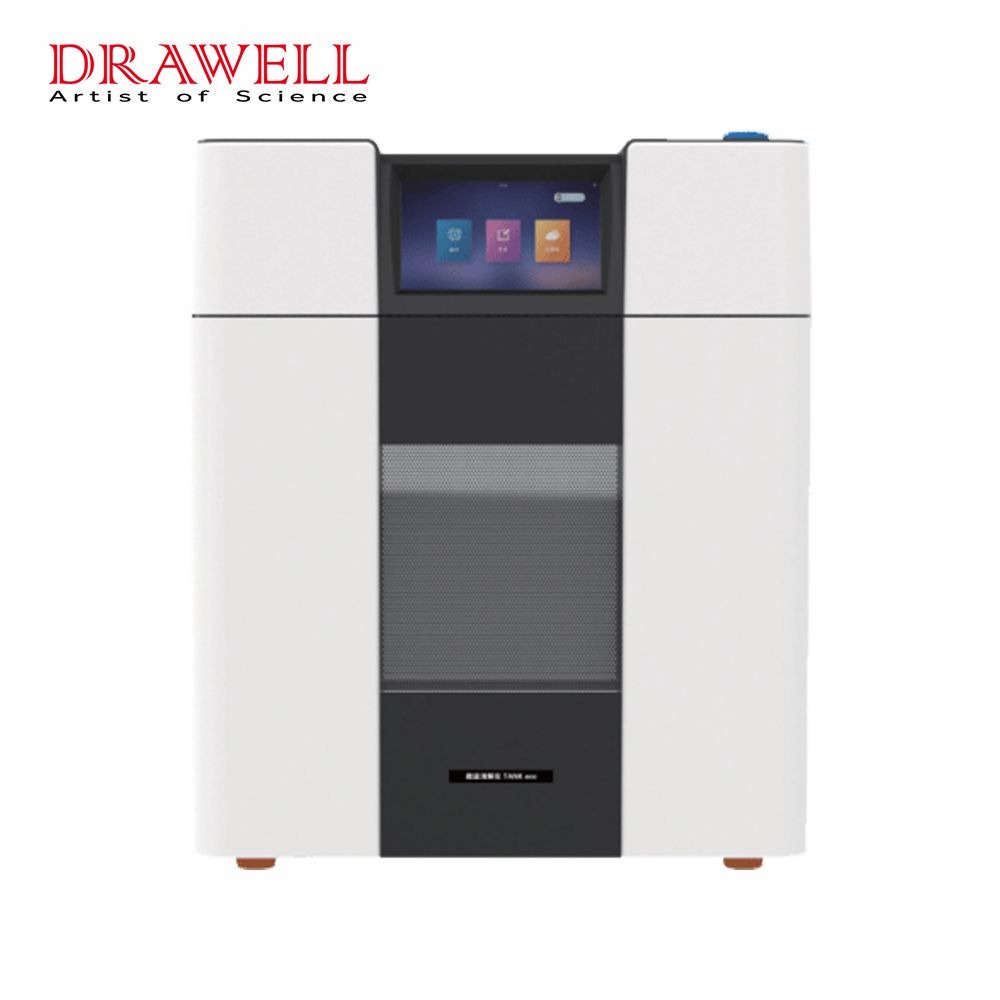
If your study is subject to a regulatory framework, for example EPA Method 3050B for the analysis of soils and sediments, the required digestion procedure is usually defined and should be carried out as specified.
Before You Run the AAS, Check These Points
Even after a well-executed digestion, a few practical checks can prevent wasted runs and questionable data:
- What is the sample matrix? This determines the acid system and digestion approach to use.
- Which elements need to be measured? Some elements are sensitive to specific digestion conditions and can be lost if the wrong method is applied.
- Is total metal content required? The selected digestion procedure must be appropriate for this purpose and validated for adequate recovery.
- Does the standard method specify a digestion procedure? Regulatory or accreditation requirements often dictate which approach must be used—follow it.
- Is the prepared sample suitable for introduction into the AAS? High acid concentrations or residual particulates can affect nebulizer performance and instrument response.
- Have blanks and contamination risks been addressed? Running procedural blanks alongside your samples is the most reliable way to catch background contamination before it affects results.
Getting the Sample Ready for Reliable AAS Results
Good AAS results don’t begin at the instrument—they begin at the sample preparation stage. A consistent, well-matched digestion step removes the variables that can quietly distort your data and makes everything downstream easier to trust.
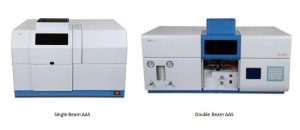
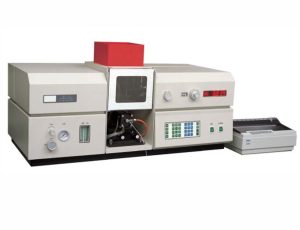
At Drawell Analytical, we design atomic absorption spectrophotometers for real laboratory workflows across environmental monitoring, food safety, metallurgy, and more. If you’d like to learn about our AAS systems or discuss sample preparation requirements for your application, feel free to get in touch with our team.
Get Quote Here!
Latest Posts
What Next?
For more information, or to arrange an equipment demonstration, please visit our dedicated Product Homepage or contact one of our Product Managers.


