


General Lab Instruments & Water Purification
How to Make Deionized Water in Lab
When a laboratory needs cleaner water, simply starting with tap water is rarely enough. The right purification process depends on the quality of the incoming water and what the water will be used for. Deionized water, or DI water, is produced mainly by removing dissolved ions through ion exchange. In a laboratory, however, the complete…
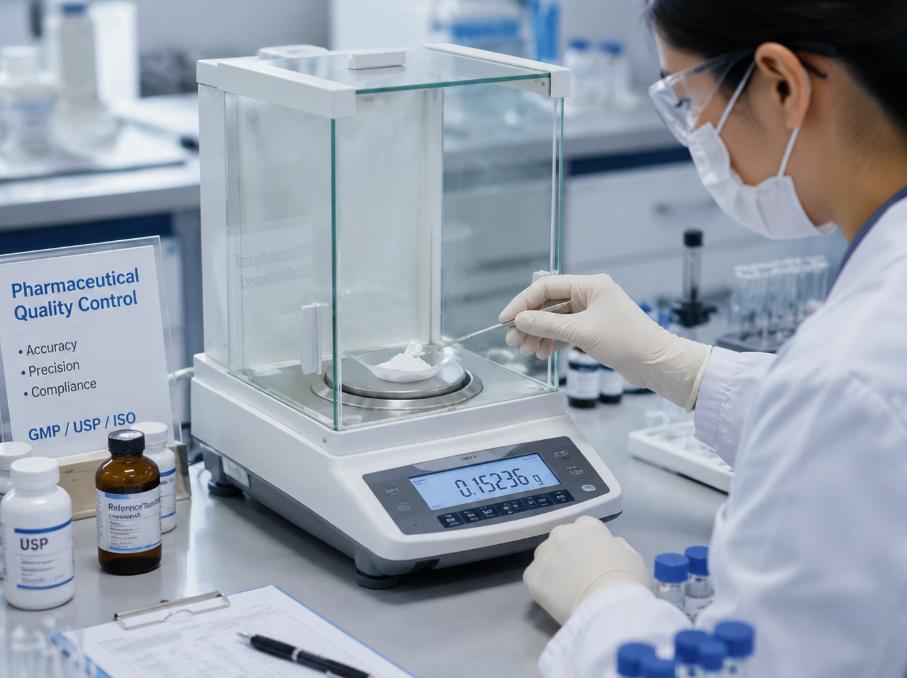
What Is the Real Precision of an Analytical Balance? (It’s Not Just Readability)
Ever set a tiny glass beaker onto your laboratory precision balance, closed the draft shield, and watched the last digit drift endlessly back and forth? It happens all the time. A common trap in the lab is assuming that because a display shows 0.1mg readability, every measurement you take is automatically accurate to 0.1mg. In…
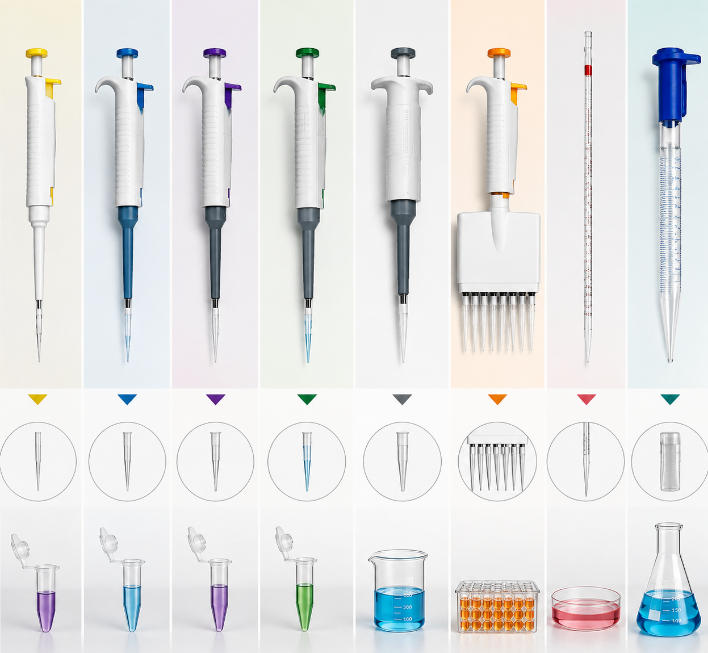
How to Choose the Right Lab Pipette for Different Volume Ranges
In modern laboratories, accurate liquid handling is essential for getting reliable results that are actually reproducible. Choosing the right pipette for the required volume range, directly affects precision, efficiency, and experimental success. And because in different applications you end up moving different liquid quantities, understanding how to select the appropriate lab pipette for specific volume ranges is…
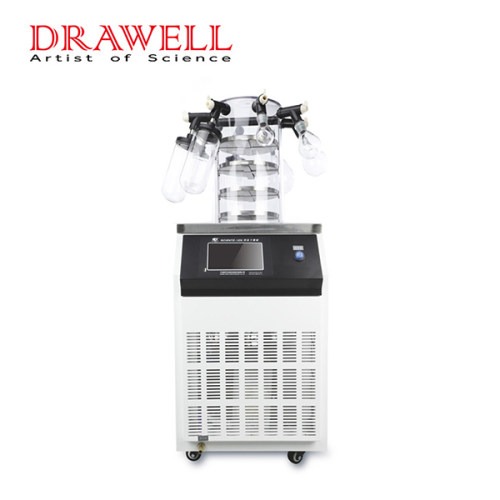
Spray Dryers vs. Freeze Dryers: When to Choose Each Method
Drying technologies play a kinda crucial role across industries like food processing and pharmaceuticals, chemicals and materials science too. Among the most used equipment you’ll run into spray dryers and freeze dryers. Even though both are trying to pull the moisture out of a product, they kinda differ a lot in mechanism, overall cost, the…

How to Select the Right Type of Laboratory Analytical Balance
Selecting the appropriate laboratory analytical balance is kind of a big deal for any lab that lives off exact mass readings. In places like pharmaceuticals, chemical analysis, food checks, or materials research, the dependability and accuracy of the analytical balance pretty much steer the overall quality of what you report. If you end up with…
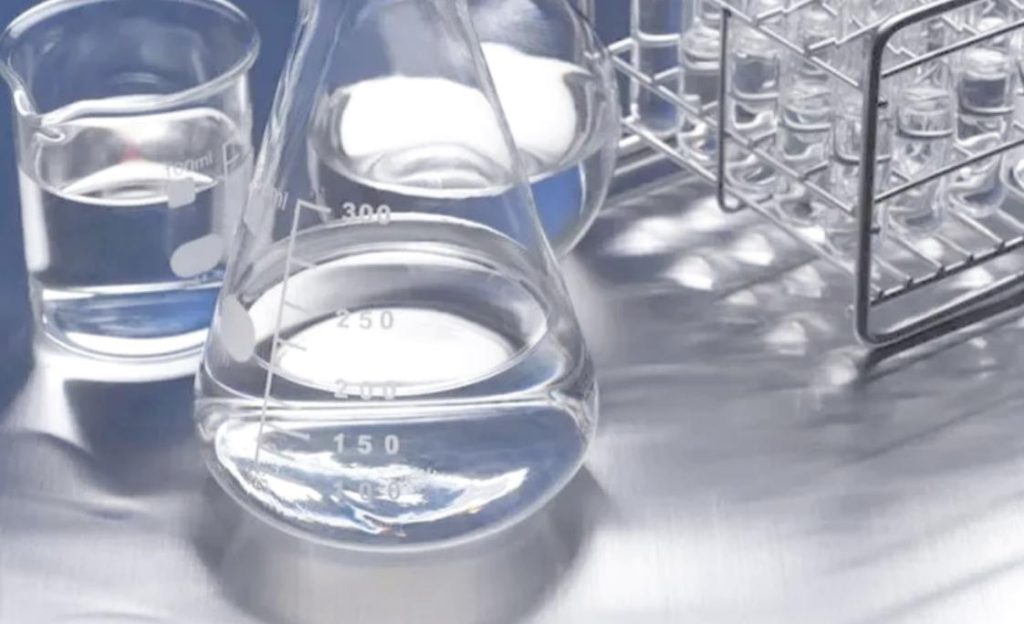
RO, DI and UV Technologies in Water Purification Systems
Water purification systems increasingly depend on multiple technological systems to reach their required water quality standards. The system uses Reverse Osmosis(RO), Deionization(DI) and Ultraviolet(UV) technologies as essential components to create ultrapure water. The right system selection for specific needs requires understanding how these technologies work together. Why Integrate RO, DI, and UV in Water Purification Systems…
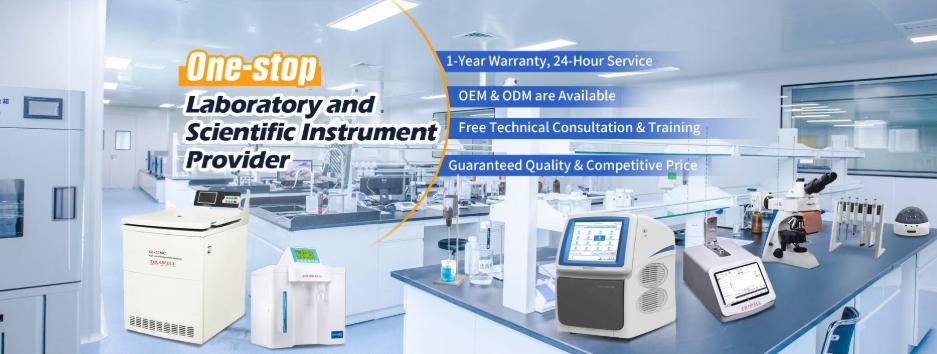
How to Choose the Right High-precision Instrument for Analytical Chemistry Labs
Choosing high-precision instruments really is like a foundational call in modern labs. In analytical chemistry labs, the end quality of results comes down a lot to whether the equipment fits the analytical aims, the kinds of samples, and the regulatory expectations. If you go in with a good selection process, accuracy tends to climb, the…
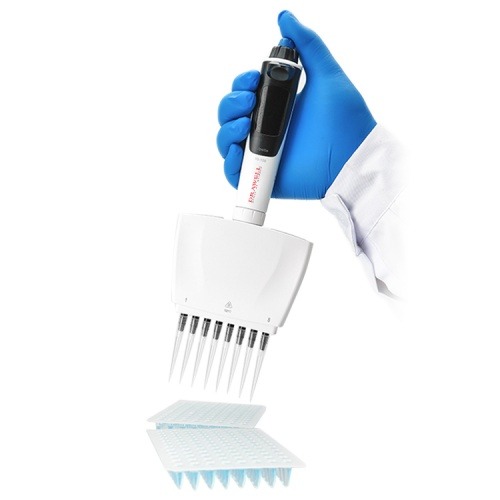
Electronic vs Manual Lab Pipettes: Choosing the Suitable Tool
Lab pipettes are one of the most basic tools in scientific research, medical diagnostics, and industrial testing. The precision and accuracy of laboratory pipettes directly affects the outputs of an experiment, making the choice of pipette a critical decision for the laboratory professional. In recent years, electronic pipettes have been growing more and more popular among the…
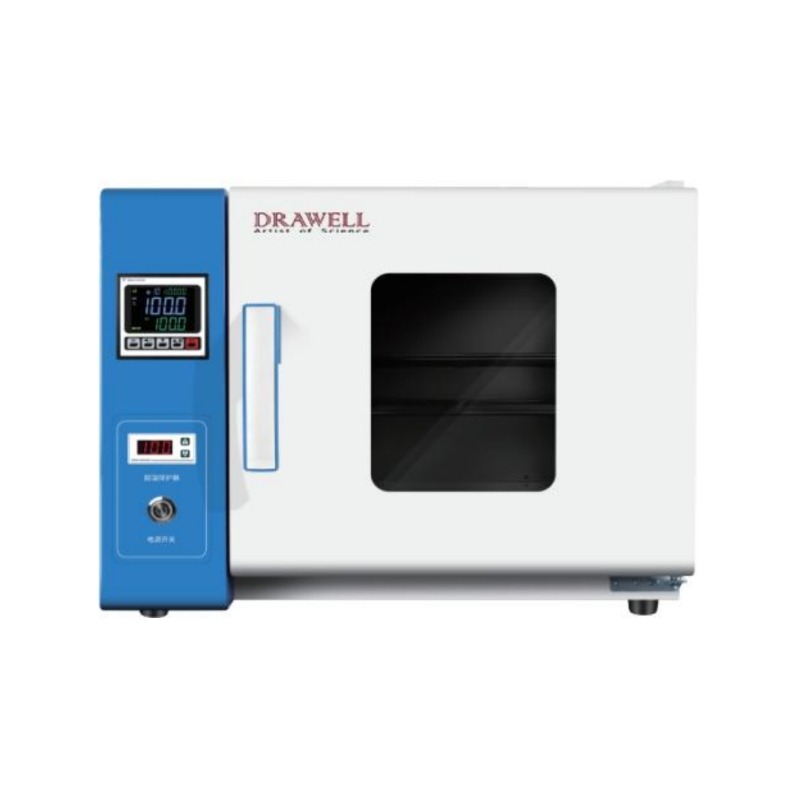
How to Choose the Right Lab Drying Oven for Your Application
Choosing a laboratory drying oven might seem like a straightforward purchase, but pick the wrong one, and you risk more than just a ruined sample. From compromised pharmaceutical compounds to unevenly cured coatings, the stakes are high. Whether you are upgrading your research facility or setting up a new quality control line, this 3-step guide will…

When Should You Replace Your Lab Water System? A Cost-Benefit Analysis
Many labs treat their water system like a kitchen appliance—install it and forget it. The common misconception is that if it’s still producing water, it’s still doing its job. The reality? Water system degradation is a slow, silent process. It won’t necessarily stop working one day. Instead, it will gradually allow contaminants to slip through. You…
Browse by category:


