


Choosing a laboratory drying oven might seem like a straightforward purchase, but pick the wrong one, and you risk more than just a ruined sample. From compromised pharmaceutical compounds to unevenly cured coatings, the stakes are high. Whether you are upgrading your research facility or setting up a new quality control line, this 3-step guide will help you navigate the technical noise and find the perfect match from Drawell’s extensive range.
Step 1: Understand the Categories (Beyond the Basics)
To choose the right oven, you first need to understand that “heating” is not a one-size-fits-all process. The way air moves and the pressure inside the chamber change everything.
Air Circulation: Forced vs. Natural
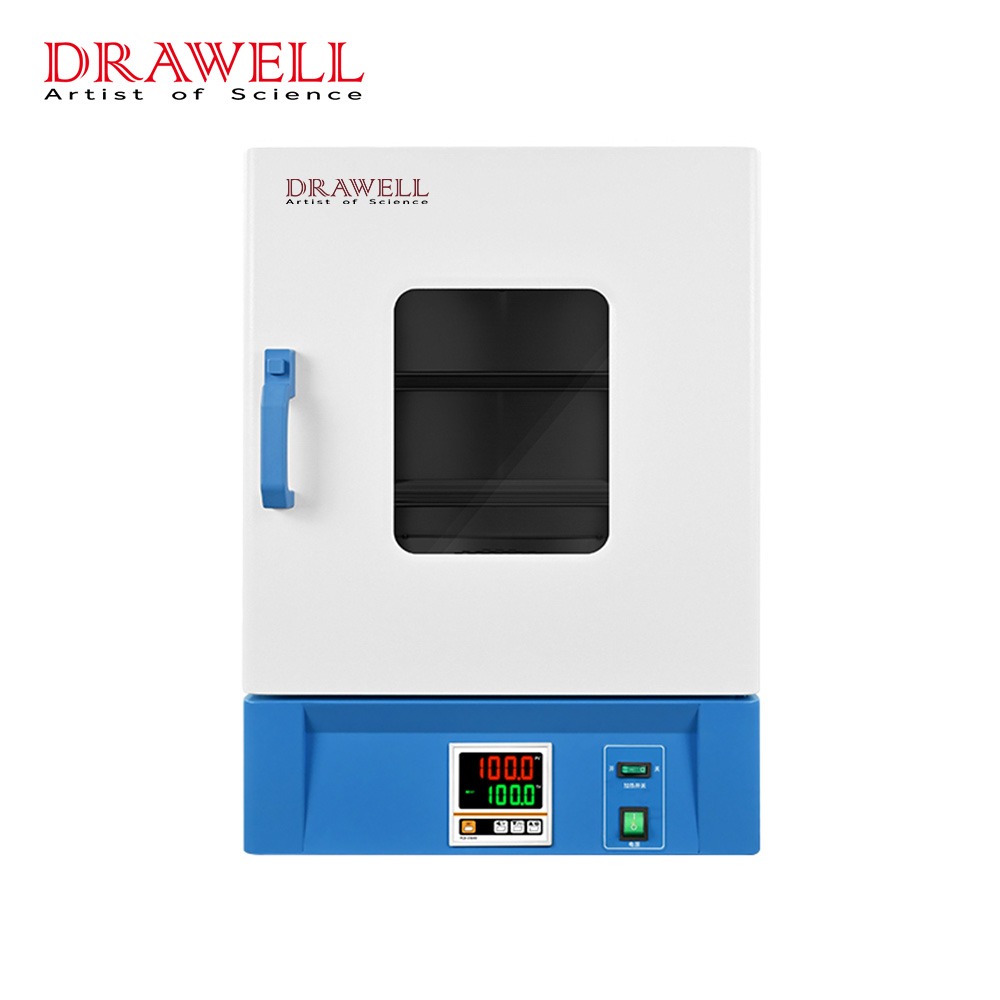
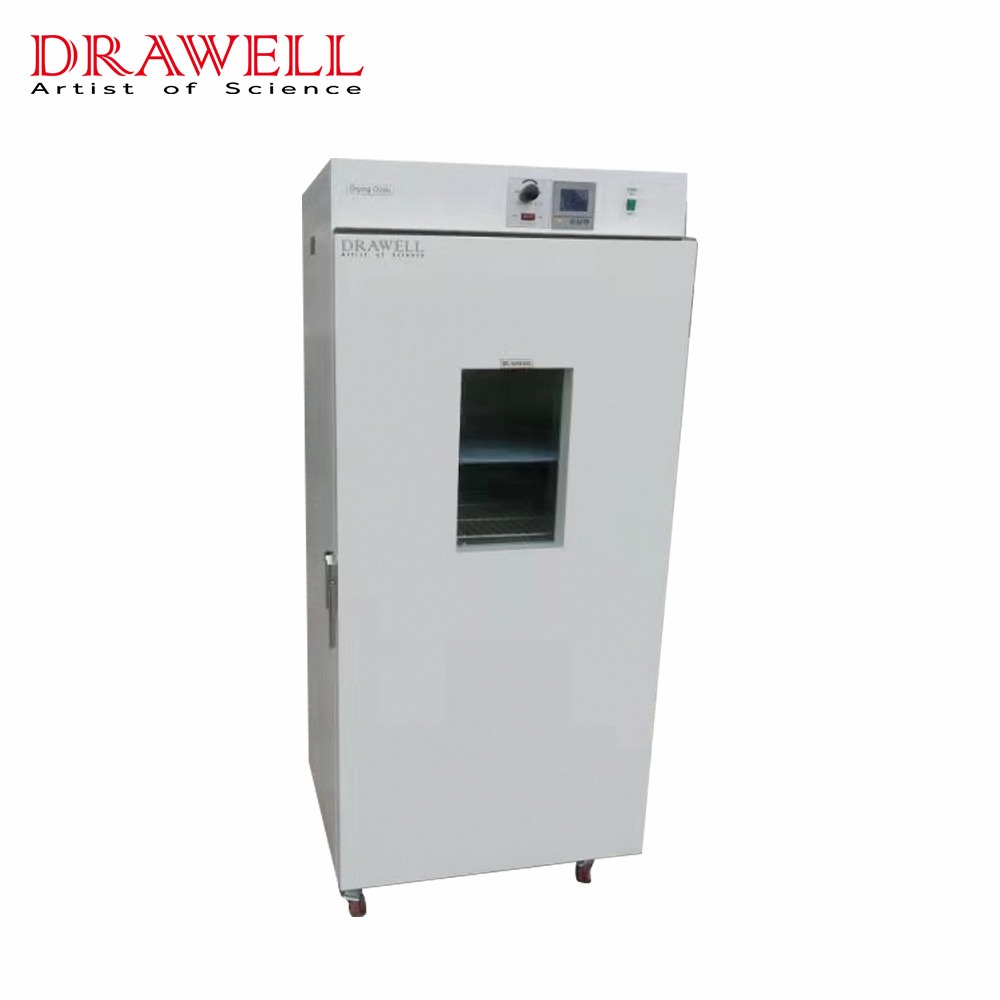
- Forced Air (Mechanical) Convection: These ovens use a high-performance fan to circulate air. They are the workhorses of the lab, offering the fastest heat-up times and superior temperature uniformity. If you are drying large batches or high-moisture samples, a Forced Air Drying Oven is your best bet.
- Natural (Gravity) Convection: Without a fan, the air moves through natural thermal expansion. It’s quiet and, more importantly, disturbs no dust or light powders.

Environmental Pressure: Atmospheric vs. Vacuum
- Standard Atmospheric Ovens: Great for routine glassware drying or stable material testing.
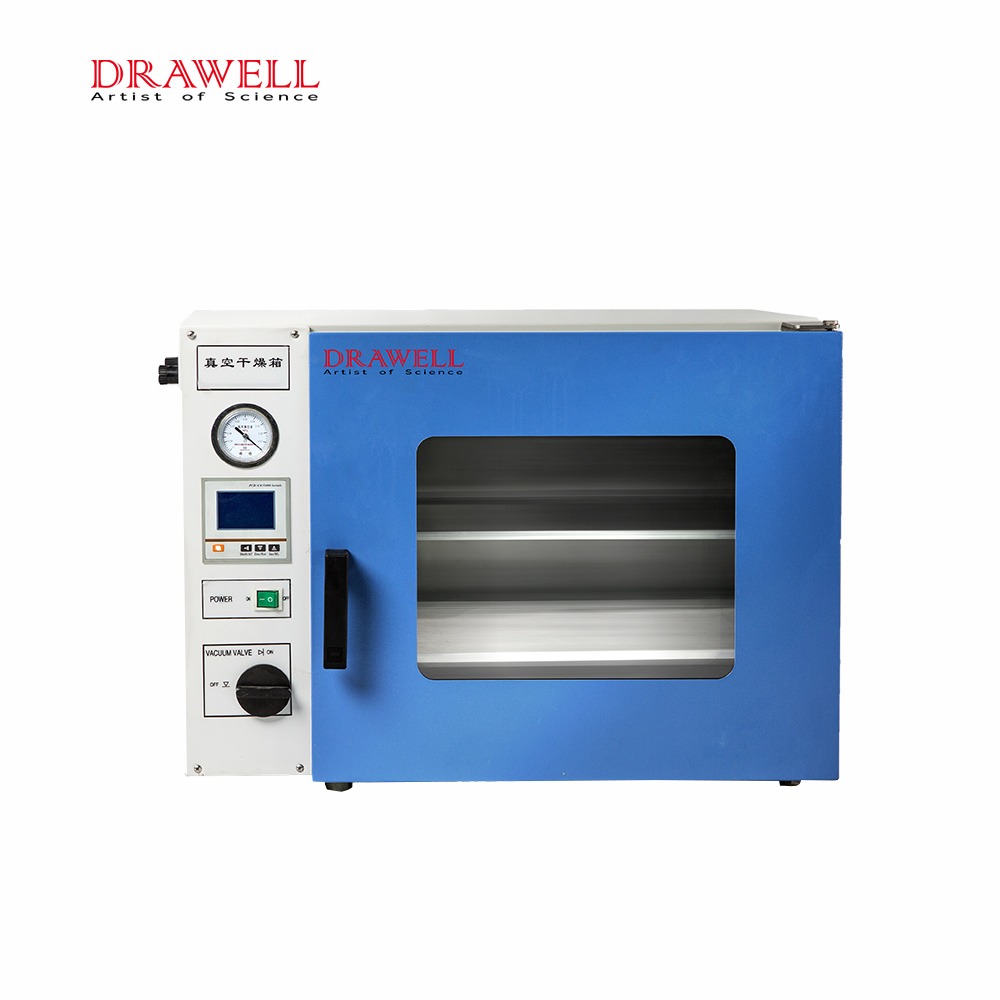
- Vacuum Drying Ovens: By reducing pressure, you lower the boiling point of liquids. This is essential for heat-sensitive materials that would degrade at high temperatures, and for anaerobic drying to prevent oxidation.

Specialized Industrial Needs
- Clean Room Ovens: Equipped with HEPA filters to maintain Class 100 cleanliness, vital for semiconductor and medical device manufacturing.
- Explosion-Proof Ovens: Designed with blow-out panels and spark-free components for handling volatile solvents like alcohol or acetone.
- Infrared Fast Drying Ovens: When speed is the priority, infrared radiation penetrates the sample surface for rapid moisture removal.

Step 2: Selecting the Right Technical Parameters
Once you have identified the general category of oven you need, the next step is to dive into the “fine print” of the specification sheet. At Drawell, we believe that a high-performance lab oven isn’t defined by just one feature, but by how these six critical parameters work together to protect your samples.
1. Temperature Precision: Stability vs. Uniformity
These two terms are often confused, but they mean very different things for your results.
- Stability refers to how much the temperature fluctuates at a single point over time.
- Uniformity is the temperature difference between different locations inside the chamber (e.g., the center versus the back corners).
A professional oven should maintain a fluctuation of less than ±0.5°C. To achieve this, look for units equipped with a PID Controller, which uses smart algorithms to prevent “overshooting” your target temperature.

2. Airflow Logic and Convection Style
As discussed in Step 1, the way air moves determines your drying speed. However, the technical detail to look for is adjustable fan speed. High-end Forced Air Drying Ovens allow you to throttle the fan, giving you the flexibility to dry damp glassware at high speeds or delicate samples at a gentle breeze.
3. Chamber Material and Longevity
The interior of your oven will face constant thermal stress and potential chemical vapors.
- SUS304 Stainless Steel: The industry standard for excellent corrosion resistance and easy cleaning.
- SUS316 Stainless Steel: Recommended if you are working with high-salinity or highly acidic vapors.
Drawell’s rounded-corner design in the inner chamber is a small but vital detail—it eliminates “dead zones” where dust or contaminants could hide.
4. Vacuum Integrity (Specific to Vacuum Models)
If you are opting for a Vacuum Drying Oven, the “Ultimate Vacuum” and “Leakage Rate” are your go-to metrics. High-quality silicone or Viton door gaskets are essential for maintaining a seal over long periods. Also, check for Shelf Heating technology, which conducts heat directly to the sample tray—a much more efficient method in a vacuum where air can’t carry the heat.
5. Safety: The “Fail-Safe” Layer
In a busy lab, equipment is often left running overnight. Safety shouldn’t be an afterthought. Every Drawell oven is engineered with an independent over-temperature limiter. This acts as a mechanical “kill switch” that cuts power if the digital controller ever malfunctions, preventing a thermal runaway or a laboratory fire.
6. Intelligence and Connectivity
In the era of smart labs and strict GLP/GMP compliance, manual logging is a relic of the past. Modern parameters should include:
- Multi-stage Programming: The ability to set “ramps and soaks” (e.g., heat to 60°C for 2 hours, then 120°C for 4 hours).
- Data Export: Ensure the unit has a USB or RS485 interface to export heating curves for your official reports.
Technical Selection Quick-Check
To make your final decision easier, use this quick reference table to weigh these parameters based on your specific priorities:
| Parameter | Priority for Research | Priority for Production | Why it matters |
| PID Accuracy | Critical | High | Ensures repeatable experimental results. |
| Material (SUS304) | High | Critical | Determines the lifespan of the equipment under heavy use. |
| Program Control | Critical | Medium | Allows for complex, multi-step curing or aging processes. |
| Data Interface | High | Critical | Necessary for quality control audits and digital record-keeping. |
Step 3: Comparing Price and Total Cost of Ownership (TCO)
When looking at the laboratory drying oven price, the sticker price is just the beginning. A “cheap” oven can become expensive very quickly if it has poor insulation or high failure rates.
- Initial Investment: Basic gravity ovens are the most budget-friendly, while specialized vacuum or clean-room models require a higher upfront investment due to the complex engineering involved.
- Energy Efficiency: Better insulation (like high-density mineral wool) means the heating elements run less often. Over a year of 24/7 operation, an energy-efficient Drawell model can save significant utility costs.
- Maintenance & Parts: Consider the availability of gaskets and sensors. Choosing a reputable manufacturer like Drawell ensures you aren’t left with a “brick” if a simple seal wears out.
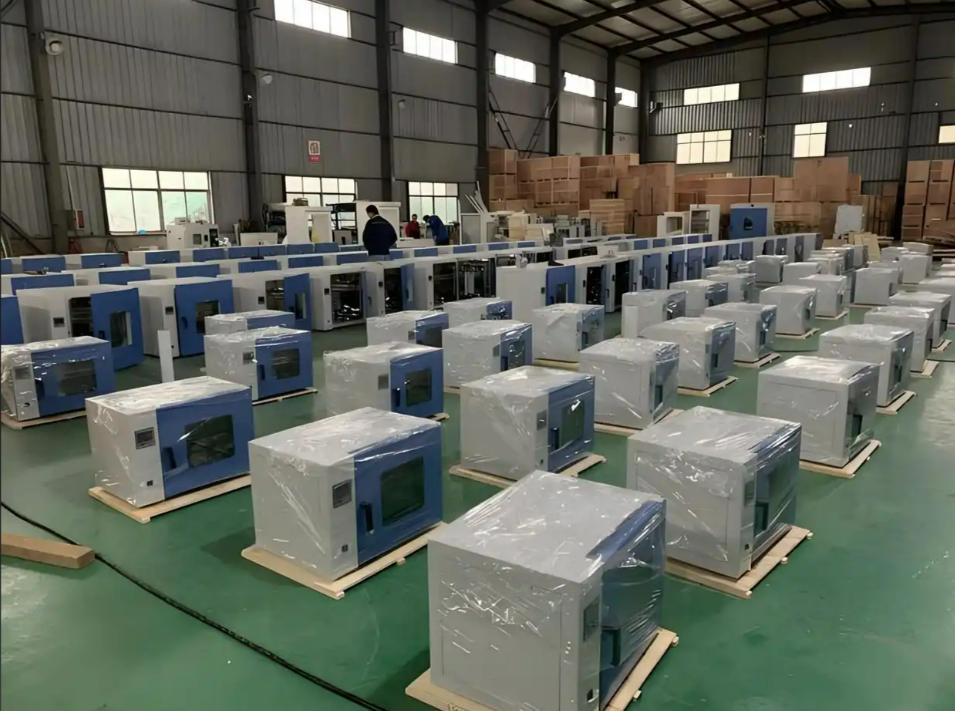
Industry Application Reference: Finding Your Match
Different fields have vastly different requirements for precision, cleanliness, and safety. Below is a breakdown of how Drawell’s technology serves specific sub-sectors and their representative applications.
| Industry Sector | Representative Applications | Recommended Oven Type |
| Pharmaceuticals & Biotech | Drying of heat-sensitive APIs (Active Pharmaceutical Ingredients), moisture removal from herbal extracts, and sterilization of glassware. | Vacuum Drying Oven |
| Electronics & Semiconductor | Curing of epoxy resins on PCBs, aging tests for microchips, and moisture-free storage of delicate sensors. | Clean Room / Forced Air Oven |
| New Energy & Batteries | Vacuum drying of lithium battery electrode sheets and electrolyte filling preparation to prevent oxidation. | Industrial-grade Vacuum Oven |
| Food & Agriculture | Dehydration of fruit and vegetable samples for nutritional analysis, and moisture determination in grain quality control. | Forced Air / Infrared Fast Drying Oven |
| Materials Science | Thermal aging of polymers, curing of composite materials, and high-temperature stress testing of alloys. | Programmable Forced Air Oven |
| Clinical & Medical | Sterilization of surgical instruments and drying of medical-grade silicone tubing or implants. | Stainless Steel Forced Air Oven |
Make the Right Move Today
Choosing the right oven is about balancing your current research needs with long-term reliability. Whether you need the rapid throughput of a forced-air system or the delicate touch of a vacuum chamber, Drawell provides the precision and safety your lab deserves.
Still not sure which model fits your specific workflow? Contact our engineering team for a free technical consultation and a tailored quote. Let’s ensure your next drying process is as precise as your science.
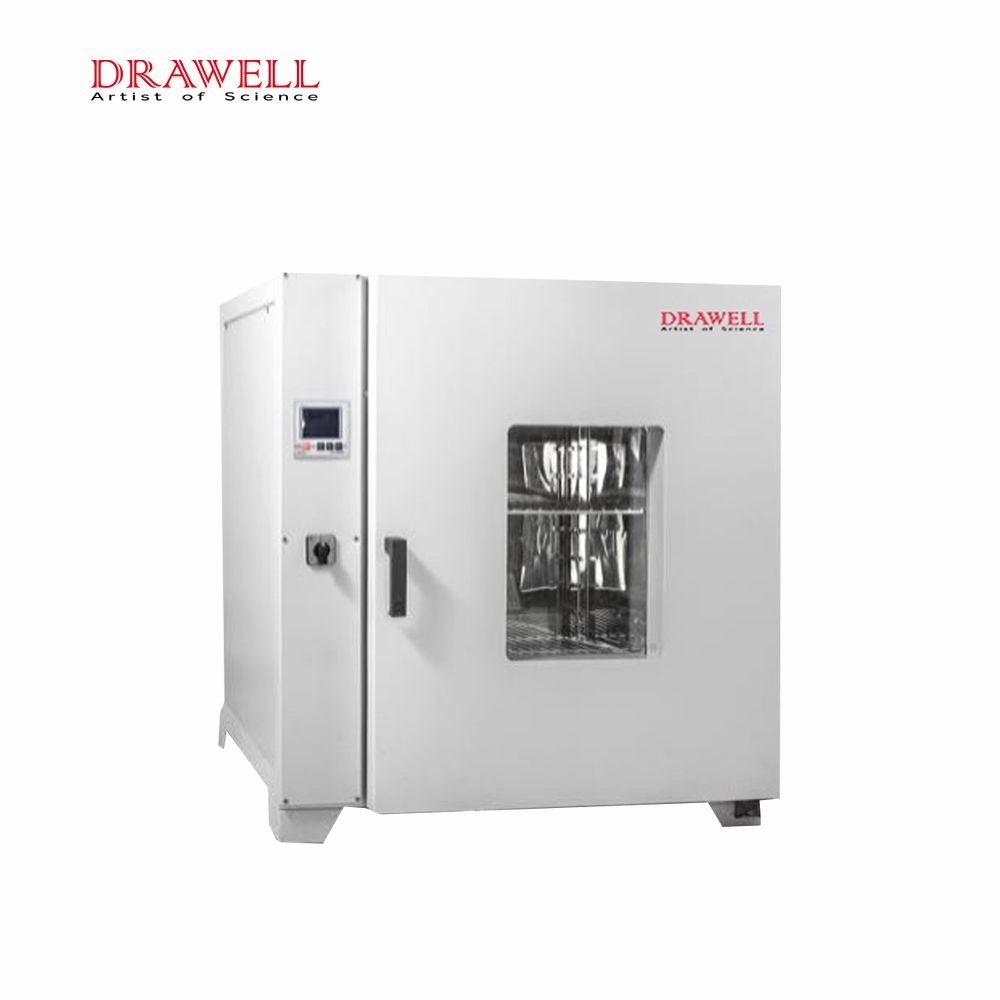
Related Products Recommendation


Get Quote Here!
Latest Posts

What Next?
For more information, or to arrange an equipment demonstration, please visit our dedicated Product Homepage or contact one of our Product Managers.


