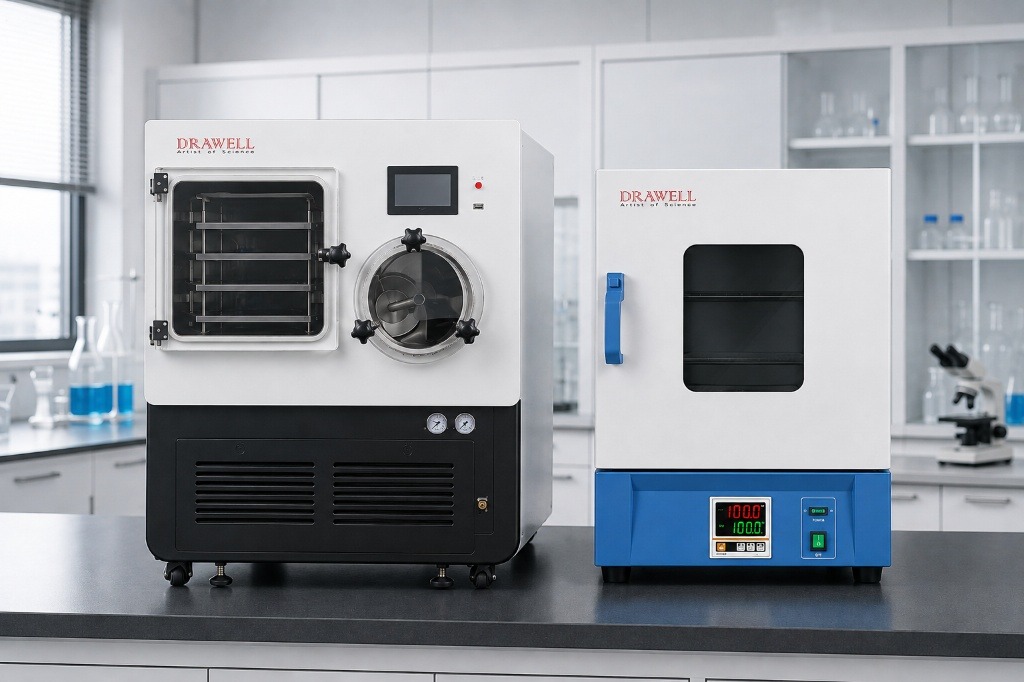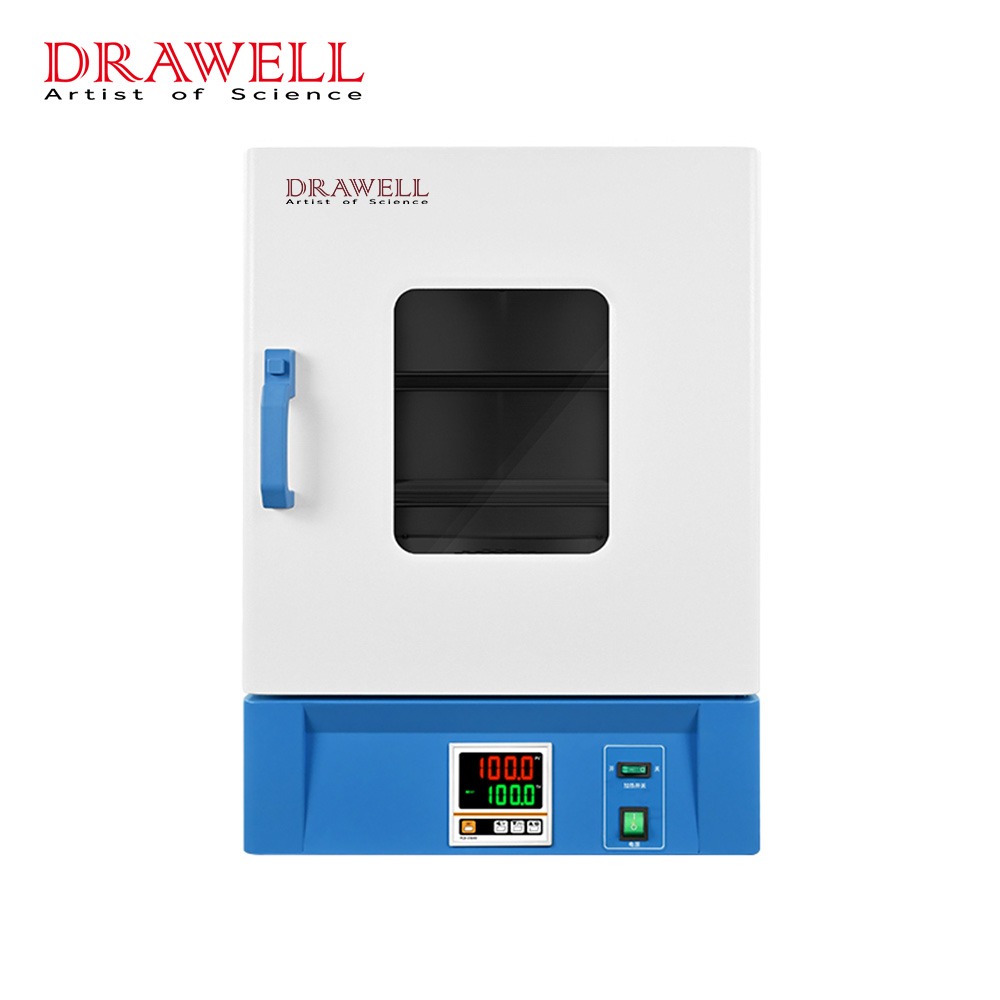


Freeze drying, also known as lyophilization, is one of the closest techniques that exist for labs to preserve the integrity, activity, and structure of sensitive materials. From research labs, pharmaceutical companies, food labs, soil research centers, or everywhere else, the lab freeze dryer has become indispensable. However, not all samples respond similarly to freeze drying, though understanding the samples that should undergo freeze drying helps decide the entire fate of long-term storage or costly degradation of the sample.
At Drawell, being a reliable freeze dryer supplier spanning globally, we have assisted researchers and quality control teams from over 80 countries in choosing their best equipment from the extensive range as per their specific requirements. Here, let us guide you through scientific rationale in terms of sample compatibility, categories of materials most likely to be advantageous when freeze-dried, and also offer some valuable pointers on matching ideal samples with the ideal lab-use freeze dryer.
Why Sample Type Matters in Freeze Drying?
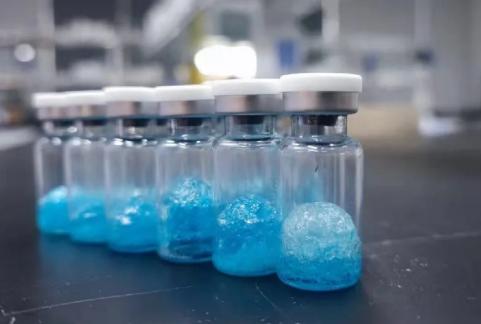
Freeze drying is not simply a drying method—it is a preservation strategy. The process removes moisture under low temperature and vacuum conditions, allowing water to sublimate directly from ice to vapor. This makes it especially valuable for samples that are sensitive to heat, oxidation, or structural damage.
What Makes a Lab Sample Suitable for Freeze Drying?
In practice, laboratory samples are generally suitable for freeze drying when they meet one or more of the following conditions:
- They are heat-sensitive and cannot withstand oven or air drying
- Their biological or chemical activity must be preserved
- Long-term storage or transportation stability is required
- The sample contains water that can be safely frozen and sublimated
This is why a freeze dryer in lab environments is often preferred over conventional drying methods. Understanding sample characteristics is the first step toward selecting an effective freeze drying solution.
Four Types of Lab Samples Suitable for Freeze Drying
Different laboratories handle different materials, but most freeze drying applications fall into four broad sample categories. These represent the most common and reliable use cases for a lab freeze dryer, especially in research, quality control, and pilot-scale production.
1. Biological Samples: Preserving Activity and Structure
Biological materials are among the most widely freeze-dried samples in laboratories because they are often unstable, moisture-sensitive, and highly valuable.
1) Microorganisms (Bacteria, Yeast, Fungi)

In a freeze dryer in microbiology lab, freeze drying is commonly used for long-term preservation of microbial cultures. Compared with refrigeration or cryogenic storage, freeze drying offers several advantages:
- Maintains cell structure and viability
- Enables room-temperature storage after proper sealing
- Simplifies transport between laboratories
Freeze-dried microorganisms can be rehydrated when needed, making them ideal for culture collections, strain banks, and research institutions. For these applications, stable vacuum performance and low condenser temperatures are essential.
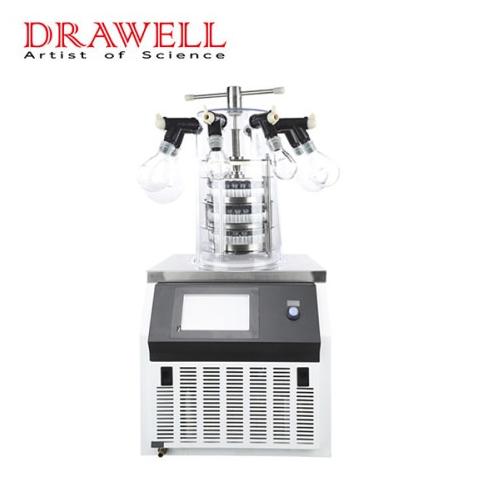
Compact systems such as Drawell’s desktop lab freeze dryers are often chosen for microbiology labs handling small to medium batch sizes. For example:
2) Enzymes, Proteins, and Antibodies
Enzymes and proteins are extremely sensitive to heat and moisture. Freeze drying allows laboratories to remove water while maintaining molecular structure and biological function.
Typical benefits include:
- Improved shelf life
- Reduced degradation during storage
- Easier handling and precise reconstitution
These samples are commonly processed in research labs, biotechnology facilities, and pharmaceutical development environments. A freeze dryer for lab use with accurate temperature control and optional shelf heating can significantly improve drying consistency for these materials.
2. Pharmaceutical and Medical Lab Samples
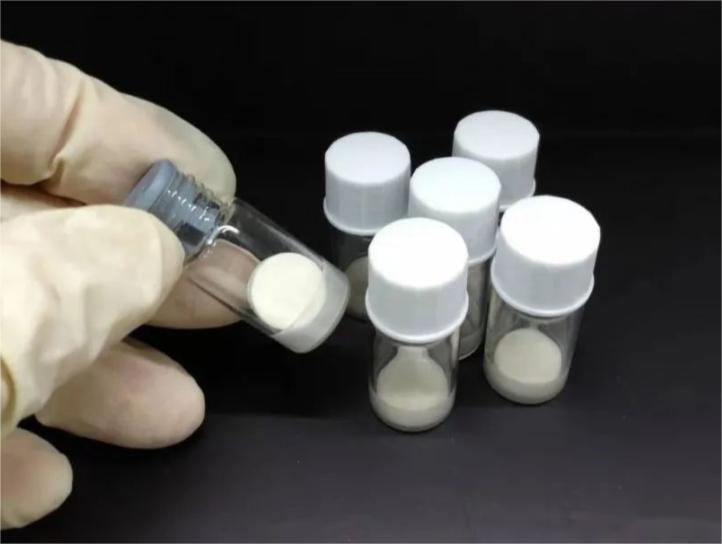
Freeze drying plays a critical role in pharmaceutical and medical laboratories, especially during formulation development and stability testing.
Common freeze-dried pharmaceutical samples include:
- Active pharmaceutical ingredients (APIs)
- Injectable formulations (research stage)
- Diagnostic reagents
Freeze drying helps improve chemical stability, solubility, and product uniformity. In medical labs, it also supports long-term storage of sensitive reagents without relying on continuous cold-chain conditions.
Vertical lab freeze dryers with higher capacity are often preferred in this field. Drawell offers several vertical models suitable for pharmaceutical laboratories, such as:
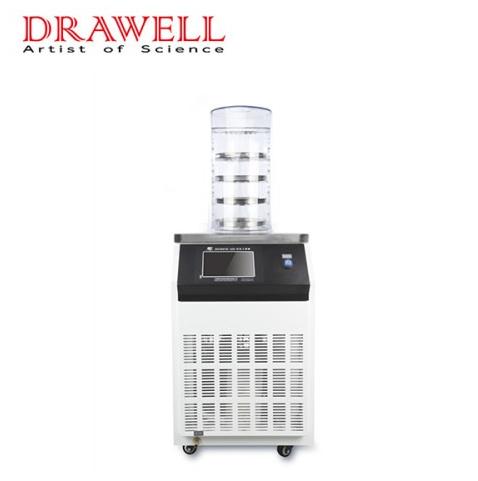
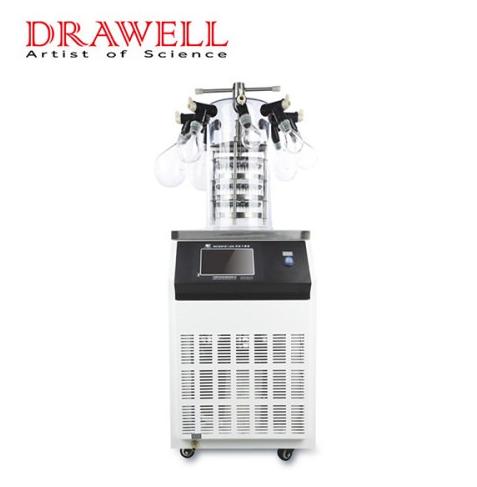
These systems are commonly selected by laboratories sourcing equipment from a lab freeze dryer supplier capable of supporting both research and pre-production needs.
3. Food & Nutritional Samples in Laboratory Analysis
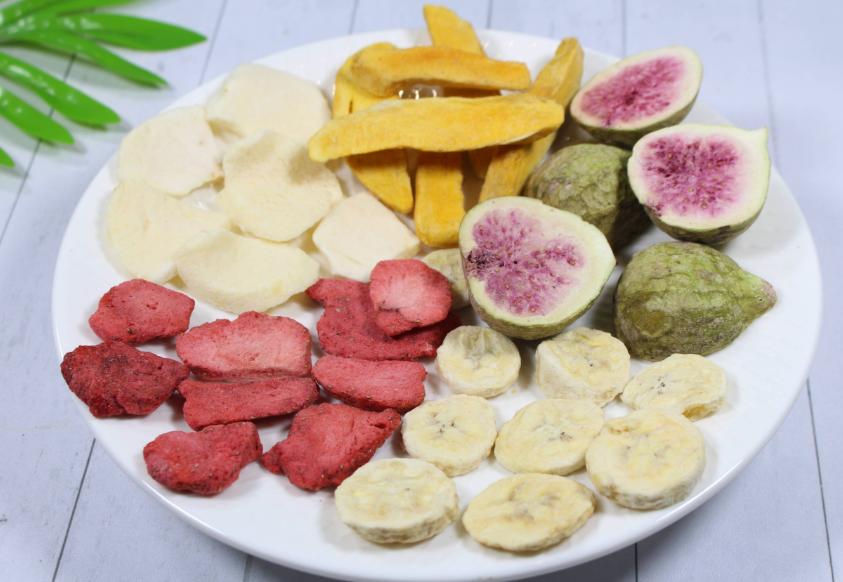
In food science and nutritional analysis laboratories, freeze drying is widely used to prepare samples for testing without altering their composition.
Typical samples include:
- Food raw materials
- Nutritional supplements
- Flavor and aroma compounds
Freeze drying minimizes the loss of volatile substances and preserves the original chemical profile of the sample. This is particularly important for accurate nutritional labeling, shelf-life studies, and formulation research.
For laboratories that process diverse food samples in small batches, a China small lab freeze dryer offers a cost-effective and reliable solution, especially when sourced from an experienced manufacturer like Drawell.
4. Plant, Botanical, and Environmental Samples
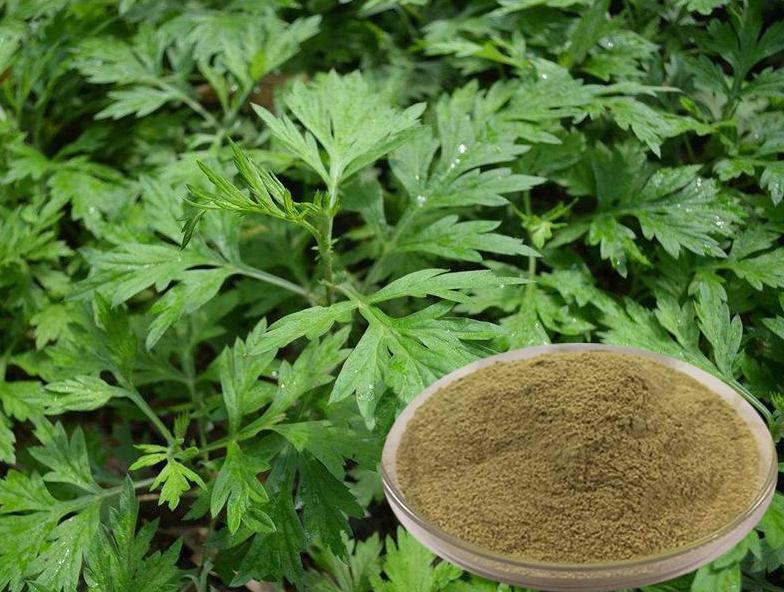
Plant-based and environmental samples are often structurally complex and chemically sensitive, making freeze drying an ideal preparation method.
Common examples include:
- Plant tissues and leaves
- Herbal extracts
- Soil or environmental biological samples
Freeze drying preserves both physical structure and chemical integrity, allowing accurate downstream analysis. In environmental research, it also reduces sample degradation during long storage periods.
For these applications, laboratories often choose freeze dryers with larger chambers and flexible configurations to accommodate irregular sample shapes.
Samples That Are NOT Ideal for Freeze Drying
While freeze drying is highly versatile, it is not suitable for every laboratory sample. Understanding its limitations helps avoid unnecessary equipment use and process inefficiencies.
Samples that are generally not ideal include:
- Materials with high oil or fat content, as water removal is limited
- Samples containing large amounts of volatile solvents
- Materials that undergo irreversible structural damage during freezing
Recognizing these limitations is an important part of responsible equipment selection and reinforces the value of working with an experienced lab freeze dryer supplier.
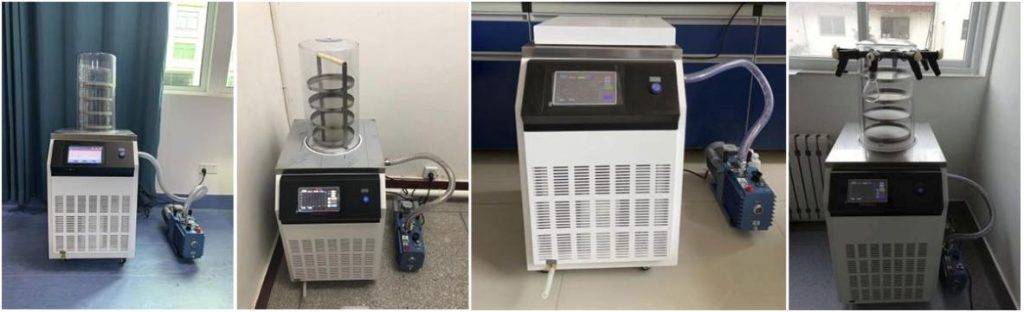
Matching Samples with the Right Freeze Drying Solution
Selecting the right freeze drying solution is not just about the sample—it is about matching sample characteristics with equipment capabilities.
How to Choose the Right Lab Freeze Dryer for Different Samples?
When selecting a freeze dryer for lab use, consider the following factors:
| Sample Requirement | Freeze Dryer Feature to Consider |
| Heat-sensitive samples | Low condenser temperature |
| Biological activity preservation | Stable vacuum control |
| Uniform drying | Shelf heating system |
| Small batch research | Desktop lab freeze dryer |
| Larger sample volume | Vertical freeze dryer |
Drawell provides a complete range of solutions, from compact desktop models to larger vertical systems with heating functions, supporting laboratories at different stages of research and development.
As a wholesale lab freeze dryer supplier, Drawell also supports distributors and laboratories seeking reliable, scalable freeze drying equipment with long-term service support.
Biological materials, pharmaceuticals, food samples, and plant-based specimens all benefit from freeze drying when processed with the right equipment and parameters. Working with an experienced supplier like Drawell ensures that both the sample and the solution are aligned from the very beginning.
Feel free to contact us for your needs.