


Picture yourself pulling out a batch of plasma samples from two years ago and finding damaged proteins and inconsistent assay findings. It is a predicament that happens more often than most labs would want to acknowledge, and it nearly always comes down to one misguided assumption: that putting a sample inside an ultra low temperature (ULT) freezer is enough to keep it forever.
ULT freezers operating at around -80°C are a cornerstone of modern biological sample storage. They dramatically slow biological degradation and make long term sample storage possible for a wide range of sample types. But “possible” is not the same as “guaranteed.” There is a lot more to the viability of a sample than the freezer.
This article walks through storage time guidelines for common laboratory samples, the factors that affect how long samples hold up, and the practical steps that make a real difference.

Why Storage Time Isn’t the Same for Every Sample
Lower temperatures slow down biological decomposition, but do not stop it entirely. Enzyme activity, oxidation and microbial growth are greatly inhibited by low temperatures but not all molecular change is prevented. Now some chemical processes do occur at -80°C, but much slower.
The rate of degradation is slowed by temperature, but not stopped. Even at ultra low temperatures slow molecular changes do occur. Lipid oxidation, protein denaturation at the margins of ice crystals and trace enzymatic activity can affect the quality of the sample over time. At -80°C, biological activity is greatly slowed, but not stopped. For particularly sensitive products or very long-term storage, the preferred storage option is liquid nitrogen (–196°C).
Not every sample ages at the same rate. Profiles of stability are quite diverse among various biomolecules. DNA is relatively strong, and can be preserved intact for years or even decades, in the right conditions. By contrast, RNA is intrinsically unstable and susceptible to quick degradation by RNase activity and hydrolysis, even in the frozen state.
Cell lines, viruses, microbial cultures and proteins respond differently, depending on their structure, the protective agents utilized and what the sample will finally be used for. A sample for whole-genome sequencing can withstand storage conditions that are entirely incompatible for a sensitive cytokine assay.
General Storage Guidelines for Common Laboratory Samples
The following guidelines are generally accepted practice in the industry and are provided to assist laboratories in developing practical storage plans. Recommendations may vary from institution to institution and research protocol to research protocol so always double check these timeframes within your own laboratory context and quality management system rather than treat them as fixed rules.
| Sample Type | Recommended Sample Storage Temperature | Typical Storage Duration | Notes |
| DNA | -20°C to -80°C | Several years to decades | Store in TE buffer; avoid repeated freeze-thaw cycles |
| RNA | -80°C | Up to 1 year (optimal) | Highly sensitive; use RNase-free conditions throughout |
| Plasma / Serum | -80°C | Up to 2 years | Aliquot before storage; avoid repeated thawing |
| Whole Blood | -80°C | 6 months to 1 year | Requires appropriate anticoagulant and timely processing |
| Tissue Samples | -80°C / Liquid nitrogen | Years at -80°C; longer term in LN2 | Snap-freeze immediately after collection |
| Cell Lines | -80°C (short term) / LN2 | Months at -80°C; years in LN2 | Use a cryoprotectant such as DMSO |
| Bacteria & Microbial Cultures | -80°C with glycerol | Several years | 15-20% glycerol stock is typically recommended |
| Viruses | -80°C | Varies by virus type | Some strains require liquid nitrogen for long-term viability |
*Typical recommendations vary depending on downstream applications and institutional protocols.
What Determines How Long Samples Can Be Stored
While ULT freezers meet the needs of most laboratory sample storage applications, some highly sensitive materials may require liquid nitrogen for extended preservation. Beyond the choice of storage environment, three practical factors have the biggest impact on how long samples remain usable.
1. Sample quality before freezing.
The condition of a sample before it enters the freezer matters enormously. A poor-quality sample will not improve during storage. Any degradation already underway will simply continue at a slower rate.
Proper processing steps such as centrifugation, aliquoting and addition of stabilizers must be done as soon as possible following collection. Another concern is contamination introduced during sample handling, which often becomes apparent only after storage.
2. Keep storage temperatures stable.
An important characteristic for long term sample storage is consistent sample storage temperature. Short temperature excursions may result in cumulative product damage due to frequent door openings, power fluctuations, or aging compressor performance. Temperature changes can accelerate the formation and recrystallization of ice crystals and enhance the physical damage to cells and proteins. This physically disrupts cell membranes and protein structures.
This is particularly important for high traffic freezers. The daily chore of logging recovery time after each access and reducing unnecessary door open time pays off over months and years.
3. Freeze-thaw cycles can shorten sample life.
Repeated freezing and thawing is one of the most common causes of early degradation. Each freeze-thaw cycle can increase physical stress on cells and biomolecules through ice crystal formation and recrystallization. Proteins may denature, cell membranes may rupture and yields of nucleic acid may drop off markedly.
The best solution is simple, aliquot samples into small, single-use amounts prior to storage. Good inventory planning, knowing exactly what you need before opening the freezer, also reduces unnecessary thaw events significantly.
Best Practices for Longer Sample Storage
No matter what sort of sample you have, good freezer management will increase the useful life of your stored samples. These practices are simple in principle, but can be easily missed in a busy lab.
- Organize samples before they enter storage: Good labeling, logical rack organization, and digital inventory records all minimize the time the freezer door is open during retrieval. Spending more time on organization up front always staves off far worse problems down the line.
- Avoid overloading the freezer: Overstuffing a ULT freezer limits airflow inside the freezer, which makes it harder for the device to maintain a consistent sample storage temperature. A properly stocked freezer will maintain a more consistent temperature and recover faster once doors have been opened.
- Monitor freezer performance regularly: Temperature alarms, regular calibration checks and preventative maintenance programs are not optional extras. They are the foundation of a reliable biological sample storage program. Most freezer failures are preceded by warning signs that regular monitoring would catch early.
- Plan for backup protection: Emergency power supply, a designated backup freezer, and documented sample transfer procedures should all be in place before they are ever needed. A single overnight power outage without a plan can compromise months or years of irreplaceable samples.
Signs a Stored Sample Is No Longer Reliable
Even with careful storage, there are times when a sample can no longer be trusted. Watch for these indicators:
- The storage period has exceeded validated recommendations for that specific sample type.
- Sample integrity tests, such as gel electrophoresis for nucleic acids or protein quantification assays, begin returning abnormal results.
- Visible changes appear after thawing, such as unexpected turbidity, color shifts, or precipitates that were not present before.
- The intended application requires a level of confidence that only freshly collected specimens can provide.
- Laboratory quality management policies specify replacement intervals, regardless of apparent sample condition.
When any of these signs are present, recollection is almost always the better choice over using a questionable sample for critical work.
Choosing the Right Storage Solution
Long term sample storage is rarely about selecting a single temperature setting and walking away. It involves matching the right equipment to the right sample type, maintaining consistent storage conditions, and developing habits that protect sample integrity from the moment of collection through every retrieval.
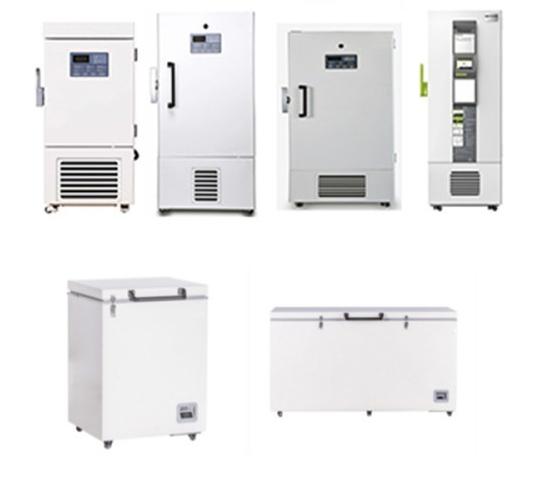
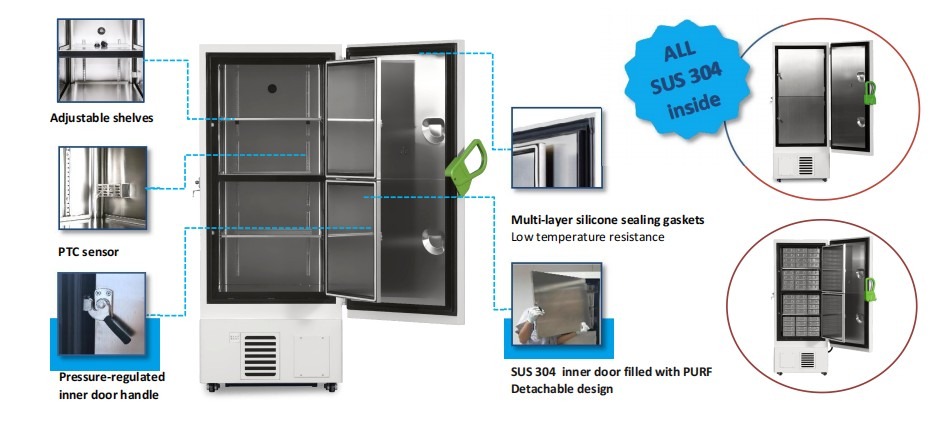
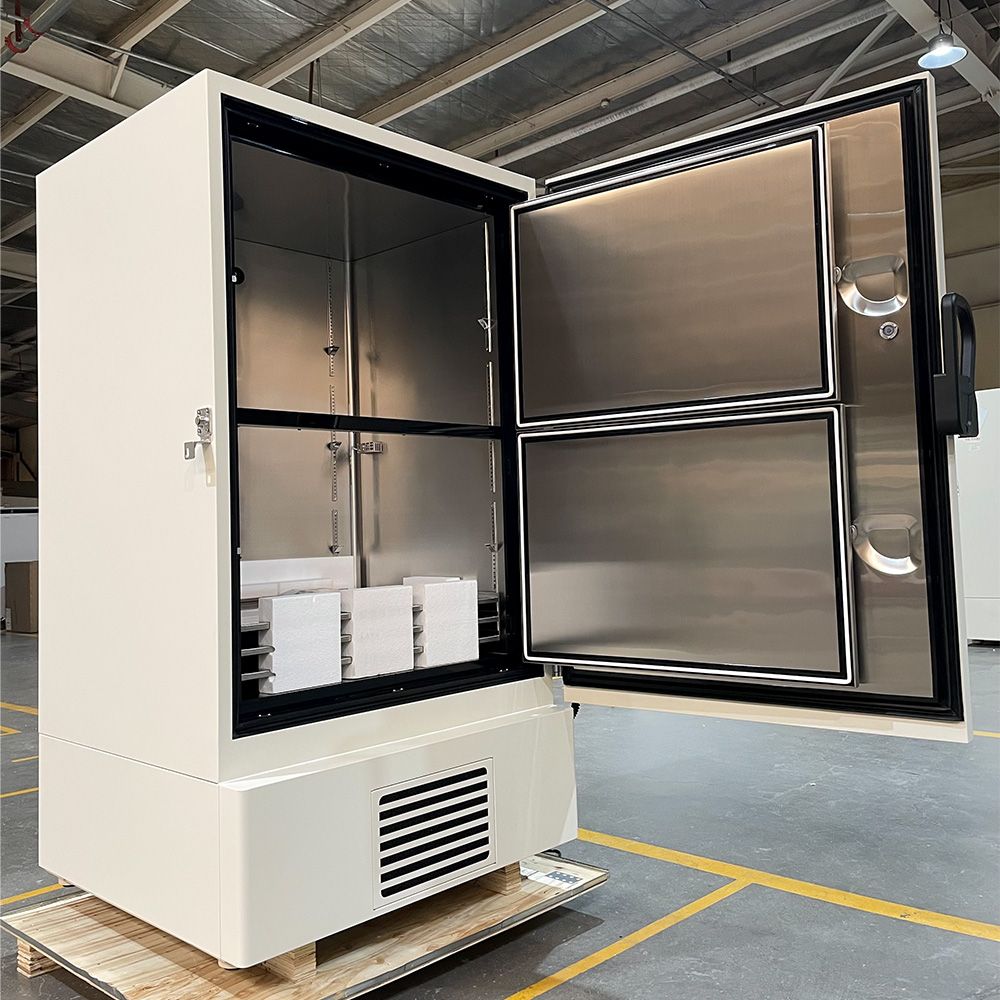
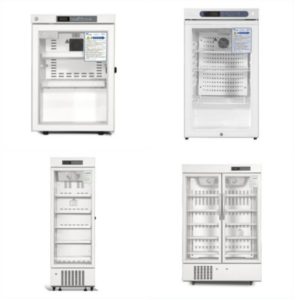
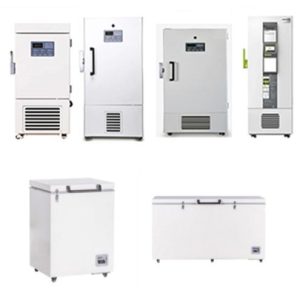
At Drawell, we supply a range of laboratory freezers including -86°C ULT models designed for reliable biological sample storage across research, clinical, and industrial environments. If you are building or upgrading a storage setup, contact the Drawell team to discuss which solution fits your requirements.
Get Quote Here!
Latest Posts


What Next?
For more information, or to arrange an equipment demonstration, please visit our dedicated Product Homepage or contact one of our Product Managers.


