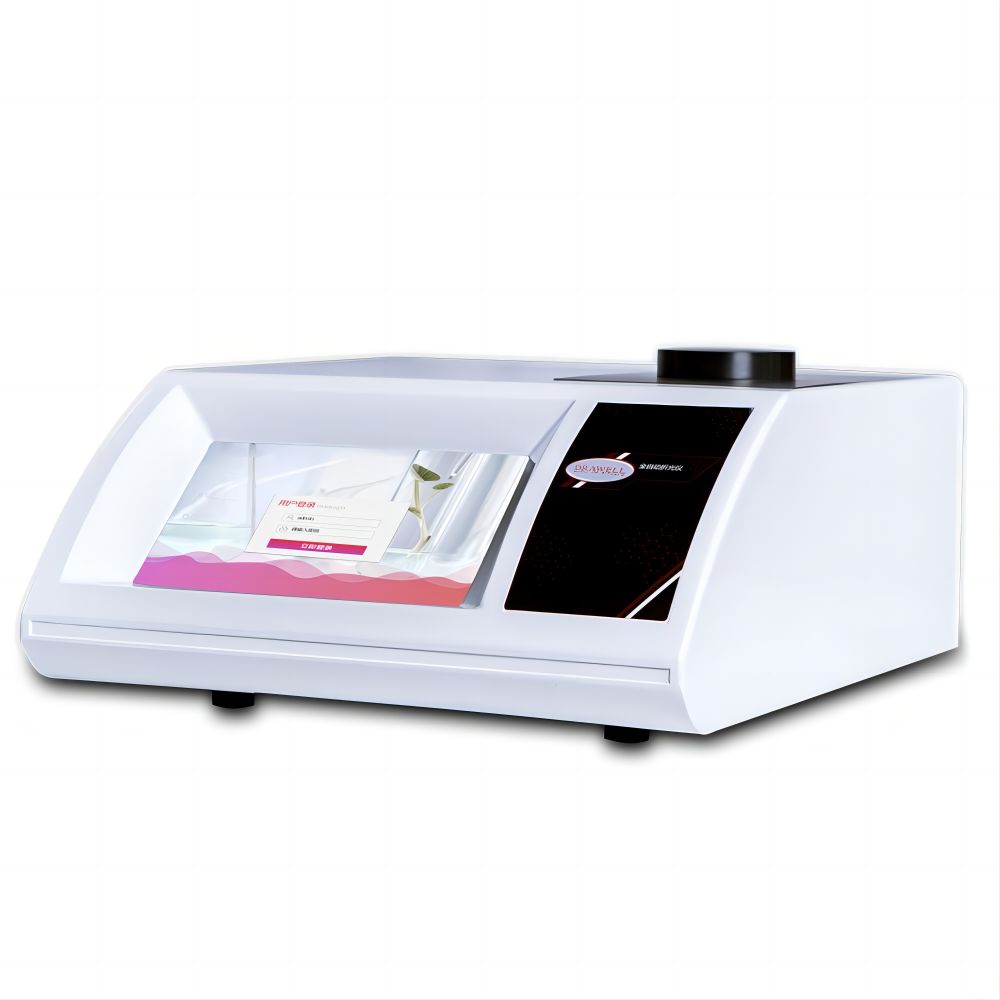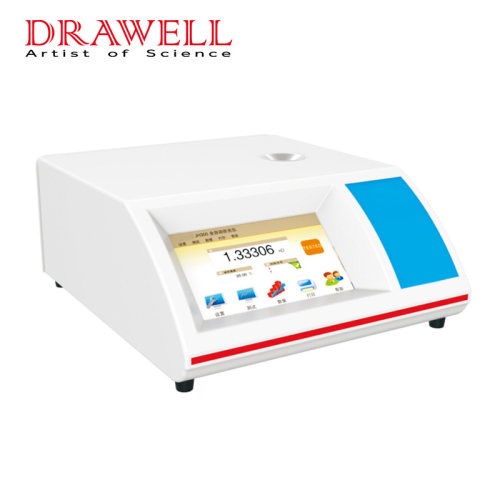


The precise evaluation of sugar content is very important in food production and quality control. For example, products such as sugary drinks, dairy products, concentrated fruit juices, and syrups all require sugar content measurement. The concentration of sugar, on the one hand, determines taste, texture, shelf life, and compliance with regulatory standards on the other. Refractive index testing using automatic refractometers is one of the most widely accepted among various analytical methods.
In this article, you will find a detailed discussion about the role of automatic refractometers in sugar content analysis in food, the reasons for their increasing preference over the traditional methods, and the reliable solutions provided by Drawell as a digital refractometer manufacturer for food testing applications.
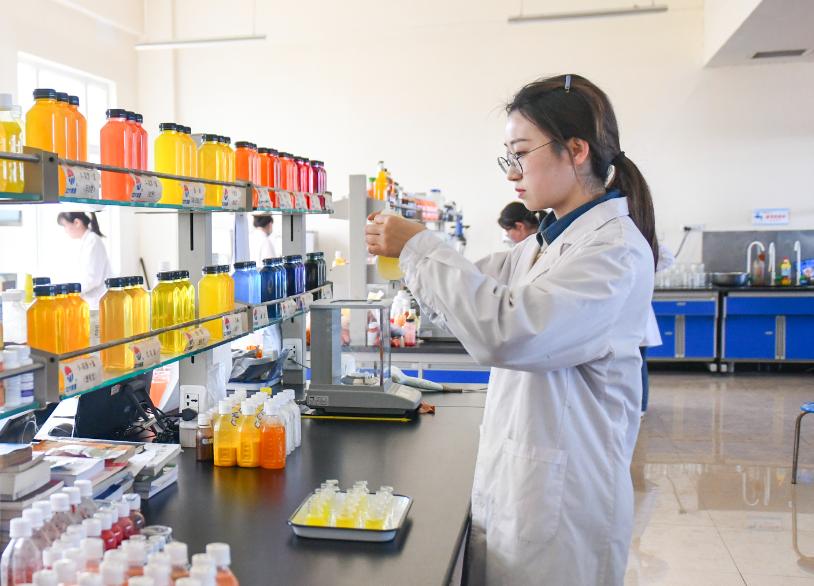
The Relationship of Refractive Index and Sugar Concentration in Food
Why Sugar Content Matters in Food Analysis?
Sugar content is a key quality parameter across many food categories. In beverages, it determines sweetness and mouthfeel. In dairy products, it affects fermentation behavior and final product consistency. In fruit juices and concentrates, sugar levels are closely linked to raw material quality and product grading.
From a regulatory perspective, sugar labeling must be accurate and consistent. Small deviations in sugar concentration can lead to batch inconsistencies, customer complaints, or even compliance risks. As food production becomes more standardized and data-driven, laboratories need fast, repeatable, and reliable sugar content analysis methods that fit into routine quality control workflows.
This growing demand has made refractive index analysis a core technique in food laboratories.
Why the Refractive Index Can Reflect Sugar Concentration?
The refractive index of a solution describes how light bends when passing through it. In aqueous food samples, dissolved sugars significantly influence this optical behavior. As sugar concentration increases, the refractive index rises in a predictable and measurable way.
Because of this stable relationship, refractive index testing can be used to determine sugar concentration indirectly. In food analysis, refractive index values are often converted into Brix units, which represent the percentage of soluble solids—primarily sugars—in a solution.
Modern automatic digital refractometers perform this conversion automatically, allowing laboratories to obtain sugar content results quickly without complex calculations. This makes refractive index testing especially suitable for routine food quality control.

Why Automatic Refractometers Are Ideal for Sugar Content Analysis?
Compared with manual instruments or chemical analysis methods, automatic refractometers offer clear advantages in terms of accuracy, efficiency, and data reliability. These benefits explain why they are widely used in food testing laboratories.
High Accuracy and Repeatability
Food quality control requires consistent results across multiple measurements and operators. Automatic refractometers are designed to minimize human error by controlling key measurement conditions automatically.
Built-in temperature control and compensation systems ensure stable refractive index readings, even when ambient conditions change. Optical sensors and digital detection further improve measurement precision, making results highly repeatable.
For laboratories performing frequent sugar content tests, this level of accuracy is essential to maintain product consistency and meet quality standards.
Fast and Simple Operation
Speed and ease of use are critical in busy food laboratories. Automatic refractometers simplify refractive index testing by reducing manual steps.
Most measurements require only a small sample volume and a single operation. Results are displayed digitally within seconds, allowing technicians to process more samples in less time. This efficiency is especially valuable for beverage plants, dairy facilities, and fruit processing lines where high sample throughput is common.
By streamlining daily testing tasks, automatic refractometers help laboratories improve productivity without compromising accuracy.
Digital Data and Traceability
Modern food quality systems rely heavily on digital records and traceable data. Automatic digital refractometers store measurement results electronically, supporting long-term data management and audit requirements.
Digital output reduces transcription errors and makes it easier to integrate refractive index data into laboratory information systems or quality reports. This capability aligns well with the increasing emphasis on traceability and standardized documentation in the food industry.
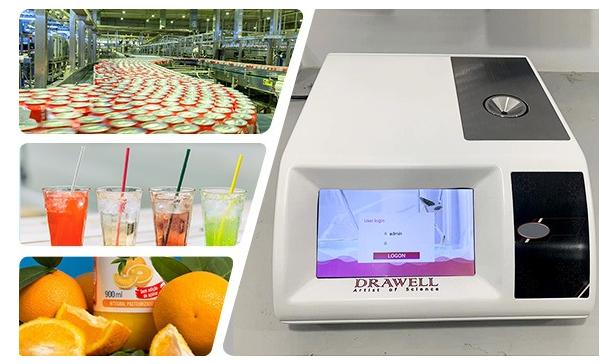
Typical Food Applications of Sugar Content Analysis
Thanks to their versatility, automatic refractometers are used across a wide range of food applications. Below are some of the most common examples.
1. Beverages and Soft Drinks
In beverage production, sugar concentration directly influences flavor consistency. Automatic refractometers are widely used to measure Brix values during formulation, blending, and final quality checks.
Fast refractive index testing allows manufacturers to make quick adjustments and maintain consistent taste profiles across production batches.
2. Dairy Products
In dairy processing, sugar content affects fermentation behavior and product stability. Automatic refractometers support sugar analysis in products such as flavored milk, yogurt, and condensed milk.
Their ability to deliver repeatable results makes them suitable for monitoring changes during processing and ensuring uniform product quality.
3. Fruit Juices and Concentrates
Fruit juices and concentrates require precise control of sugar levels to meet grading standards and customer expectations. Refractive index testing is commonly used to evaluate raw materials, monitor concentration processes, and verify final products.
Automatic refractometers simplify this process by providing rapid and reliable measurements, even for samples with relatively high sugar content.
4. Confectionery and Syrups
Confectionery products and syrups often involve viscous, high-sugar samples. Automatic refractometers are well-suited for these applications because they require minimal sample handling and deliver stable readings without subjective interpretation.

Automatic Refractometer vs Traditional Methods for Sugar Analysis
Different methods can be used for sugar analysis, but their suitability varies depending on the application and laboratory workload.
| Method | Speed | Accuracy | Operator Dependence | Typical Use |
| Manual refractometer | Medium | Moderate | High | Basic checks |
| Chemical titration | Slow | High | High | Reference analysis |
| Automatic refractometer | Fast | High | Low | Routine food QC |
Compared with traditional approaches, automatic refractometers strike a practical balance between accuracy and efficiency, making them ideal for routine refractive index testing in food analysis.
Key Features to Look for in an Automatic Refractometer for Food Testing
When selecting an automatic refractometer for food applications, laboratories should consider several practical factors:
- Measurement range suitable for common sugar concentrations
- Temperature control and compensation for stable results
- Ease of cleaning to support frequent testing
- Digital display and data storage for traceability
- Reliable manufacturer support for long-term use
Understanding these features helps laboratories choose instruments that meet both technical and operational needs.
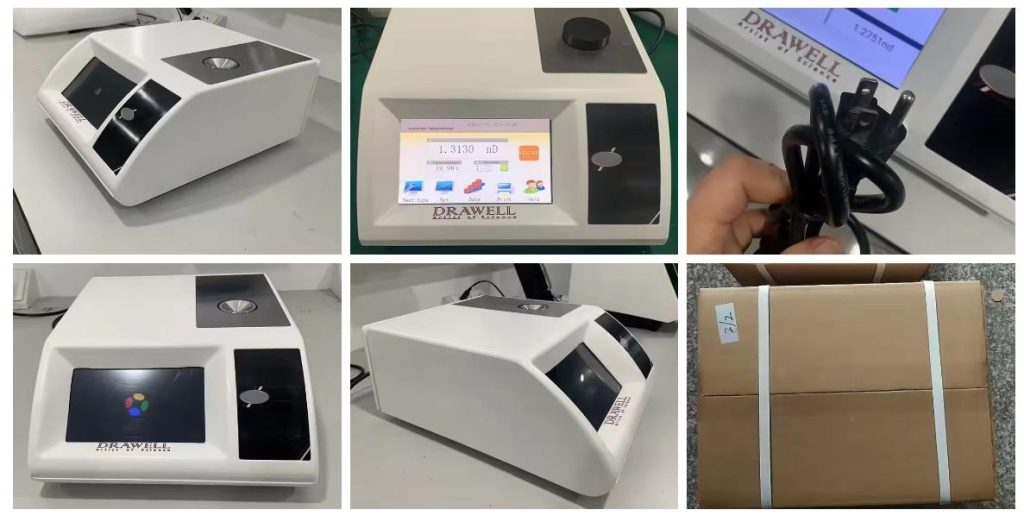
Enhancing Sugar Content Control with Drawell Automatic Refractometer Solutions
Selecting the right automatic refractometer is not only about instrument specifications, but also about long-term reliability, application support, and measurement consistency. This is where working with an experienced digital refractometer manufacturer becomes especially important for food laboratories.
Drawell has been supplying laboratory analytical instruments for food quality control and refractive index testing for many years. Our automatic refractometers are designed to support refractive index analysis and sugar content measurement in food with a strong focus on accuracy, operational stability, and user-friendly design.
For laboratories that require reliable routine measurements, Drawell offers a complete range of automatic refractometers suitable for common food applications such as beverages, dairy products, fruit juices, and syrups. These instruments help laboratories maintain consistent sugar concentration control while simplifying daily testing workflows.
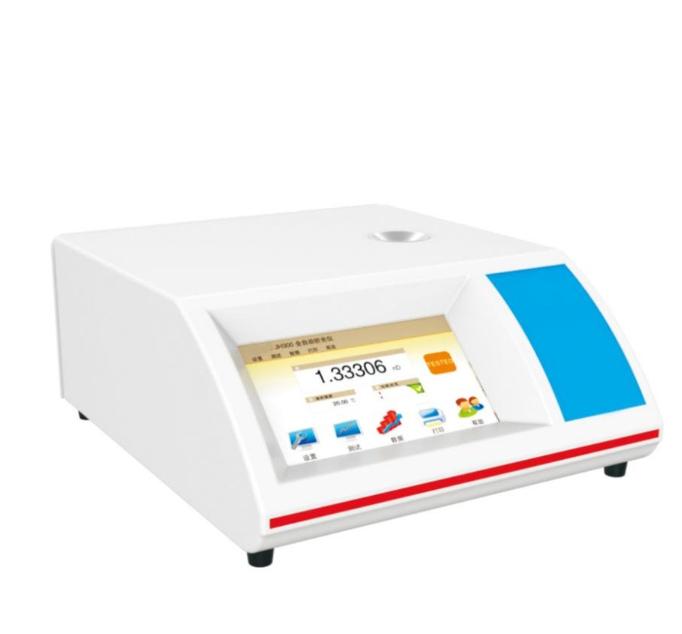
For more demanding applications, the Digipol-R Series Automatic Refractometer provides advanced digital refractive index measurement with high repeatability and efficient temperature control. This series is well suited for laboratories handling frequent measurements or working with samples that require stable and precise refractive index testing.
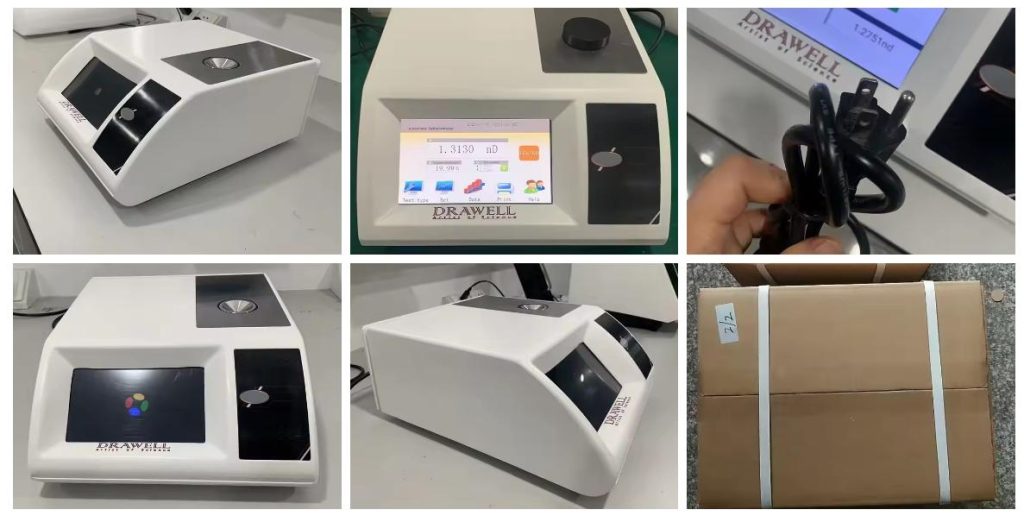
Beyond product selection, Drawell supports food laboratories by helping them choose suitable models based on sample type, testing frequency, and operational requirements. This application-oriented approach ensures that automatic refractometers are not only technically capable, but also practical for real-world food analysis environments.
Take the Next Step in Sugar Content Analysis
If you are looking to upgrade your sugar content analysis process or select a suitable refractometer for food applications,
explore Drawell’s automatic refractometer product series,
or contact our technical team for application guidance.
Choosing the right instrument today can help ensure consistent food quality and confident decision-making tomorrow.