


Handheld XRF detection limits vary with the element being measured, the sample matrix, the analyzer’s configuration, and the measurement conditions. A detection limit reported for one element or sample type should not be assumed to apply to every testing situation.
Handheld XRF analyzers do not have a single fixed detection limit that applies to all elements and samples. When purchasing or evaluating a handheld XRF device, “What is the instrument’s lowest detection limit?” is a common question, but the answer usually depends on the specific testing scenario.
An extremely low detection limit measured on one instrument for one particular element does not guarantee that it will function with the same detection ability when confronted with other sample types, various matrices or changing testing settings. You can’t just look at the absolute figure on a promotional site and decide if a handheld XRF analyser is right for your actual testing needs, you need to understand the numerous aspects underlying the values.
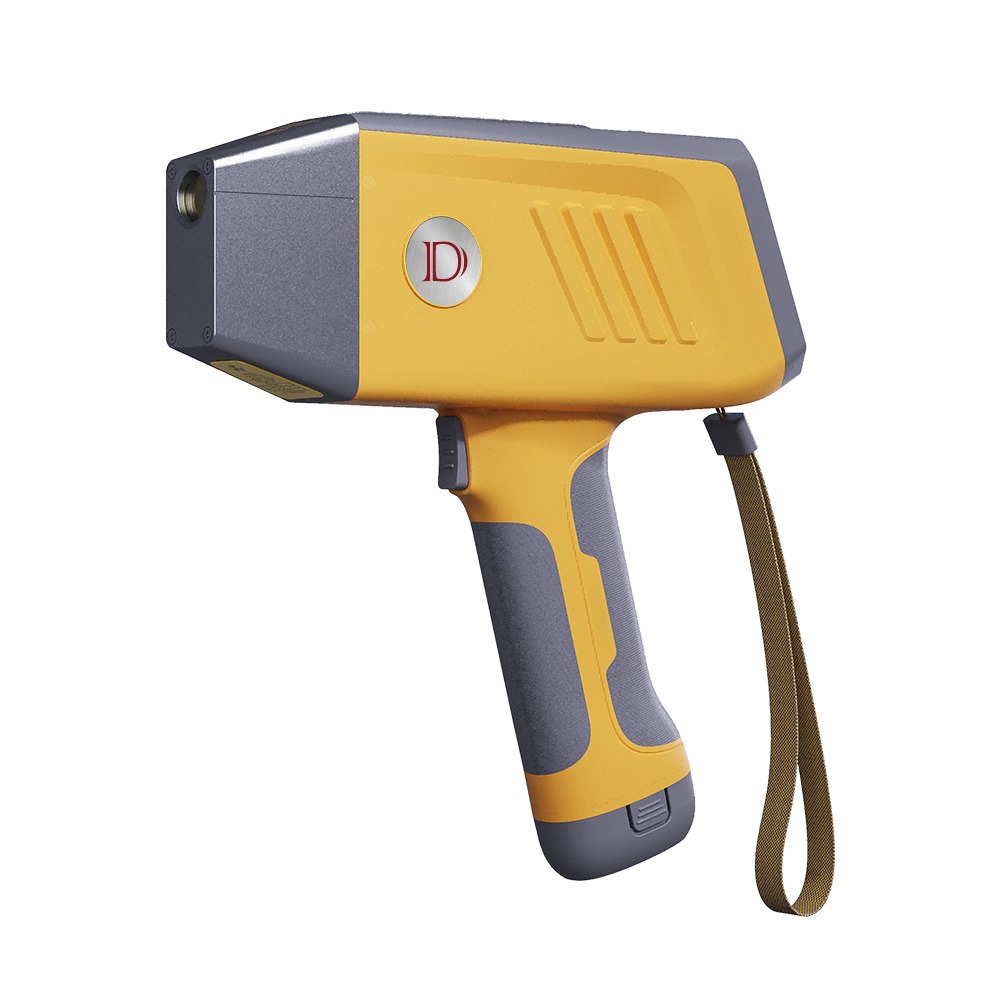
What Are Handheld XRF Detection Limits?
Before exploring the influencing factors in depth, we need to clarify the core concept of “detection limit”:
Definition: Detection limit is the low level of concentration at which the signal of the target element may be differentiated from the background under given testing conditions and decision criteria. This is not the same as the lowest concentration that can be properly quantified; results approaching the detection limit often require careful interpretation.
IDL & MDL Differences: 1. Instrument detection limit (IDL) and method detection limit (MDL) definitions are particular to the testing technique and method specific and definition criteria specific. Never judge the relationship or absolute level of the two by their name alone. What matters is to examine the statistical decision criteria and testing conditions that are employed in each.
Detection vs quantification. Detection means having the ability to identify a signal at low concentration and quantification means having the ability to assign a specific value with high certainty. These are two different levels of technical indicators.
Why direct cross-comparison is invalid: Since the measurement period, the power of the excitation source, the matrix material and the statistical formulae used to determine the detection limits are different from manufacturer to manufacturer, it is useless to compare the detection limit results directly without specified testing settings.
What Affects Handheld XRF Detection Limits?
Element Type and X-Ray Signals
Different elements emit characteristic X-rays of different energy (different atomic numbers). Light elements such as magnesium, aluminium, silicon, sulphur and phosphorus emit characteristic X-rays that are low in energy and more readily absorbed by the air passage and attenuated in the sample matrix, and are more difficult to detect under standard handheld settings.
But the actual detection capability depends on whether the instrument supports the target element, the detector, excitation conditions and the gas environment between the sample and detector. Some devices employ a vacuum or nitrogen purge to minimise the impact of air absorption on low energy X-ray, however the specific capacity still needs to be assessed according to the manufacturer specifications for the target element and sample type.
Besides, spectral overlapping and background interferences are also increased in complex samples with several coexisting elements, which leads to an increased detection threshold for low concentration elements. At the hardware level, differences in energy resolution and data acquisition capability between PIN and silicon drift detectors (SDDs) explain why detector design is one factor to consider when evaluating analyzer sensitivity, but it is not the only factor that determines overall instrument performance.
Sample Matrix and Composition
In the assessment of sample impacts, it is important to distinguish between physicochemical factors influencing the detection ability directly and sample representativeness factors influencing the dependability of the actual measurement results:
Matrix effects and interferences (affecting detection capability): The whole chemical composition of the sample modifies the X-ray absorption and enhancement effects, which leads to spectrum interferences and modifications in the background signal. This means that the same concentration of a target element may behave in very different ways in detection in different matrices (e.g. aluminium alloys and complicated soils).
Physical state and representativeness (influence on the dependability of the result): Sample particle size, moisture content, surface flatness and macroscopic uniformity significantly affect the repeatability of measurement results and comparability between batches. For samples with uneven geographical distribution, it is more useful to select numerous test points in different positions properly and average them, than repeat measurements at the same spot.
Value of sample preparation: To reduce data bias caused by physical state, in laboratory analysis or high-precision testing, standard sample preparation for XRF analysis is key to ensuring comparability of data across different batches.
Environmental and soil testing reference: For field screening of environmental soils or sediments, analytical performance must be interpreted in combination with specific operating procedures. For example, EPA’s Method 6200 for field-portable XRF analysis, developed by the U.S. Environmental Protection Agency, provides applicable scope and sample handling specifications for the analysis of specific elements in specific soils and sediments, but it addresses a specific portable field scenario and is not a universal standard applicable to all handheld XRF devices and all materials.
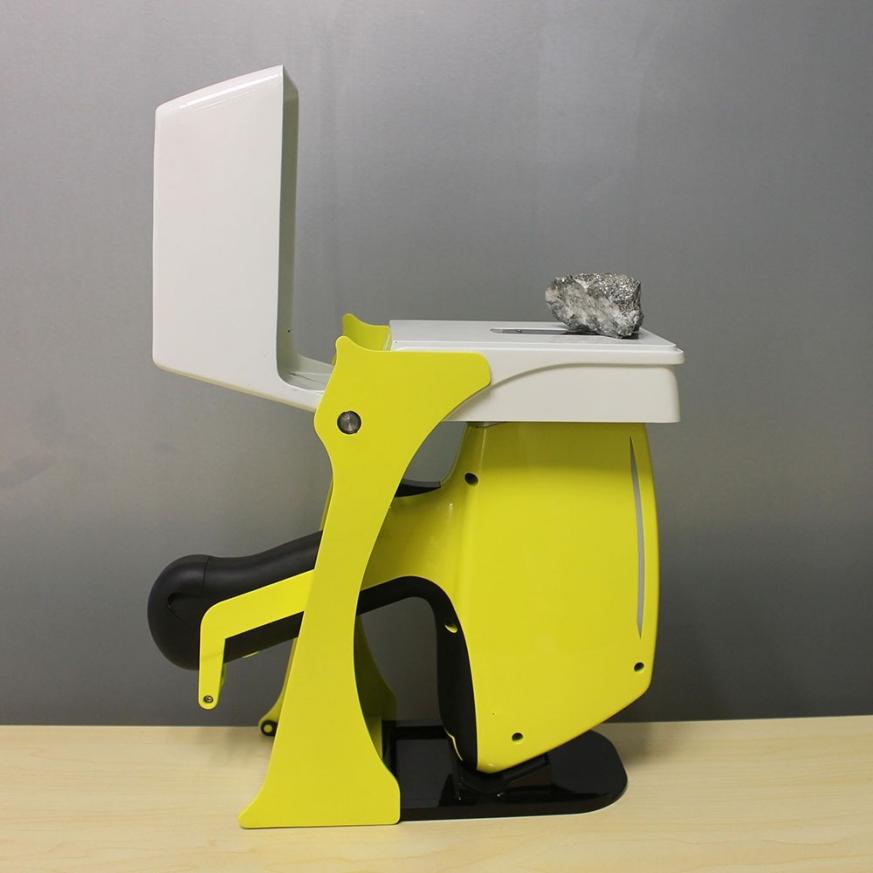
Measurement Time and Testing Conditions
Increasing the measurement period (measuring time or counting time) often improves the counting statistics. However, the improvement in the detection limit is not necessarily equal to the measurement time.
The influence of the additional time spent in measurements is limited with increasing measurement time, and depends on the target element, background signal and sample matrix. Also, random fluctuations may be caused by physical circumstances such as the tightness of contact between the instrument nose and the sample surface and the testing angle, which must be regulated through standardised operating methods.
Calibration, Interferences, and Analyzer Configuration
When assessing analyser configuration, remember that different technological issues impact detection limits differently:
Spectral interference and background signal: directly influence the ability of the system to recognise and discriminate the signals of target elements at low concentrations.
Excitation source, arrangement of filter and detector: influence on the excitation efficiency, signal collection and spectral discrimination capability of a certain element under particular sample conditions.
Calibration model (FP method / empirical coefficient method) : primarily influence is on the accuracy of the measured X-ray signal intensity into element content, focus on data calculation and result interpretation.
How to Read Handheld XRF Detection Limit Specifications
When facing the technical specification table provided by the manufacturer, it is recommended to check it one by one according to the following dimensions and establish a scientific selection logic:
| Specification | What to Check |
| Target element | Confirm the specific element to which the detection limit corresponds, rather than a general “multi-element detection capability.” |
| Sample matrix | Check the material type corresponding to the data, such as alloy, soil, or plastic. |
| Measurement time | Confirm the single measurement time and whether the test uses a mode similar to actual work. |
| Test conditions | Check sample state, testing procedure, and other conditions that may affect results. |
| Detection limit definition | Confirm the detection limit definition, calculation method, and statistical decision criteria used. |
Practical selection logic:
Clarify target elements: Determine the target elements to be detected and the actually required concentration range.
Check matrix applicability: Confirm whether the published data cover your actual sample material.
Compare testing conditions: Check whether the measurement time and testing method are consistent with your actual workflow.
Request actual test data: If the published data lack key testing conditions, directly request from the manufacturer a verified test report for the corresponding element and sample type, rather than blindly adopting the lowest value on the promotional page.
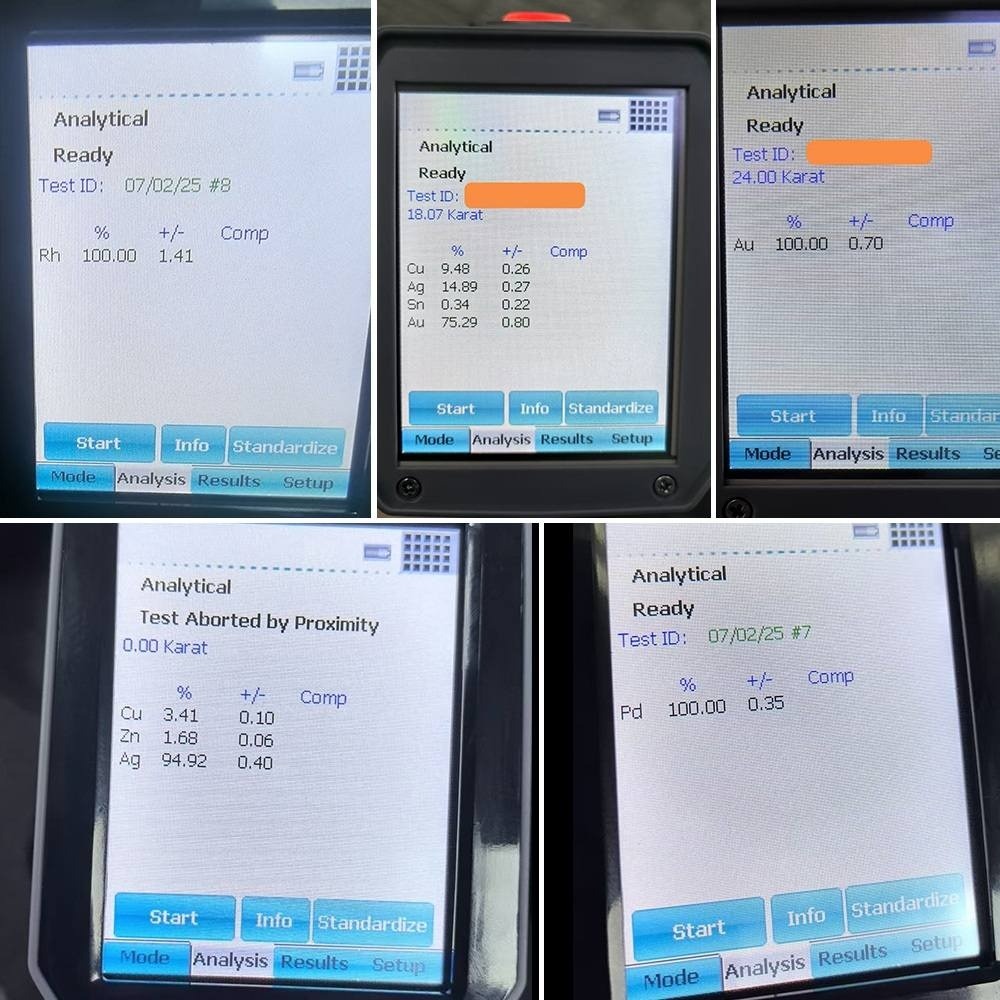
When Is Handheld XRF Sensitive Enough?
The sensitivity of an instrument should not be judged only by the name of the scenario, but should be completely quantified according to the goal concentration, decision threshold and unique testing task:
Field screening and classification: Handheld XRF is well suited for rapid on-site sorting or large-scale screening and the emphasis is on evaluation if the device can provide a clear screening decision close to the decision threshold (Action Levels). However, one must differentiate between fast field screening and regulatory confirmatory analysis. Screening results do not necessarily equal compliance with final confirmation standards defined by regulations.
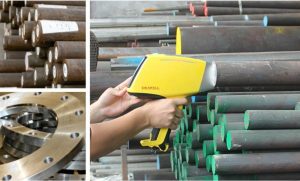
Metal and alloy analysis: The problem in alloy testing is not so much the aimless search for very low-level impurities, but whether the instrument can differentiate the important alloying elements and their compositional ranges for the grade of interest. You can refer to handheld XRF alloy analysis to learn technical details about alloy scenarios. For a specific equipment selection entry point, consult Dawell’s K-1688 handheld XRF alloy analyzer product page to check the published nominal specifications and supported material range of the device for alloy applications.
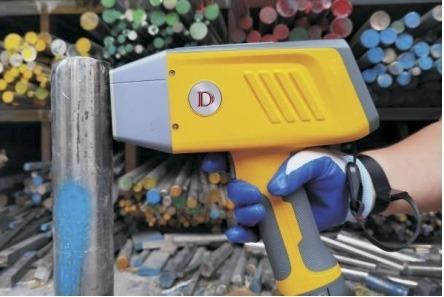
Environmental and geological applications: For complex samples such as soil or ore, it is necessary to combine regulatory limit requirements, sample homogeneity, and matrix interference to evaluate whether portable testing meets the accuracy range for on-site compliance screening or mining exploration.
Final Considerations
The detection limit of handheld XRF is a performance indication limited by many conditions and it is definitely not a universal absolute value.
The suitability of an instrument should be scientifically verified using the target element, sample matrix, measurement period and specific technique requirements.
In cases where the testing task requires strict high-precision quantification or formal regulatory confirmation, it is recommended to evaluate the need for laboratory benchtop confirmatory methods (e.g., ICP- OES or wet chemical analysis) for final verification based on the applicable analytical standards.
Get Quote Here!
Latest Posts



What Next?
For more information, or to arrange an equipment demonstration, please visit our dedicated Product Homepage or contact one of our Product Managers.


