


XRF analyzer radiation safety is directly related to instrument design, beam management, operator training, and enforcement of on-site safety regulations. XRF analyzers can be used safely with the proper engineering controls and operating practices. However, because these instruments utilize ionizing radiation for elemental analysis, XRF analyzer radiation safety is directly related to instrument design, beam management, operator training, and enforcement of on-site safety regulations.
To properly grasp the possible risk of exposure to XRF radiation, operators need to have a better understanding of how XRF radiation is generated, how the primary beam and scattered radiation behave, and how radiation management differs between handheld and tabletop instruments. The article provides practical guidance on procedures to follow before testing, safety considerations when using XRF analyzers, how to prevent workplace risks and how to respond if the equipment is acting up so operators can give workplace safety a priority, without resorting to generalizations that may not apply.
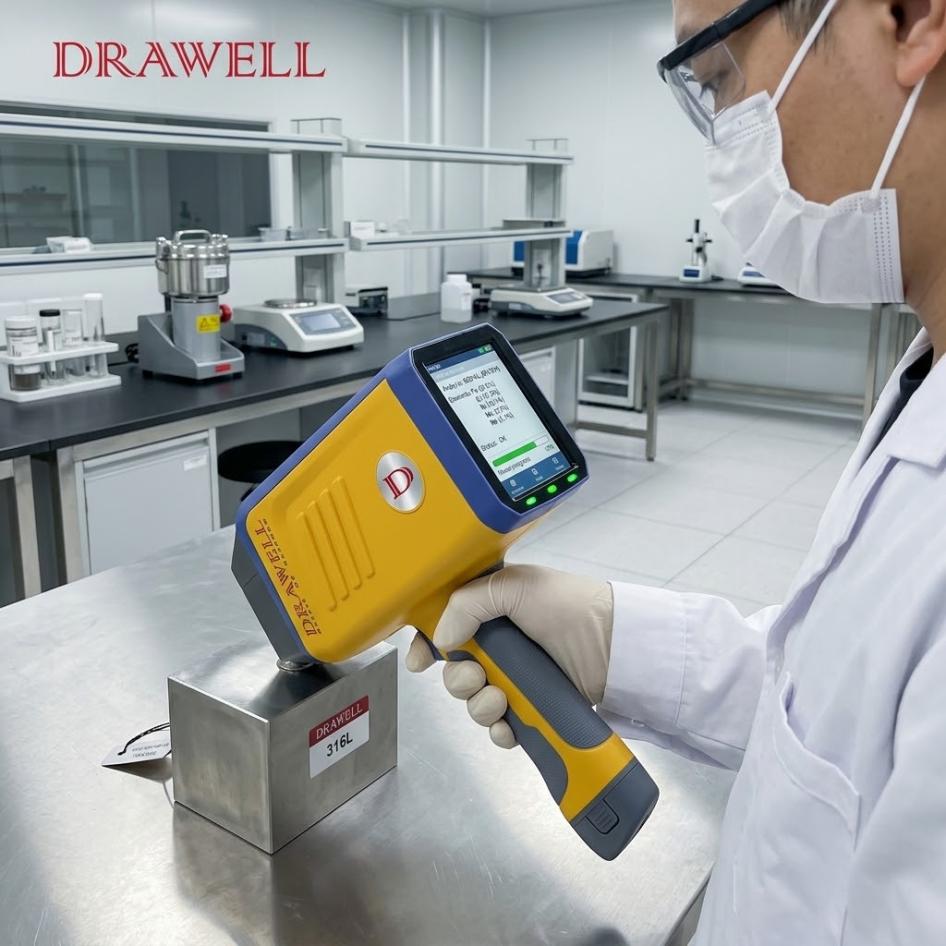
How Does an XRF Analyzer Create Radiation Exposure Risks?
To successfully manage radiation safety, the operator must understand how XRF devices emit radiation during analysis and how exposure risks occur:
Primary x-ray beam: The x-ray beam incident on the sample used to excite the sample, coming directly from the x-ray tube (or isotope source) through the instrument window to the sample. For handheld devices, the main safety issue is to avoid any portion of the human body coming into the direct beam path.
Scattered radiation The primary beam hits the sample and some of the X-rays are scattered in all directions. The scattered radiation is impacted by sample density, thickness, atomic number and positioning of the sample on the measuring window. Therefore, the risk evaluation must take into account the full area around the sample interface and not only the front side of the analyzer.
Exposure conditions: The analyzers based on X-ray tube generate X-ray only when the tube is energized. Disabling the X – ray generation turns off that source of radiation , but does not turn off any inherent hazards that may apply to the equipment . The total exposure varies with beam energy, distance from the source, exposure length and physical shielding.
Operators should never take it for granted that an analysis is risk-free merely because the device is small or the test cycle takes only a few seconds. For the physics and biology background of these radiation hazards, The Health Physics Society’s explanation of XRF analyzer radiation exposure includes advanced technical details of ionizing radiation risks and measurement procedures.
Handheld vs. Benchtop XRF: Where Do the Risks Differ?
The practical workflow, beam accessibility and safety control mechanisms differ greatly between the handheld and tabletop analyzers:
| Evaluation Dimension | Handheld XRF | Benchtop XRF |
| Main safety focus: | Beam direction, sample location and hand location in the vicinity of the measurement window. | Sample chamber shielding, door closed status, safety interlock integrity, system status indicators (model specific). |
| Common mistakes in operation | Testing small or unstable samples by hand, aiming the gadget at individuals or placing fingers near the measurement window. | Incorrect sample placement, circumventing door interlocks or forcing the door open during testing. |
| Pre-use inspections – key | Confirm target is stable and device and sample are in position according to procedures and safety operation indications are normal. | Check sample chamber seal, door interlocks, status indicators and emergency shutdown function as per device configuration. |
| Rule of abnormal response | Release the trigger, stop the creation of the X-ray immediately and recheck the state of the target and the device; | Never push open a stuck door or circumvent door interlocks whilst X-rays are still being generated. |
They are easy to use in the field but do demand tight discipline on the part of the operator as to beam direction and secondary scatter. Depending on the type, enclosed benchtop systems (such as a desktop XRF film-thickness analyzer) can be provided with shielding, door interlocks and status indicators. Operators should check safety settings against product documentation for particular model.
Don’t assume all benchtop devices have the same interlock mechanisms. Don’t think checks are not required for features the device doesn’t actually have.
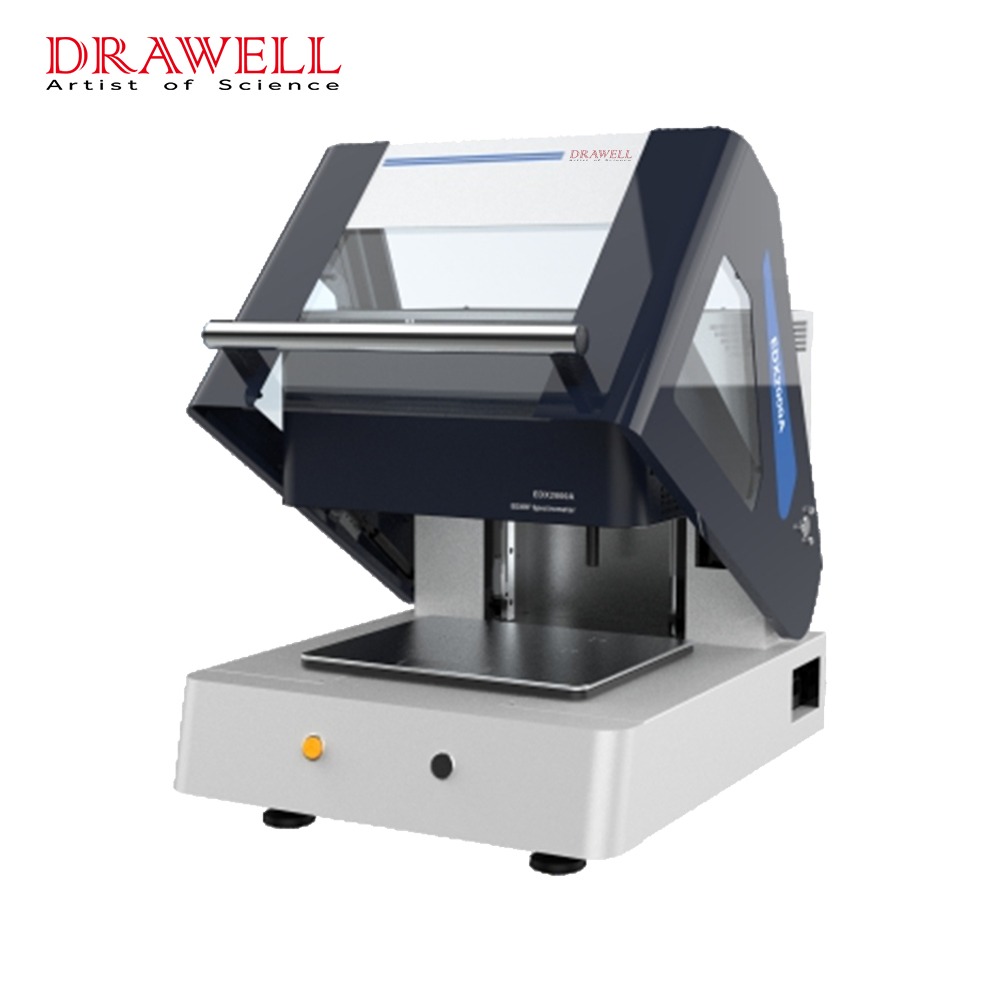
How to Test an XRF Analyzer Before Measurement
Instead of seeing safety as a set of abstract rules, operators should do an organized pre-test process before each measurement:
Step 1 – Physical Equipment Condition Check
Check instrument housing, measurement window, sample chamber, latches and related cables for obvious damage or irregularities. If a damaged window, deformed housing, loose safety component or other condition that may impact normal protection is encountered, discontinue usage and notify authorized maintenance staff following the manufacturer’s maintenance guidelines. Do not dismantle any shielding components or make repair attempts on safety interlocks yourself.
Step 2 – Correct Sample Position
Place the sample and fasten per the manufacturer’s requirements so that it will not move during measurement. Sample cups, holders or fixtures permitted for use on the device for small, irregular or difficult to stable samples. Do not touch the sample manually while X-rays are being created, and do not position your fingers near the measurement window. If it is not possible to position the sample safely according to the protocols, interrupt the measurement and refer to the operating instructions for the specific model.

Step 3—Check Active Safety Equipment
Verify that the status indicator lights, X-ray warning lights and automatic sample-detection sensors (if fitted) are operating correctly. Before taking any measurement, operators can use the product as an example to confirm that the instrument’s indication lights and sample-detection safety features are functioning according to the manufacturer’s instructions. Do not try to disable or bypass any safety sensor incorporated into the system.
Step 4 — Manage the Environment of the Measurement
Create a regulated test location. Ensure that onlookers are kept away at a safe distance and out of the line of sight, and that operator duties are in accordance with the requirements of the institution and reference standards such as radiation safety procedures for X-ray analysis equipment.
What Could Increase Your Exposure To Radiation?
Actual radiation exposure risk relies on the design of the device, the conditions of the sample, and the operational environment. Special consideration should be given to the following situations:
Improper beam path control: Increased danger of radiation exposure if the hand or body of the operator enters the direct beam path. For handheld analyzers, follow the manufacturer’s instructions for positioning the instrument and sample, and do not point the measurement window toward people.
Sample not stable: Small, irregular or difficult-to-fix samples may move during measurement, increasing the probability of individuals approaching the measurement window or inadvertently entering the beam path. Use proper sample holders / fixtures.
Safety device abnormalities: If interlocks, sample-detection devices or radiation status indicators are present and operate improperly, operators may not be able to accurately verify whether the device is in the expected safe state. Stop use and inspect according to the manufacturer’s fault handling procedures.
Inadequate work area management: Testing in locations with high traffic of staff increases the danger of unintentional exposure of the measuring area to unrelated persons. According to the type of equipment and the risk assessment on the spot, establish the right operating zones and staff management procedures.
Unverified radiation protection: Do not consider temporary fencing, homemade shielding devices and unproven alterations as a form of radiation protection. If extra shielding is needed, the material, structure and manner of use should be determined from the information provided by the manufacturer and from the applicable radiation protection assessments.
What to Do When an XRF Safety Problem Occurs
First of all if any anomaly arises follow the shutdown procedures for that particular malfunction stated in the equipment manual. Do not open the housing. Do not force open a door secured by an interlock. Do not circumvent safety mechanisms.
In case of suspected radiation exposure due to unexpected radiation, relevant operations should be stopped immediately, the scene should be controlled with personal safety ensured, and people responsible for radiation safety should be notified for follow-up evaluation. Specific shutdown, isolation and reporting procedures should be in accordance with equipment instructions and institutional emergency procedures:
| Abnormal scenarios | Immediate actions to be taken | Subsequent handling procedures and reporting |
| Physical damage to the housing or window | Stop the test immediately; shut down the power supply according to the manual; attach a “Do Not Use” label to prevent misuse. | Record the physical damage; contact authorized technical support personnel to inspect or replace the housing/window. |
| Faults in indicator lights or sensors | Stop the analysis; do not attempt to bypass or forcibly overwrite the safety detection function. | Check the power and software settings; if the problem cannot be solved, report the fault to the instrument supervisor or have it repaired. |
| Sample displacement during testing | Immediately terminate the measurement cycle; confirm that X-ray has stopped generating before handling the sample according to the manual. | Place the sample back using an appropriate test stand or fixture; check if the window components are damaged. |
| Suspected unexpected radiation exposure | Stop the relevant operation immediately; cut off the X-ray source according to the manual; restrict access to the testing area. | Notify the Radiation Safety Officer (RSO); record the equipment settings and abnormal phenomena, and have professionals assess later. |
Note: Decommissioning defective equipment or documenting equipment radiation exposure irregularities is not a formal radiation exposure evaluation. If there is any real suspicion of accidental exposure, additional assessment should be undertaken by experts with appropriate duties and capacities; the existence or absence of physical symptoms alone cannot be used to determine whether danger exists.
XRF Analyzer Radiation Safety Checklist – Daily Use
| Inspection Stage | Actionable Inspection Items |
| Pre Measurement | No visible damage to instrument housing and window components; sample secured according to procedures; safety functions normal. |
| Measurement | Full-function check completed; personnel management in the testing area is in place; primary beam not directed at persons; no sample adjustment with bare hands during measurement; safety devices not bypassed. |
| Post Measurement | Refer to the handbook and verify that the device has been brought to a safe state. Shut down and store the equipment. Limit unauthorized use as necessary. Document and report any irregularities. |
Final Remarks on Safe XRF Operation
Safe operation of XRF is not only a matter of following the usual precautions. Operators must be familiar with the radiation source of the instrument, properly position samples, check the safety features available on their particular model, and follow the manufacturer’s operating and maintenance instructions. Any suspected safety defect must be corrected prior to returning the instrument to service. Similar considerations apply when choosing XRF analyzers for use in laboratory or industrial testing environments.
Apart from analytical criteria like the type of sample and the measurement range, buyers should consider instrument safety, sample handling requirements and available technical documentation. This comparison of the Drawell handheld XRF analyzers and desktop XRF systems can assist you in selecting equipment that is suitable for the desired application and the operational environment.
Get Quote Here!
Latest Posts




What Next?
For more information, or to arrange an equipment demonstration, please visit our dedicated Product Homepage or contact one of our Product Managers.


