



Blog
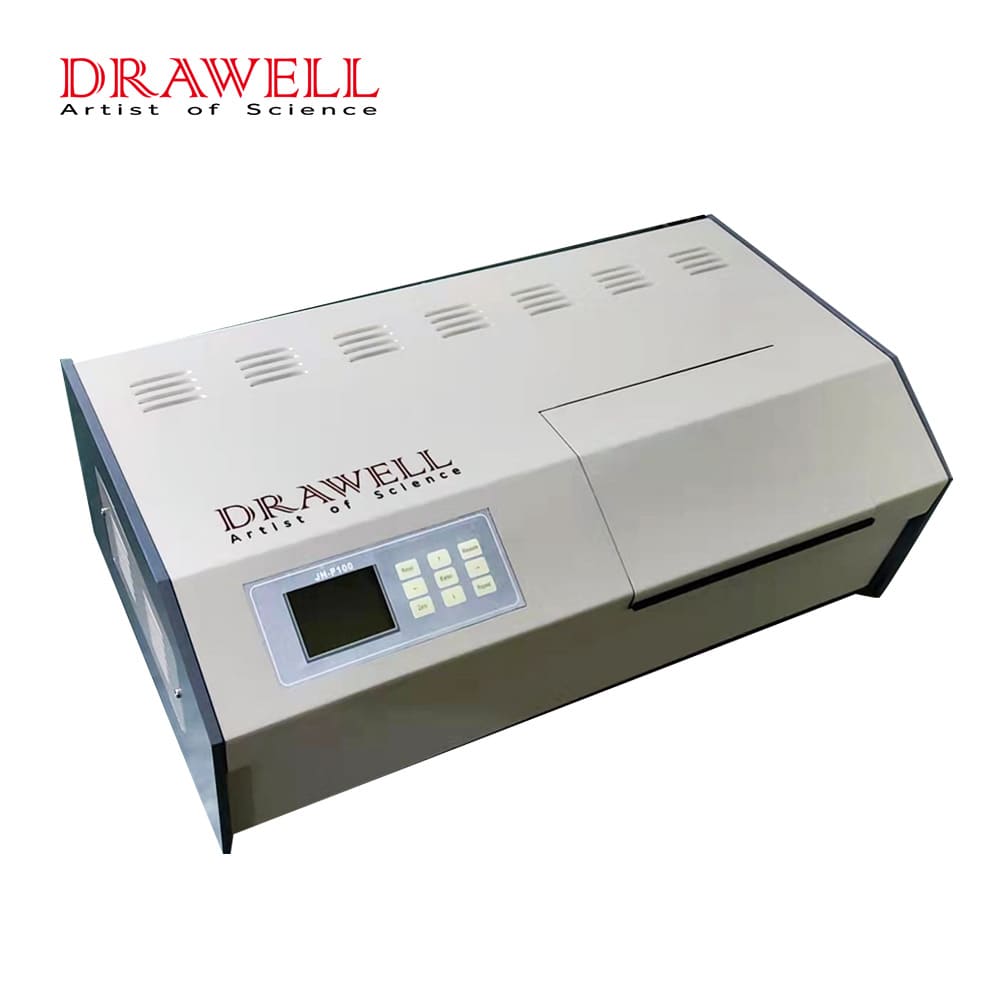
Decoding the Secrets of Optical Rotation Analysis – Automatic Polarimeters
An automatic polarimeter is a sophisticated analytical instrument used in various fields, including chemistry, pharmaceuticals, and food science, to measure the optical rotation of substances. By analyzing the interaction between polarized light and chiral compounds, automatic polarimeters provide valuable insights into…
How Does a Spectrophotometer Work?
A spectrophotometer, sometimes known as a spectrometer, is scientific equipment that measures the amount of light absorbed or transmitted by a material sample at various wavelengths. It is frequently used in different fields of science to explore the properties of materials…
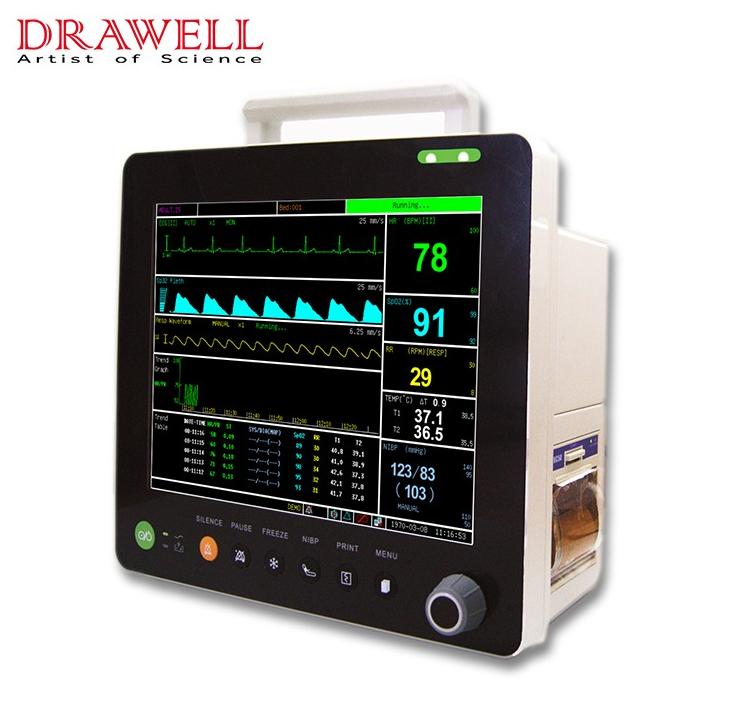
Patient Monitor: How to Read and How to Deal With the Common Alarms
Patient monitoring is an essential aspect of clinical care that involves the continuous measurement and recording of various physiological parameters to assess a patient’s health status. However, interpreting patient monitor readings can be challenging, especially for healthcare professionals who are…
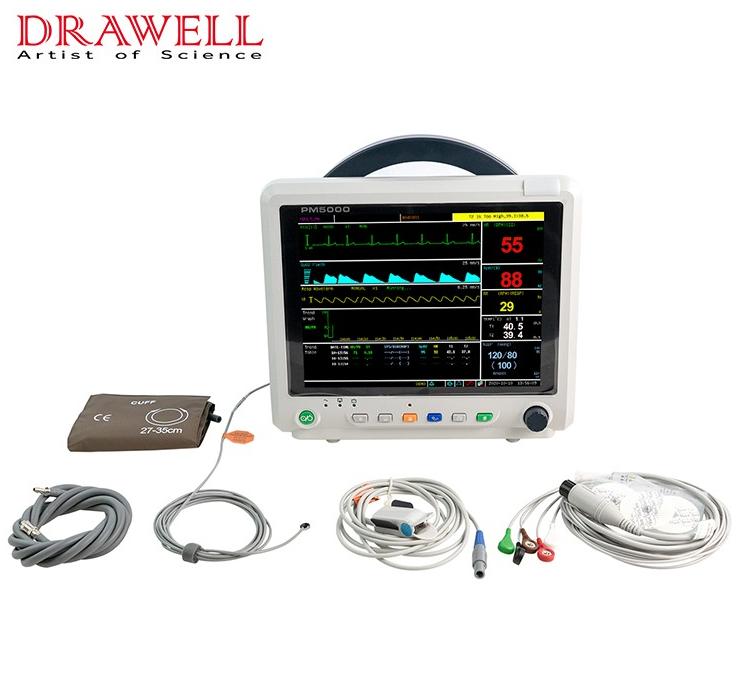
Why Choosing Patient Monitors Help with Early Detection of Medical Condition
Patient monitors can help with the early detection of medical conditions by continuously monitoring a patient’s vital signs and other physiological parameters. By providing real-time, accurate data, patient monitors can alert healthcare professionals to changes in a patient’s condition that may…
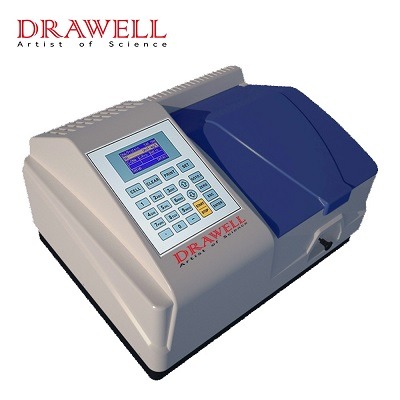
Why UV-VIS Spectrophotometer Is an Important Laboratory Analysis Tool?
UV-VIS spectrophotometers are extensively used in analytical chemistry to determine how much light a compound absorbs as a function of wavelength. Types of UV-VIS Spectrophotometer Single-Beam UV-VIS SpectrophotometerA single-beam spectrophotometer features a single light beam divided into two parts: a reference beam…
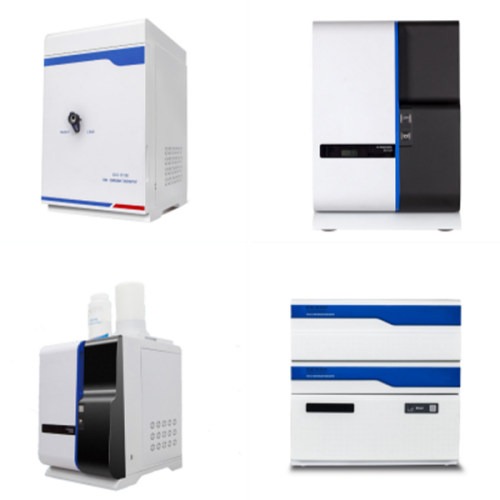
Why Is Chromatography Useful?
Chromatography is a powerful analytical technique that has evolved into a necessary tool in modern science. It is used to separate and analyze complicated mixtures of compounds and has several uses, including pharmaceuticals, environmental monitoring, food and beverage analysis, and…
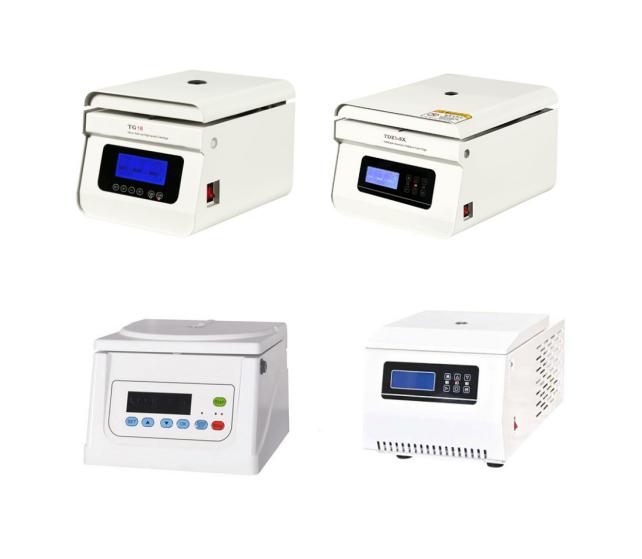
What Should Be Paid Attention to When Using a Centrifuge
Centrifuges are vital laboratory equipment used for various separation and purification applications. They come in different types, sizes, and capacities, but all perform the same basic function of separating materials based on their density. As with any equipment, the service life…
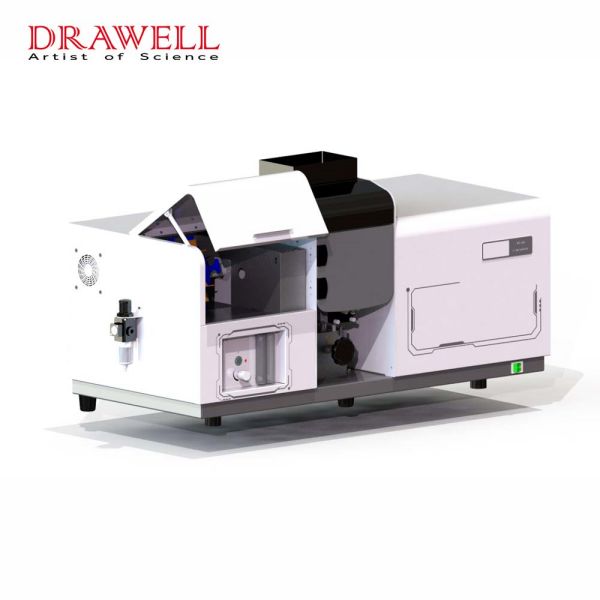
Colorimeter Vs Spectrophotometer: What Are the Key Differences
Color measurement is an essential aspect of various fields, including manufacturing, food, textiles, cosmetics, medical diagnostics, and environmental monitoring. With the increasing demand for product quality and consistency, accurate color measurement has become more important than ever. Colorimeters and spectrophotometers are…
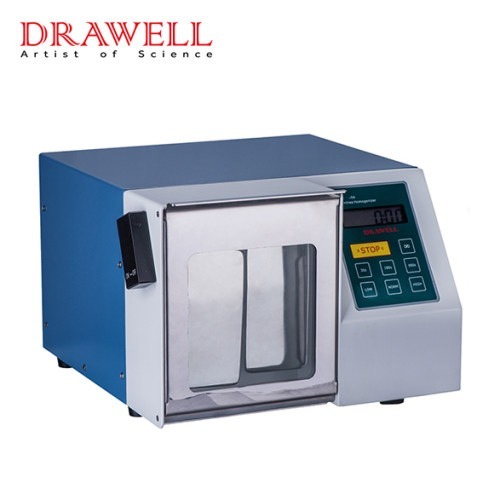
5 Key Differences Among Ultrasonic, High-Pressure, and Sterile Slap Homogenizers
Homogenizers are essential laboratory equipment used to mix and break down various substances. Homogenizers can be used for a wide range of applications, including cell disruption, nanoparticle synthesis, emulsion formation, and microbial culture. Three commonly used homogenizers are Ultrasonic Homogenizers,…
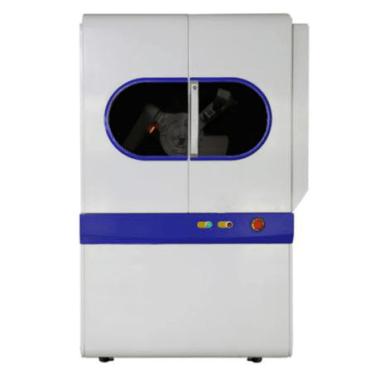
Differences Between XRD and XRF in Materials Analysis
X-ray diffraction (XRD) and X-ray fluorescence (XRF) are two analytical techniques commonly used in materials analysis. XRD is used to study the crystal structure of materials, while XRF is used to determine the elemental composition of materials. Understanding the differences between these…
Browse by category:


