


X-ray fluorescence (XRF) analyzers have become essential instruments in material identification, quality control and elemental analysis in different sectors. With the recent advancements in XRF technologies, users are often required to make a selection between handheld and benchtop XRF analyzers. Each of them has different strengths and weaknesses and the right choice depends on the uspecific application, required accuracy, portability needs, and budget. This article compares handheld vs. benchtop XRF, exploring their key differences, advantages, limitation, ideal uses and which options can be most appropriate in different scenarios.
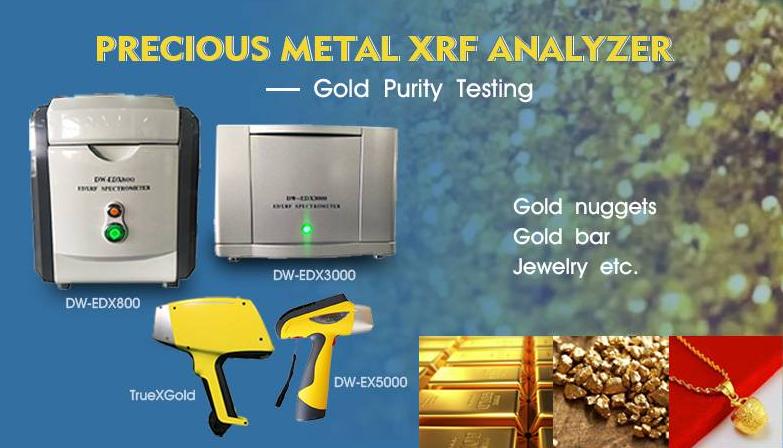
Understanding Handheld XRF and Benchtop XRF
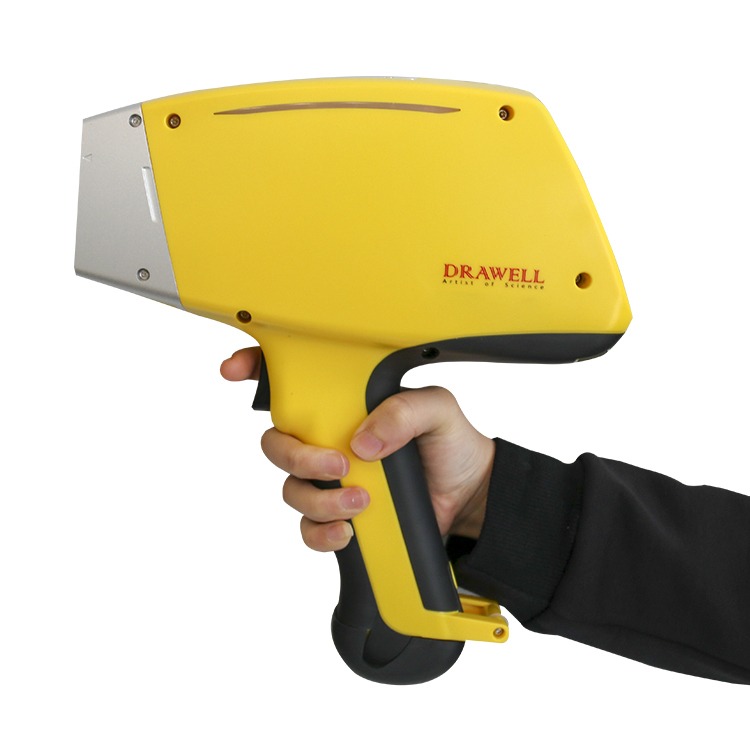
Handheld XRF
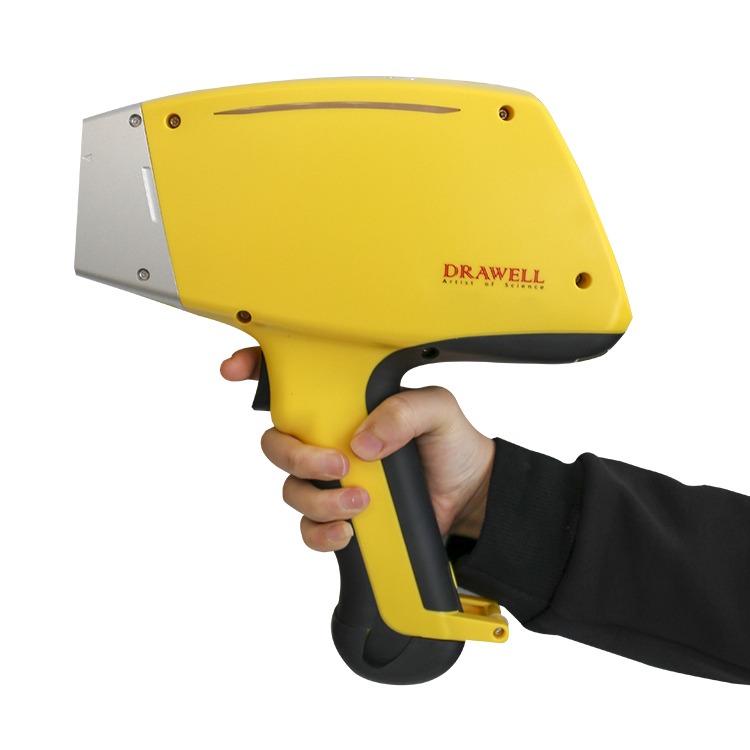
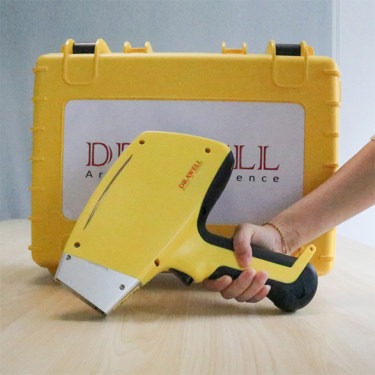
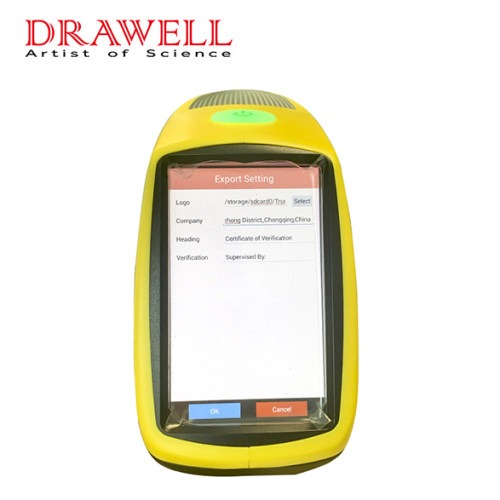
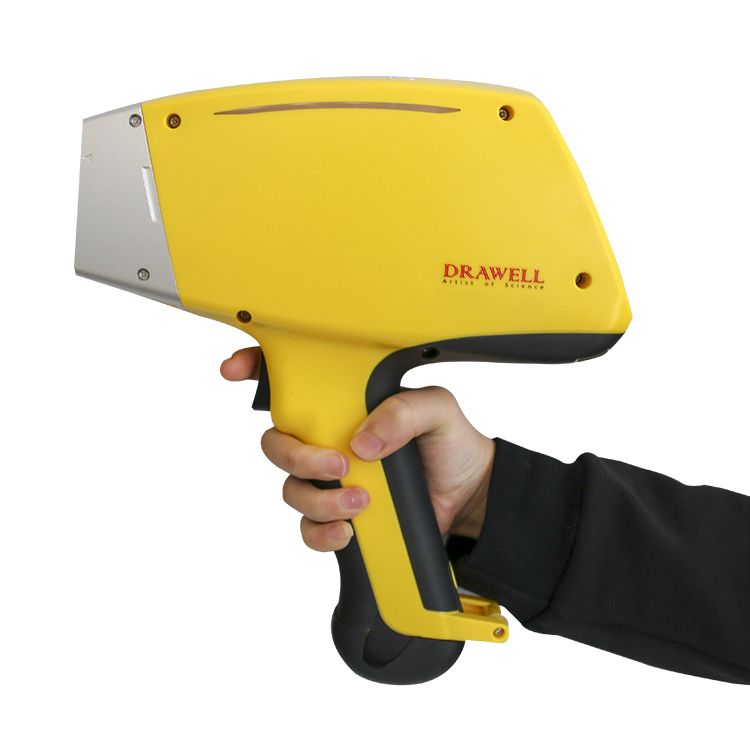
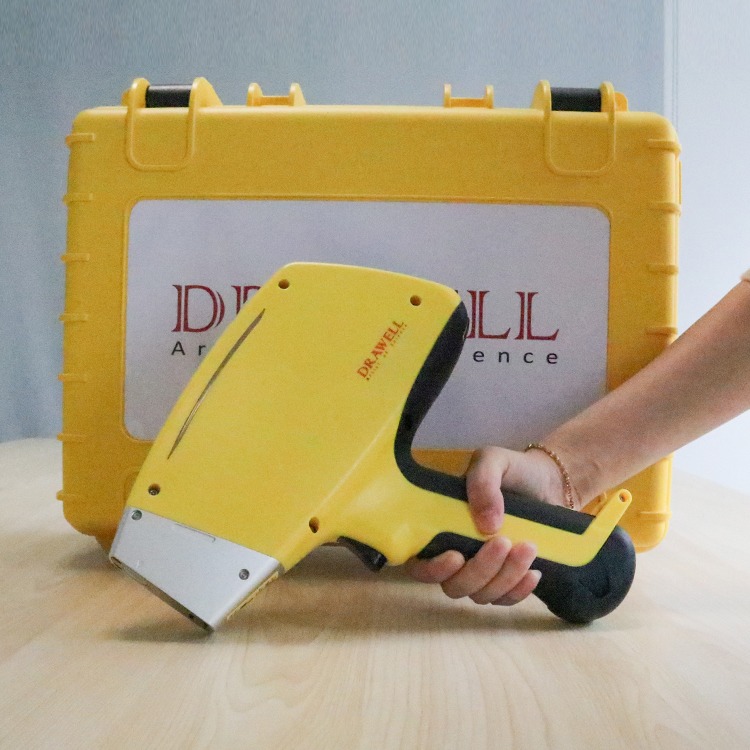
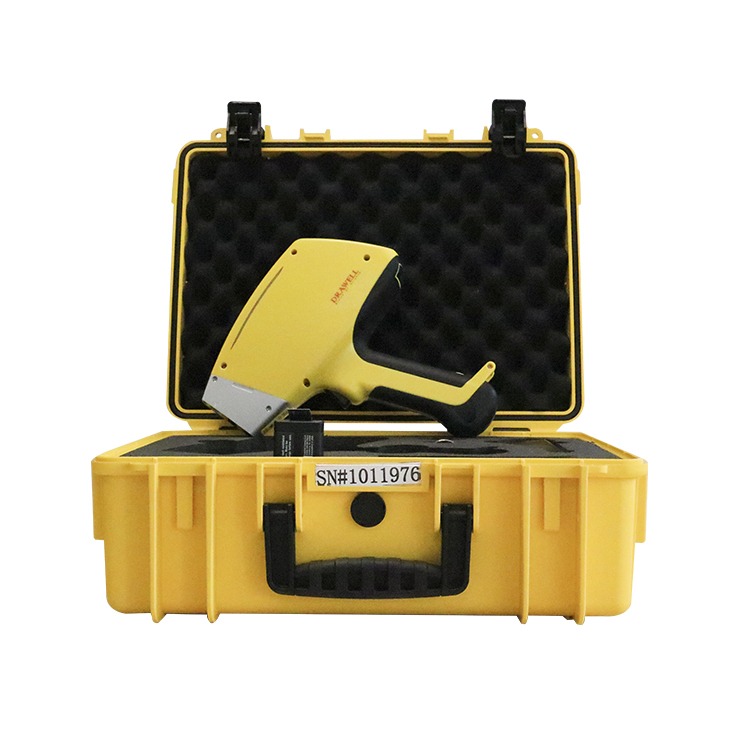
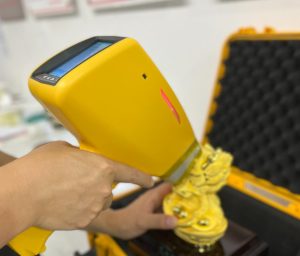
A handheld XRF analyzer is a type of portable equipment which uses X-ray fluorescence to determine elemental composition of materials. When the device is pointed at a given sample, it releases X-Ray which causes interaction with the sample atoms and their secondary emissions of X-rays. The device identifies and quantifies the atoms as it interprets the signals it receives during this process.
Advantages
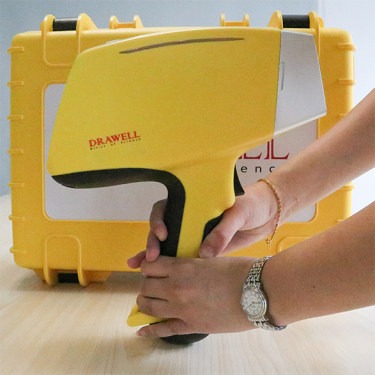
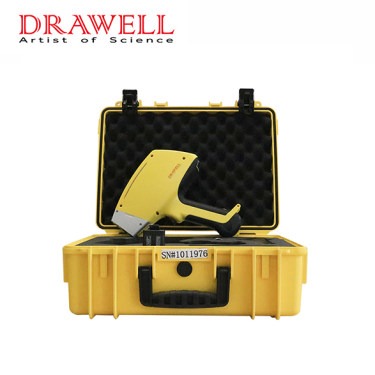
- Portability: Handheld XRF analyzers are light in weight and are powered with batteries making them easier to use in the field or remote locations.
- Rapid Results: Achieves analysis in a matter of seconds. This is especially useful in operations where time is of essence.
- Non-Destructive Testing (NDT): With this method, the analysis does not ruin the sample which is useful for precious and fragile materials.
- Ease of Use: Non-specialists can effectively use the system thanks to its straightforward interface and low training requirements.
- Minimal Sample Preparation: The system can frequently be applied directly onto the material without the need for grinding or other conditioning steps.
- Multi-Element Detection: Depending on the model, a wide variety of elements can be detected, ranging from magnesium (Mg) to uranium (U).
- Cost-Effective Field Analysis: Lessens the need for expensive laboratory analysis, saving both time and money.

Limitations
- Lower Accuracy Than Laboratory Instruments: While accurate enough for screening, handheld XRF typically has lower precision compared to benchtop or lab-based XRF systems.
- Surface-Level Analysis: Without specialized calibration, the device is less effective at analyzing layered materials or coatings, as it only samples the top few microns.
- Matrix Effects: Accuracy is susceptible to complexities in the sample’s physical and chemical structure, especially in multicomponent or inhomogeneous materials.
- Limited Light Element Detection: Depending on the detector and the system’s capability to use vacuum or helium purges, performance can be impacted for lower light elements such as sodium and magnesium.
- Radiation Safety Requirements: Although these systems are relatively safe, operators must follow regional safety guidelines and would require at a minimum, radiation safety training or certification.
Common Applications
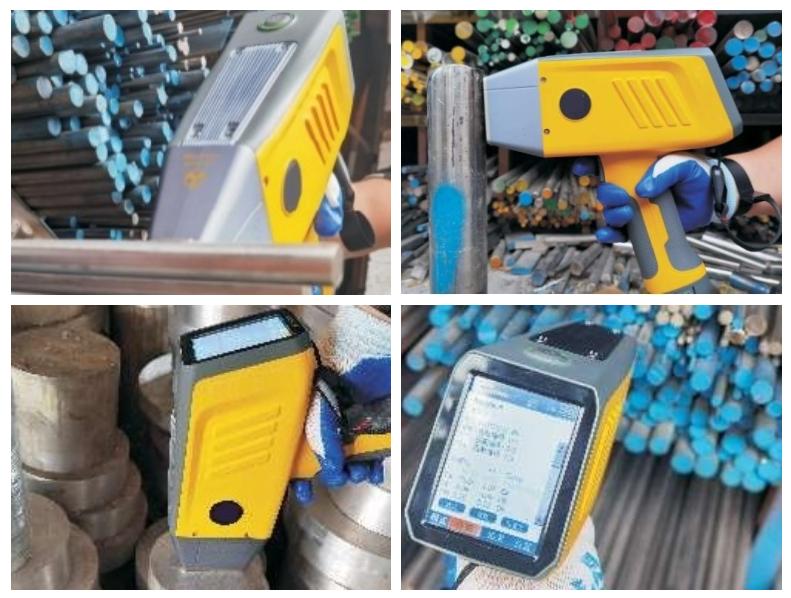
- Metals and Alloys Identification (PMI): Quickly verifies metal grades in manufacturing, construction, and pipeline industries.
- Mining and Exploration: Determines ore composition, guides drilling decisions, and screens for precious metals on-site.
- Scrap Metal Recycling: Rapid sorting of metals and alloys for pricing and recycling operations.
- Environmental Testing: Detects lead in soil, paint, or dust for health and safety compliance.
- RoHS and Regulatory Compliance: Screens for restricted elements like lead, mercury, cadmium, and bromine in electronics and plastics.
- Archaeology and Art Conservation: Non-destructive testing of artifacts, ceramics, and artworks for compositional studies.
- Quality Control in Manufacturing: Verifies material composition at incoming inspection or during production processes.
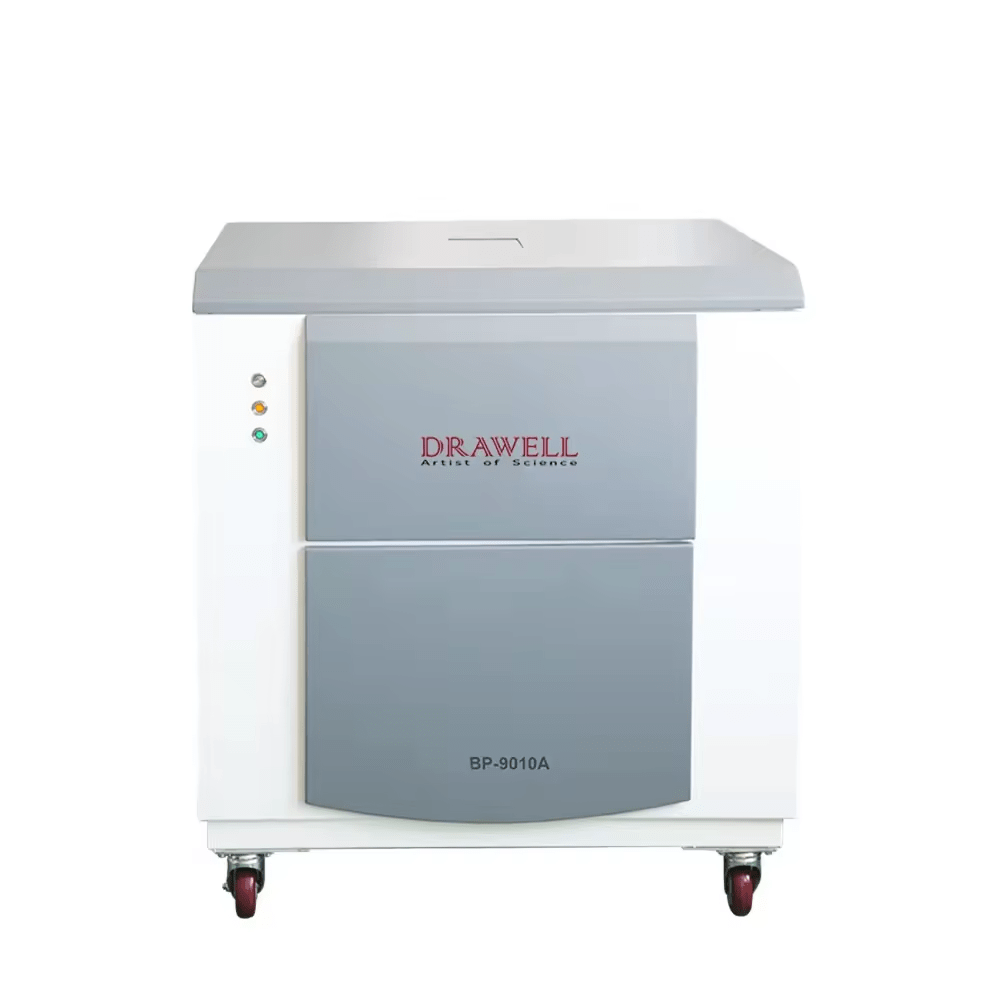
Benchtop XRF
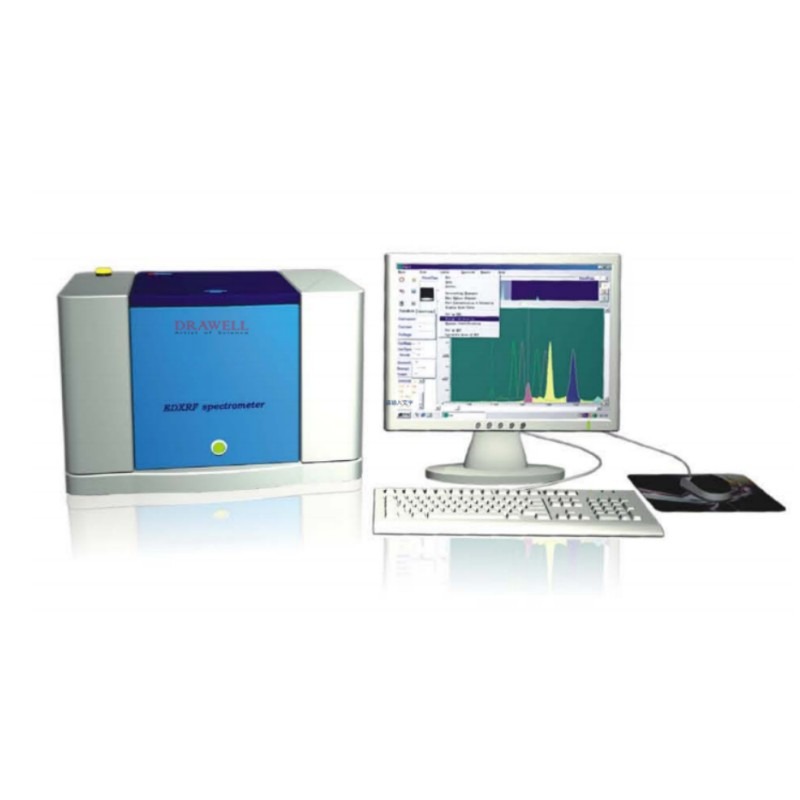
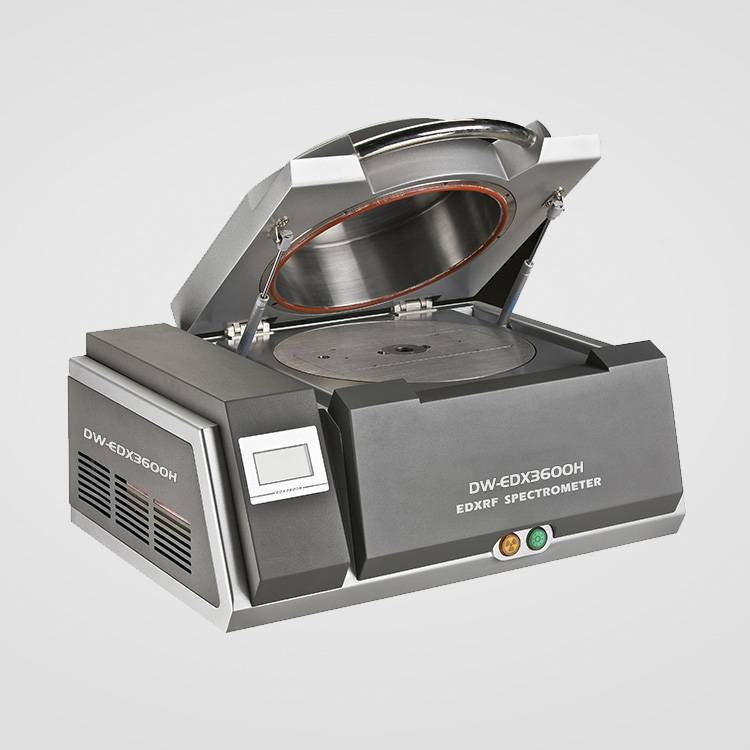
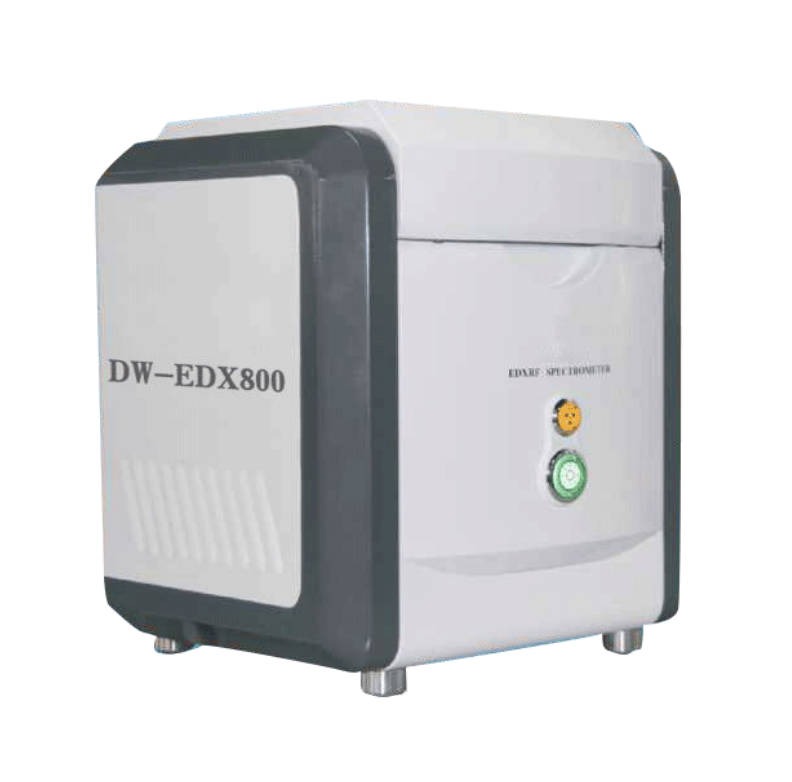
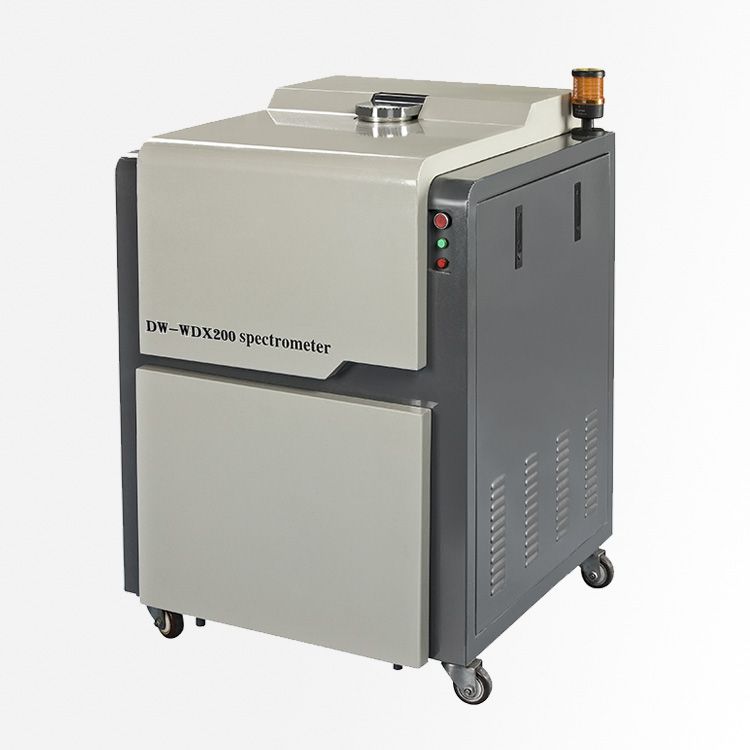
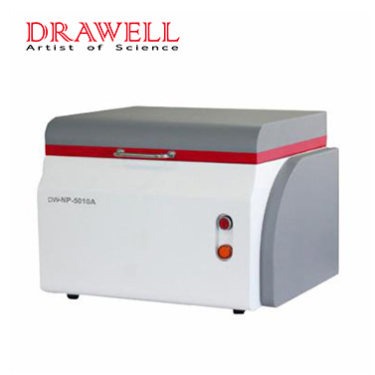
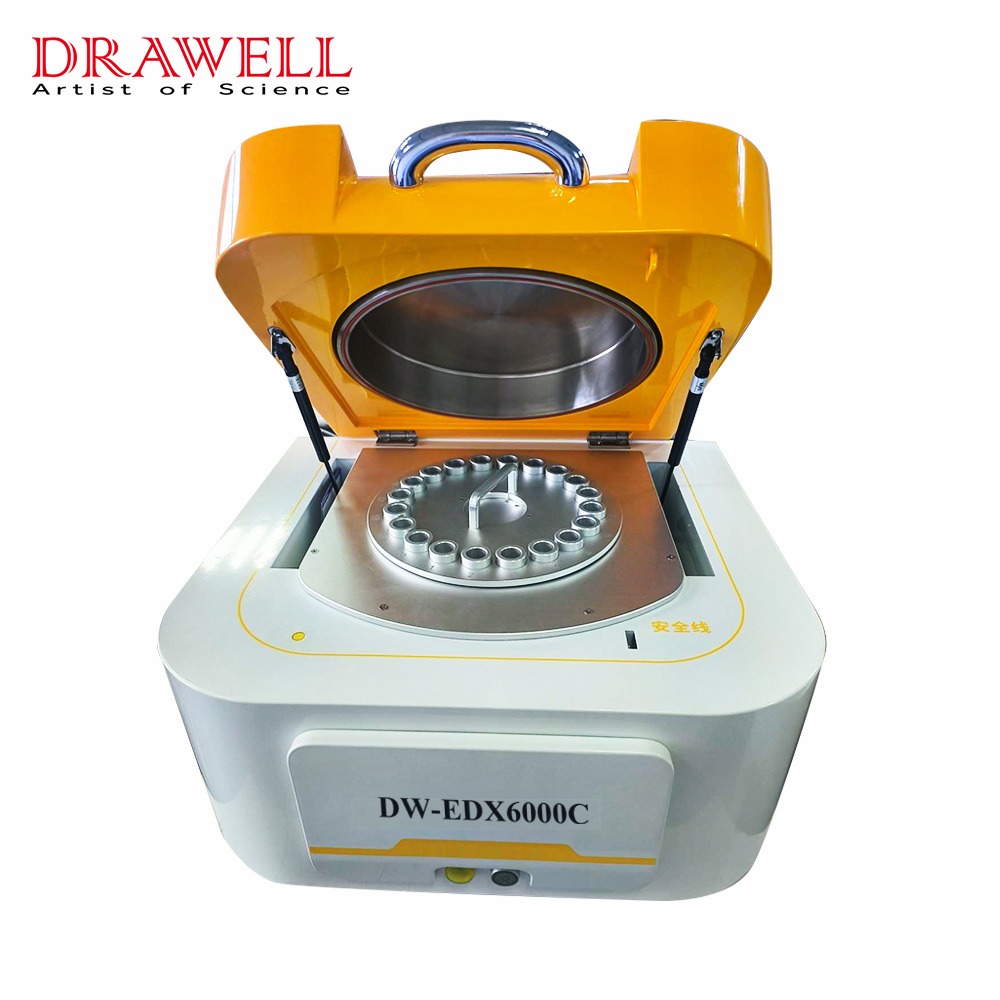
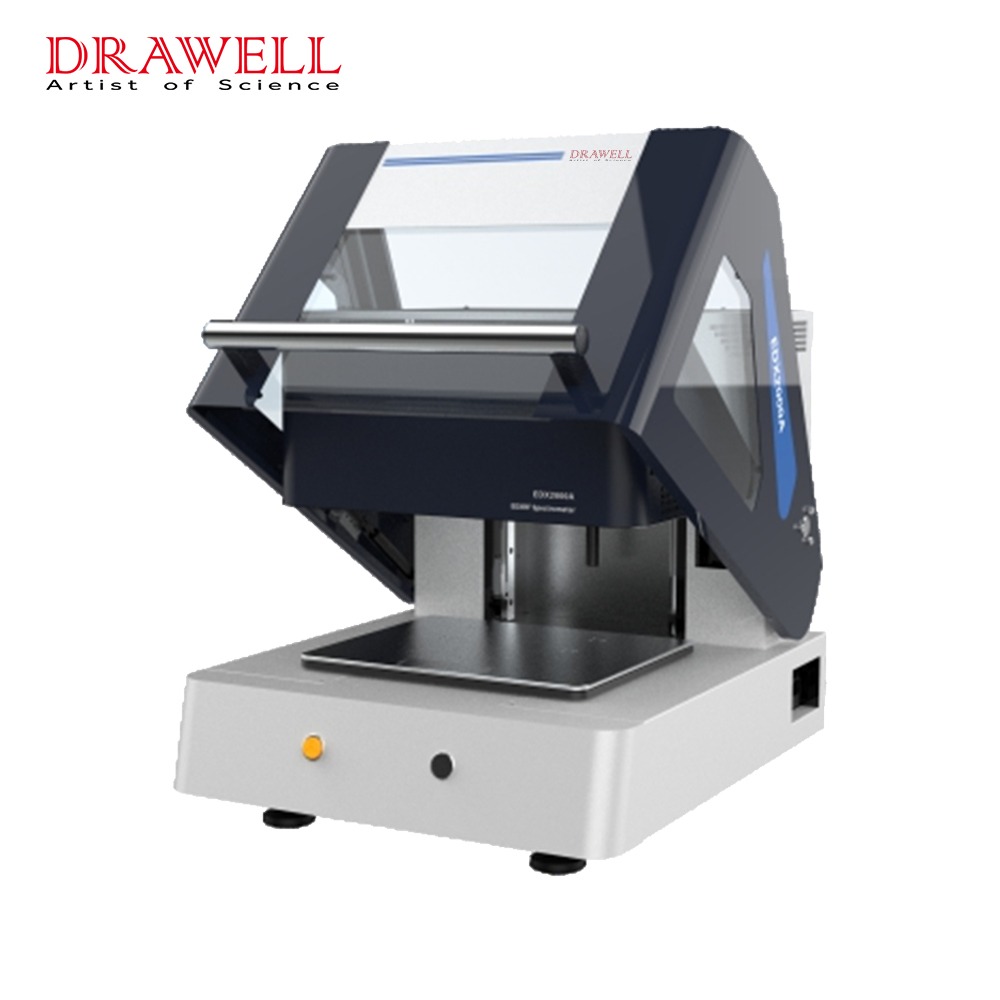
A benchtop XRF analyzer is a stationary instrument that uses X-ray fluorescence technology to measure the elemental makeup of solids, liquids, powders, and thin films. Unlike handheld XRFs, benchtop systems are optimized for high-accuracy, quantitative analysis in controlled environments. Samples are usually placed in a chamber or sample holder, often requiring some form of preparation to ensure consistency and reproducibility.

Advantages
- High Analytical Precision and Sensitivity: Benchtop XRFs are capable of detecting trace elements at parts-per-million (ppm) levels, making them ideal for applications that require exact results.
- Expanded Elemental Range: Vacuum or helium purge functions of these systems are useful for accurately detecting lighter elements such as sodium (Na), magnesium (Mg), and aluminum (Al).
- Superior Repeatability and Reproducibility: As a result of the precise control in the sample positioning and measurement conditions, the results obtained from repeated testing are consistent and reliable.
- Increased Sample Versatility: Ability to analyze numerous forms of materials such as: powders, pressed pellets, solids, films, and liquids.
- Advanced Software and Automation Options: Often includes software for comprehensive data analysis, automatic calibration routines, and even multi-sample changers for high-throughput labs.
- Low Detection Limits: Due to their higher-powered X-ray tubes and optimized optics, benchtop XRFs offer superior performance in trace analysis.
Limitations
- Lack of Portability: These systems require a stable power supply and are sensitive to vibrations, making them unsuitable for field use.
- Sample Preparation Requirements: Homogenizing, grinding, or pressing the sample is often necessary for precise measurements, increasing the time and effort needed for analysis.
- Increased Cost: Compared to handheld units, benchtop models offer a higher total and ongoing maintenance cost.
- Extended Analysis Duration: While still prompt in operation, these models take longer than handheld XRFs, especially at low detection limits or during multi-element scans.
- Operator Training: While the incorporation of convenient software interfaces may ease the workflow of an operator, training lessons may still be necessary for them to perform calibrations, sample preparation, and interpretation of the data.
Common Applications
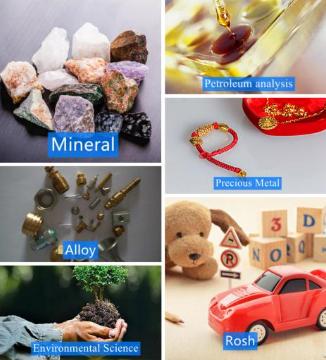
- Cement and Building Materials Analysis: Employ to track the composition of input materials and the final product in order to sustain perpetual quality assurance and compliance with the set industrial and government standards.
- Metals and Alloys Characterization: Delivers extensive evaluation of an alloy’s composition during its production and quality assurance stages.
- Pharmaceuticals and Food Safety: Verifies the integrity of the primary materials and analyzes the product for impurities, including trace amounts of heavy metals.
- Petroleum and Petrochemical Testing: Evaluates the concentration of sulfur and some other parts in oils, fuels, and lubricants as well as other elements in fuels and lubricants.
- Mining and Geological Analysis: Conducts quantitative assessment of mineral samples in the exploration and production stages.
- Polymers and Plastics: Tests for the compliance of products by examining the concentration of additives and fillers added and for RoHS and REACH regulation.
- Coatings and Thin Films: Evaluates the thickness and uniformity of surface coatings or plating materials.
- Academic and Research Institutions: Applied in elemental analysis in many scientific fields for their high precision and multi-elements nature.
Key Differences Between Handheld and Benchtop XRF
| Aspect | Handheld XRF | Benchtop XRF |
| Portability | Highly portable, battery-powered, ideal for field use | Stationary, designed for lab environments |
| Analysis Speed | Very fast (typically seconds) | Fast, but slightly slower due to higher precision |
| Accuracy & Precision | Moderate; suitable for screening and general ID | High; ideal for quantitative and trace-level analysis |
| Sample Preparation | Minimal to none required | Often requires grinding, pressing, or homogenizing |
| Detection Limits | Higher limits (less sensitive to trace elements) | Lower limits; better trace detection capability |
| Elemental Range | Typically Mg to U; limited light element sensitivity | Broader range; better detection of light elements with vacuum or helium options |
| Typical Use Location | Field, warehouse, production floor | Laboratory, controlled environments |
| User Skill Requirement | Easy to use with basic training | May require trained personnel for advanced analysis |
| Cost | Lower initial investment | Higher initial cost, but greater analytical capability |
Key Factors to Consider for Choosing Between Handheld and Benchtop XRF
Choosing between handheld or benchtop XRF analyzers is not a matter of one being better than the other, but rather which tool aligns more closely with your specific operational needs. Understanding key decision-making factors is essential to making the right choice.
1. Application Environment
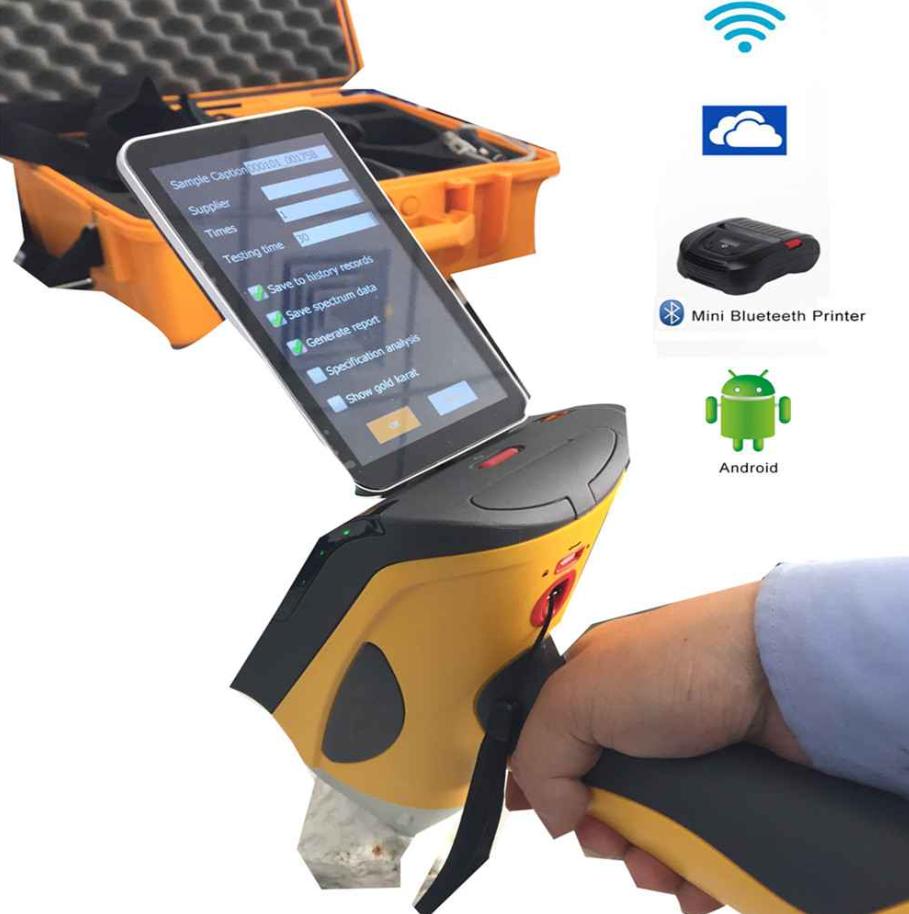
An important factor that needs consideration while choosing between handheld and benchtop XRF devices is where the analysis will take place. A handheld XRF is designed for mobility and is ideal for fieldwork and for onsite x-ray fluorescence examinations. Such devices are useful at mining fields, scrapyards, and construction sites. Benchtop XRF analyzers, on the other hand, are suited for stable laboratory environments and are ideal for high-precision work that requires intensive control.
2. Expected Accuracy and Sensitivity
Compliance, consistent quantification, and detection of trace levels of extremely low concentrations of specific substances are stringent requirements of some industries, including pharmaceuticals, petrochemicals, and cement. In such cases, a more powerful analytical instrument such as a Benchtop XRF is indispensable due to its greater sensitivity and analytical performance. While handheld XRFs are reliable for the identification of general composition of the material, they are best suited for grade verification where high precision is not of critical importance.
3. Sample Type and Condition
The nature of the sample also factors into the analysis. Benchtop XRFs specialize in the analysis of: powders, liquids, thin films, and samples requiring uniformity for their cross-section and surface. These systems have a wide range of sample types and overall better reproducibility. Handheld XRF analyzers are best suited for solid homogenous samples and surface analysis. In the case where the user is working in the field with rough, dirty, dirty or inhomogeneous samples, a handheld unit is often better attuned to the field work even with the lower sensitivity.
4. Speed vs. Depth of Analysis
Handheld XRF is best for rough sorting and high-throughput inspection as it provides results within seconds. This speed is often a necessity in other industries, however, requiring prioritizing speed also comes with trade-offs in depth and accuracy. For other workflows with less stringent time requirements, spending more time in the measurement results in greater detail of the sample composition and lower detection limits, a benchtop system provides the depth needed for the most demanding analytical applications.
5. Budget and Cost of Ownership
The cost scope in analysis spans beyond just the handheld XRF analyzers. Due to the low purchase price and limited infrastructure requirements of handheld XRF analyzers, they prove to be cost-effective for mobile or entry-level testing. While the purchase price of benchtop systems is high, their capabilities and precision multi-element analyses offer high long-term value, especially for laboratories. Moreover, other cost factors, such as maintenance, sample preparation accessories, and software maintenance, also need to be considered.
6. Regulatory and Safety Requirements
Radiation safety compliance may be an influencing factor. While XRF instruments are generally designed safely, handheld units are less enclosed and more portable. Due to their ruggedness, benchtop units which are often housed in more dissected and shielded environments may be advantageous for more regulated laboratories. This may further enforce compliance in more regulated laboratories, easing streamlined workflows.
7. User Expertise and Training
Inventory of technical skills within the team is an important consideration as it may affect your option. Benchtop XRF systems are often software controlled and require extensive knowledge in sample preparation, data analysis and interpretation, as well as proper tuning to operate at high efficiency. In contrast, handheld XRF devices, due to their simplicity and user friendly design, can be operated even with basic training.
Summary
Benchtop and handheld XRF analyzers both offer user different benefits.
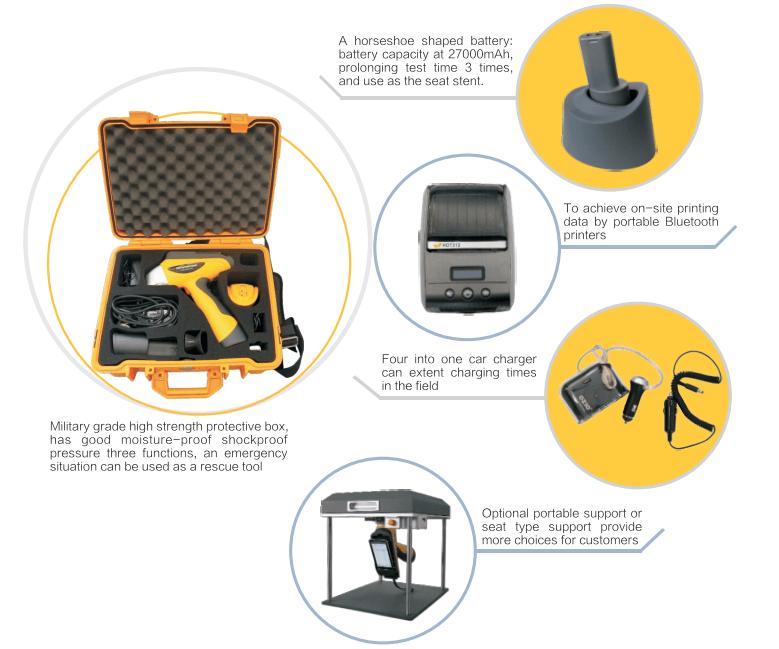
- Handheld XRF offers excellent speed, ease of use, and are highly portable for field applications.
- Benchtop XRF provides higher accuracy, better sensitivity and lab-grade results.
Your selection depends on the needs of the application, budget, and precision required. For quick, on-site testing, handheld devices are ideal. Benchtop models are better for detailed laboratory analysis.
Related Products Recommendation



Get Quote Here!
Latest Posts


What Next?
For more information, or to arrange an equipment demonstration, please visit our dedicated Product Homepage or contact one of our Product Managers.


