


Excitation Principle
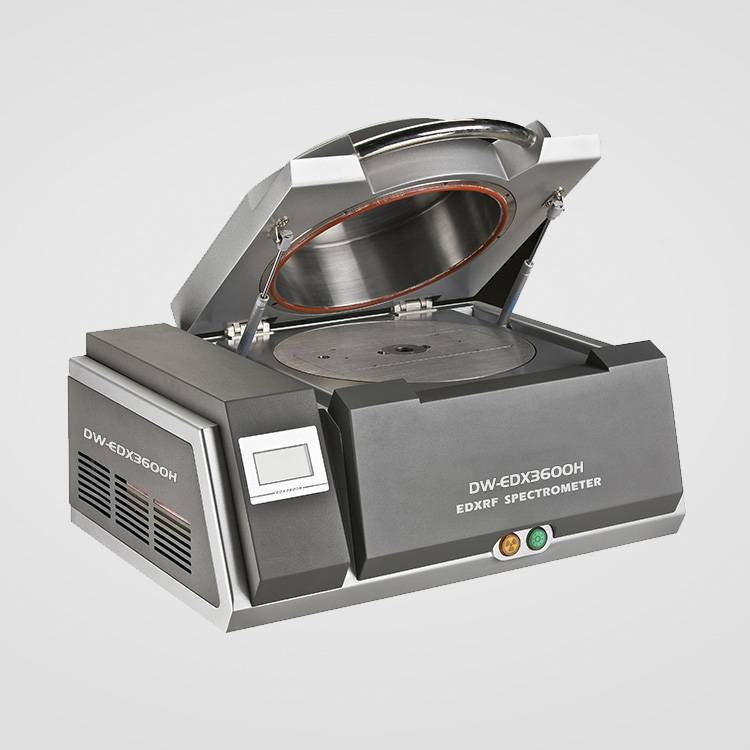
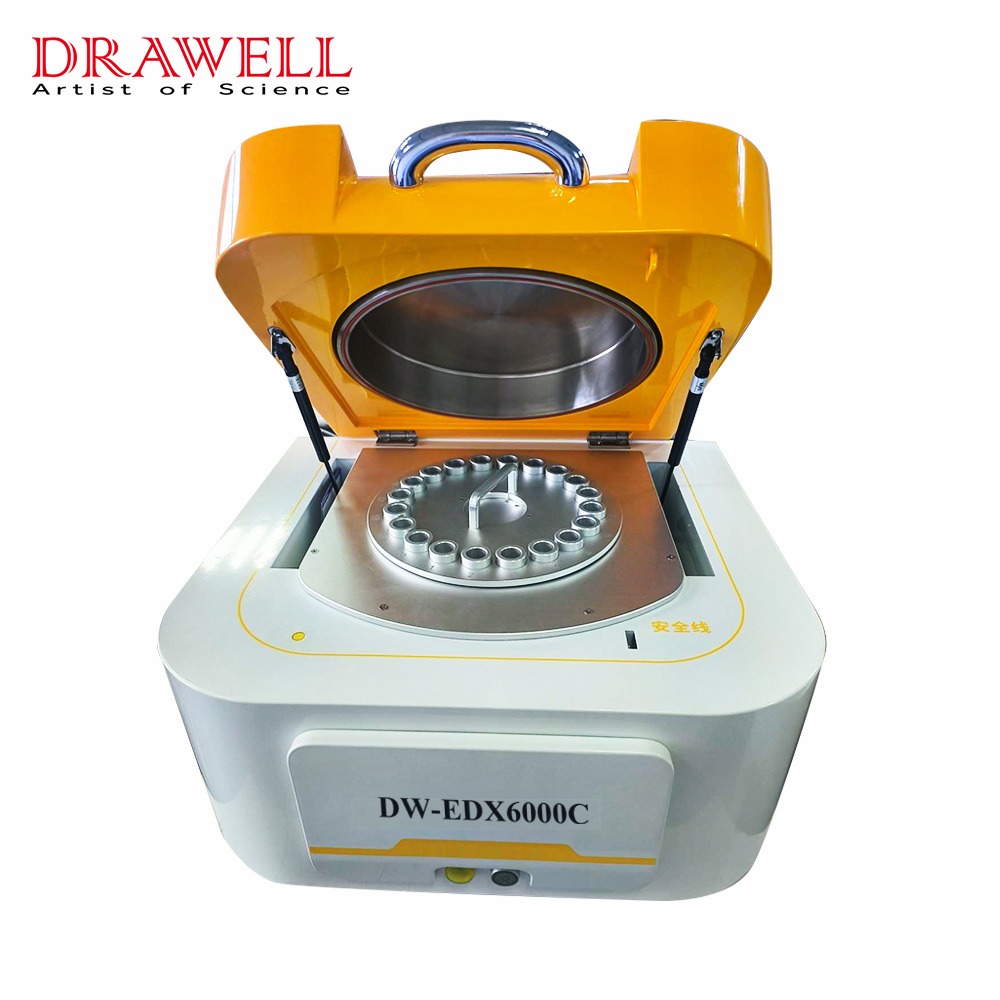
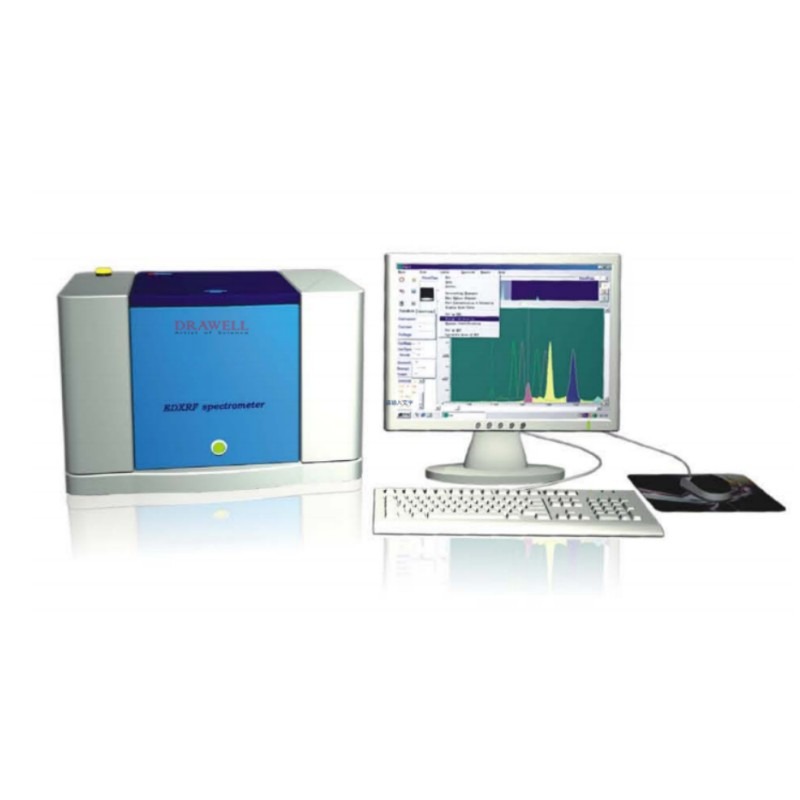
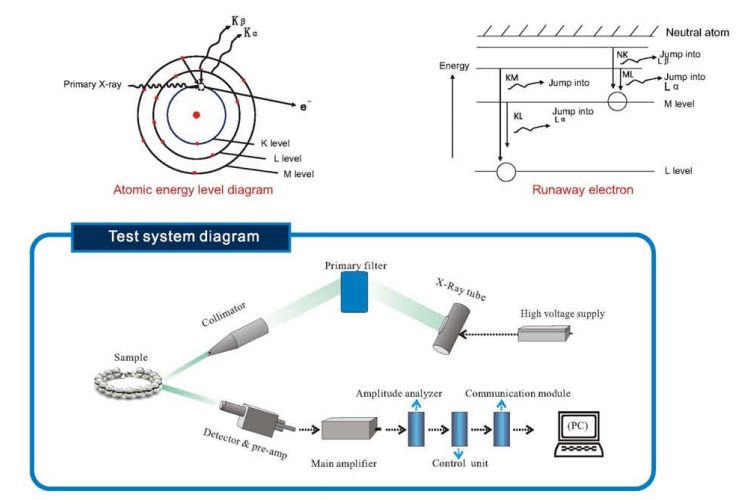
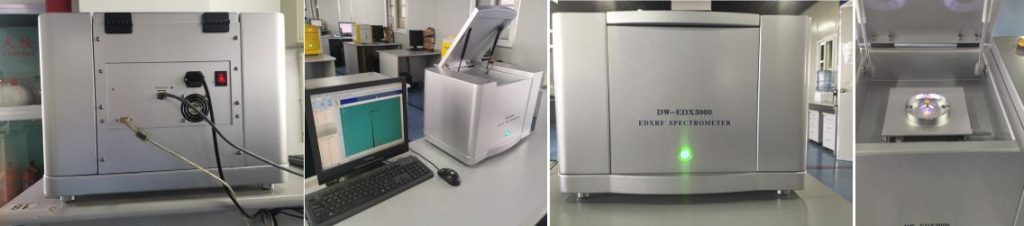
DW-EDX3000 uses X-ray beam from X-ray tube to irradiate the sample, and the element atoms will be excited and emit the secondary X-ray fluorescence characteristic for its own energy. Then these elements get identified and its content measured. The working principle is as follows:
Technical Specifications
| Measurement precision | 0.05%(≥96%) |
| Analysis range | 1ppm-99.99% |
| Analytical range of elements | More than 60 elements from potassium (K) to uranium (U) |
| Measuring object | powder, solid and liquid |
| Measurement time | (60~300)s |
| Ambient temperature range | (15-30)t) |
| Relative humidity | W70% |
| Weight | 30kg |
| Working voltage | AC 110V/220V |
| Configuration | Single sample chamber |
| Si PIN semiconductor detector | |
| Amplifier circuit | |
| High and low voltage power supplies | |
| X-ray tube | |
| Non-vacuum chamber |
Characteristic X-radiation of Element
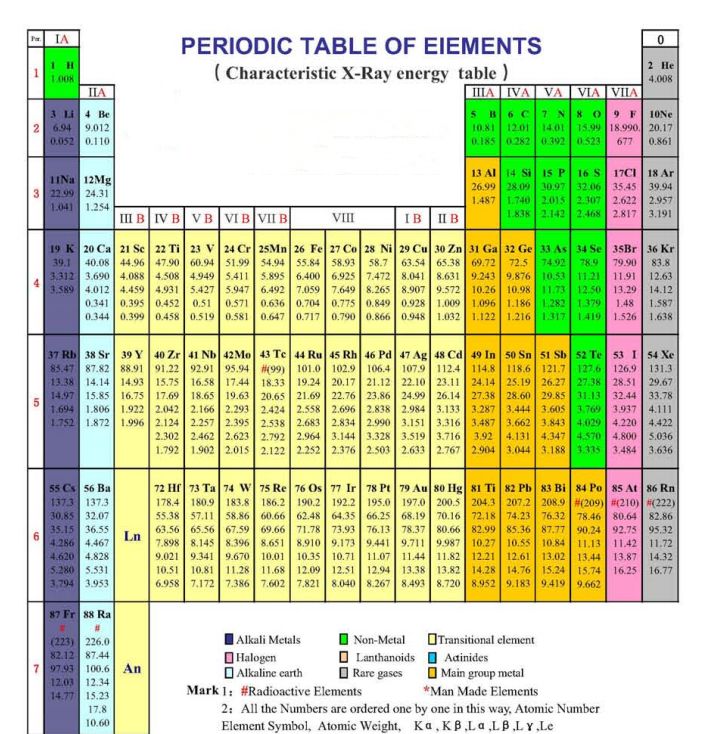
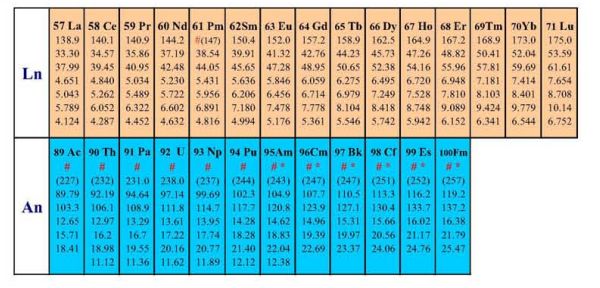
Each element will emit X-ray at its own energy level when excited. This X-ray is characteristic and called X-ray fluorescence. It is the foundation of analysis.
Scattering
It is the background of the spectrum.
Photoelement
The photoelectron is the foundation of the detector. In the sample, the X-ray intensity of every element is expressed as I1,I2,I3,I4,I5……respectively. The clement content C is the function of X-ray fluorescence intensity I, expressed as follows:

This equation is too complicated and can be simplified as:
C=KlI1+KI2+KI3+K4I4+K5I5……
Where
C is the element content in the sample; I1,I2,I3,I4,I5……arc X-ray intensity of element respectively; K1,K2, K3.K4,K5 are coefficients which can be determined by measuring known standard sample to calibrate.
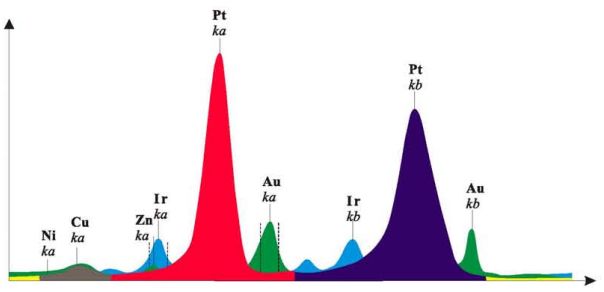
The Spectrum of Recovered Pt
|
Element |
Content(%) |
Element |
Contenl(%) |
|
Cr |
0.001 |
Fe |
0.001 |
|
Ru |
2.011 |
Ni |
0.218 |
|
Rh |
13.25 |
Co |
0.011 |
|
Pd |
10.125 |
Cu |
0.207 |
|
Ag |
0.781 |
Zn |
0.221 |
|
Ir |
3.104 |
Au |
2.302 |
|
Pt |
77.816 |
In |
2.011 |