


In modern analytical laboratories, X-ray diffractometer (XRD) is crucial in identifying and characterizing crystallized materials. As demand for high-throughput analysis grows, manual sample handling can become a bottleneck. This is where automated sample handling in XRD provides a transformative solution, significantly enhancing productivity, data reliability and efficiency in labs.

What is Automated Sample Handling in XRD
Automated sample handling in XRD refers to using robot arms, conveyors, carousels or sample changers to control load, position and unloading of the specimens within the X-ray diffractometer. As opposed to manually-operated sample manipulation, automated systems are designed to operate continuously, allowing several samples to be examined at a time, with minimal supervision.

Why Automated Sample Handling in XRD is Essential
- Enhancing Throughput for High-Volume Analysis
One of the main advantages of implementing the automation process in XRD is the significant increase in the speed of processing samples. Manually loading each sample takes a lot of time and is labor-intensive, especially when you have to deal with dozens or even hundreds of samples. Automated systems simplify the process by waiting and loading samples in a continuous manner throughout the day and night, thereby increasing the efficiency of instruments and allowing the operation of all hours of the day without increasing labor costs.
- Improving Data Reproducibility and Accuracy
Handling manually introduces a lot of variation specifically in how samples are placed and positioned in the diffractometer. Any slight deviation in alignment can cause divergence in Diffraction patterns. Automated systems guarantee consistent, reliable positioning of every sample, which greatly improves the accuracy and reliability of the results. This is crucial for quality control and research in which data accuracy directly affects decisions.
- Reducing Human Error and Operational Risk
The manual process of preparing and loading samples can be prone to human error, such as the wrong labeling and contamination, as well as misalignment or even damage to fragile samples. Automated sample handling systems in XRD eliminate the risk by employing robots with precision, and integrate software control that manage every step. They also have options for traceability, such as the barcode or RFID tracking, which ensures accurate sampling and data connection.
- Supporting Regulatory Compliance and Data Integrity
In industries that are regulated, like pharmaceuticals and food safety, having a solid documentation and traceability is crucial. Automated systems provide integrated data logs, sample tracking and audit trail features that make compliance easier to standards like GMP, ISO 17025, or FDA 21 CFR Part 11. The automated process will ensure consistent and complete data records and reduces the need for manual documentation.
- Enabling Continuous, Unattended Operation
Laboratories seeking to improve efficiency typically face staffing limitations particularly during night and weekends or on holidays. Automated XRD systems are able to run samples in batches without the supervision of an operator, which allows an uninterrupted analysis as well as faster turnaround times. This improves efficiency and speeds up the process of research and development.
- Increasing Laboratory Safety and Ergonomics
The handling of samples, particularly when working with bulky or radioactive materials, may pose safety dangers to personnel working in laboratories. Automation can reduce direct human contact with the samples, making it less risky and increasing safety in the laboratory. Furthermore, it lessens the physical stress on technicians caused by repetitive tasks like lifting, aligning as well as manipulating the samples.
- Future-Proofing the Laboratory
As laboratories move toward modern labs with digital workflows automation is a crucial component of that transformation. Automated sample handling is integrated seamlessly with LIMS, cloud-based platforms and monitoring systems that are real-time which position labs to benefit from future advances in machine learning, artificial intelligence remote diagnostics and other technologies.
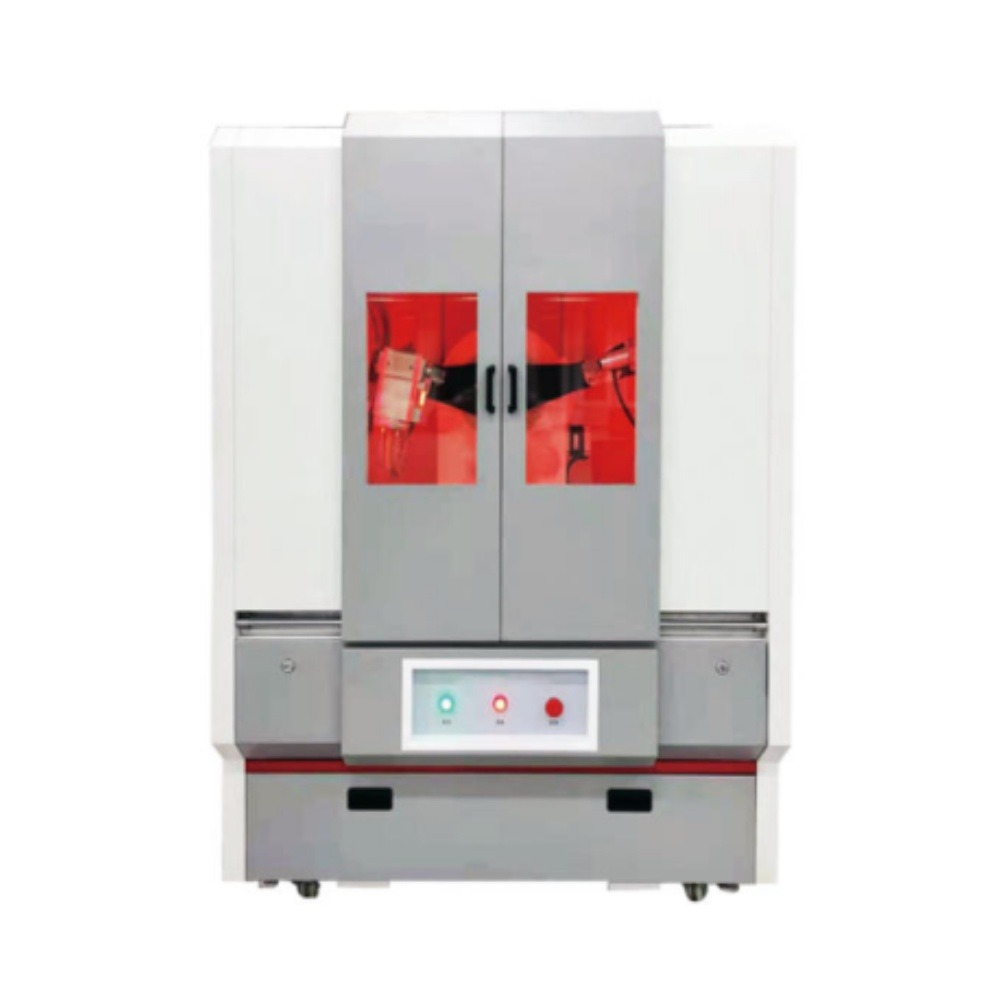
Key Technologies Enabling Automated Sample Handling in XRD
1. Robotic Sample Changers
Robotic sample changers are the core for the automated XRD systems. They are specifically designed for loading and unloading samples on the diffractometer with incredible accuracy. Utilizing programmable motors, grippers, or arms that are vacuum-assisted robotic changers can manage a variety of samples, from the powder holders, to substrates made of thin film as well as wafers.
The accuracy offered by robots that change samples ensures an even sample placement that is crucial to produce reproducible patterns of diffraction. Many systems support high-capacity carousels or magazine trays that can queue dozens or even hundreds of samples, allowing 24/7 unattended operation–especially useful for overnight or weekend analyses.
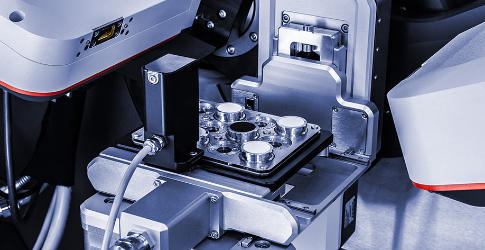
2. Motorized and Auto-Aligning Goniometers
The accuracy of the sample’s positioning is vital for XRD to ensure stable peak detection and uniform pattern generation. Auto-aligning goniometers, motorized goniometers, and automate the adjustment of the sample’s height as well as tilt and center location with sub-millimeter accuracy. These stages are typically coupled using feedback devices, like laser triangulation sensors, or vision systems to identify errors and correct them in real-time.
The result is an exact and repeatable aligning process that eliminates the variation caused through manual adjustment, resulting in more reliable and consistent information on X-Ray diffraction instrument.
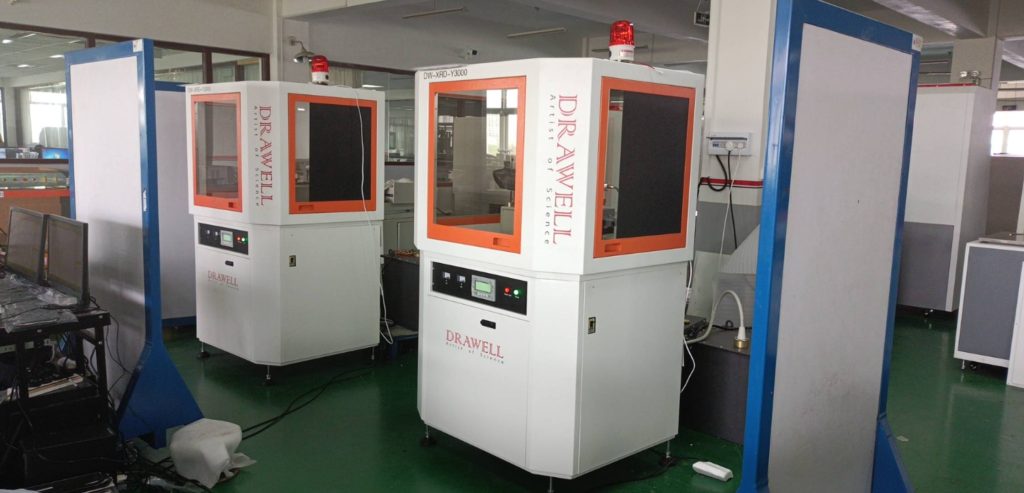
3. Barcode and RFID Sample Tracking
As laboratories process increasing volumes of samples, accurate identification and traceability is essential. Barcodes and RFID (Radio Frequency Identification) technologies allow for accurate, automated tracking of samples. Every sample is given an ID number, that is automatically scanned when it is introduced into the system. The ID identifies the physical sample to the digital profile of its data, which ensures continuous traceability throughout the process.
These tools reduce the chance of mixing-ups between samples, provide monitoring in real-time, and ensure complete compliance with data integrity standards, such as FDA 21 CFR Part 11 and ISO 17025.
4. Intelligent Workflow Software and Scheduling Algorithms
In the background, sophisticated software platforms control the whole process of automation. These software programs manage queues for samples and control robotic movements. They also trigger XRD scans and save data in real-time. Advanced scheduling algorithms allow you to prioritize the most urgent samples, and reprocess failed runs, and enhance workflows according to the type of sample or availability of instruments.
Integrating to Laboratory Information Management Systems (LIMS) guarantees that metadata for samples instruments, parameters for instruments, and results are automatically synchronized. This orchestration driven by software transforms isolated hardware into a sophisticated self-regulating analytical system.
5. Environmental Control Units
Certain substances, such as pharmaceuticals, polymers, or hydroscopic compounds — require specific environmental conditions in order to maintain their integrity for analysis. Automated XRD systems may contain environmental control units that control temperature, humidity and atmospheric composition when the sample is being queued or determined.
In order to protect fragile samples from degradation and changing phase These systems guarantee that the information captured is the actual structure of the substance that is being studied.
6. Vision Systems and Optical Sensors
To increase precision and adaptability, certain automated XRD platforms also incorporate machines vision systems or optical sensors. These systems allow the system to recognize various sample holders, recognize alignment markers, and even determine the presence of defects in samples before the analysis can begin.
Vision-guided automation speeds up setup and increases the system’s capability to manage mixed batches or customized sample formats, making it ideal for research that requires dynamic environments and complex workflows for QA/QC.
7. Safety and Fail-Safe Mechanisms
Automated systems are created to operate in a continuous manner and usually with no direct supervision. To guarantee safety and protection of instruments, XRD automation platforms are equipped with fail-safe systems including emergency stops and collision detection sensors interlock switches, as well as the software that detects errors.
These features can help avoid the damage of equipment, minimize the time between repairs, and ensure operator safety, all while ensuring reliability and continuity of the process of analyzing samples.
8. Remote Monitoring and IoT Connectivity
Modern laboratories are increasingly dependent on remote access to data and real-time visibility of the data. A lot of automated XRD systems are now equipped with IoT connections and cloud-based dashboards that permit users to track the status of their instruments, examine the progress of samples, and even help troubleshoot issues remotely.
This connectivity does not just aid in the efficient management of labs across several locations, but also improves the efficiency of maintenance plans and transparency in operations.
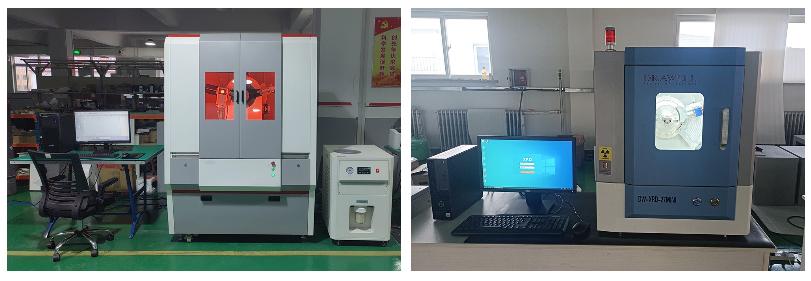
Applications of Automated XRD Sample Handling
| Industry/Application Area | Use Case | Benefits |
| Pharmaceuticals | The screening of polymorphs, batch consistency Drug stability research | Analysis at high-throughput, with less contamination, and regulatory conformity |
| Materials Science | Phase identification of novel compounds Crystallinity evaluation | Reliable, more consistent operation, no supervision to test large numbers of samples |
| Mining and Cement | Real-time mineralogical analysis and process control | Rapid feedback, decreased manual work, and continuous operation |
| Semiconductors and Electronics | Analysis of thin-films, microstructure quality control | High-quality handling, minimum human error High-resolution data |
| Academic and Industrial R&D | Characterization of composites and advanced materials | A more efficient workflow management system, and higher quality of samples for experiments. |
| Nanotechnology | Analyzing nanoscale powders and coatings | Environments controlled, precise alignment of small or delicate samples |
| Polymers and Plastics | Analysis of the structural structure of semi-crystalline polymers | Automated sample tracking, consistent thermal/environmental exposure control |
| Quality Control Labs | Routine phase verification during manufacturing | Standardized procedures, tracable documents, no involvement from the operator |

Future Outlook of Automated Sample Handling in XRD
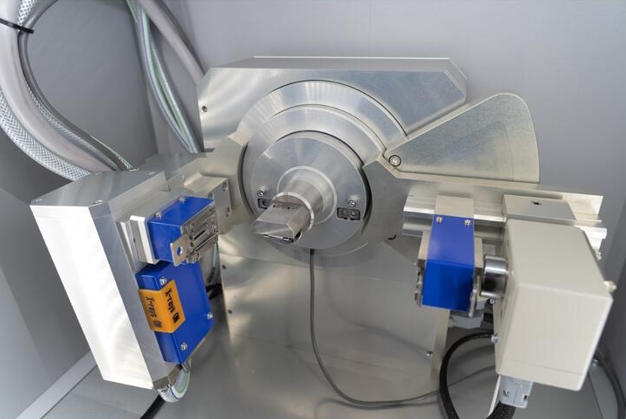
The future of automated XRD workflows lies in the integration of smart technology, modular systems and sustainable innovation.
Integration of Artificial Intelligence and Machine Learning
Artificial Intelligence (AI) and machine-learning (ML) are predicted to revolutionize the way the automated systems for handling samples work. Future platforms will utilize AI-driven algorithms that can dynamically alter scanning parameters in accordance with types of samples, anticipate maintenance requirements and optimize queueing of samples to maximize throughput. This intelligent automation will greatly reduce the burden of operators while enhancing efficiency and data quality.
Modular and Scalable Automation Solutions
Next generation automated XRD platforms will focus on modularity. Instead of large fixed systems, the future models will feature modular automation units that labs are able to expand or contract based upon the demands of workflow. This flexibility will decrease the barriers to entry for smaller laboratories and permit seamless upgrades to accommodate growing businesses.
Enhanced Environmental Control Capabilities
The sensitivity of the environment is becoming more important for XRD applications, specifically in the fields of polymers, pharmaceuticals and nanomaterials. Future automated systems will include advanced environmental control systems that will maintain a specific temperatures, humidity levels or inert conditions throughout storage of samples as well as analysis. This will result in better results for moisture-sensitive or reactive chemicals.
Complete Integration with Digital Lab Ecosystems
Systems to come in the future will be fully compatible seamlessly with Laboratory Information Management Systems (LIMS), Electronic Lab Notebooks (ELNs) and other lab infrastructures that are digital. Data capture automation, traceability of samples and real-time synchronization of metadata will become the foundation that will allow complete workflows, from sample intake to reports.
Built-In Compliance and Cybersecurity Features
As the importance of data integrity and regulatory examinations increase, the in the future, XRD automated systems are built with security and compliance as their primary goals. Features like security-grade user access control and encrypted data transmission and complete audit trails will allow laboratories to comply with the regulations like FDA 21 CFR Part 11 and ISO 17025 with ease.
Sustainability and Energy Efficiency
The environmental sustainability aspect will also influence the future of automation technology. We can expect low-power robotic systems, recycled components as well as smart scheduling algorithms that reduce the use of energy. By optimizing resource usage and efficiency of workflows automatized XRD systems will be in line with the larger green laboratory initiatives.
Final Thoughts
Automated sample handling in XRD is a strategic improvement that enhances the confidence of analytical analysis, improves productivity, increases efficiency and ensures consistent, reliable results. As XRD applications expand, automation will become an integral part of the modern material labs. Implementing automated XRD sample systems not only in line with industry best practices but also helps laboratories respond to the evolving demands with greater speed and precision.
FAQs
Q: Is automated XRD sample handling only available used in high-throughput labs?
A: No. Medium-sized labs can benefit from better efficiency, lower workloads for operators as well as long-term cost savings.
Q: Can automated XRD handle fragile samples?
A: Yes, advanced systems use gentle handling mechanisms for delicate materials.
Q: How does the automation process affect the accuracy of results?
A: It improves the accuracy by standardizing sampling positions and eliminating human error in handling.
Q: Which industries would be most benefited from XRD automation?
A: Material science, Pharmaceuticals mining, and materials science because of the large sample volumes.
Q: Can older XRD systems be upgraded with automation?
A: Many vendors offer modular add-ons compatible with existing XRD platforms. Check with your system manufacturer.
Related Products Recommendation
Get Quote Here!
Latest Posts



What Next?
For more information, or to arrange an equipment demonstration, please visit our dedicated Product Homepage or contact one of our Product Managers.


