


For analytical and material science chemical chemistry, combining multiple complementary techniques has become an effective method to attain an extensive material characterization. A notable synergy is the integration of the X-ray diffractometer (XRD) with Raman spectroscopy and Fourier Transform Infrared (FTIR) spectroscopy. Each method provides unique insights, molecular, structural, and vibrational. When XRD integrated with Raman and FTIR spectroscopy, it will offer a multidimensional understanding of materials, from crystalline structure to molecular identity.
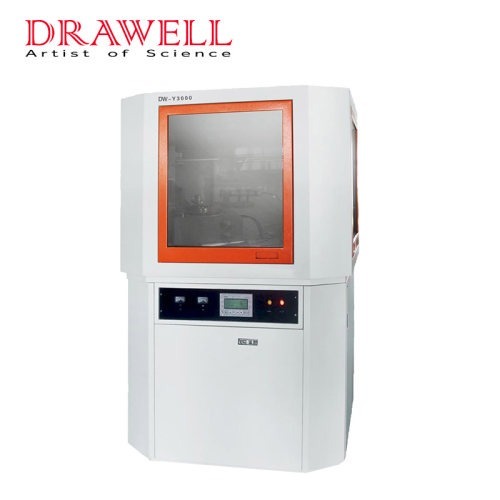
The Role of XRD, Raman Spectroscopy and FTIR Spectroscopy
| Technique | Primary Role | Key Strengths | Typical Applications |
| X-ray Diffractometer (XRD) | XRD determines the crystal form, structure and composition and crystallinity | High-precision in determining crystal phases as well as lattice parameters | Minerals, metallurgy Pharmaceuticals, nanomaterials |
| Raman Spectroscopy | Raman analyzes bonding and molecular vibrations; determines molecular structure | Non-destructive, needs little or prepare samples, and is not sensitive to covalent bonds | Polymers, carbon materials biological samples and forensics |
| FTIR Spectroscopy | FTIR identifies the functional group and bonds using IR absorption spectrums | Sensitivity to organic bonds and polar bonds. compounds | Science of Polymers, Environmental Monitoring food analysis, and forensics |
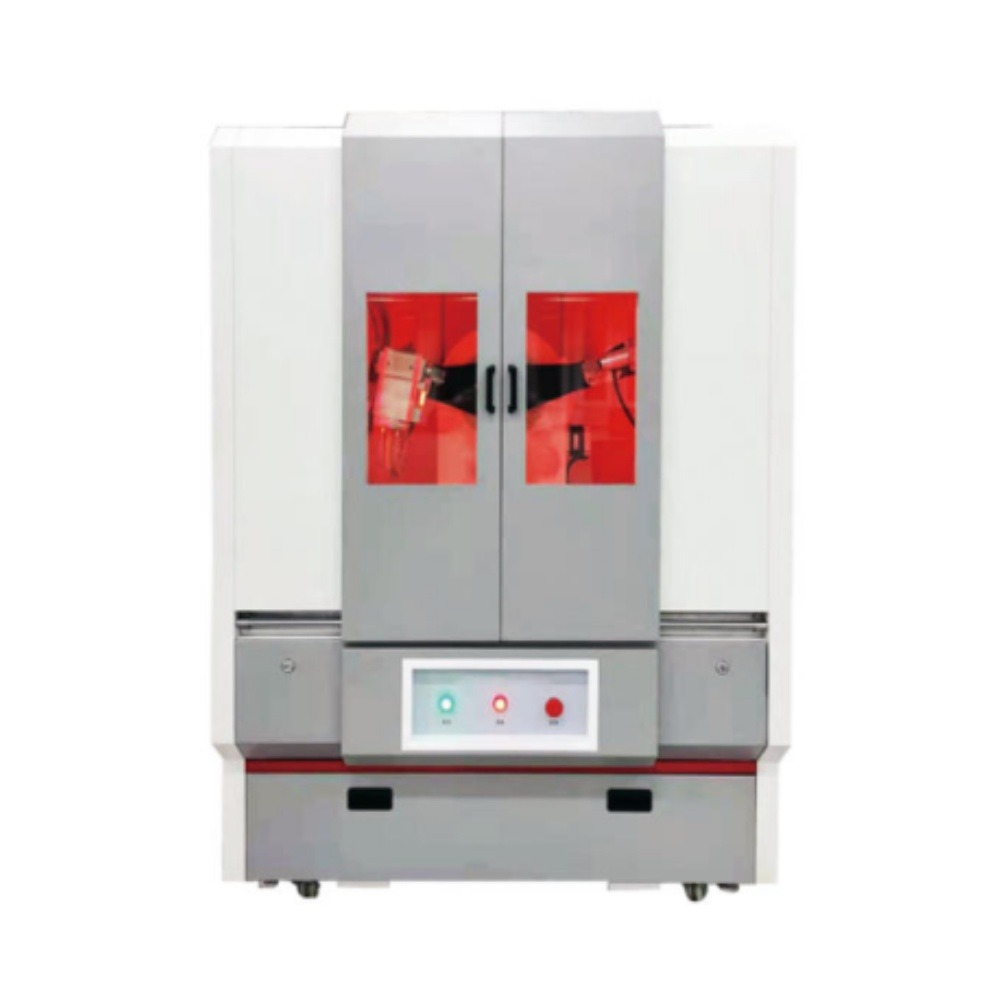
Why Integrating XRD with Raman and FTIR Spectroscopy
A Complete Structural and Molecular Picture
XRD, Raman, and FTIR each test different aspects of a particular material. XRD concentrates on the arrangement of atoms within crystal structures, and identifies the lattice properties, phases, and crystallinity. Raman spectrum provides vibrational data dependent on molecular structures as well as chemical bonds, specifically those that are not polar or symmetric. FTIR is a complement to this, as it detects functional groups that are polar by absorption infrared. When combined they provide an enlarged view of the material, which includes the amorphous and crystallized components molecular structure and bonds.
Enhancing Material Identification Accuracy
In many complex materials there are several phases that can exist in a single instance, namely crystalline and more amorphous. XRD alone can be unable to detect amorphous elements, whereas Raman and FTIR will detect molecular signalling regardless of the crystallinity. Combining these methods scientists can eliminate confusion and get more precise and comprehensive comprehension of diverse samples. This is particularly useful in composites, pharmaceuticals and geological samples in which the interactions between phases play a significant function.
Detecting Subtle Phase Transitions and Chemical Changes
The process of polymorphism, hydration and degradation can trigger subtle chemical or structural modifications that might not be noticed using a single method. For example, Raman and FTIR can detect tiny changes in bond vibrations which signal phase transitions. XRD can detect the changes to crystal structure, or the formation from new phase. This approach is integrated to ensure that the most critical changes are identified quickly and precisely.
Enabling Correlated Spatial and Structural Mapping
Advanced systems that include Raman and FTIR imaging capabilities along with micro-XRD enable spatial mapping that is correlated. Researchers can see how crystallinity and molecular structure, or stress occur in a sample. In fields like batteries, microelectronics or polymer mix, this capability to link spatially-resolved chemical and structural information is extremely valuable.
Supporting Non-Destructive and Versatile Analysis
Raman and FTIR can be considered as non-destructive methods and require only minimal preparation of samples and are therefore ideal to study fragile or irreplaceable samples. When used in conjunction with XRD it gives researchers the opportunity to study samples on-site or under specific conditions like humidity, temperature or pressure, but without compromising their integrity.
Facilitating Data-Rich Decision Making
The combination of these three methods provides researchers with reliable cross-validated and reliable data. This helps reduce uncertainty in the interpretation of data and allows for better decision-making for quality control, research and development of products. When applied to industrial settings, it can lead to faster troubleshooting as well as better understanding of material behavior under actual conditions.
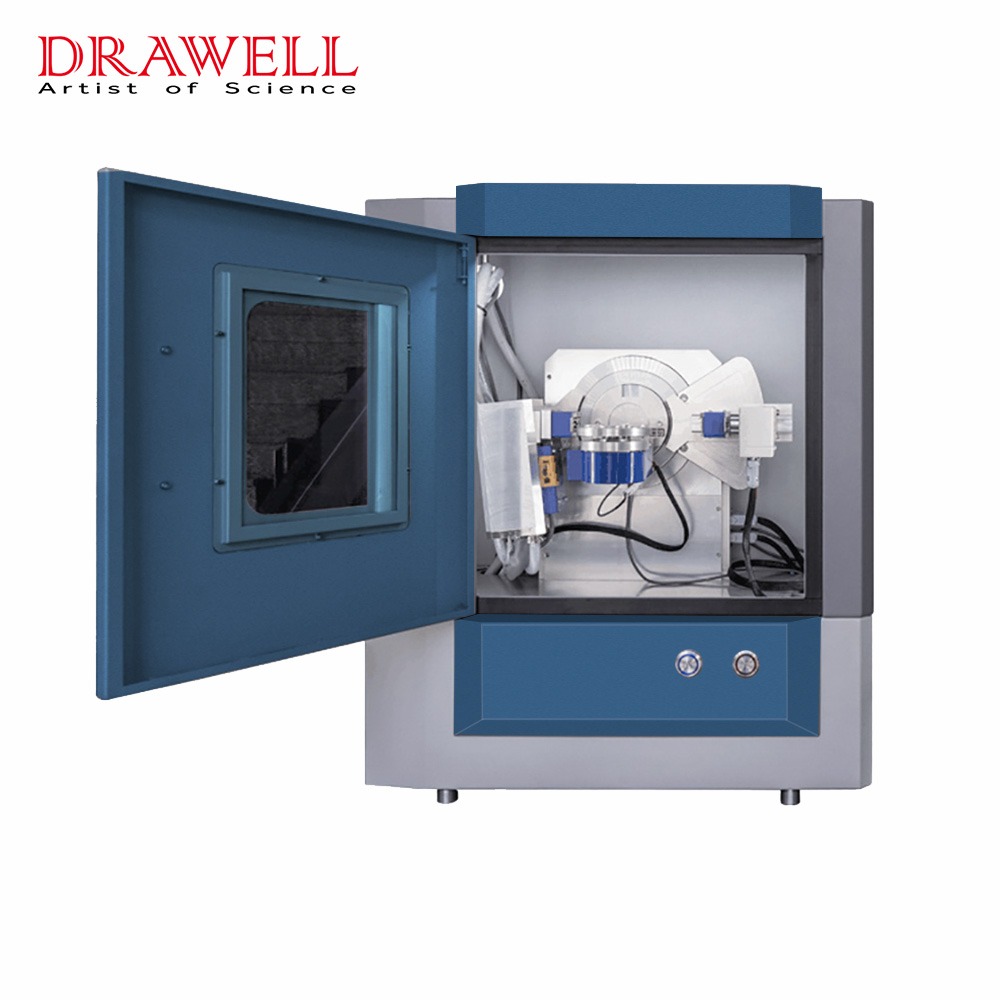
How the Integration of XRD with Raman and FTIR Spectroscopy Works
The integration can be achieved through sequential analysis using separate instruments or through the use of hybrid platforms that blend two or more techniques.
1. Coordinated Sample Analysis Across Instruments
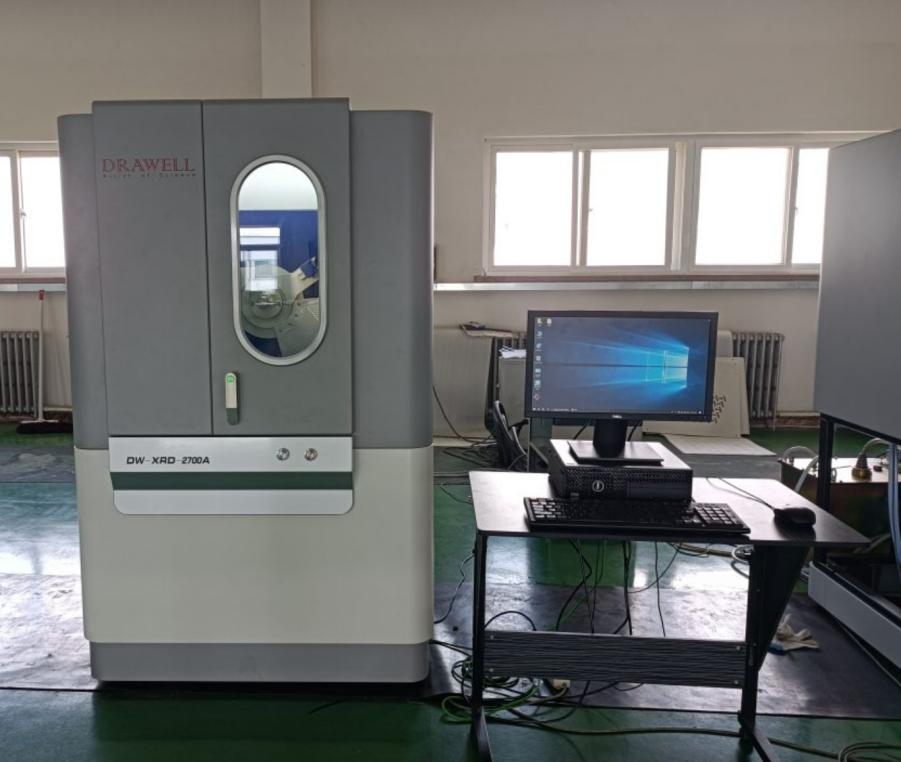
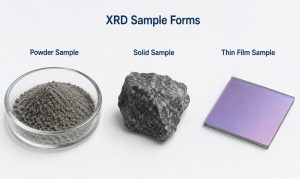
In a typical workflow, a single sample is examined in a separate manner by using XRD, Raman, and FTIR instruments. This procedure involves meticulously prepared samples, often in powdered, thin film, or pellet forms that can be utilized with the three methods. Researchers begin with XRD to identify the structure of crystals Then they use Raman or FTIR to investigate functional groups and molecular vibrations. These results can be processed manually or by software to arrive at an overall conclusion. Although this method doesn’t require any special equipment, it relies on exact spatial alignment and uniform samples and conditions.
2. Hybrid Systems and Instrument Integration
Advanced integration is the process of the integration of Raman and FTIR techniques in a direct manner in an XRD system and the reverse. Certain hybrid platforms that are commercially available allow measurements in-situ which means that a sample can be examined at the same time or in succession using XRD or Raman and FTIR without having to move. These systems utilize an integrated sample stage with sophisticated optics that allow you to allow for switching between different measurements or to collect the data simultaneously.
For example, Raman spectroscopy can be integrated into an XRD chamber by using the fiber-optic probe or objective that is placed above the sample. FTIR especially in its reflectance modes, can be set to operate within the same chamber. These integrated settings minimize the time needed for analysis, guarantee the consistency of the data and limit errors in handling.
3. Data Correlation and Software Integration
The efficiency of this integration relies heavily on sophisticated data processing software. The programs let researchers overlay the results of XRD, Raman, and FTIR across the same timeline or spatial map. Software tools employ chemometrics multivariate analysis, as well as methods of image registration to match the patterns of diffraction with the vibrational spectra. They help uncover complicated phases molecular orientations, as well as changes in the material’s composition.
Certain systems go further and offer automated data fusion. In this case, algorithms identify the correlated elements across different datasets and present them as complete phases or maps. This is especially useful when analysing composite materials, or samples with crystals and amorphous regions.
4. In Situ and Environmental Chamber Compatibility
Integration can be particularly powerful when it is combined with in-situ environments. The heating stage, the pressure cell or humidity chambers are able to be integrated into the platform to ensure that all three methods can be used to analyze the same sample under different conditions. When conducting a thermal decomposition test for instance, XRD could detect phase changes, Raman could observe bond breakage as well as FTIR can detect the evolution of gas or functional group transformations in real-time.
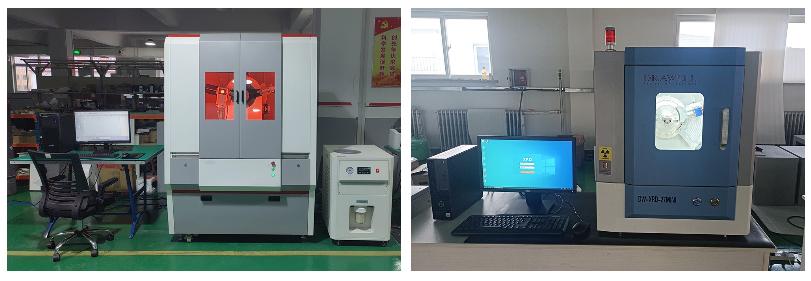
Key Applications of the Integration of XRD with Raman and FTIR Spectroscopy
| Application Area | Role of Integration | Benefits |
| Pharmaceuticals | Finding polymorphs, detecting drug excipient interactions, and analyzing crystallinity | It ensures the stability of drugs, their efficacy and compliance with regulatory requirements. |
| Battery and Energy Materials | Monitoring phase transitions, detecting electrode degradation, mapping chemical bonding changes | Enhances analysis of performance and lifecycle forecast |
| Polymers and Composites | Analyzing the crystallinity of polymer crystals, identifying additives and fillers, checking for degradation or aging | Allows for the precise control of mechanical and thermal properties |
| Semiconductors and Thin Films | Studying bonding, stress/strain as well as crystal position in the microelectronic layer | Improves quality control and performance of devices |
| Mineralogy and Geology | Mineral phases are distinguished by their mineral composition, which allows for the identification of structural water groups or groups of hydroxyls | Enhances the interpretation of geological data and evaluation of resource estimation |
| Cultural Heritage & Forensics | Non-destructive examination of pigments, binding agents and degradation products found in artifacts and forensic samples | Maintains the integrity of the sample while increasing the depth of analysis |
| Nanomaterials | The relationship between crystallinity and the chemistry of the surface, monitoring size and phase-dependent properties | Material design that is advanced and evaluation of functional performance |
Challenges and Future Directions in Integrating XRD with Raman and FTIR Spectroscopy
| Challenges | Description | Future Directions |
| Instrumental Compatibility | There are differences in the geometry, optics and sample requirements between methods | Design of modular or unison hybrid platforms that share optics and stages |
| Sample Preparation Complexity | ensuring that identical samples are appropriate to be used for XRD, Raman, and FTIR without altering its characteristics | Universal sample holders and adaptive protocols for preparation |
| Data Correlation and Integration | It is difficult to align spatial, structural, and spectral information from three methods | Advanced data fusion software that incorporates AI and machine-learning to aid in cross-modal analysis |
| Cost and Accessibility | The high cost of investment and the operational expenses of multiple or integrated systems | Smaller, more affordable systems that have user interfaces that are simple to facilitate wider acceptance |
| Interference and Artifacts | Problems like fluorescence Raman and low IR signals in certain materials | Utilization of alternative sources of excitation (e.g., NIR lasers) as well as enhanced methods for processing signals |
| In-situ and Environmental Control Limitations | Problems with applying all methods in dynamic environments (e.g. temperature and pressure) | The development of sturdy in-situ chambers that can be used with the three methods |
| User Expertise Requirement | The need for specialist knowledge is to use and interpret the results of all three instruments | Integration of innovative software, real-time interpreter tools and automated workflows |
Final Thoughts
The integration of XRD with Raman and FTIR spectroscopy is a paradigm shift in materials analysis, shifting from isolated measurements to a more integrated, multidimensional characterization approach. Through harnessing the strengths of each technique, scientists will gain a more comprehensive and deeper understanding of complex materials which can lead to breakthroughs in quality control, research and innovation across a variety of industries.
Related Products Recommendation
Get Quote Here!
Latest Posts



What Next?
For more information, or to arrange an equipment demonstration, please visit our dedicated Product Homepage or contact one of our Product Managers.


