


You start the vacuum, the flask is spinning, all appears okay. Then the liquid surges up the neck and splashes into the vapour path. Anyone who has done a few evaporations has seen this at least one time.
Bumping rotary evaporator can cost you sample and contaminate the condenser, leaving you washing glassware instead of finishing your work. The good news is that most cases are really only a few operating behaviors. In this guide we examine the causes of bumping, how to minimize the danger and what to do if it happens.
What Causes Bumping During Rotary Evaporation
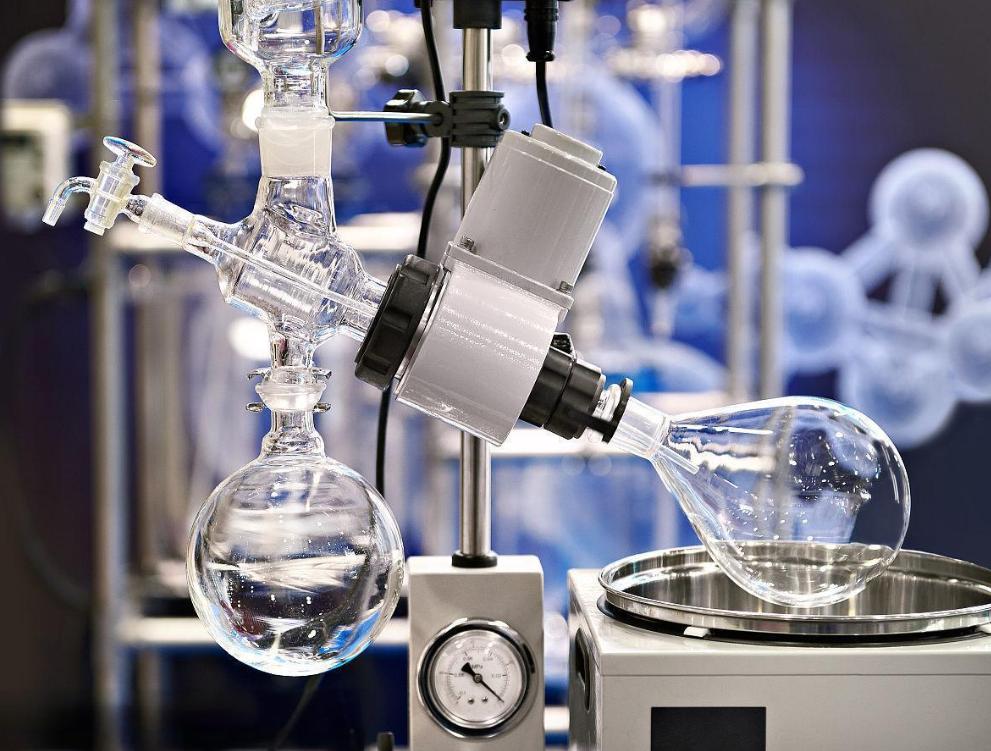
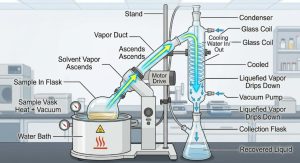
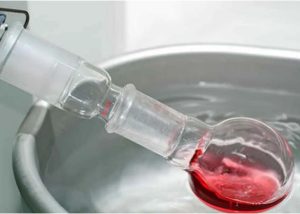
Bumping is a fast, violent boiling of a liquid that causes the liquid to splash out of the flask. This can occur when a liquid is superheated prior to the formation of bubbles and subsequently boils violently. A rapid pressure decrease during rotational evaporation might increase the danger of bumping, especially when the liquid does not boil smoothly.
Rotation helps a lot. It spreads the liquid into a thin coating, and retains it in suspension which lessens localized warming. Some sample kinds can still bump though. Rotation reduces but does not eliminate the risk therefore your settings still count.
4 Common Reasons a Rotary Evaporator Bumps
Most rotary evaporator bumping causes fall into four groups:
1. Vacuum applied too quickly
The pressure drops suddenly so the solvent is forced below its boiling point all at once and boils furiously.
2. Water bath too hot
A high bath temperature may accelerate the rate of evaporation but too much heat may cause a more intense boiling and increased danger of bumping. Higher temperature may not always result in a better or smoother evaporation process.
3. Flask too full or rotating poorly
A crowded flask gives the liquid little room to spread. The University of York’s guide to rotary evaporators points out that a flask more than half full makes bumping more likely.
4. Foaming or unpredictable samples
However, even with great care, foaming or surging can occur with extracts, surfactant-containing mixes and samples with dissolved gas.
The following table relates the symptoms to the likely reason. This is useful when you are trouble shooting a rotary evaporator .
| What You Observe | Possible Cause | First Thing to Check |
| Sudden boiling after vacuum starts | Pressure reduced too quickly | Apply vacuum gradually |
| Vigorous boiling in a hot bath | Excessive heating | Review bath temperature |
| Liquid splashes into the vapor path | Flask overfilled or poor rotation | Reduce fill volume and adjust rotation |
| Persistent foam or sudden surges | Sample composition or foaming tendency | Review sample properties and reduce evaporation intensity |
How to Reduce the Risk of Bumping
If you want to learn how to avoid bumping in a rotary evaporator, the following procedures will address most circumstances.
- Start with a suitable fill volume: A flask that is less than half full provides room for the liquid to move and for any surge to dissipate.
- Apply vacuum gradually: Drop pressure in small steps, monitor liquid response and proceed.
- Use moderate, steady rotation: Too slow provides a thick, uneven coating. Too rapidly can splash liquid about. Try for a very even, smooth film.
- Set the bath temperature carefully: Start at a lower temperature than you anticipate, and increase it only if evaporation is too slow.
- Watch the sample: Keep close, especially in the opening few minutes when much bouncing is happening.
Sample is important too. A solvent you have used many times is reliable; a new extract may be unpredictable. Be especially patient with samples with which you are not familiar, until you see how they react.
What to Do If Bumping Occurs
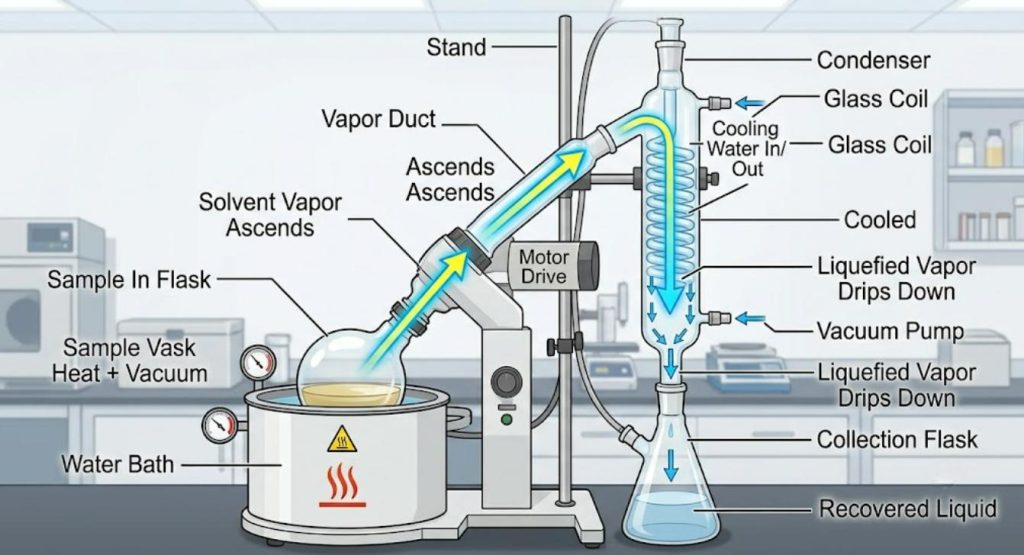
In the case of bumping, reduce the temperature or turn it off and adjust the hoover according to the equipment manufacturer’s instructions. Do not rapidly vent the system or make sudden pressure adjustments, since this may create more splashing. Let the boiling subside, and see that no sample has entered the vapour stream or condenser.
Then look for any liquid splattered into the vapour route or condensing system. If it has, be sure to clean those areas according to the operating method for your equipment so that residue does not contaminate your next run.
Before restarting check the amount of sample lost and the configuration. Check the vacuum level, bath temperature and fill volume again and alter at least one. Same settings will generally yield the same outcome.
Exact steps will rely on your equipment handbook and your experimental system. Real risks are changes in pressure and solvent volatility. Follow your lab’s safety guidelines and the manufacturer’s recommendations.
Conclusion
Bumping is usually produced by a sudden drop in pressure, a bath that is too hot, a flask that is too full or a sample that is liable to bubble up. Most of it is done by small tweaks and careful attention.
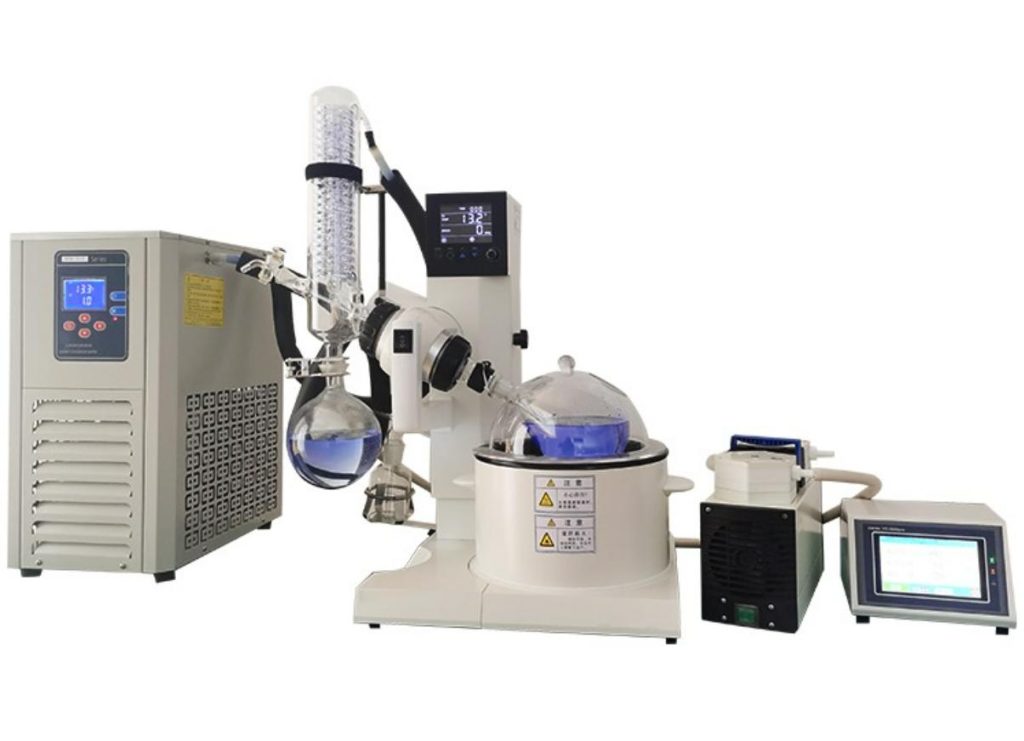
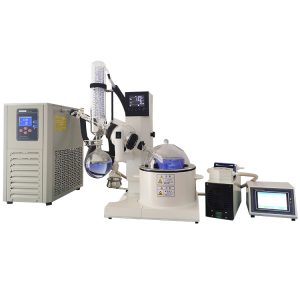
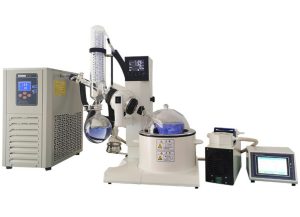
If you are looking for a rotary evaporator or related lab equipment, Drawell offers a range of options for different lab needs. Feel free to browse our rotary evaporator range or contact our team to find the right setup for your work.
Get Quote Here!
Latest Posts

What Next?
For more information, or to arrange an equipment demonstration, please visit our dedicated Product Homepage or contact one of our Product Managers.


