


When running a rotary evaporator most people focus on the flask, the bath temperature and the condenser. But that is the least talked about. Usually, the pump is the one that keeps the whole system under reduced pressure.
The catch is that a diaphragm vacuum pump doesn’t only move air. If some solvent vapor passes through the condenser, it eventually enters the pump and can compromise the pump’s performance and life over time.
In this guide we will look at where the solvent vapors go, how they influence the pump, what makes the situation worse and what you can do to protect your setup.
Where Solvent Vapors Go During Rotary Evaporation
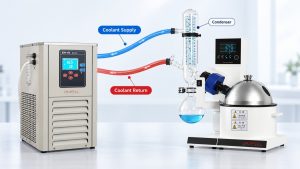
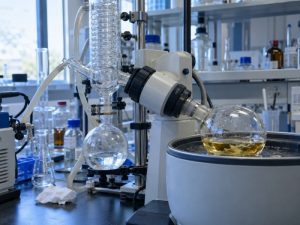
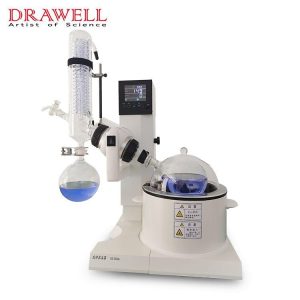
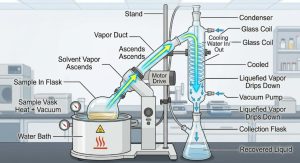
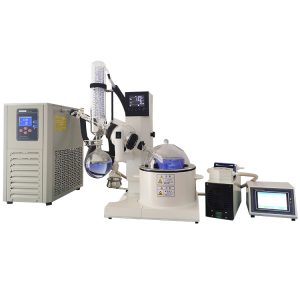
The sample was evaporated in a spinning flask at decreasing pressure in a rotary evaporator. The solvent evaporates. The solvent goes through the condenser and is anticipated to be converted into liquid there. In a rotary evaporator, the usual configuration includes a vacuum system, heated bath and condenser such that the pump sits at the very end of the vapor stream.
In a perfect run nearly all the vapor will have condensed long before it gets that far. In practice, some vapor may still pass through the condenser, especially if low-boiling solvents are used.
If the evaporation rate is increased (for example by utilizing a warmer heating bath or lower operating pressure) the vapor load on the pump may be increased. Too much hot coolant or not enough flow can also impact the efficiency of the condenser. If vapor does not condense it can leak through the vacuum line into the pump head.
How Solvent Vapors Affect the Pump
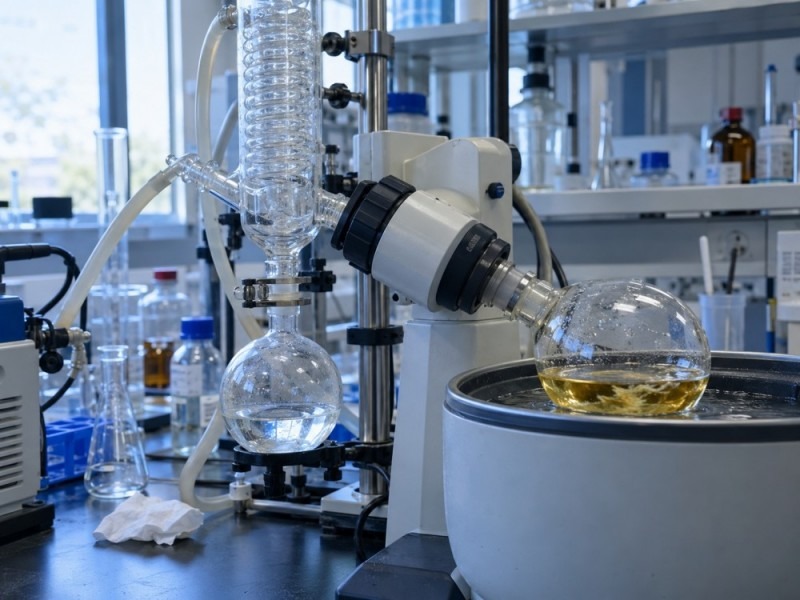
Solvent Compatibility and the Pump’s Internal Parts
A diaphragm pump is a pump that uses a flexible diaphragm and valves on either side to transfer gas. Depending on the design of the pump the diaphragm might be made of PTFE-faced composites, elastomers or PTFE. Not all materials will combine with all solvents. The parts most likely to display the first signs of exposure to solvent vapor are:
- Diaphragm: May enlarge, stiffen or crack with time due to incompatible vapors.
- Valves: Worn or mushy valves might leak, making it harder for the pump to maintain the appropriate suction.
- Pump head and seals: These can be worn down and the seal can be damaged by constant exposure.
Condensation Can Cause Problems Inside the Pump
If some of the vapor reaching the pump head is at or below its dew point then liquid will condensate there. Depending on the solvent, concentration, pressure and temperature, the liquid may develop in the pump or in the vacuum tube. Prolonged contact between solvent and internal pump components can occur if liquid develops and persists in the pump.
Excessive Vapor Loads Can Affect Vacuum Performance
This diaphragm pump is made for pumping gas. If there is too much vapor the pump may not be able to maintain the needed vacuum. You may see the vacuum level drift or it may take longer for the system to come to your set pressure.
Here is a quick summary of what to look for:
| Potential Effect | What Users May Notice | What to Check |
| Material deterioration | Reduced sealing performance | Diaphragm and valve condition |
| Vapor condensation | Liquid in the pump head or lines | Condenser and cold trap |
| Excessive vapor load | Unstable vacuum or slower pumping | Vapor flow and pump capacity |
What Makes Solvent Vapor More of a Problem
Some conditions make the load on the pump heavier. These are the ones we see most often:
- Solvent Type: Highly volatile solvents evaporate quickly and are hard to condense. Aggressive solvents add stress to the pump materials.
- Vapor Concentration: The rapid evaporation rate sends more vapor to the pump in a short time.
- Operating Temperature: The higher the temperature of the bath, the more vapor is generated. The warmer the pump head is, the harder it is to make the vapor condense where you want it to condense.
- Running Time: Multiple uses might hasten the degradation of the materials, especially if the solvent is not compatible with the materials that the pump is made from.
- Condenser Efficiency: If the coolant is not cold enough, or running weakly, more vapor is lost to the pump.
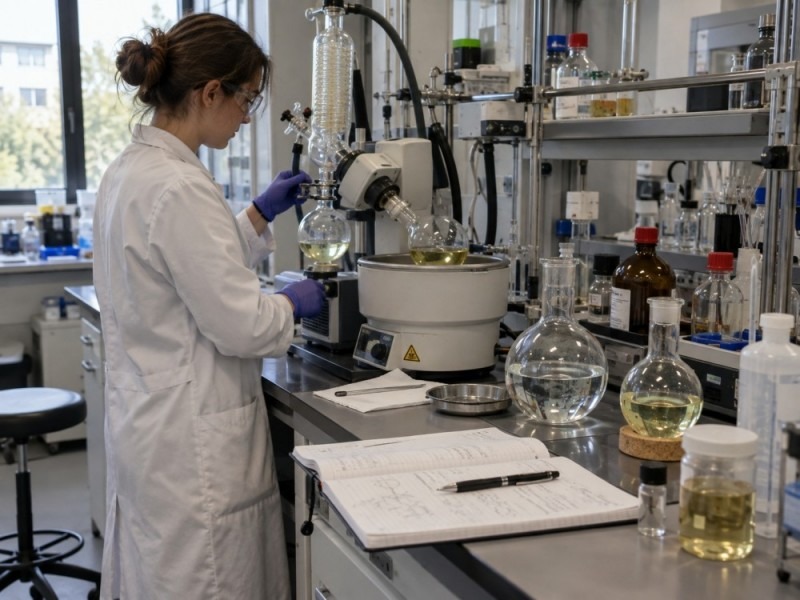
Ways to Reduce Solvent Vapor Reaching the Pump
- Check condenser performance. Ensure that the coolant flow and temperature are appropriate for the solvent that you are using. The most common cause of vapor getting through to the pump is a poor condenser.
- Use a suitable cold trap. A cold trap placed between the evaporator and the pump can trap the solvent vapor that remains after passing through the main condenser. Regularly check and empty the trap as per the manufacturer’s instructions.
- Inspect the vacuum line and pump. Check for liquid in the tubing, damaged connections or a change in vacuum stability. It’s a lot cheaper to catch them early than to replace parts later on.
- Confirm chemical compatibility. Make sure the materials in contact with the vapor will withstand a new solvent before you run it.
Good operating habits assist, too. Increase vacuum level gradually to avoid a bath too hot to reduce vapor surge. For dangerous solvent vapors, ensure that the pump exhaust is vented to a suitable laboratory exhaust system. For more history on standard procedure, the University of York’s guide to rotary evaporators is a helpful reference.
Choosing a Diaphragm Pump for Solvent Work
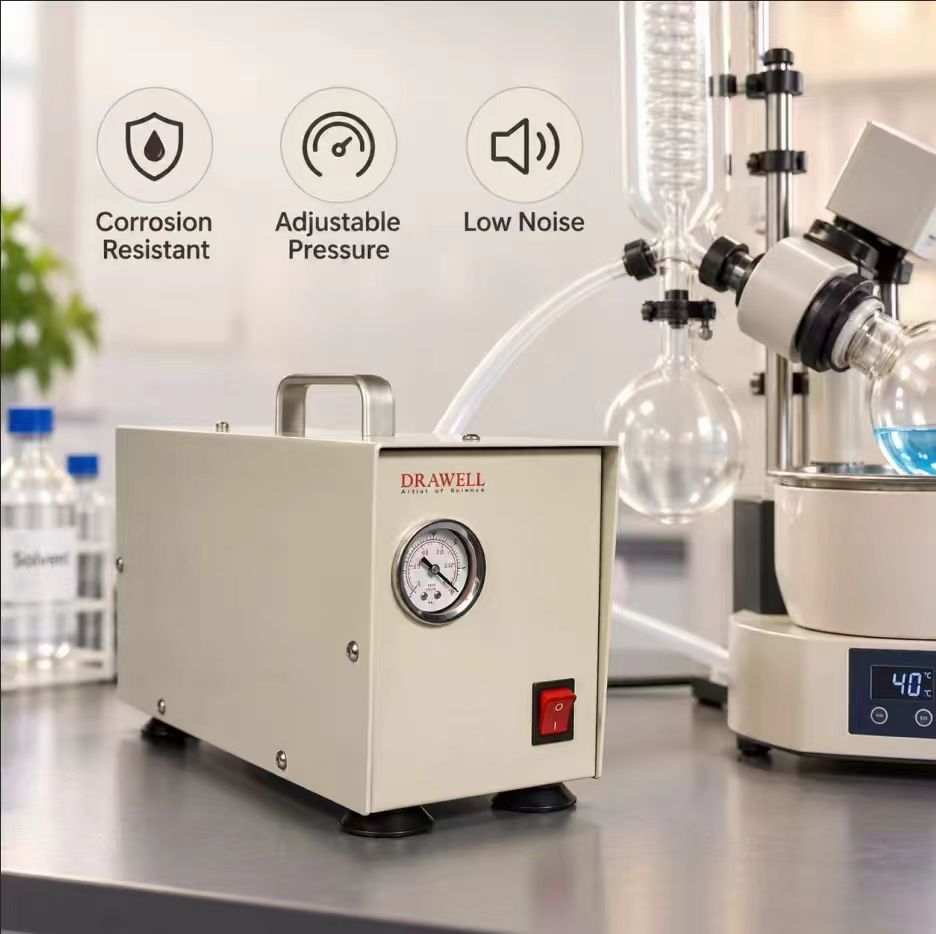
Check the Materials in Contact with Solvent Vapors
If you are constantly handling solvents a chemical resistant vacuum pump is something to consider. See the diaphragm, valves and pump head, and enquire what they are made of. PTFE (a fluoropolymer) components are often used in this application as they can resist a wide range of solvents. However, all wetted parts should be verified for compatibility, as other components such as valves and seals can be composed of various materials.
Match Pumping Speed and Vacuum Level to Your Working Conditions
A decent vacuum pump for a rotary evaporator should be able to pull down to the vacuum level your method requires and be able to hold that vacuum level. If the pump is too small it may not be able to sustain the required vacuum with a high vapor load. The pump capacity should be appropriate to the evaporator size, solvent type and expected evaporation rate. Consider your usual solvents, flask size and run time while selecting.
Rotary evaporation is a common process which produces solvent vapors but you can manage the amount which enters your pump. A good condenser, cold trap and pump with appropriate materials will do a lot to keep your vacuum stable and your pump running longer.
At Drawell, we offer corrosion resistant diaphragm vacuum pumps designed for solvent work. If you are not sure which model suits your application, contact our team and we will help you narrow it down.
Get Quote Here!
Latest Posts
What Next?
For more information, or to arrange an equipment demonstration, please visit our dedicated Product Homepage or contact one of our Product Managers.


