


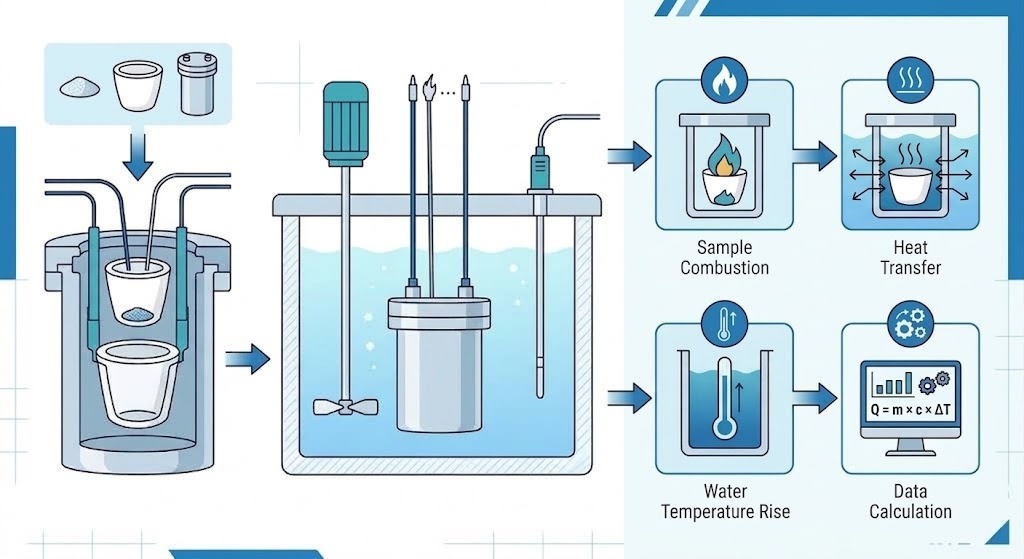
How does a bomb calorimeter work? A bomb calorimeter determines the heat of combustion and calorific value of a sample by burning a weighed sample in excess oxygen inside a sealed oxygen bomb and measuring the temperature rise of the surrounding water caused by the heat released during combustion. The entire measurement process can be simply understood as: sample combustion →→ heat release →→ heat transfer to water →→ temperature rise measurement →→ calculate the heat value based on the heat capacity of the calorimetric system.
The key to understanding this process is not only knowing that the sample will “burn,” but also clarifying why a sealed oxygen bomb is needed, why oxygen and water are used, and how temperature change is ultimately converted into calorific value.
How Does a Bomb Calorimeter Work?
The working process of a bomb calorimeter is continuous. The sample is first accurately weighed and placed into the oxygen bomb, then sealed and burned in an oxygen environment. The heat produced by combustion is transferred through the oxygen bomb to the surrounding water, causing the water temperature to change. After the instrument records the temperature change, it combines the heat capacity of the calorimetric system and necessary corrections to calculate the heat released by the sample.
1. Prepare and Weigh the Sample
Testing begins with the sample. The material to be tested needs to be accurately weighed and then placed into the sample cup inside the oxygen bomb.
Sample mass is important because the final result usually requires combining the measured heat with sample mass to obtain the heat of combustion or calorific value per unit mass. If sample mass is recorded inaccurately, even if later temperature measurement is normal, the final result will be affected.
After the sample is placed, the ignition system also needs to be properly connected so that the sample can be ignited at the start of the test.
2. Seal the Sample and Fill the Bomb With Oxygen
After the sample is prepared, the oxygen bomb is sealed and filled with oxygen.
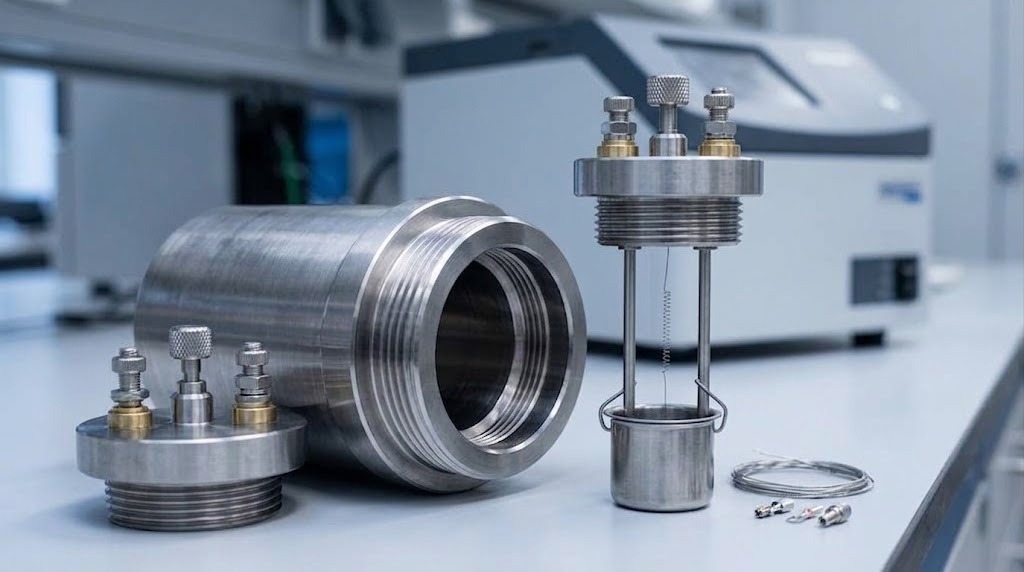
Here, sealing and oxygen filling solve two separate problems. The sealed oxygen bomb provides a controlled constant-volume environment for the combustion reaction, while oxygen provides sufficient oxidizing conditions for sample combustion, allowing the sample to release the energy contained in its combustion process.
Therefore, the oxygen bomb is not an ordinary combustion container. It must withstand internal pressure and confine the combustion reaction within a system that can be controlled and measured.
3. Place the Bomb in the Calorimeter and Water System
The sealed and oxygen-filled bomb is placed into the water of the calorimetric system.
This step is the core of the entire measurement principle. When the sample burns, it releases heat. This heat first acts on the oxygen bomb and then is further transferred to the surrounding water. As heat enters the water, the water temperature rises.
To make the temperature of the entire water system more uniform, continuous stirring is usually required during the test. In this way, the measured temperature change can better represent the temperature rise of the entire calorimetric system after being affected by the heat of combustion.
Therefore, this process can be understood as:
Sample combustion ↠↠ heat release ↠↠ oxygen bomb absorbs and transfers heat ↠↠ water absorbs heat ↠↠ water temperature rises
4. Ignite the Sample and Measure the Temperature Rise
When the test begins, the ignition system causes the sample to burn. The heat released by combustion is then transferred to the oxygen bomb and the surrounding water.
The instrument records the temperature change before and after combustion. This temperature change is not the final calorific value, but it is an important measurement result for calculating the heat released by the sample.
Simply put, if the heat capacity of the calorimetric system is known, then a certain temperature rise corresponds to a certain heat input. Therefore, what the instrument truly measures is the temperature change caused by combustion, and then uses this change to determine how much energy the sample released.
5. Use the Temperature Rise to Determine Heat Released
After the temperature rise is measured, the temperature change still needs to be converted into heat.
A simplified relationship can be used to understand this:
Heat released ≈ Calorimetric system heat capacity × Temperature change
Actual testing does not only look at how much the temperature rose. It also needs to consider the heat capacity obtained after calibration of the calorimetric system, as well as relevant corrections required during the test. Finally, combined with sample mass, the corresponding heat of combustion or calorific value can be obtained.
Therefore, a bomb calorimeter does not directly “read out” the calorific value of a sample. Instead, it measures the temperature change caused by combustion and then calculates the result based on the known characteristics of the calorimetric system.
Why Does a Bomb Calorimeter Need Calibration?
Since the calorific value must be calculated from temperature change, it is necessary to know how much temperature rise the calorimetric system will produce after absorbing a certain amount of heat. This is also an important reason for calibration.
In a calorimetric system, not only water absorbs heat. The oxygen bomb, calorimeter bucket, and other parts involved in heat transfer also absorb some energy. Therefore, the effective heat capacity of the entire system must be determined so that the actually measured temperature rise can be accurately converted into released heat.
What Is Calibrated?
The core of calibration is to determine the heat capacity of the calorimetric system or the corresponding calibration constant.
Usually, a standard substance with a known heat of combustion is used for calibration. By comparing the known heat produced by combustion of the standard substance with the temperature change actually produced by the calorimetric system, the relationship between the two can be established.
For example, standard substances with known calorific values such as benzoic acid can be used to establish this calibration relationship.
How Does Calibration Affect the Result?
If the calibration value of the calorimetric system is inaccurate, then even if the temperature change measured by the instrument is correct, the final calculated calorific value may still deviate.
Therefore, temperature measurement and calibration are not two completely independent links. Temperature change provides actual measurement data, while calibration helps determine how to convert this temperature change into heat.
Why Is a Reference Material Used?
The role of a reference material is to provide a known heat reference.
By testing a reference material with a known calorific value, the calorimetric system can establish a reliable heat–temperature rise relationship. After calibration is completed, when testing an unknown sample, this relationship can be used to calculate the heat it releases.
Therefore, calibration actually connects:
Known heat →→ temperature change →→ calorimetric system heat capacity →→ heat of unknown sample
If calibration issues, abnormal temperature, or other testing problems occur in actual use of the calorimetric system, these factors usually need to be investigated together with specific operation and instrument status, rather than only looking at the final calorific value.
What Are the Main Parts of a Bomb Calorimeter?
The previous working process has explained how heat is transferred from the sample to the water. To complete this process, a bomb calorimeter requires multiple parts working together.
| Main Functions of the Parts | |
| Oxygen bomb | holds the sample and provides a sealed combustion environment |
| Sample cup | holds the weighed sample to be tested |
| Ignition system | ignites the sample at the start of the test |
| Oxygen supply | provides oxygen for combustion |
| Water system | receives the heat released and transferred during combustion |
| Temperature sensor | measures the temperature change before and after combustion |
| Stirrer | keeps water temperature more uniform |
These parts do not work independently. For example, the oxygen bomb controls the combustion environment, the water system receives heat, the temperature sensor records temperature change, and the calibrated calorimetric system converts temperature change into heat results.
This is also why, when understanding a bomb calorimeter, the “working process” is more important than simply memorizing the names of individual parts.
What Can Affect Bomb Calorimeter Results?
Since the final result comes from the temperature change produced by combustion, any abnormality in important links from sample combustion to temperature measurement may affect the result.
Sample and Sample Mass
The sample needs to be representative, and its mass needs to be accurately recorded. Because the final calorific value is usually related to energy release per unit mass, an error in sample mass will further affect the calculation result.
Complete Combustion
Bomb calorimetry relies on the heat of combustion released by the sample. If the sample does not burn completely, the heat actually released may not be fully reflected, thus affecting the final measurement result.
Therefore, oxygen conditions, ignition, and sample state all affect the combustion process.
Temperature Measurement
Temperature change is the direct measurement basis for calculating heat, so temperature measurement needs to remain stable and consistent.
Stirring in the water system is also important because it helps distribute heat more evenly, making the temperature measurement better represent the change of the entire calorimetric system.
Calibration
Even if the temperature change is measured accurately, if the calibration of the calorimetric system is incorrect, the conversion between temperature change and actual released heat may still have problems.
Therefore, when troubleshooting abnormal test results, it is usually necessary to judge together with the sample, combustion process, temperature change, and calibration status, rather than checking only one link.
Common mistake: Checking only the final calorific value while ignoring sample mass, combustion completeness, temperature stability, and calibration status.
Where Is Bomb Calorimetry Used?
After understanding the working principle, it is easier to understand why bomb calorimetry is used for testing different types of combustible materials.
It is especially suitable for materials whose energy content needs to be determined by combustion, such as coal, biomass, fuels, and some food and chemical materials.
In coal and biomass laboratories, bomb calorimetry can be used to determine the energy released by material combustion and further determine its calorific value. This type of coal and biomass energy testing application still follows the same measurement chain introduced earlier:
Sample combustion →→ heat release →→ temperature rise →→ heat calculation →→ calorific value result
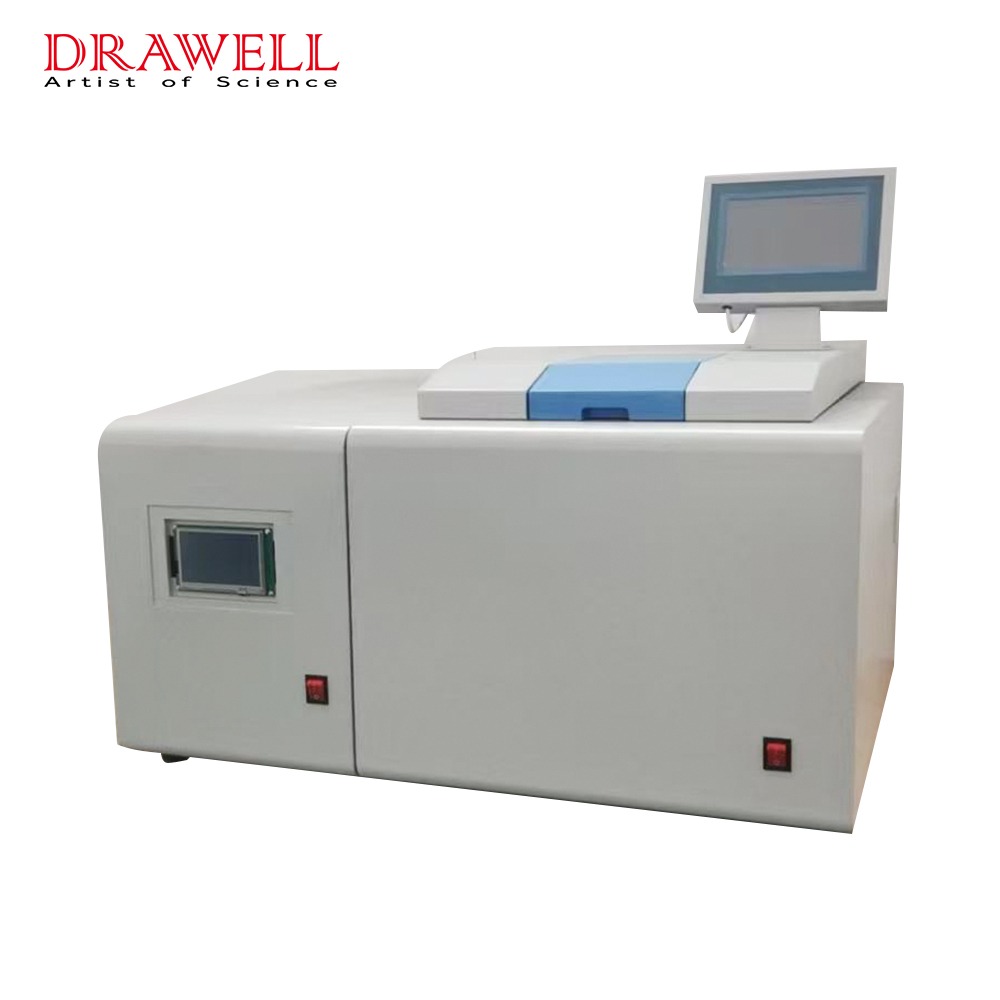
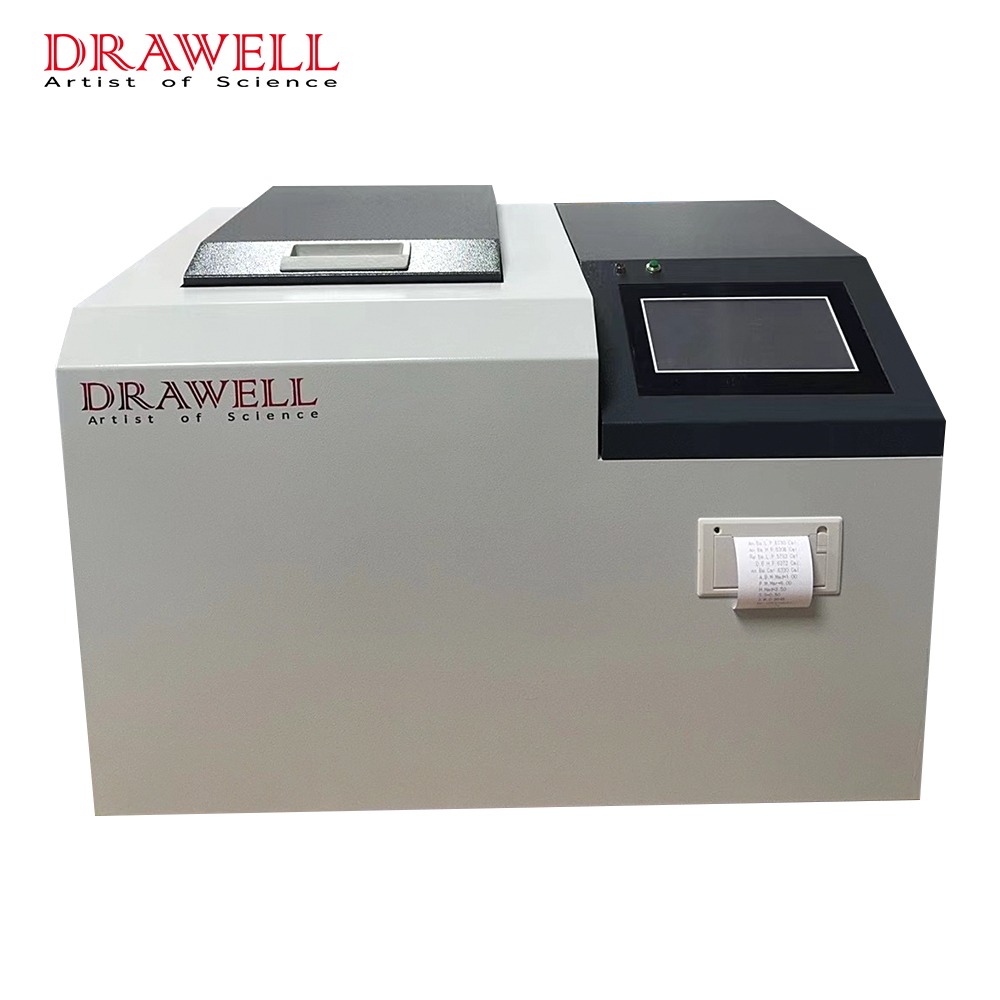
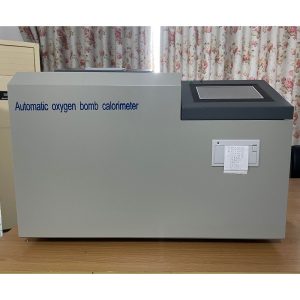
For laboratory testing of coal, biomass, and other solid or liquid combustible materials, an automatic bomb calorimeter can integrate part of the operations such as water addition, stirring, ignition, and data calculation into the test process, thereby reducing manual operation steps.
For example, in laboratories that need to continuously perform calorific value determination, the appropriate automatic oxygen bomb calorimeter can be selected according to sample type, test volume, and temperature control requirements.
For test processes that need to automatically complete part of the operations such as water addition, stirring, ignition, and result output, the corresponding automatic bomb calorimeter can also be selected according to specific instrument design.
Final Thoughts
A bomb calorimeter works by converting the heat released during controlled combustion into a measurable temperature rise, which can then be used to calculate the sample’s calorific value.
From the perspective of working principle, the entire process can actually be summarized as a complete measurement chain: after accurate weighing, the sample burns in an oxygen environment inside a sealed oxygen bomb; the released heat is absorbed by the oxygen bomb and the surrounding calorimetric system, causing the water temperature to change; the temperature sensor records this change, and combined with the calibrated heat capacity of the calorimetric system and necessary corrections, the heat of combustion or calorific value of the sample is finally obtained.
Therefore, when understanding a bomb calorimeter, what really needs to be mastered is not a single part, but the relationship among combustion, heat transfer, temperature measurement, calibration, and heat calculation. This also explains why sample mass, complete combustion, temperature stability, and calibration may all affect the final result.
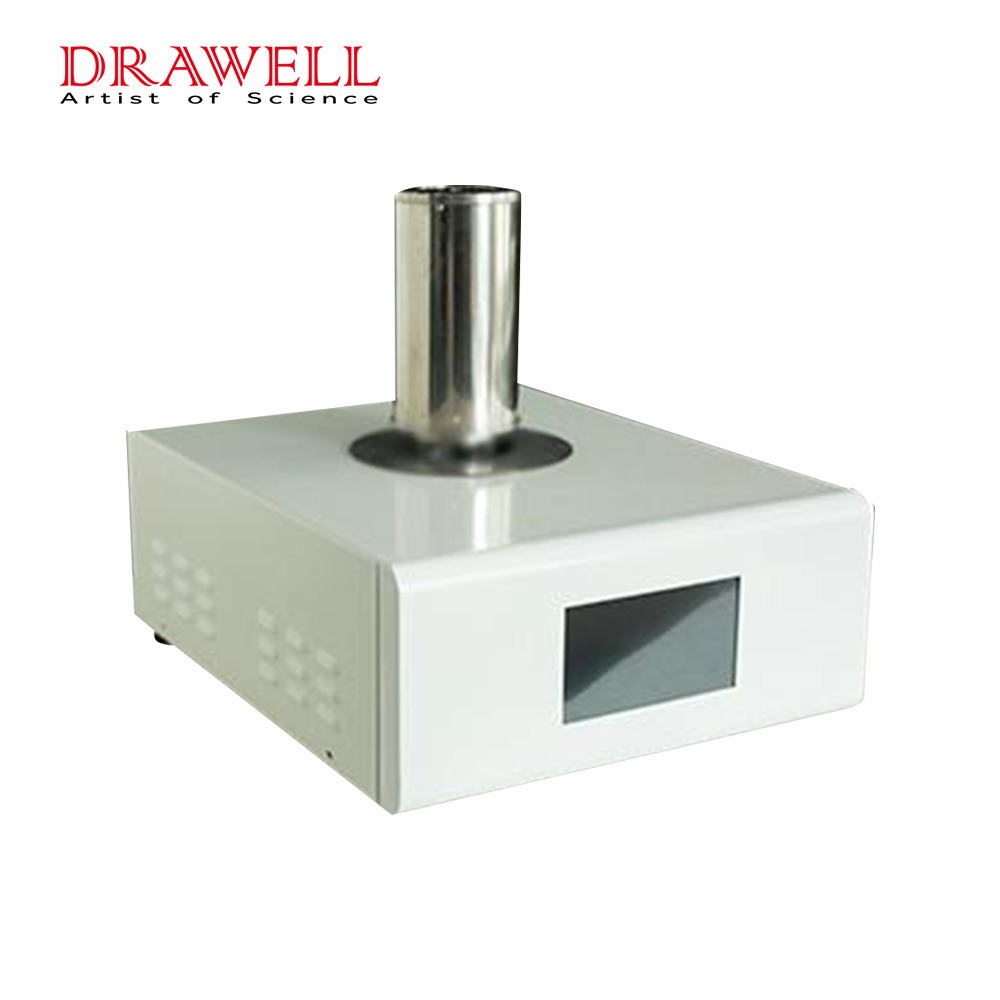
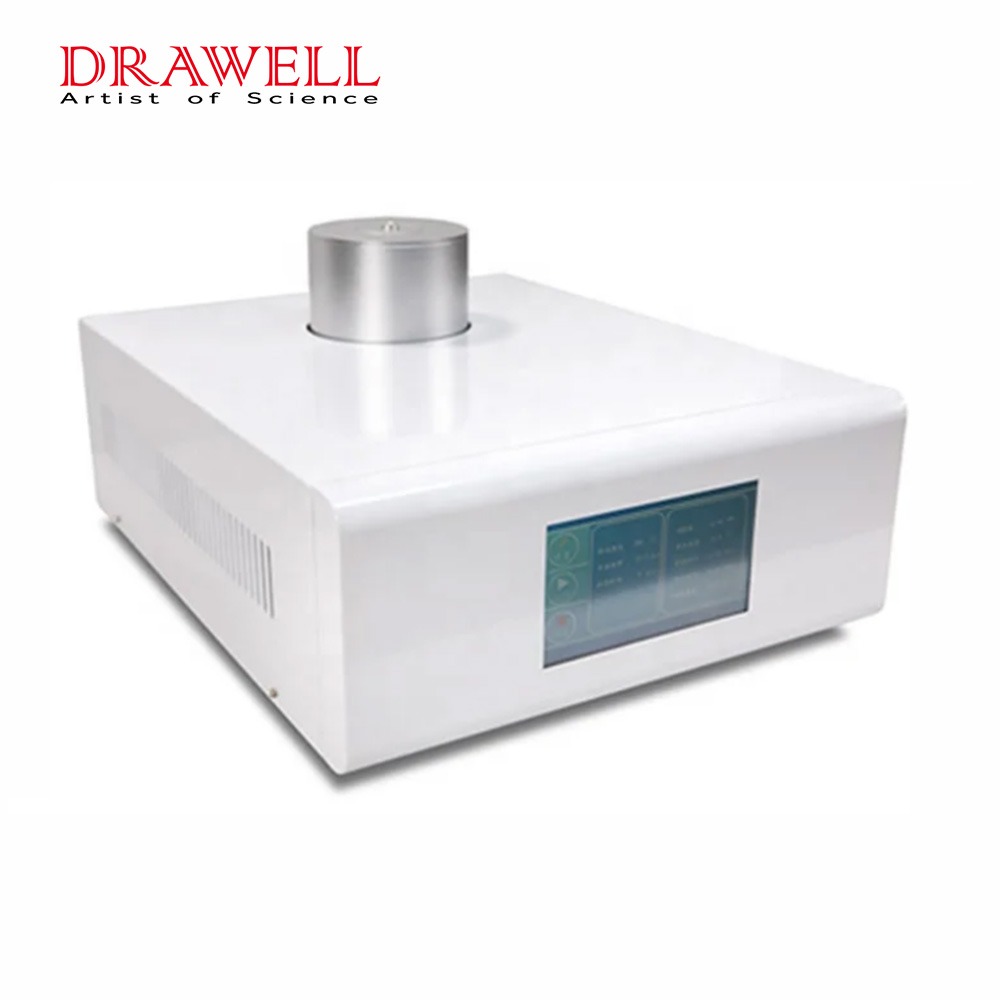
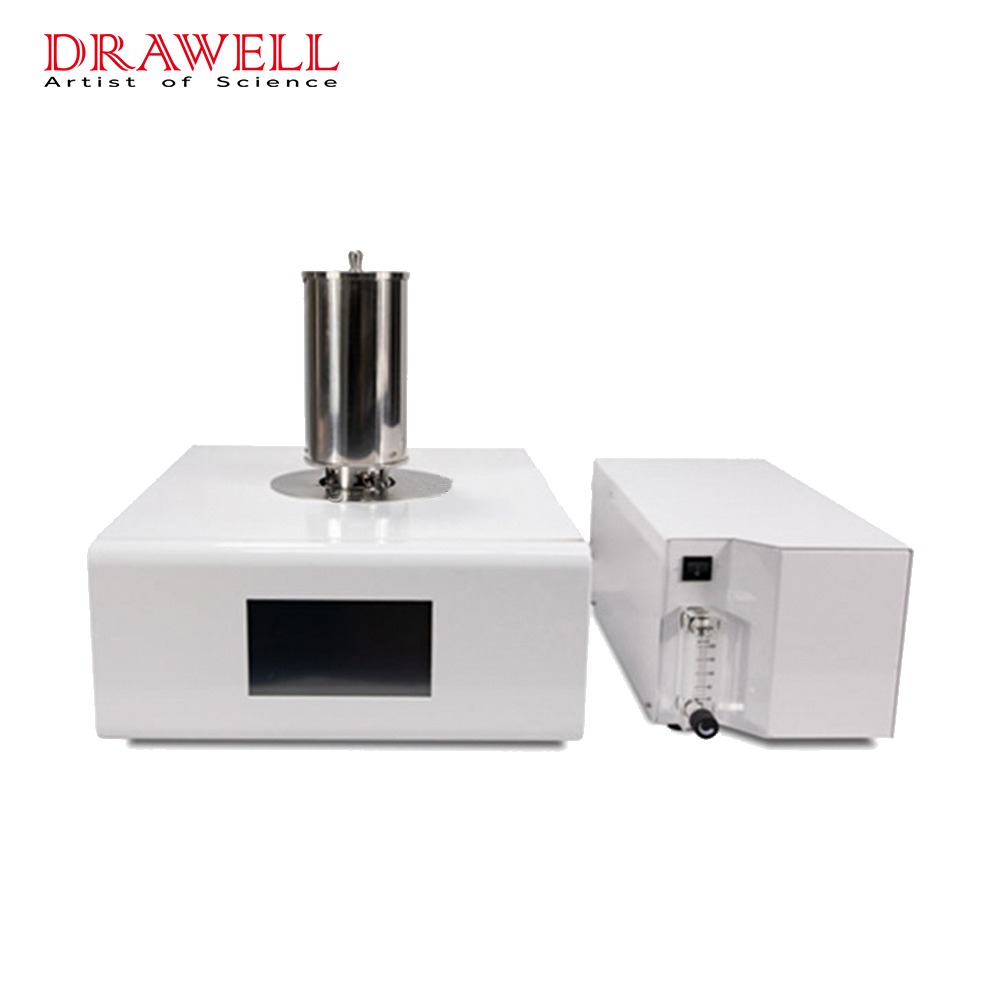
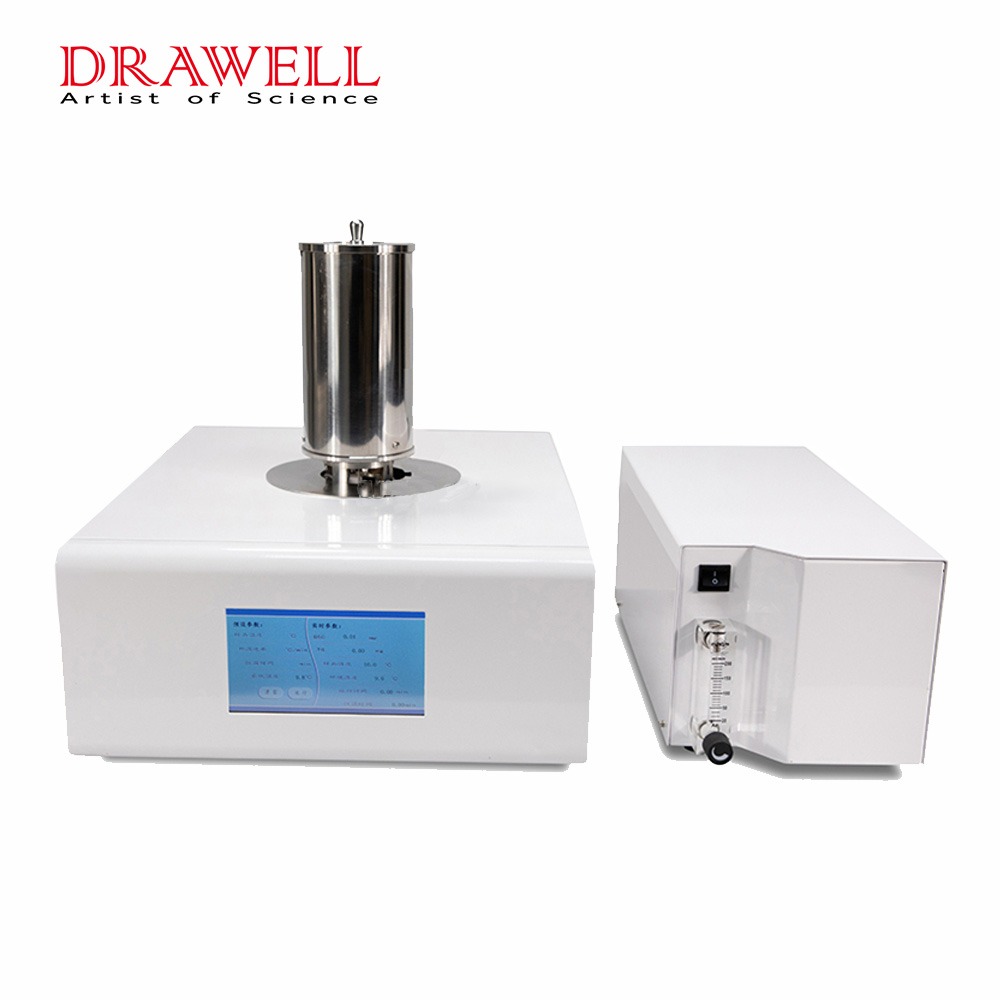
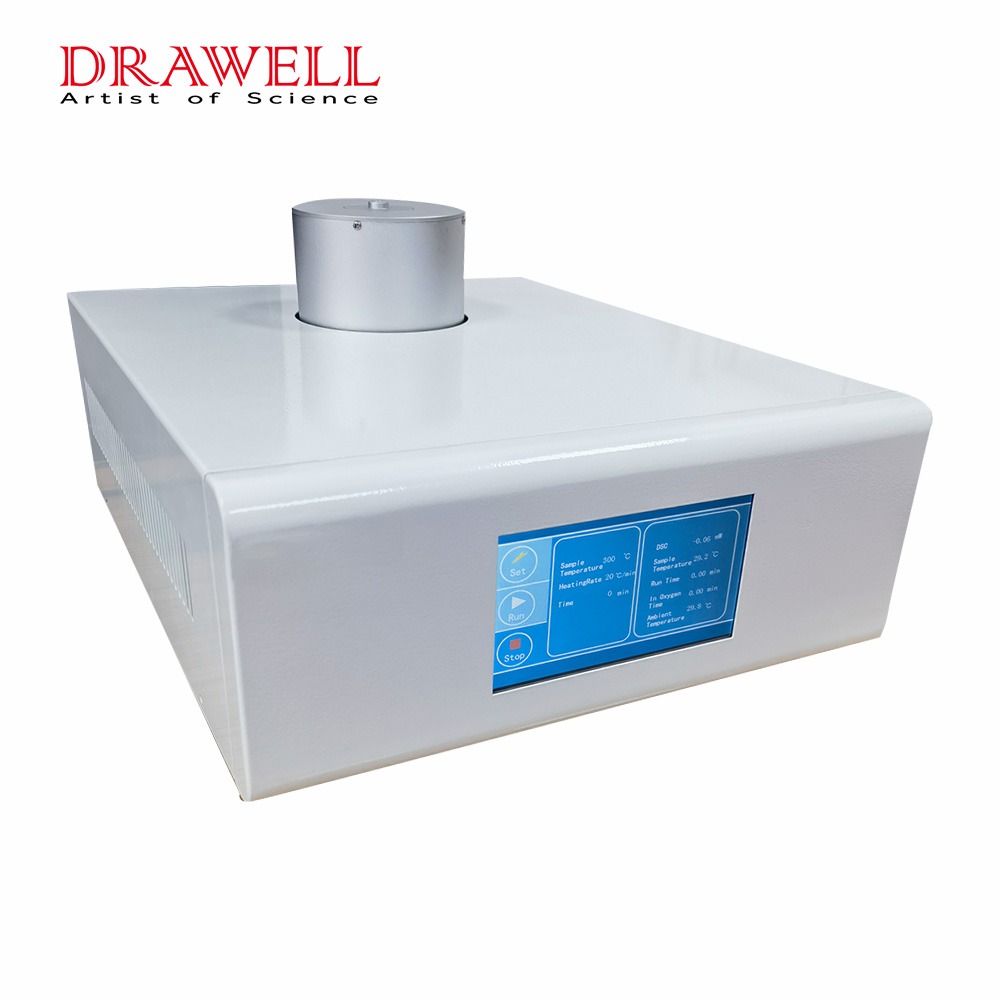
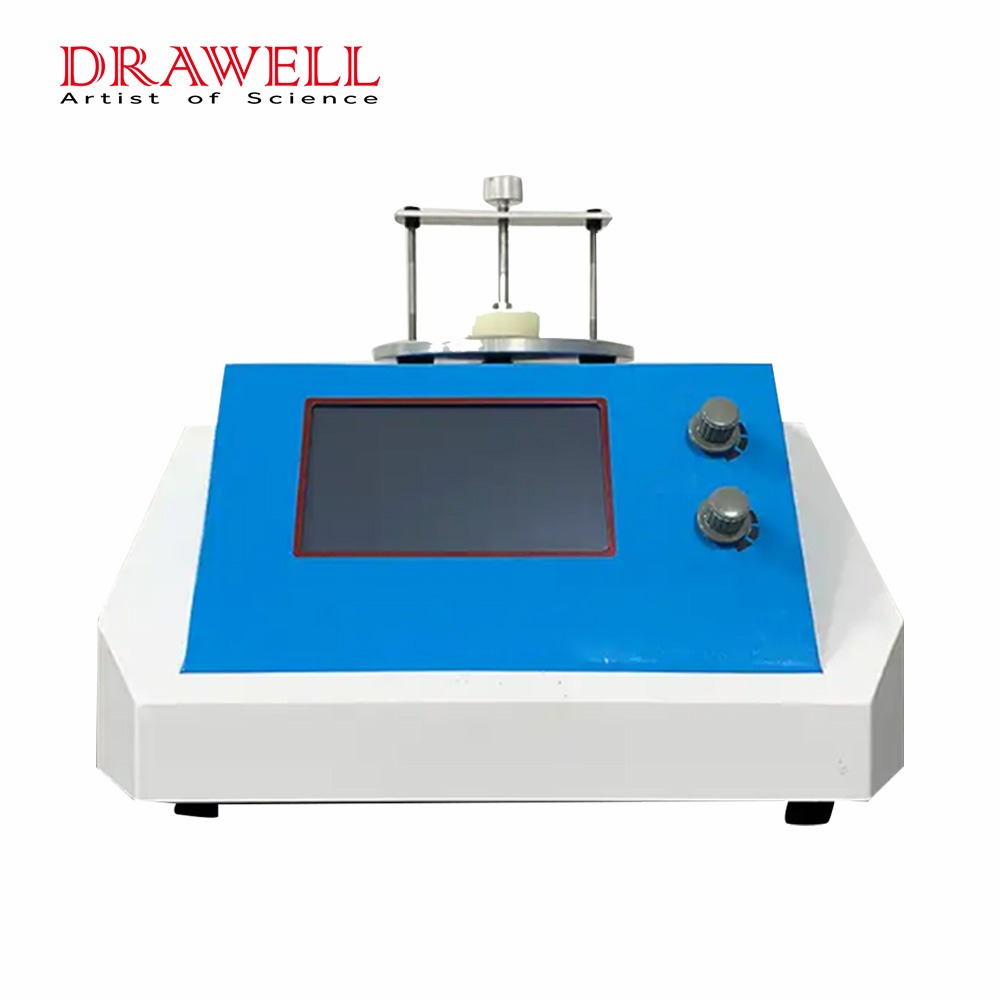
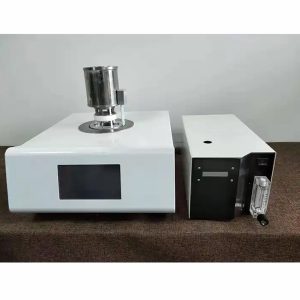
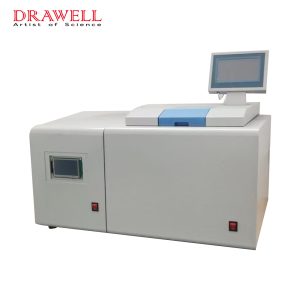
For actual laboratory applications, equipment selection also needs to further consider sample type, testing frequency, degree of automation, and requirements for temperature control and data processing. Drawell’s calorimeter and thermal analyzer product range covers bomb calorimeter, DSC, and other thermal analysis equipment, among which automatic oxygen bomb calorimeters can be used for calorific value determination of combustible materials such as coal, biomass, and fuels.
If a laboratory focuses more on reducing manual operations, an automatic system can further integrate steps such as water addition, stirring, ignition, data processing, and drainage; for example, Drawell’s BXT-ZDHW-9B adopts this kind of automated testing process.
What Next?
For more information, or to arrange an equipment demonstration, please visit our dedicated Product Homepage or contact one of our Product Managers.


