


You perform a DSC test and the curve appears incorrect. The peak is hard to discern or is broad and at a temperature you wouldn’t expect it to be. But before blaming the instrument, first check how much sample was loaded into the pan.
It is easy to forget the sample mass in differential scanning calorimetry. It still affects the signal intensity, the shape of the peaks and the reproducibility of your data run to run.
In this guide, we will discuss how DSC sample mass affects your results, what happens if you use too little or too much sample and how to choose a sensible value for your own studies.
How Does Sample Mass Affect DSC Measurements
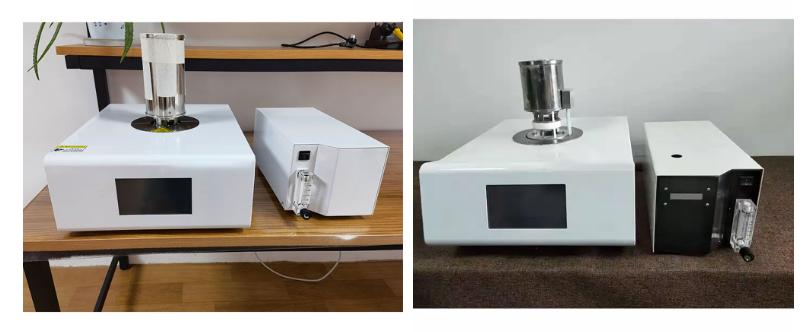
Differential scanning calorimetry (DSC) examines the difference in heat flow between a sample and reference as a function of temperature. The measured signal is in part a function of the sample mass and can also impact the peak form and the apparent transition temperature. Larger samples may develop greater temperature gradients, especially at high heating rates or when thermal contact with the pan is poor.
Here is what sample mass influences:
- Signal size: More sample gives a larger heat flow signal, useful for weak transitions.
- Peak shape: If the sample is too thick or the heating is uneven the peak will be broadened or distorted.
- Transition temperature: The thermal lag can alter the melting or glass transition temperature, especially if the sample mass is too large or the heating rate is too high.
- Enthalpy values: The maximum area is on a mass basis so any weighing error is directly included in the answer.
Most of the repeatability problems have to do with the weighting and positioning of the sample rather than the device itself.
What If Your DSC Sample Is Too Small or Too Large
Both ends of the spectrum cause problems and they look differently on the curve. If you know the indicators you can fix them right away.
Problems With Too Little Sample
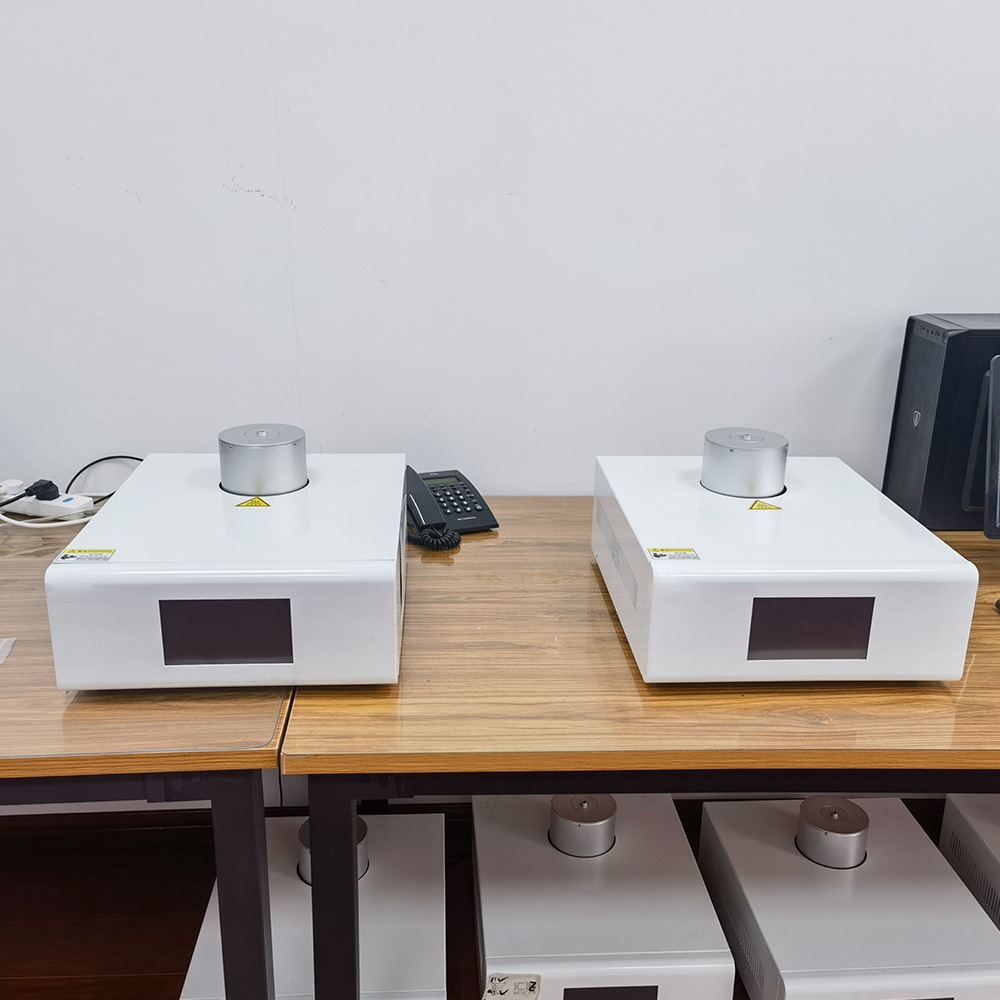
A small sample generates a faint signal. The transition can be lost in the background noise especially for delicate events, such as a glass transition. Weighing mistakes are much more important with small samples, because a small change on the scale is a high percentage error.
Problems With Too Much Sample
Too high sample mass may cause temperature gradients within the sample, especially if the sample layer is thick or the heating rate is high. This can expand or distort peaks and change the reported transition temperature. Overloading the pan can potentially impact the thermal contact or produce problems with the closure of the pan depending on the type of pan and the test technique.
Below is a table of the more prevalent cases and what to look for.
| Sample condition | Possible effect on results | What to check |
| Too little sample | Weak signal, poor peak definition | Signal-to-noise ratio and weighing accuracy |
| Too much sample | Distorted peaks, thermal lag | Sample thickness, pan capacity, and heating rate |
| Uneven sample distribution | Inconsistent thermal contact | Sample placement and pan contact |
| Inconsistent sample mass between runs | Differences in peak area or reduced repeatability | Weighing records and mass normalization |
How Much Sample Should You Use for DSC
No one sample mass is adequate for all DSC testing. The exact value depends on the material, the transition being measured, the heating rate and the instrument used. 2-10 mg is a popular starting point for many traditional polymer DSC studies however the optimum mass depends on the material, test method and instrument.
Standards such as ISO 11357-1 provide broad guidance for DSC testing, however sample quality should be adequate as per the applicable test procedures and equipment recommendations.
This table gives a starting point.
| Test or material consideration | Sample mass guidance |
| Routine polymer melting or glass transition | Around 2–10 mg is a common starting point; follow the applicable test method |
| Weak thermal transitions | A somewhat larger mass may improve signal strength, if the method permits |
| Strongly exothermic or reactive samples | Use a smaller mass when required by the test method |
| Fast heating-rate measurements | Smaller samples may be necessary |
| Unfamiliar materials | Start with the instrument or method recommendation |
Note: These are broad recommendations. Follow the requirements of the test procedure and the recommendations of the instrument.
How to Choose the Right Sample Mass
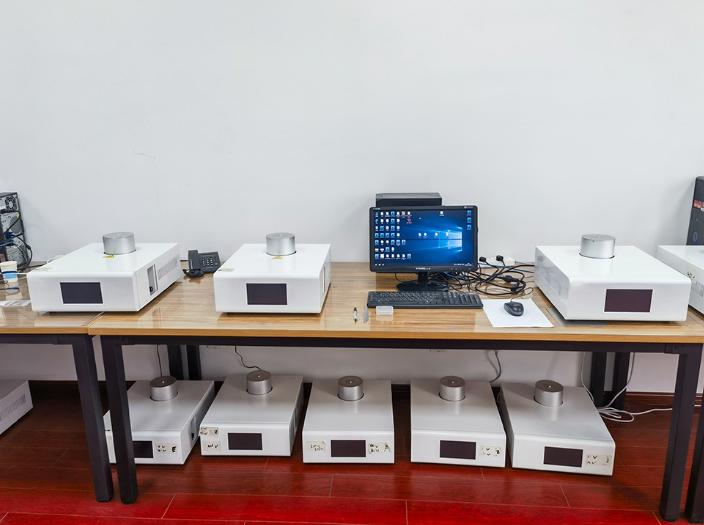
If you are not sure how much sample you need for DSC, here is what you can do:
- Start with the test objective: Are you trying to identify a glass transition or obtain a clear melting peak? This will tell you if it is signal strength or peak resolution that is more of an issue.
- Check the material: Reactive, foamy or low density materials may not require the same sample masses and preparation processes as dense solids.
- Prepare the sample consistently: Prepare the sample in a thin piece of suitable size to give good contact with the bottom of the pan. Sample preparation is as crucial as the choice of a suitable sample mass.
- Keep other conditions consistent: When comparing DSC results obtained with different sample masses, compare same type of pan, heating rate, and purge gas.
- Run a repeat test when needed: If the results look strange, repeat the test with a slightly different sample mass and compare the curves.
The sample mass can affect DSC signal intensity and the reliability of the results. Weak transitions may be difficult to detect when the sample mass is too low, while excessive sample mass can increase thermal lag and distort peaks.
If you are thinking about a DSC instrument or need assistance on sample setup for your materials, the team at Drawell are ready to help. Get in touch to talk through your testing needs.
Get Quote Here!
Latest Posts
What Next?
For more information, or to arrange an equipment demonstration, please visit our dedicated Product Homepage or contact one of our Product Managers.


