



Blog

High Speed Refrigerated Centrifuge – 4 Problems and Correct Use
A high speed refrigerated centrifuge is a machine that uses the strong centrifugal force generated by the rotor speed of the centrifuge to accelerate the sedimentation speed of the particles in the liquid and separate the substances with different sedimentation coefficients…
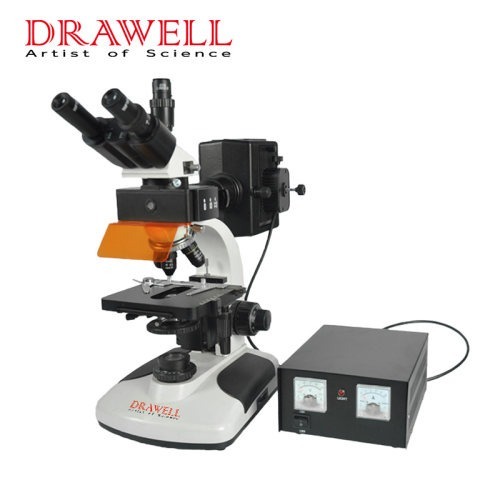
Fluorescence Microscopes – Good For Pathological Research?
As you know, fluorescence microscopes can be used in different fields. Today, this article will introduce the application of fluorescence microscopes in pathological research. Components of a Fluorescent Light Microscope The fluorescent light microscope is made up of the following…
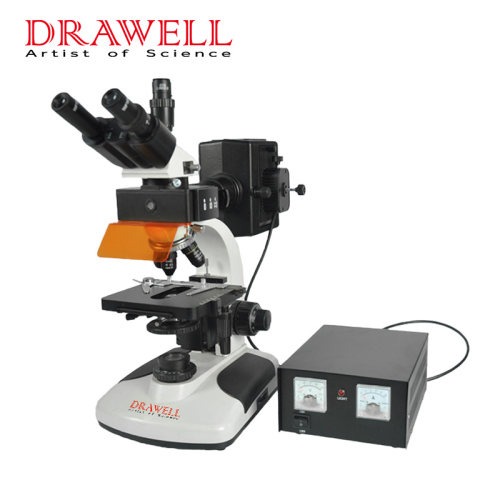
How to Choose a Light Source for a Fluorescence Microscope?
This article will introduce you to how to choose a light source for a fluorescence microscope from fluorescence, factors affecting the effect of a fluorescence microscope, and light sources for a fluorescence microscope. What is Fluorescence? A fluorescence microscope is…
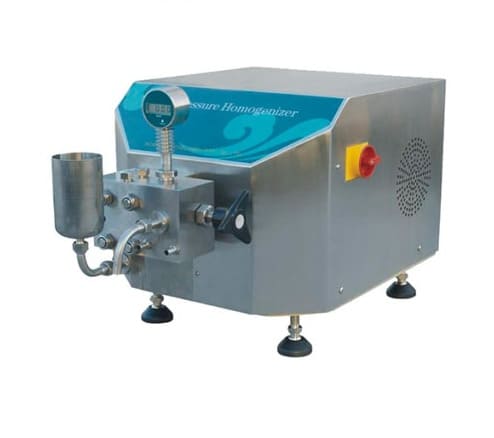
Basic Statement of the High Pressure Homogenizer
The high pressure homogenizer is also called high-pressure fluid nano-homogenizer, which can make the material in the suspension state flow through the cavity (high pressure homogenizer Cavity)with a special internal structure at a high speed under the action of ultra-high pressure…

High Pressure Homogenizer vs. Microjet Homogenizer:3 Differences
If you need to know the main difference between the high pressure homogenizer and the microjet homogenizer, this article is very useful for you. The Difference Between High Pressure Homogenizer and Microjet Homogenizer in Working Principle In the high pressure homogenizer, the…
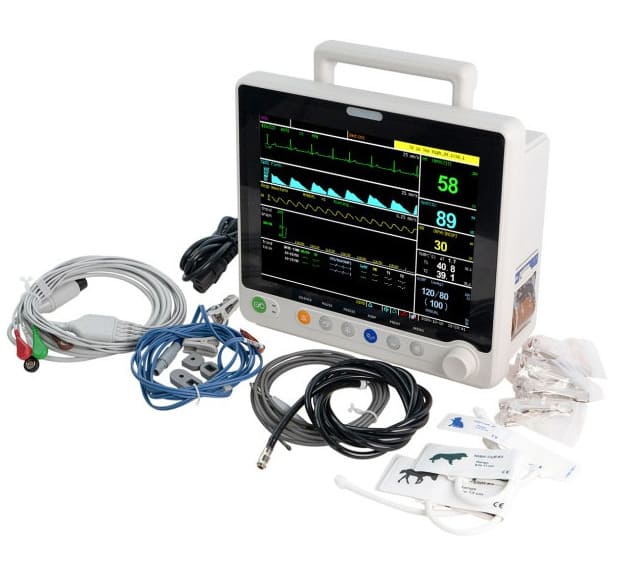
Top 7 Applications of Veterinary Monitors and Common Problem Solving
Veterinary monitors are very popular and used in the pet hospital or at home. Today, this article will introduce you to what veterinary monitors are, types of veterinary monitors, applications of veterinary monitors, and a method to one situation problem while…
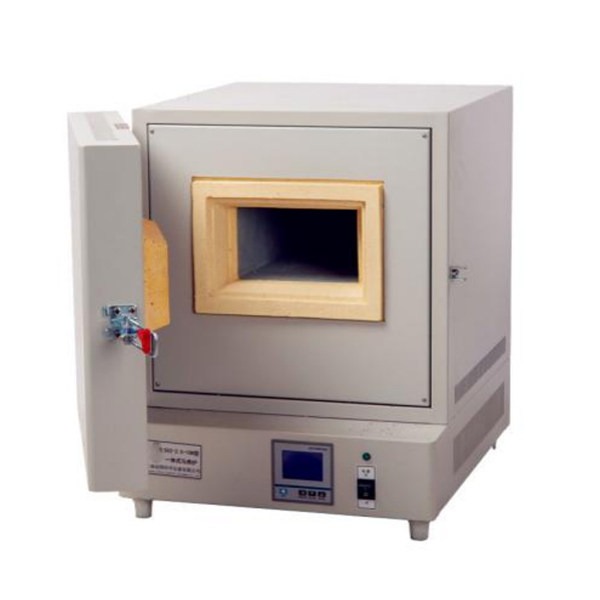
6 Common Knowledge About Muffle Furnace
Any industry requires a variety of equipment to function properly. The Muffle Furnace is one such appliance that has a huge impact on enterprise functionality. To enable you to buy your favorite product in the shortest time, let us learn…
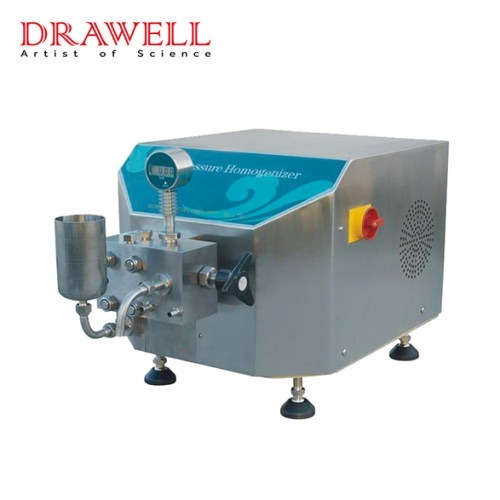
3 Factors Improve High-Pressure Homogenizers Efficiently
High-Pressure Homogenisers have actually been utilized more and more commonly, with the development of biomedicine, petrochemical, and food industry, as well as various other fields. The development of the laboratory tool industry additionally gives a selection of homogenizers with different…
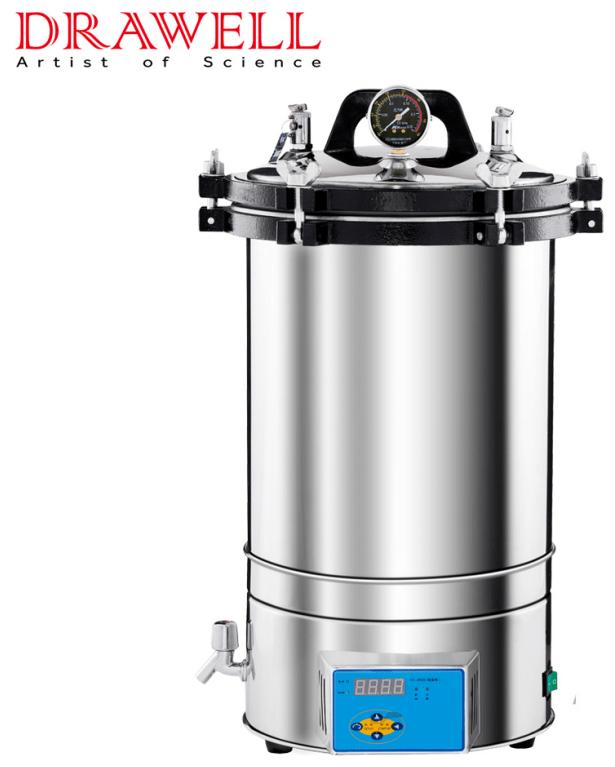
4 Things About an Autoclave Sterilize Bacteria
An autoclave(autoclave machine) is an essential piece of equipment that is widely used in many medical and industrial fields. Its highly effective form of autoclave sterilization makes it a reliable tool for safely decontaminating various instruments. Autoclaves are specially designed to…
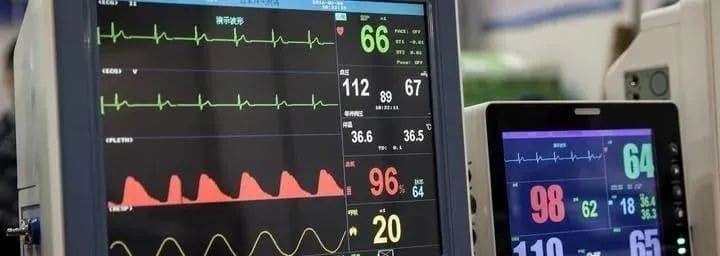
Patient Monitor: 5 Analysis and Maintenance of Common Faults
When you use the patient monitor, you may need different problems. Today, this article will show you 5 common faults of patient monitoring equipment and the method of handling these problems. 1. The Patient Monitor Turns On And There Is…
Browse by category:


