



Blog
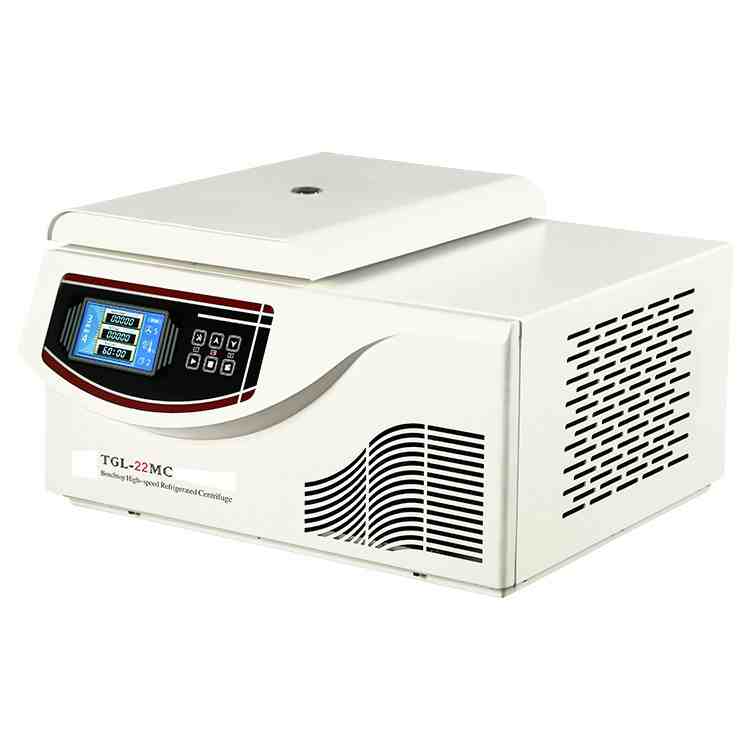
What Are the Uses of Refrigerated Centrifuges in Scientific Research and Diagnostics
In the realm of scientific research and diagnostics, the refrigerated centrifuge has emerged as a remarkable tool that combines the power of centrifugal force with temperature control. This specialized instrument plays a crucial role in separating and preserving samples at low…
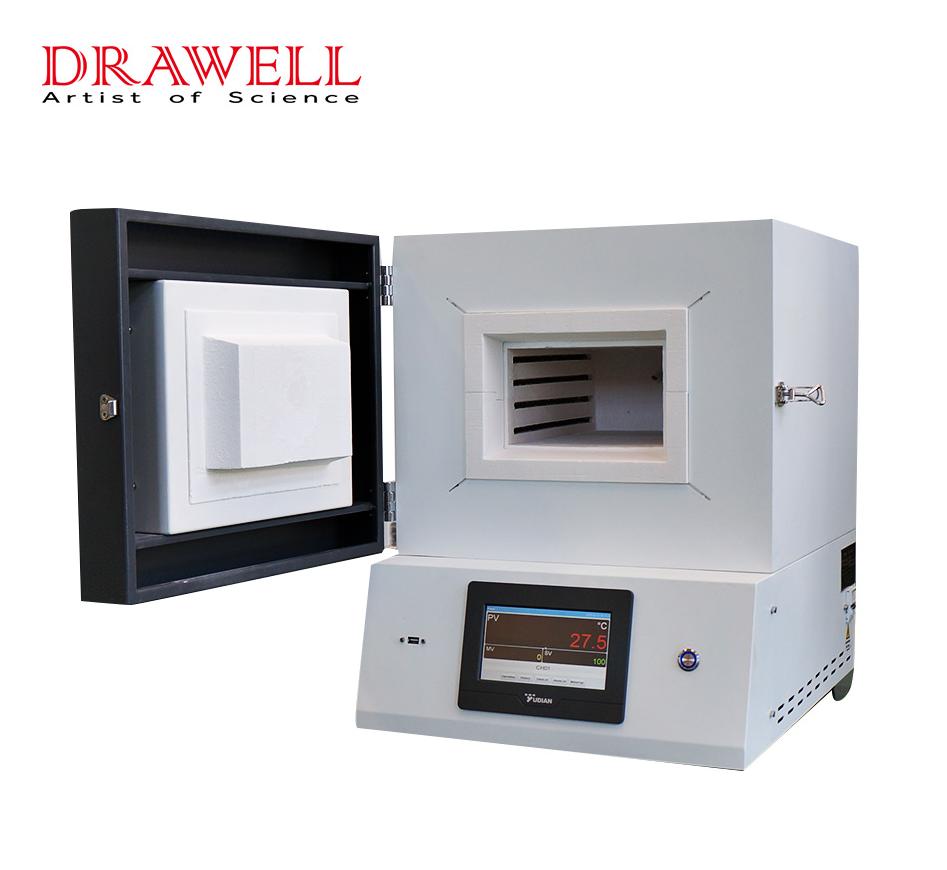
How to Use Muffle Furnace
A muffle furnace is a powerful tool used in laboratories and industrial settings for high-temperature applications. Whether you need to heat-treat materials, perform material testing, or conduct ashing experiments, understanding how to properly use a muffle furnace is crucial. This article…
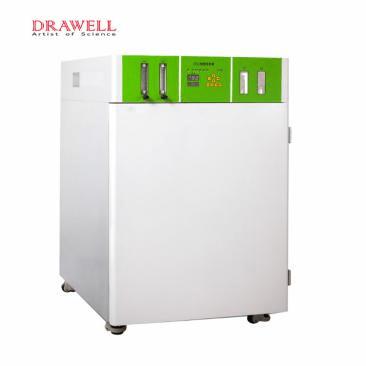
Precautions for Using a CO2 Incubator: Ensuring Safe and Reliable Operation
CO2 incubators are essential laboratory equipment used in various scientific disciplines, including cell culture, microbiology, and molecular biology. These incubators provide a controlled environment for the growth and maintenance of cells and organisms. While they are highly efficient and reliable, it is…
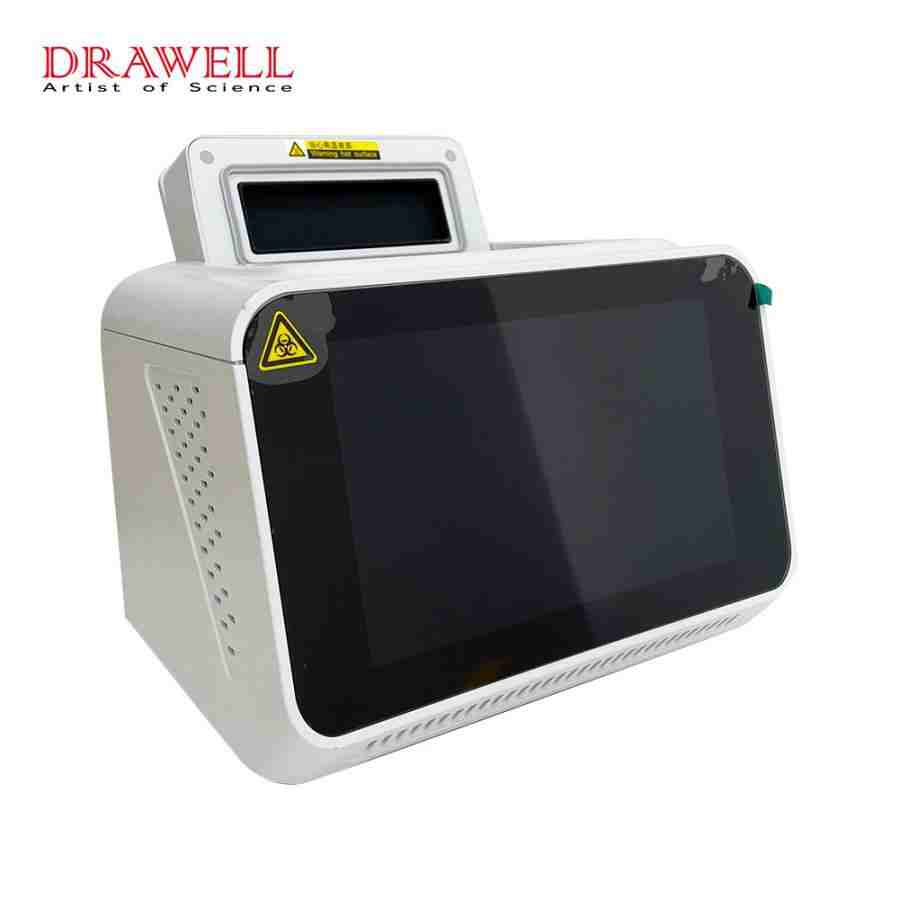
How Does PCR (Polymerase Chain Reaction) Work?
Polymerase Chain Reaction (PCR) is a molecular biology technique that has revolutionized genetics and biotechnology. It enables researchers to amplify specific portions of DNA, allowing for a variety of applications ranging from genetic testing and forensics to illness diagnosis and DNA sequencing…
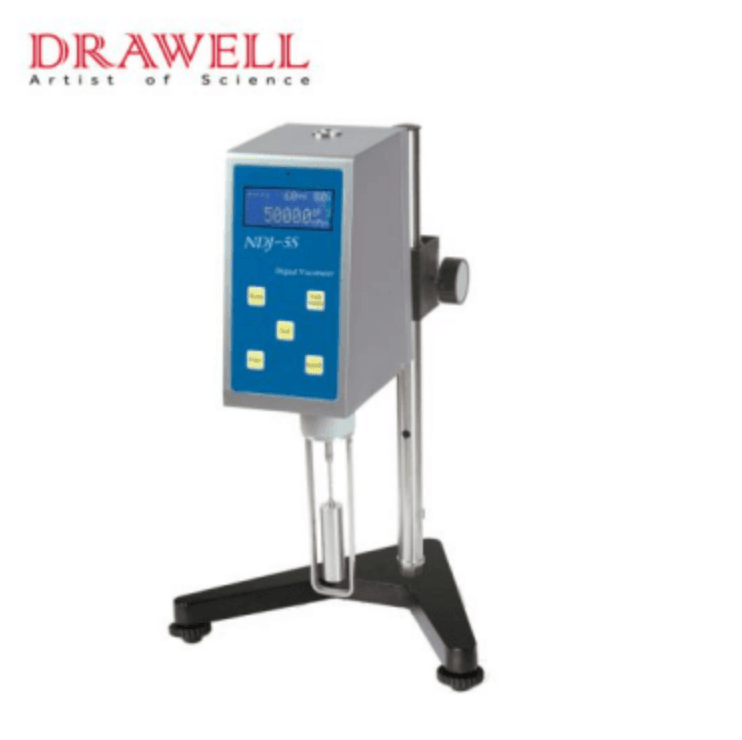
How to Use a Digital Viscometer Correctly?
Accurate viscosity measurement depends not only on the instrument itself, but also on how it is used. Incorrect rotor selection, poor temperature control, or improper sample preparation can all lead to significant measurement errors. There are different types of digital…
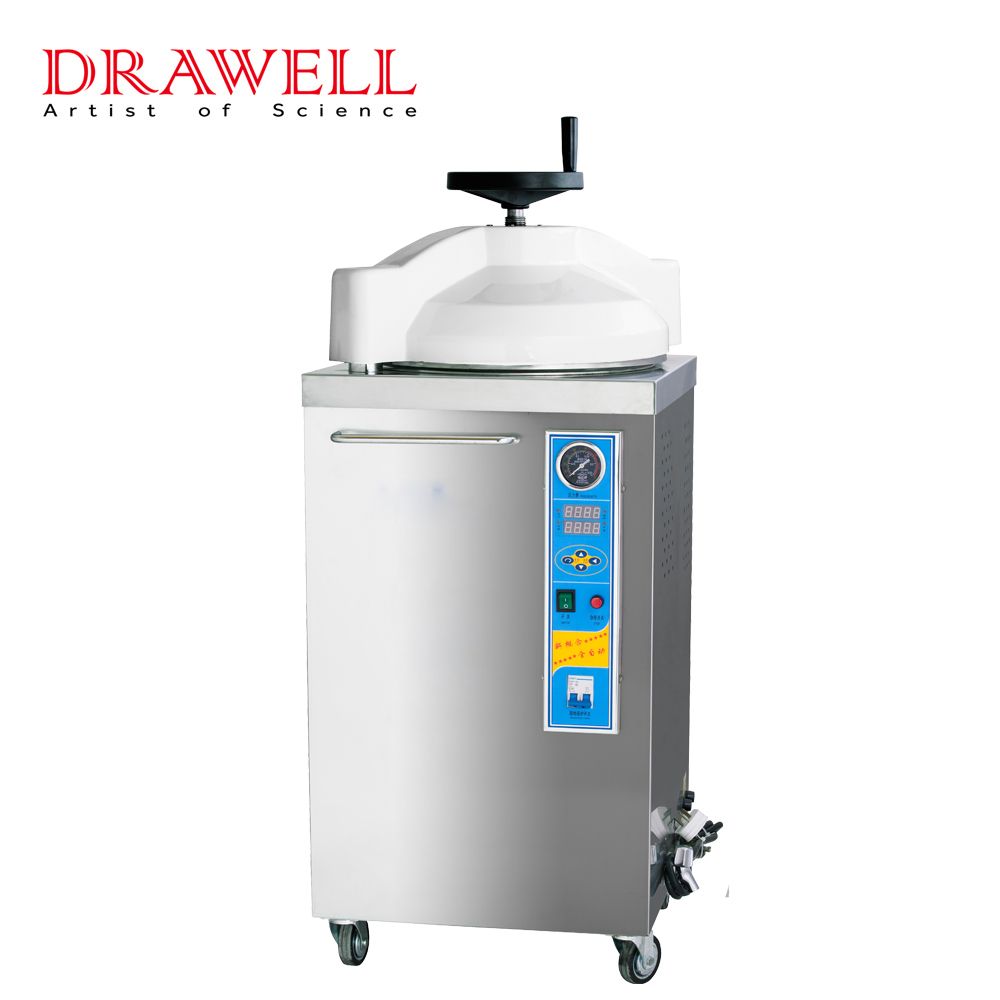
What Is an Autoclave Used for?
An autoclave has long been a staple of the medical, scientific, and industrial industries, helping to preserve hygiene and ensure the safety of several procedures. These adaptable and dependable technologies have transformed sterilizing processes, enabling the elimination of hazardous bacteria and…
What Are the Diverse Applications Of Incubators?
Various instruments and technologies have been developed in the fields of research, technology, and healthcare to promote progress and address challenging challenges. Among these outstanding inventions, incubators stand out as versatile machines with a wide range of applications. In this post,…
8 Key Factors Affecting Viscometer Measurements
Viscometers are indispensable tools for measuring viscosity, a key property of fluids that plays a critical role in various industries. However, to obtain accurate and reliable viscosity measurements, it is essential to consider and account for the factors that can affect…
2 Key Points of a Refrigerated Centrifuge: Applications and Proper Maintainance Tips
The refrigerated centrifuge is a vital tool in various scientific and industrial fields, offering precise temperature control during centrifugation processes. Its ability to maintain low temperatures makes it ideal for applications involving temperature-sensitive samples. This article aims to explore the diverse…
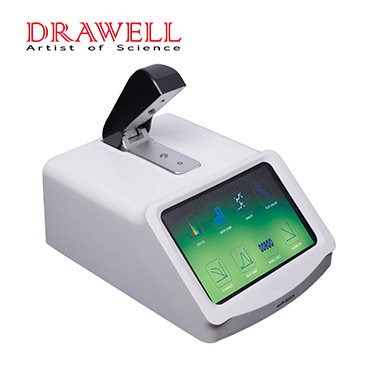
What Are the Advantages of Microspectrophotometers and Nanospectrophotometers
Microspectrophotometers and nanospectrophotometers are advanced analytical instruments that offer unique advantages for the analysis of samples at the microscale and nanoscale, respectively. These instruments have revolutionized the field of spectroscopy by providing enhanced spatial resolution, compatibility with microfluidic systems, real-time measurements,…
Browse by category:


