



Blog
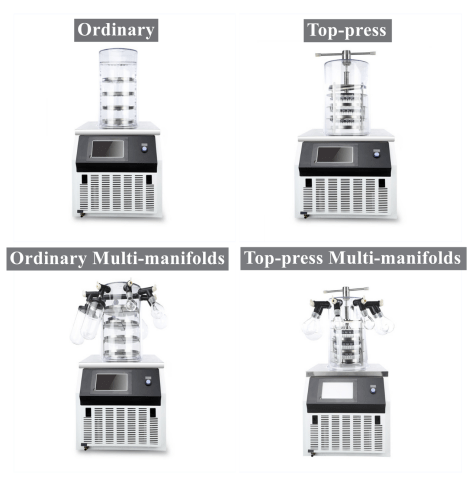
Navigating the World of Lab Freeze Dryers: A Comprehensive Guide to Pricing and Applications
In the realm of scientific research and industrial production, lab freeze dryers have emerged as indispensable tools for preserving and processing a wide range of materials. These versatile instruments utilize a unique technique known as freeze-drying, or lyophilization, to gently remove…
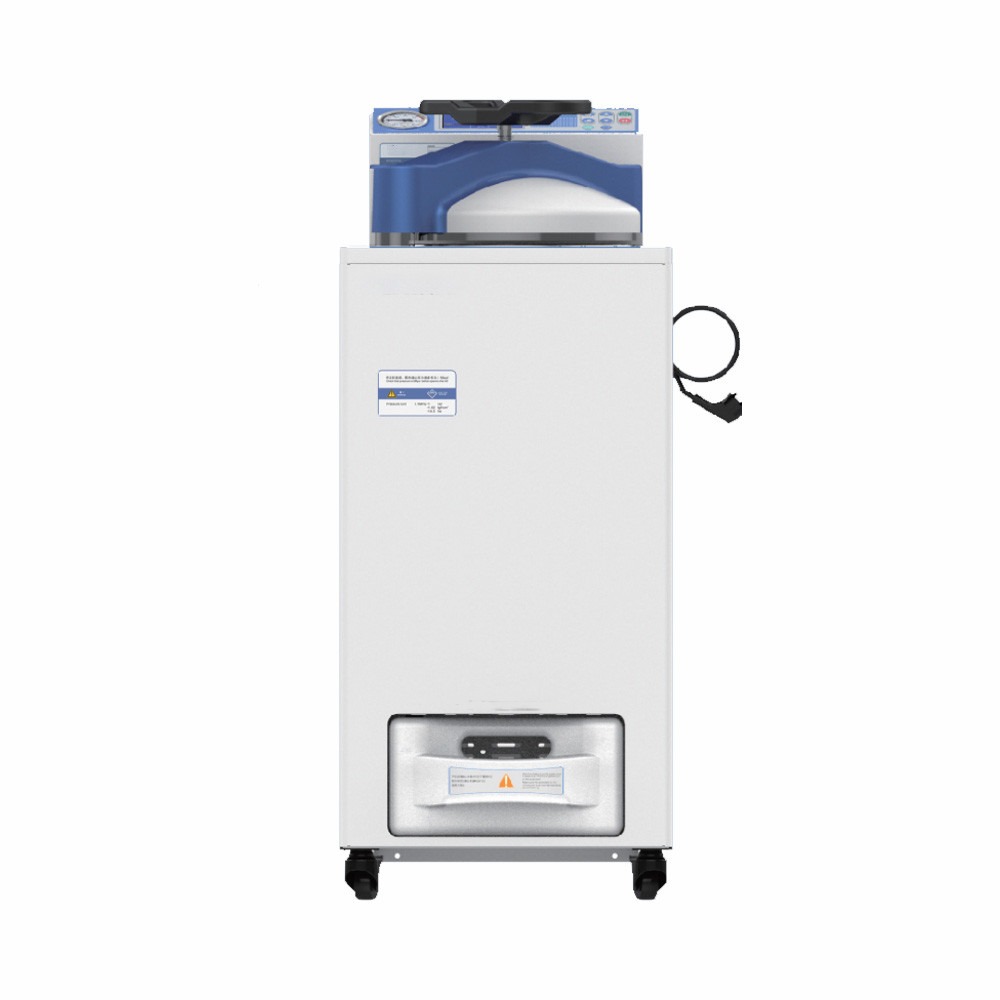
The Pivotal Role of Vertical Pressure Steam Sterilizer in Maintaining a Sterile Environment
Maintaining a sterile environment is critical in many industries to ensure the safety of products, processes, and people. The vertical pressure steam sterilizer is an essential tool that plays an important role in achieving this goal. This article delves into the…
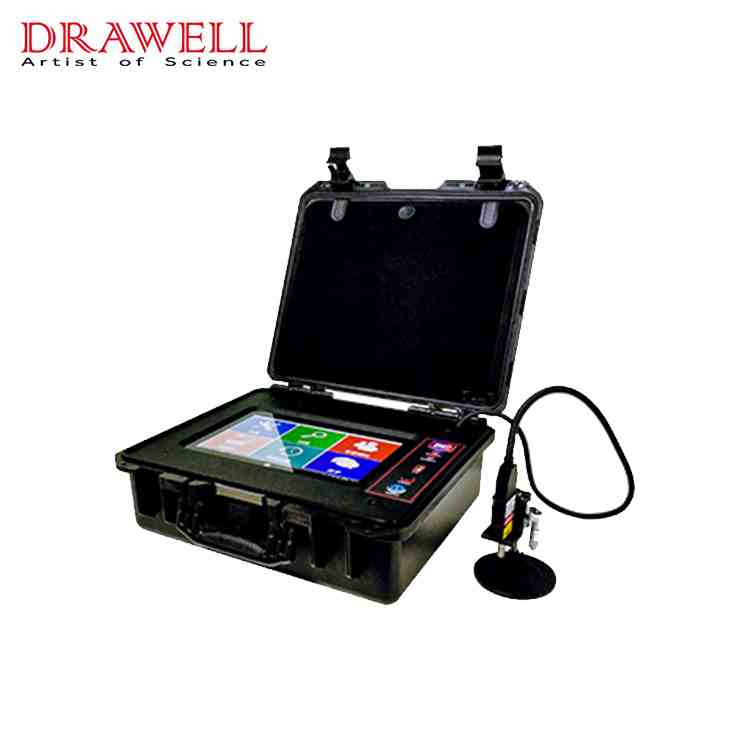
Portable Raman Spectrometers: A Game-Changer in Field Research and Analysis
In the dynamic realm of scientific research and analysis, the evolution of technology continually reshapes the landscape, pushing the boundaries of what is possible. One such groundbreaking advancement that has taken center stage in recent years is the emergence of…
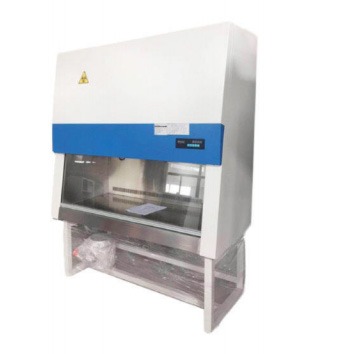
Understanding Key Points of Biosafety Cabinet Use: A Comprehensive Guide
Biosafety cabinets (BSCs) are the first line of defense in laboratories and healthcare facilities against the potential hazards of working with biological materials. These specialized containment devices are intended to provide a safe and sterile environment for researchers, laboratory personnel,…
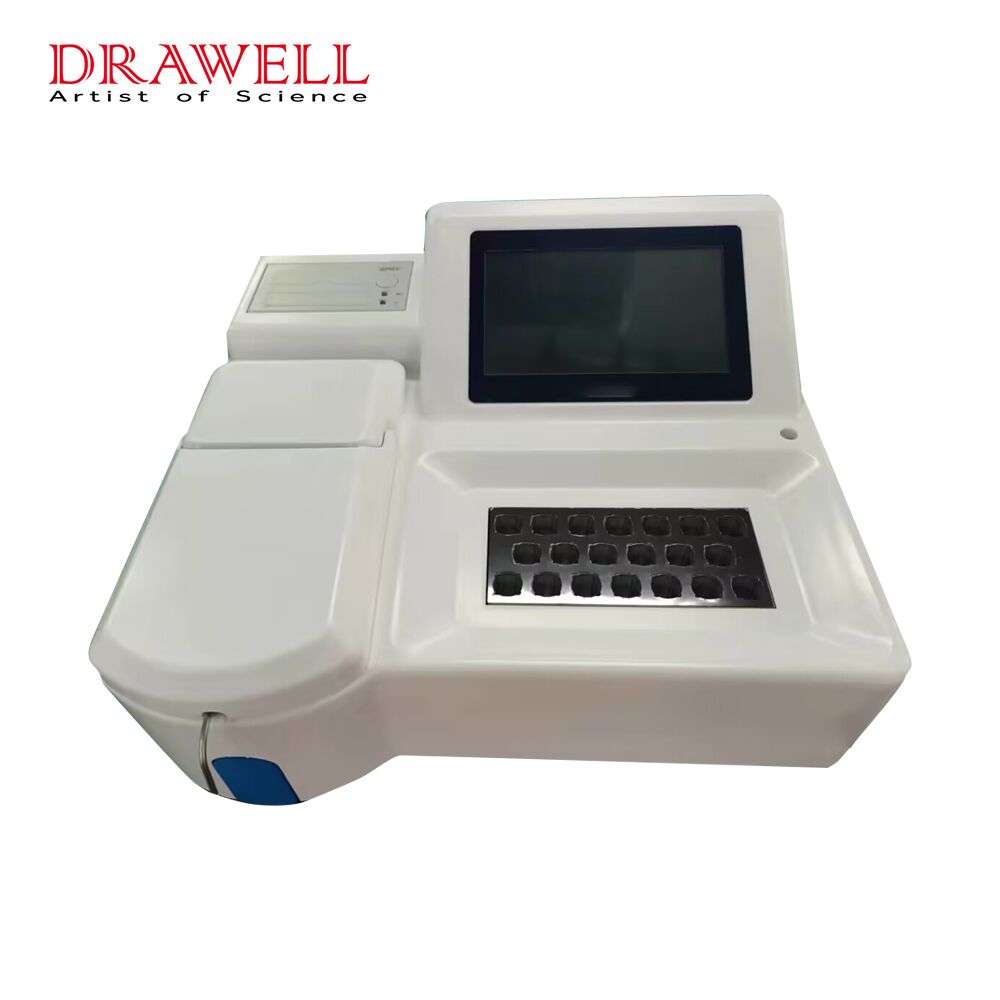
What are the Semi Biochemistry Analyzer: Everything You Need to Know
Semi-automatic biochemistry analyzers have profoundly altered the clinical diagnostic landscape. This complex instrument combines the accuracy of classic biochemistry analyzers with the portability and ease of use of point-of-care testing, ushering in a new era of medical diagnostics. In this article,…
6 Benefits of Using ELISA Microplate Readers in Clinical Trials
Clinical trials represent a critical phase in the journey of medical discovery, transitioning from the controlled environment of the laboratory bench to real-world applications at the bedside. Among the many tools shaping this transition, ELISA microplate readers stand out as invaluable…
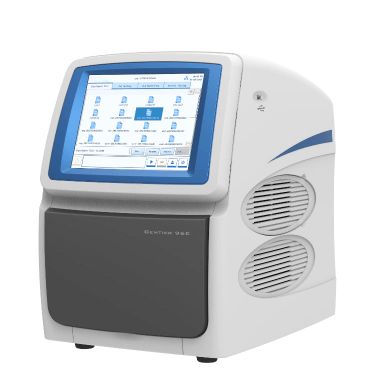
Exploring the Technique of PCR: Why Polymerase Chain Reaction Revolutionizing the Way in Genetics
The Polymerase Chain Reaction (PCR) is a groundbreaking molecular biology technology that has revolutionized genetics and diagnostics. PCR, invented by Kary B. Mullis in the 1980s, has become a vital tool in modern laboratories, allowing scientists to amplify and study DNA with…

What are Heating Incubators: A Comprehensive Guide
Heating incubators are essential tools in biomedical research and development, providing precise temperature control for a wide range of applications. From cell culture and microbiology studies to enzyme assays and protein crystallization, heating incubators play a critical role in ensuring the…
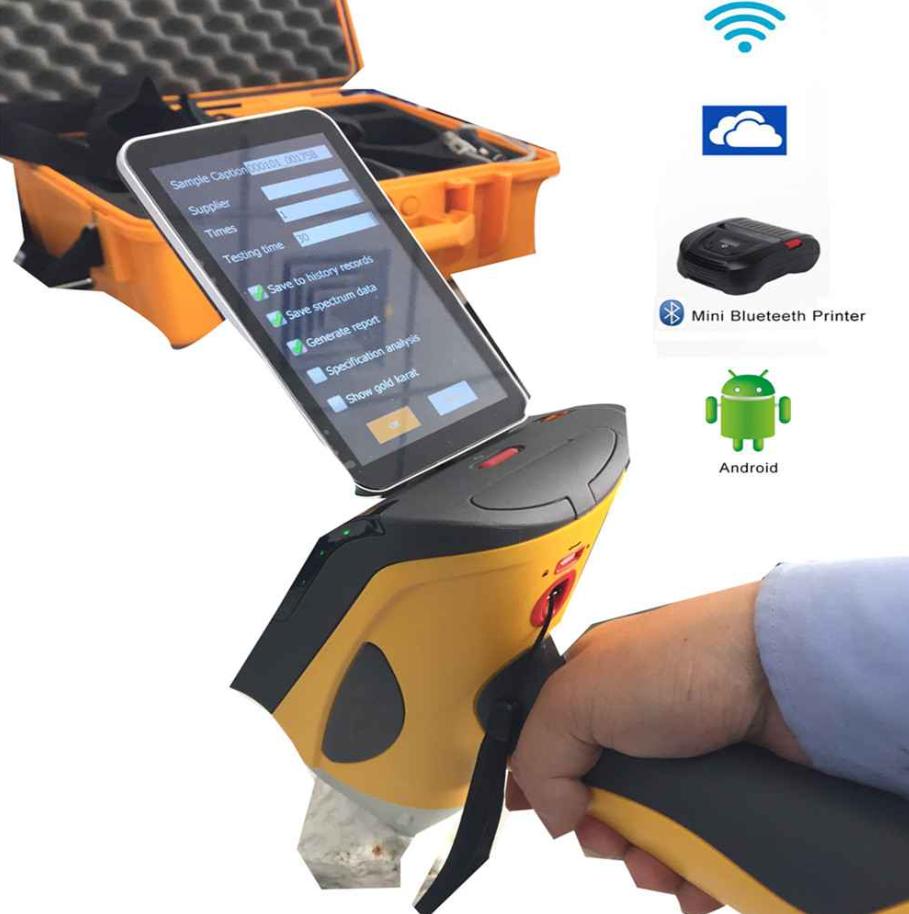
From Lab to Field: How Handheld XRF Metal Analyzers Revolutionizing Analysis Methods
In the dynamic realm of material analysis, technological advancements continually reshape the landscape, providing scientists, engineers, and professionals with tools that redefine conventional methodologies. Among these transformative innovations, handheld XRF metal analyzers stand out as versatile devices, bridging the gap between…

Stability Chambers in Pharmaceutical Testing: The Delicate Balance of Temperature, Humidity and Light
In the ever-evolving landscape of pharmaceuticals, ensuring the stability of drug formulations is paramount. The efficacy and safety of medications hinge on a delicate balance of environmental factors, and this delicate equilibrium is meticulously maintained by stability chambers. These chambers…
Browse by category:


