



Blog
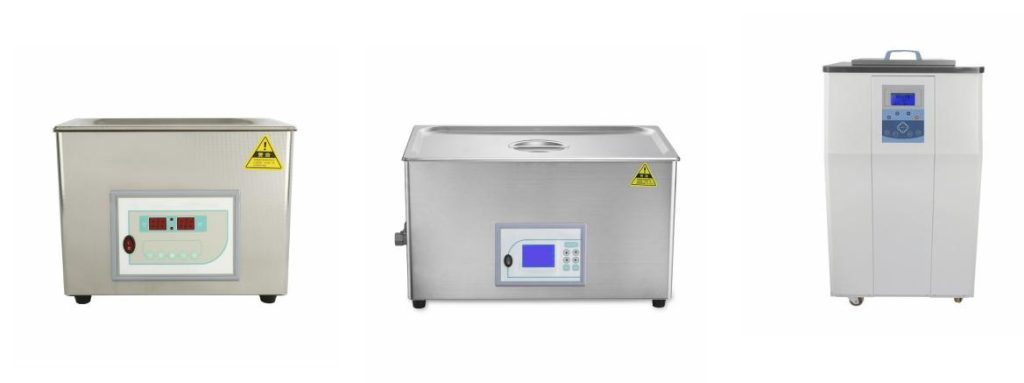
Choosing the Best Ultrasonic Cleaner for Delicate Items
Ultrasonic cleaners are renowned for their ability to deliver deep, gentle cleaning for a wide range of items. For delicate pieces, this cleaning method offers significant benefits by providing a thorough clean without abrasive scrubbing. Delicate items often have complex structures…
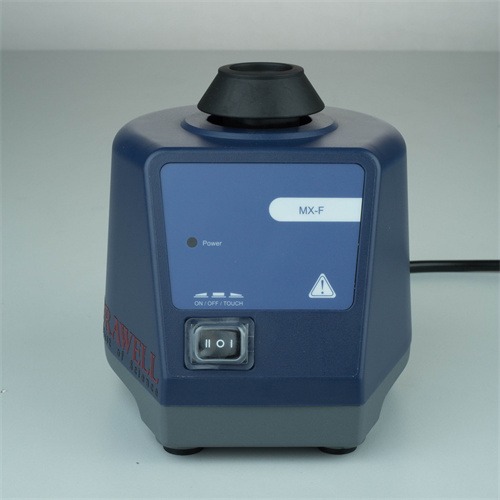
Comparison of Orbital Shaker vs. Vortex Mixer in Laboratory Settings
In laboratory environments, achieving proper mixing of substances is crucial for obtaining accurate and reproducible results. Two commonly used laboratory mixing instruments are orbital shakers and vortex mixers, both designed to agitate liquids and solids. While they share a common purpose,…
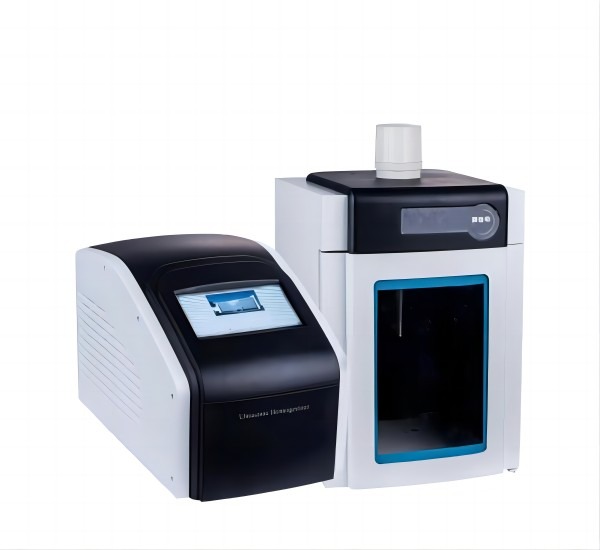
What Do Ultrasonic Homogenizers Do in the Laboratory
Ultrasonic homogenizers, also known as sonicators, play a pivotal role in modern laboratories by enabling precise homogenization of samples. This equipment uses ultrasonic waves to break down and disperse particles at the microscopic level, achieving a high degree of uniformity…
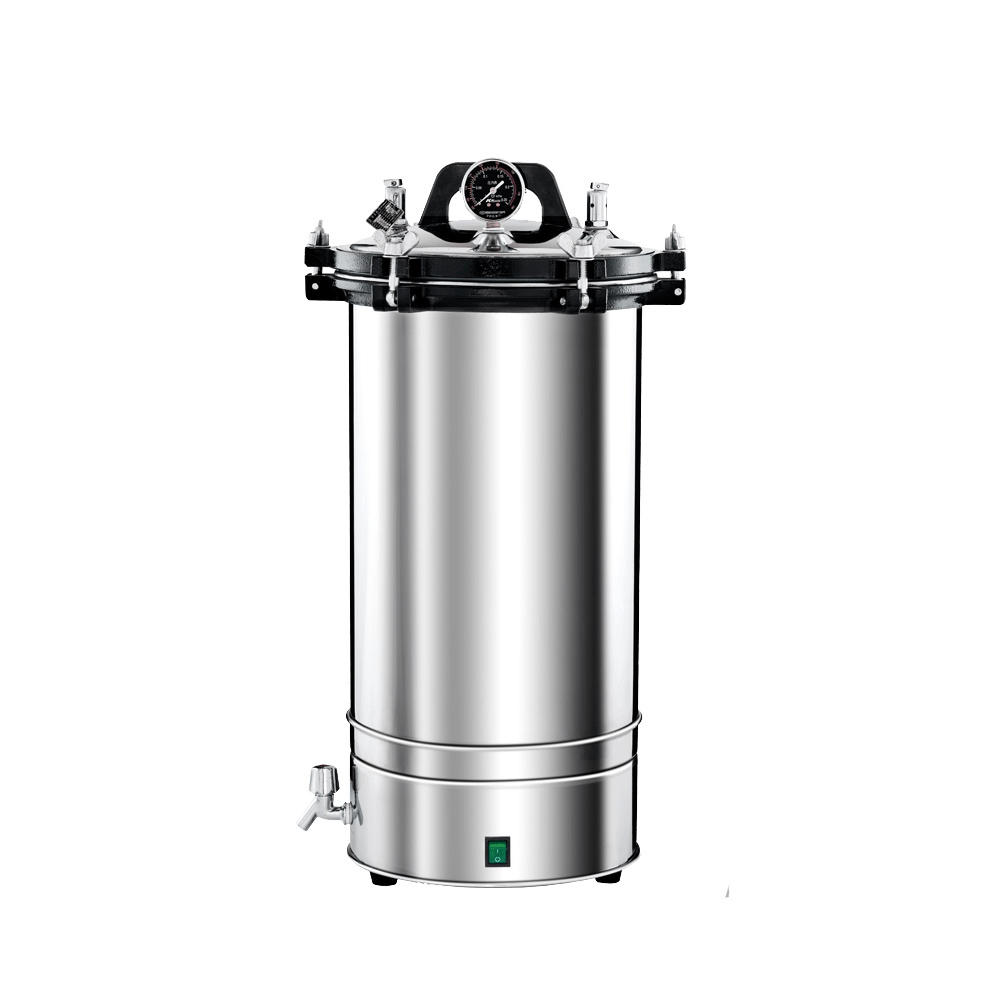
How to Monitor a Steam Autoclave Effectively
Monitoring a steam autoclave is essential to ensure effective sterilization and compliance with safety standards. Proper monitoring helps confirm that the autoclave reaches the required temperature, pressure, and time parameters to sterilize equipment and materials thoroughly. This article focuses on how to…
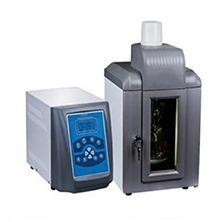
How to Troubleshoot Common Faults with a Ultrasonic Homogenizer
Ultrasonic homogenizers, used in laboratories and industry for cell disruption, nanoparticle dispersion, and other applications, are essential for efficiently breaking down particles and mixing substances. Like any equipment, a ultrasonic homogenizer may encounter technical issues that can disrupt laboratory work or…
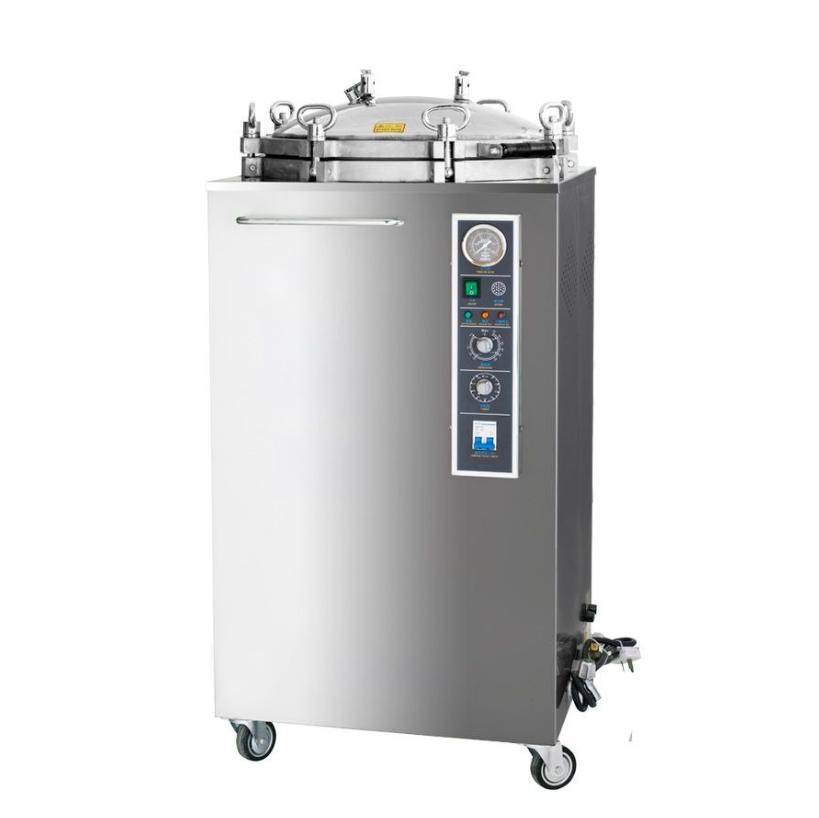
What Instruments that Can and Can’t Go into an Autoclave
Autoclaving is a critical sterilization process used in healthcare, laboratories, and various industrial settings to eliminate all forms of microbial life. However, not all instruments can withstand the intense heat, steam, and pressure of an autoclave. Here’s an overview of…
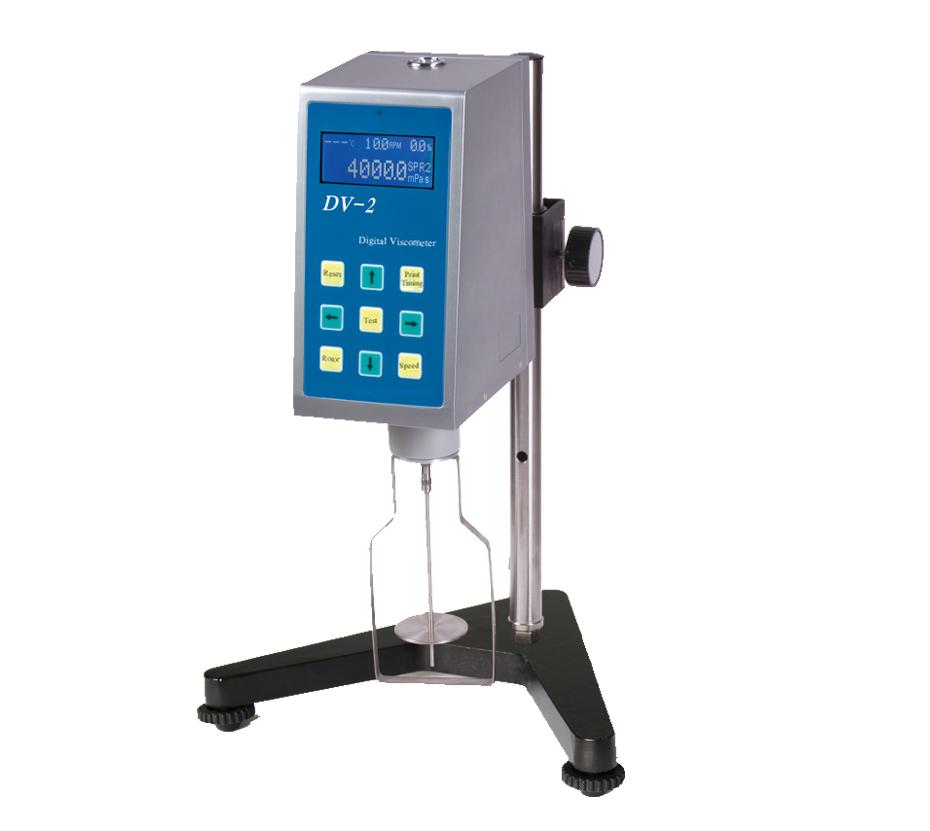
What are Common Types of Rotational Viscometers: Which One Fits Your Testing Needs
Viscosity, a measure of a fluid’s resistance to flow, is a critical property in various industries, including food, pharmaceuticals, cosmetics, and oil and gas. Rotational viscometers are a versatile tool for measuring the viscosity of fluids. They work by applying rotational…

How to Achieve Precision Temperature Control in Water Baths
Precision temperature control in a water bath is essential for a wide array of laboratory applications, ensuring consistent and accurate results. In processes where even slight temperature variations can affect outcomes, maintaining precise thermal stability is critical. Water baths with advanced…
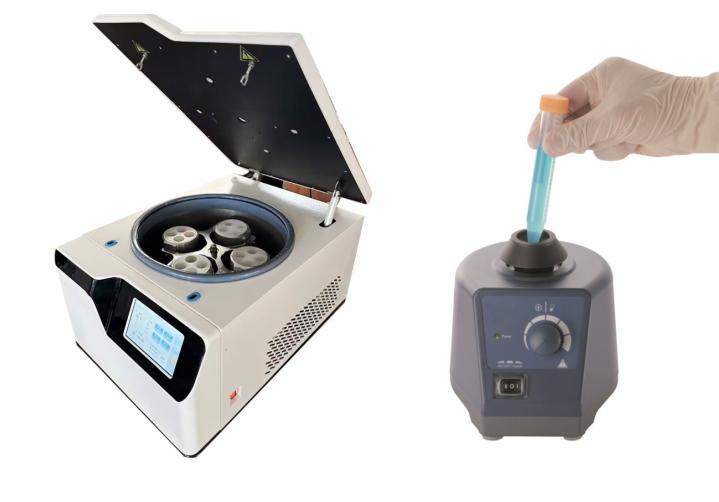
Mix or Separate? Comparing Vortex Mixers vs. Centrifuges for Lab Efficiency
In laboratories, efficiency often hinges on choosing the right tools for specific processes. Among essential lab equipment, vortex mixers and centrifuges play critical roles, though they serve vastly different purposes. While vortex mixers are used to mix or blend small liquid…
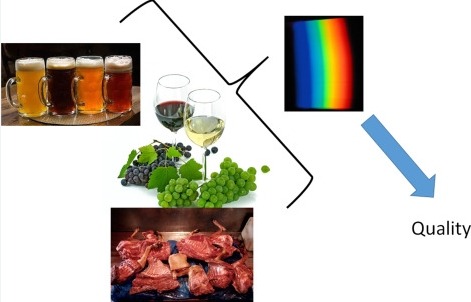
How UV-Vis spectrophotometer Contributes to the Food Inspection
The growing demand for food safety and quality has driven the adoption of advanced analytical techniques to ensure products meet regulatory standards. UV-Vis spectrophotometer adopting ultraviolet (UV) and visible (Vis) light, allows for the precise analysis of a wide range of food…
Browse by category:


