



Blog
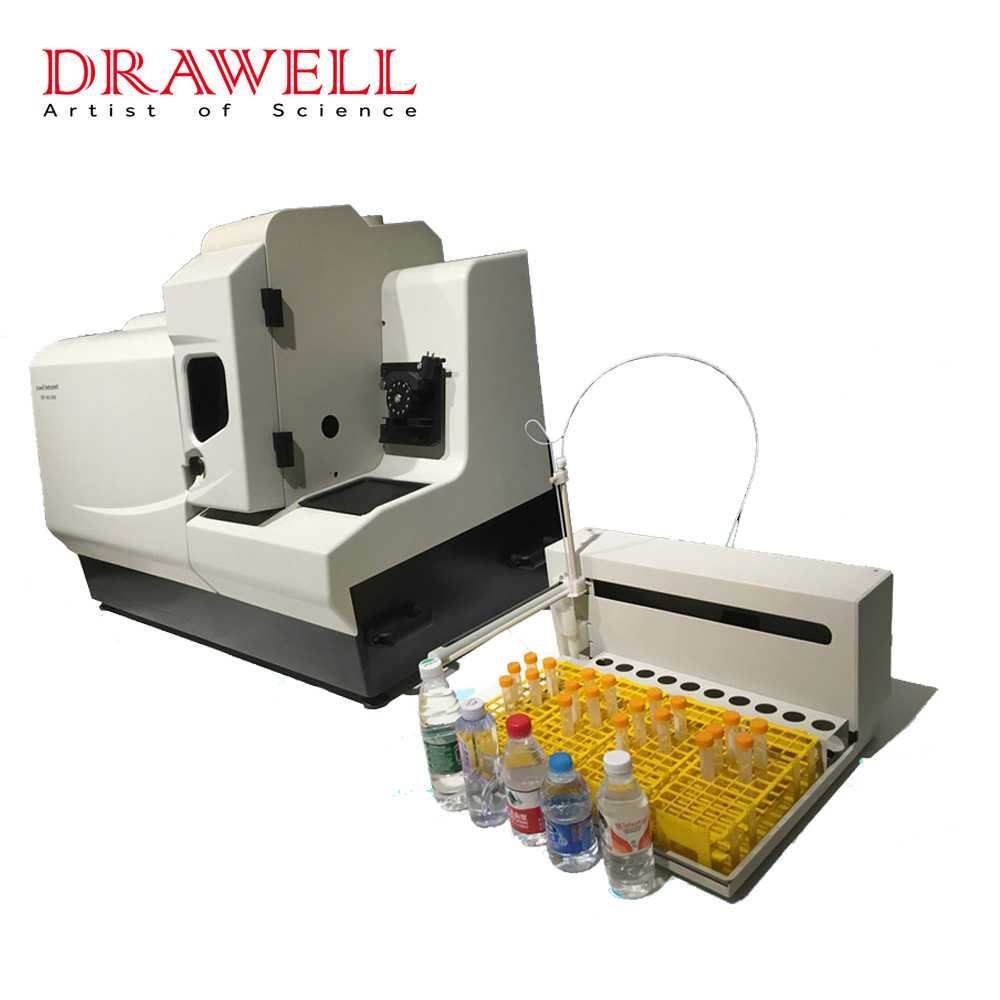
ICP-MS Sample Preparation: What You Need to Know
ICP-MS (Inductively Coupled Plasma Mass Spectrometry) is a highly sensitive analytical technique that can detect and quantify a variety of elements with a detection limit as low as ppt (parts per trillion). It is widely used in many fields such…
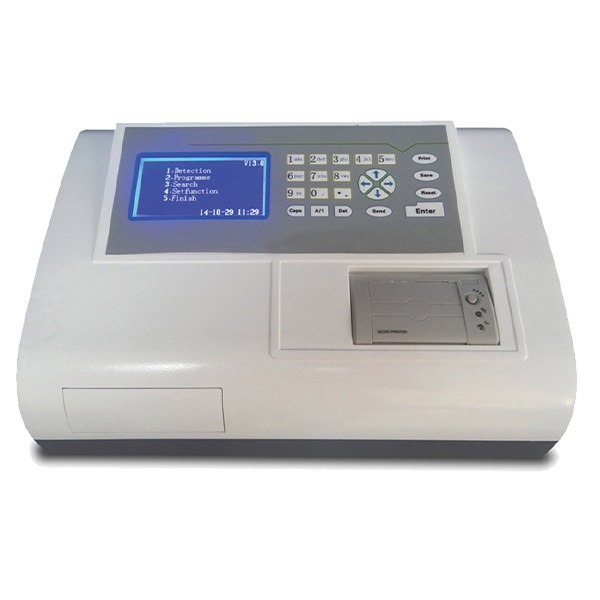
Why High-throughput Screening in ELISA Microplate Readers is Critical
ELISA microplate reader is designed to measure absorbance, fluorescence, or luminescence signals in microplate-based assays. One of the major advancements in modern ELISA testing is high-throughput screening, which dramatically increases the speed, efficiency, and scalability of biological assays. This article focuses on how high-throughput…
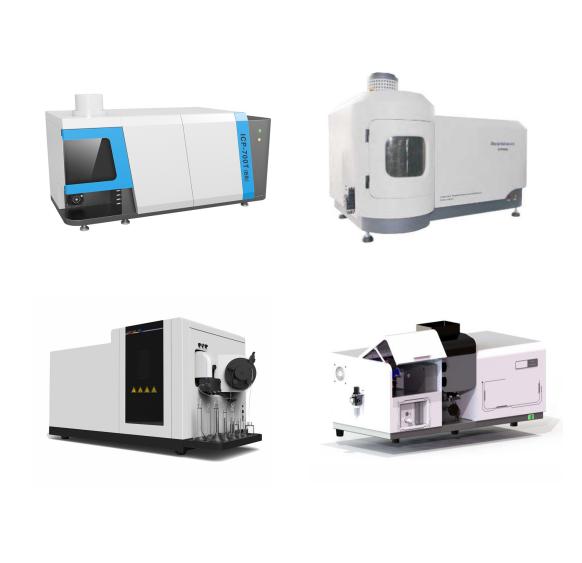
Lab Spectrometer Comparison: When to Choose ICP-AES, ICP-OES, ICP-MS, or AAS
Spectroscopy, the study of the interaction between matter and electromagnetic radiation, is a fundamental technique in analytical chemistry. It enables scientists to identify and quantify elements within a sample, making it invaluable across various industries, from environmental monitoring to pharmaceutical research…
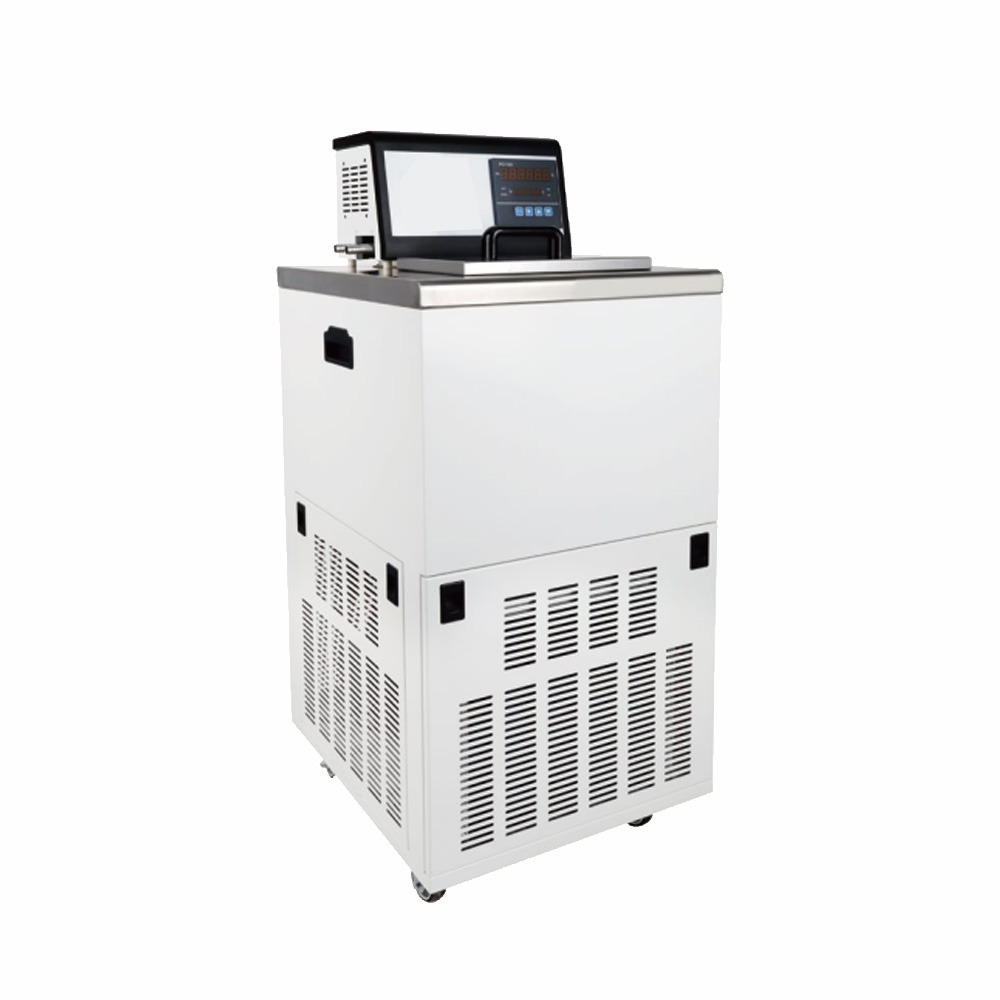
What Enables Rapid Heating and Cooling in Water Baths
Water baths are indispensable in laboratories, providing a controlled environment for heating, cooling and maintaining temperatures essential for various scientific and industrial processes. The advancement of rapid heating and cooling technologies has greatly enhanced their functionality, making them more efficient and versatile. This…
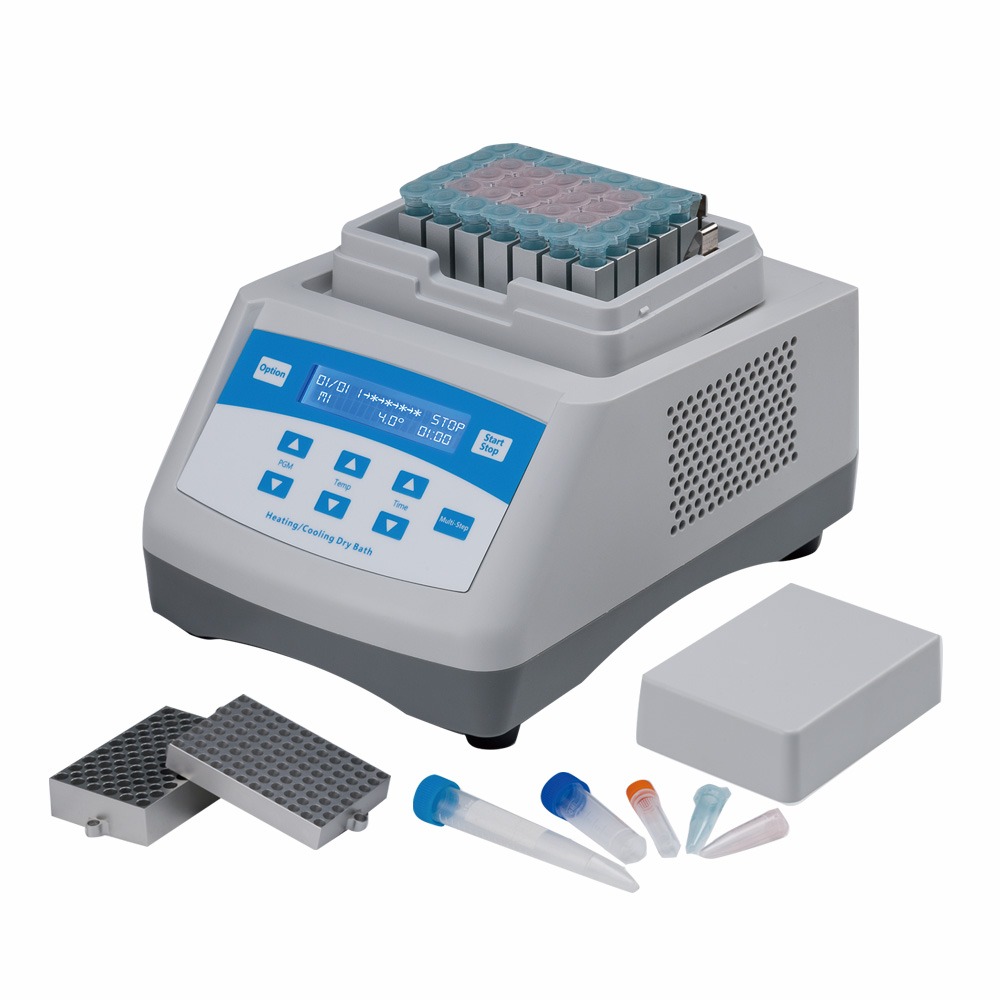
5 Reasons to Choose Dry Bath Incubators Rather than Traditional Water Baths
In laboratory settings, precise temperature control is crucial for many experiments and procedures. While traditional water baths have long been a staple in laboratories, dry bath incubators are rapidly gaining popularity due to their numerous advantages. Here we explore five key reasons…
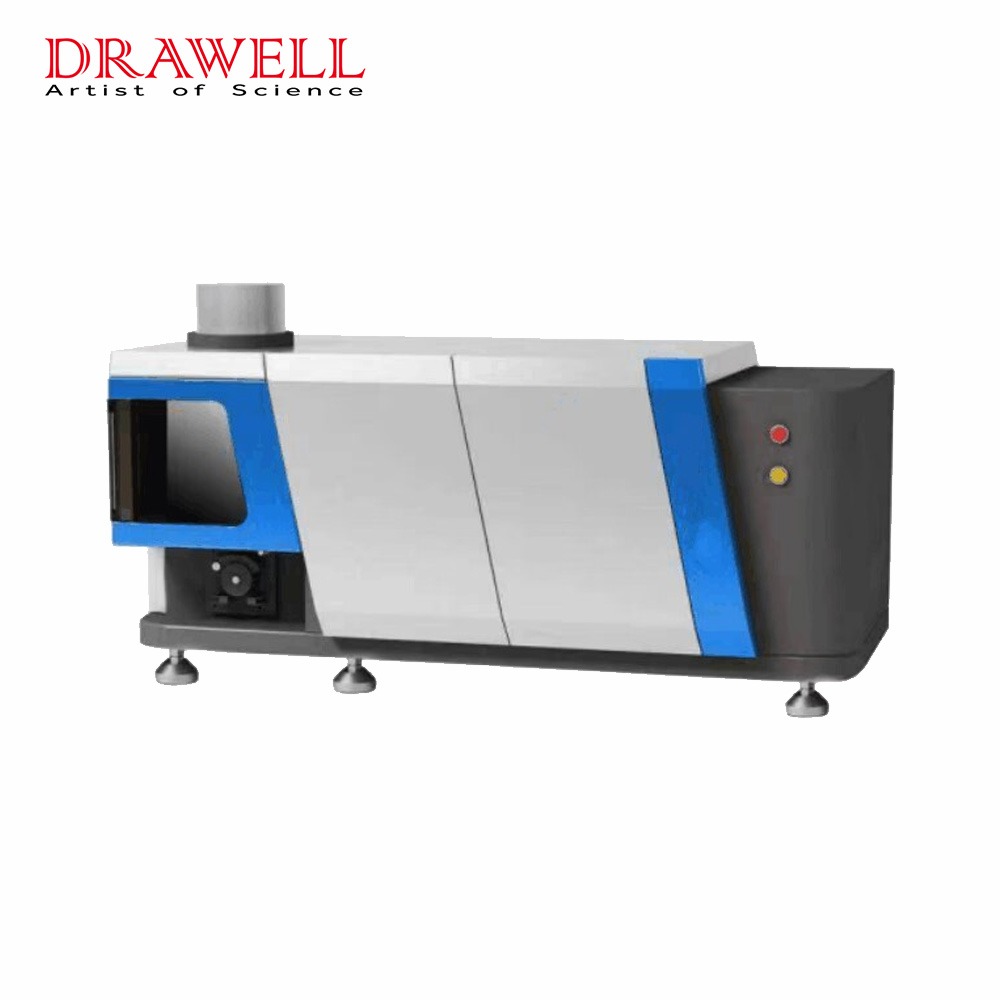
How ICP-AES Benefits the Metallurgical Industry
The metallurgical industry is critical for developing and producing materials that support various industries, including construction, transportation, and electronics. At the heart of this industry lies the need for precise elemental analysis to ensure material quality, performance, and compliance with…
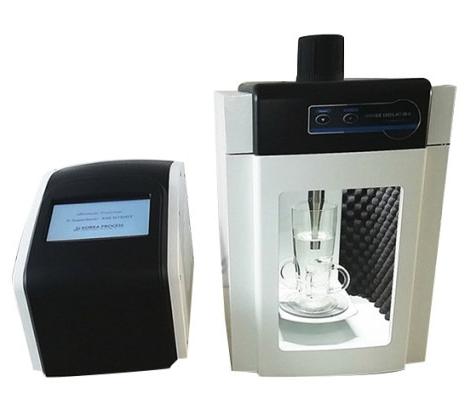
How to Use Ultrasonic Homogenizers: A Detailed Step-by-step Guide
Ultrasonic homogenizers are powerful tools widely used in laboratories and industries for tasks such as emulsification, cell disruption and nanoparticle dispersion. To maximize their benefits, it’s essential to understand how to use them effectively. This article will outline best practices, safety tips,…
Top 10 Uses of Digital Orbital Shakers in Laboratory
Digital orbital shakers are essential pieces of laboratory equipment that provide consistent, controlled, and gentle mixing for various applications. Unlike traditional shakers, digital orbital shakers offer precise control over speed, time, and movement patterns, making them indispensable across numerous scientific disciplines, from…
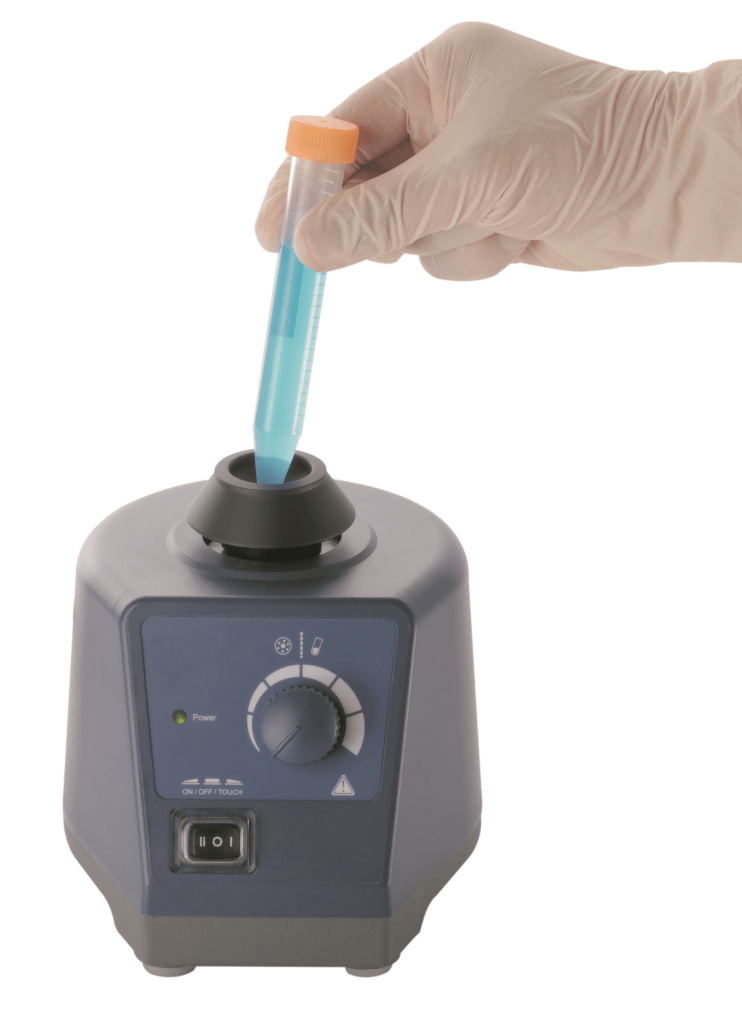
How Vortex Mixers Work for Sensitive Sample Handling in Biochemistry and Molecular Biology
For biochemistry and molecular biology, precise sample handling is crucial for ensuring reliable results and maintaining the integrity of experiments. Vortex mixers are essential tools in these fields, known for their ability to mix small liquid samples efficiently. This article delves into…
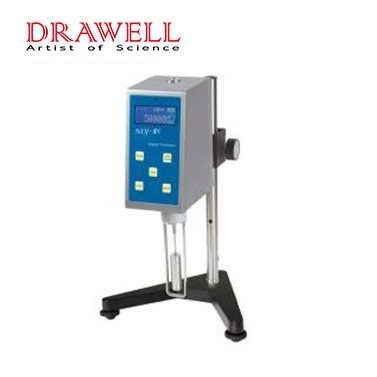
How to Use the Rotational Viscometer
Rotational viscometers are essential tools in laboratories and industries. Understanding viscosity—the resistance of a fluid to flow—helps in evaluating product consistency, quality, and performance. Learning to use a rotational viscometer is vital for anyone involved in product formulation, quality assurance, or…
Browse by category:


