

PCR

PCR
Drawell provides standard thermal cyclers, gradient thermal cyclers and real-time quantitative PCR systems for routine amplification, PCR condition optimization, fluorescence-based quantification and multiplex detection. The range covers portable small-batch systems through 96-well laboratory platforms for different throughput and workflow requirements.
Polymerase Chain Reaction (PCR) machine are equipped with precise temperature control, rapid heating and cooling rates, and user-friendly interfaces. They are widely used in various fields, including molecular biology, genetics, forensic science, and medical diagnostics.
4 Types of PCR Instruments
PCR instrument is also called gene amplification instrument, generally divided into four types: ordinary basic PCR instrument, gradient PCR instrument, real-time fluorescent quantitative PCR instrument, and in-situ PCR instrument.
Ordinary PCR instrument Refers to a PCR instrument that can only run a specific annealing temperature for a PCR amplification
Gradient PCR instrument means that a series of different annealing temperature conditions (usually 12 temperature gradients) can be set for one-time PCR amplification.
In situ PCR instrument is an intracellular gene amplification instrument used to analyze the location of target DNA in the cell.
Fuorescence quantitative PCR instrument is based on the design of a common PCR instrument that adds a fluorescent signal excitation and acquisition system and a computer analysis and processing system to form an instrument with a fluorescent quantitative PCR function.
Choose by PCR System Type
For routine PCR amplification when gradient optimization or real-time fluorescence detection is not required.
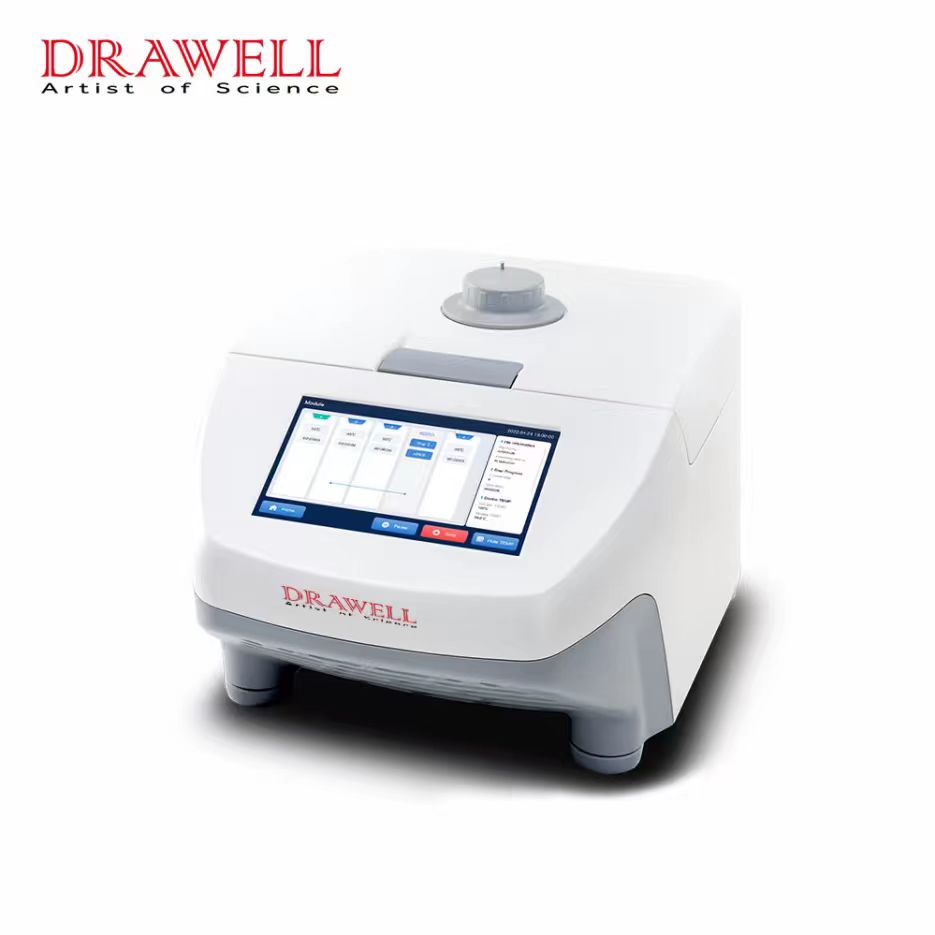
TC1000-S+ Thermal Cycler Standard
• 5°C/sec
• ±0.1°C Control Accuracy
• ±0.2°C Uniformity
For PCR method development and experiments requiring different annealing temperatures or more flexible thermal optimization.

TC1000-G-Pro PCR Thermal Cycler Gradient
• 5°C/sec
• 1–42°C Span
• 30–105°C Gradient
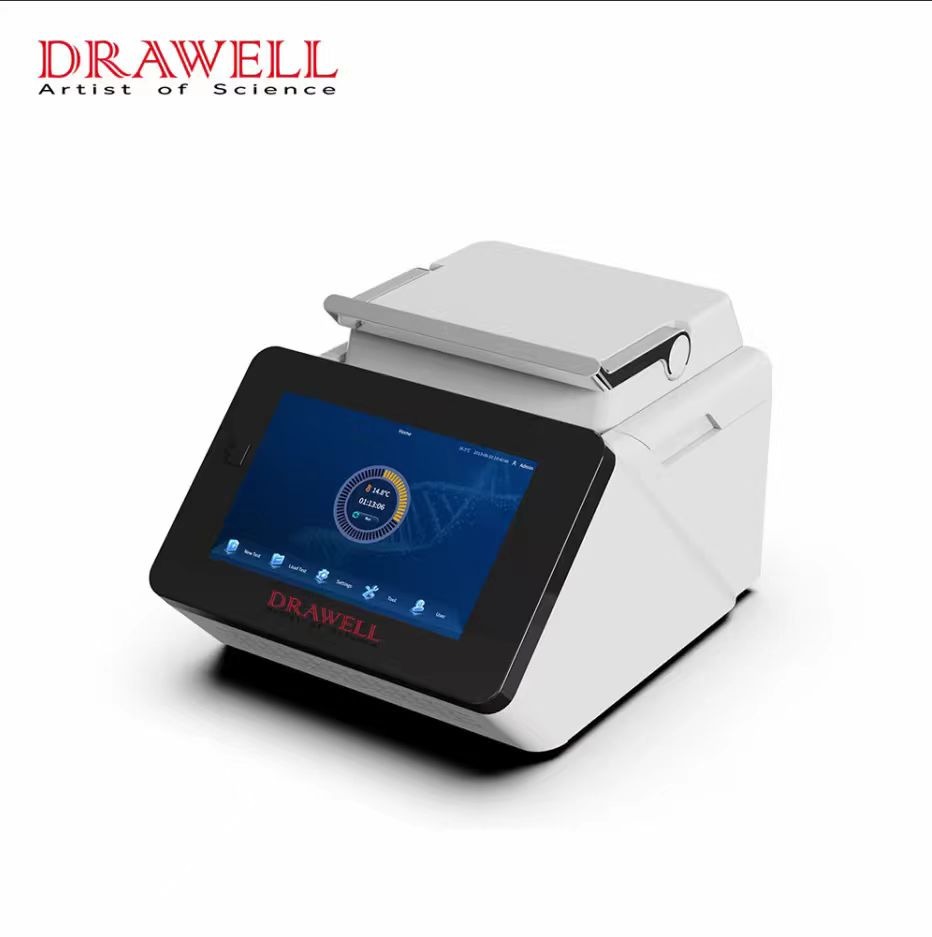
TC2000-G1/G2/G3 Thermal Cycler Gradient
• 5°C/sec
• 30–105°C Gradient
• 1 / 2 / 3 Fluorescence Channels
For fluorescence monitoring, quantitative analysis, multiplex detection, genotyping and melt-curve workflows.
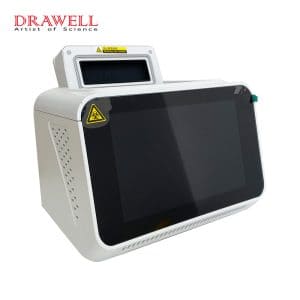
Portable Real-Time PCR System Gentier-Mini
• 3.2 kg
• 2 Fluorescence Channels
• 1-Second Fluorescence Scan
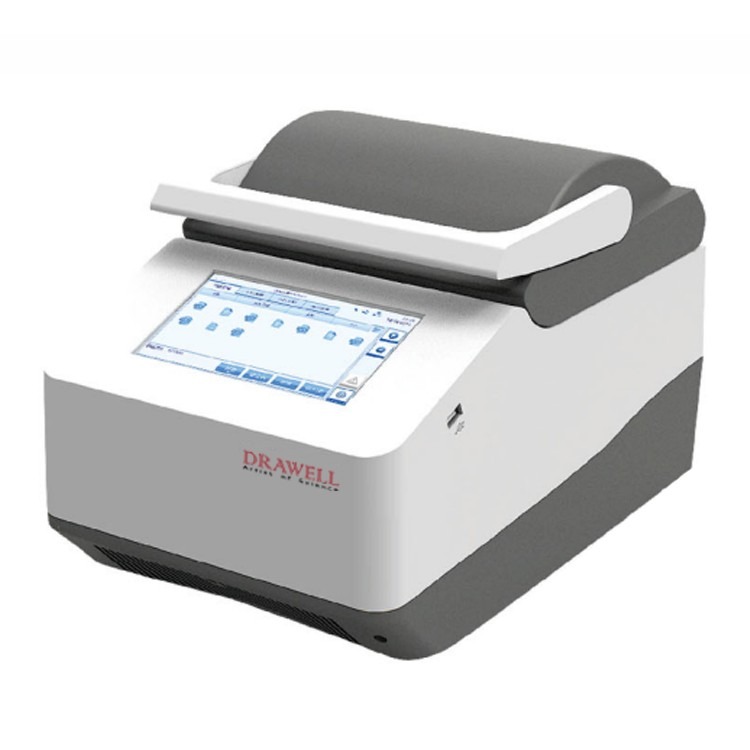
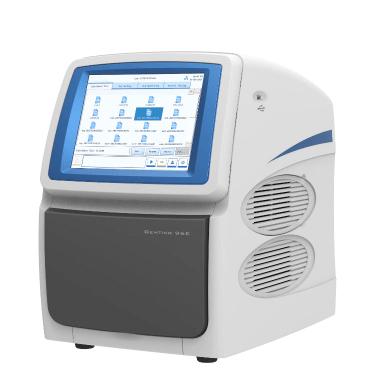
Gentier 48E Real-time PCR System
• 10¹–10¹⁰ Copies
• 4 Fluorescence Channels
• 2-Second Full-Plate Scan
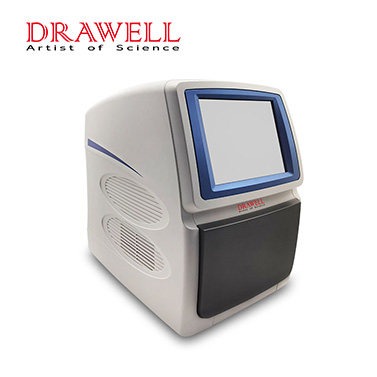
Gentier 96 Real-Time Quantitative PCR
• >6.1°C/sec
• 10¹- 10¹⁰ Copies
• 6 / 4 Fluorescence Channels
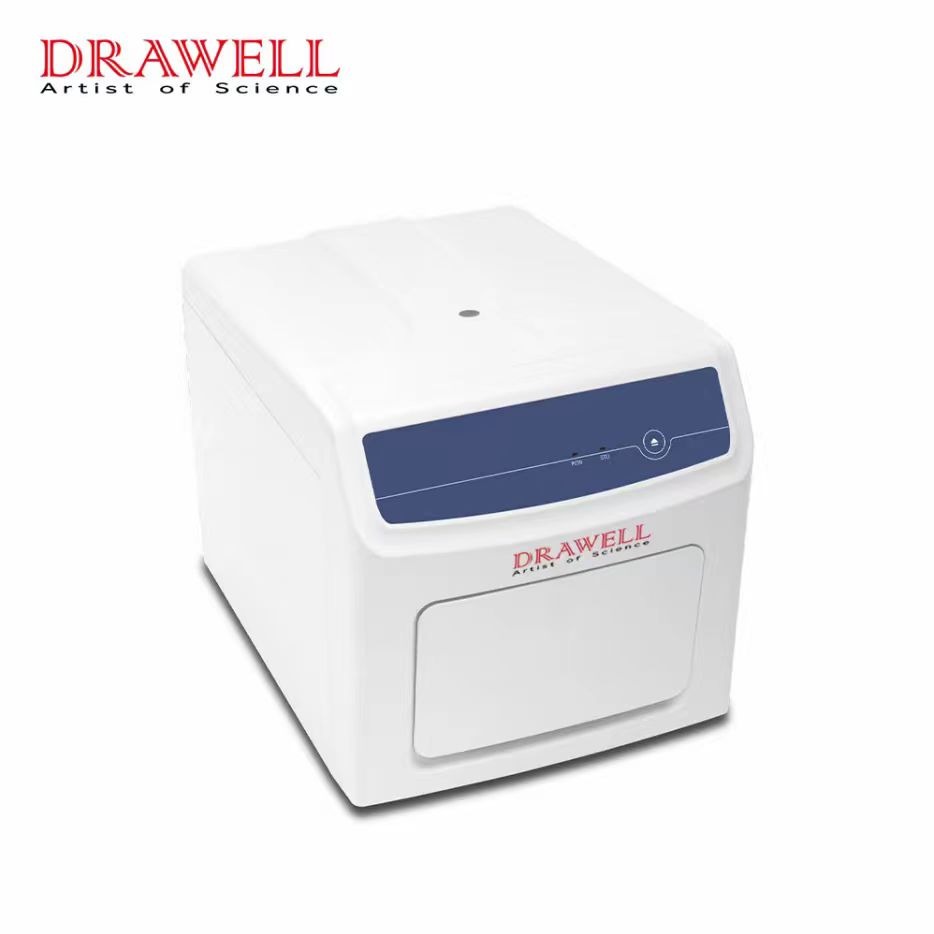
Accurate 96 Real-Time PCR System
• 6.0°C/sec
• 4 / 6 Channels
• Single-Copy Gene Sensitivity
Applications of PCR
The application range of PCR instruments is very wide. Almost all life science fields are involved: food testing, clinical testing, disease control, inspection and quarantine, scientific research laboratories, food safety, cosmetics testing, environmental sanitation, etc.
- Basic nucleic acid research;
- Sequence analysis;
- Evolutionary analysis;
- Detect gene expression;
- Amplify the specific sequence from the cDNA library;
- Study the neighboring genes of known fragments or unknown DNA fragments.

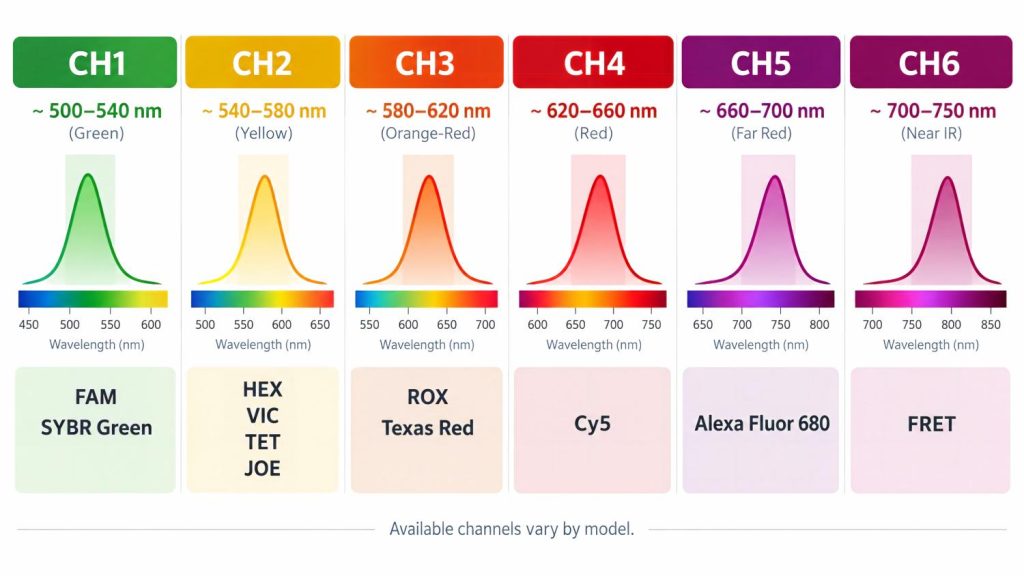
Check Your Fluorescent Dyes Before Ordering
PCR vs Real-Time PCR: Which System Do You Need?
| Requirement | Thermal Cycler PCR | Real-Time PCR / qPCR |
| DNA Amplification | Yes | Yes |
| Real-Time Fluorescence Monitoring | No | Yes |
| Quantitative Analysis | No direct real-time quantification | Yes |
| Multiplex Fluorescence Detection | No | Model-dependent |
| Gradient Optimization | Selected models | Selected models |
| Typical Choice | TC1000 / TC2000 Series | Gentier / Accurate Series |
Choose a thermal cycler for routine amplification or PCR condition optimization. Choose a real-time PCR system when fluorescence monitoring, quantitative analysis or multiplex detection is required.
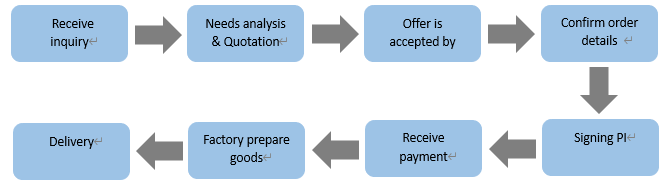
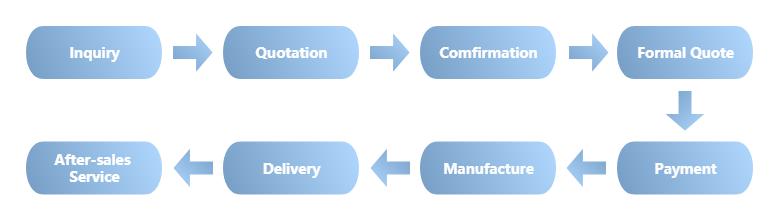
Order Process of PCR