



Blog
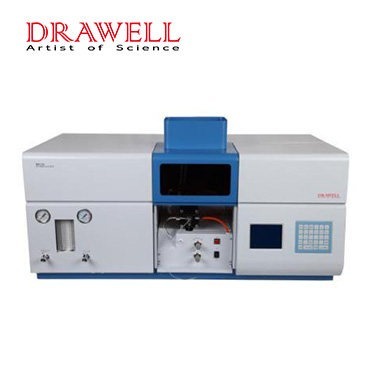
The Application of Atomic Absorption Spectrophotometer in Pharmaceutical Analysis
Accurate and precise Pharmaceutical analysis methods are essential for detecting impurities, quantifying active ingredients, and ensuring compliance with regulatory standards. Among the various analytical techniques, the Atomic Absorption Spectrophotometer (AAS) stands out for its sensitivity and specificity in detecting and…
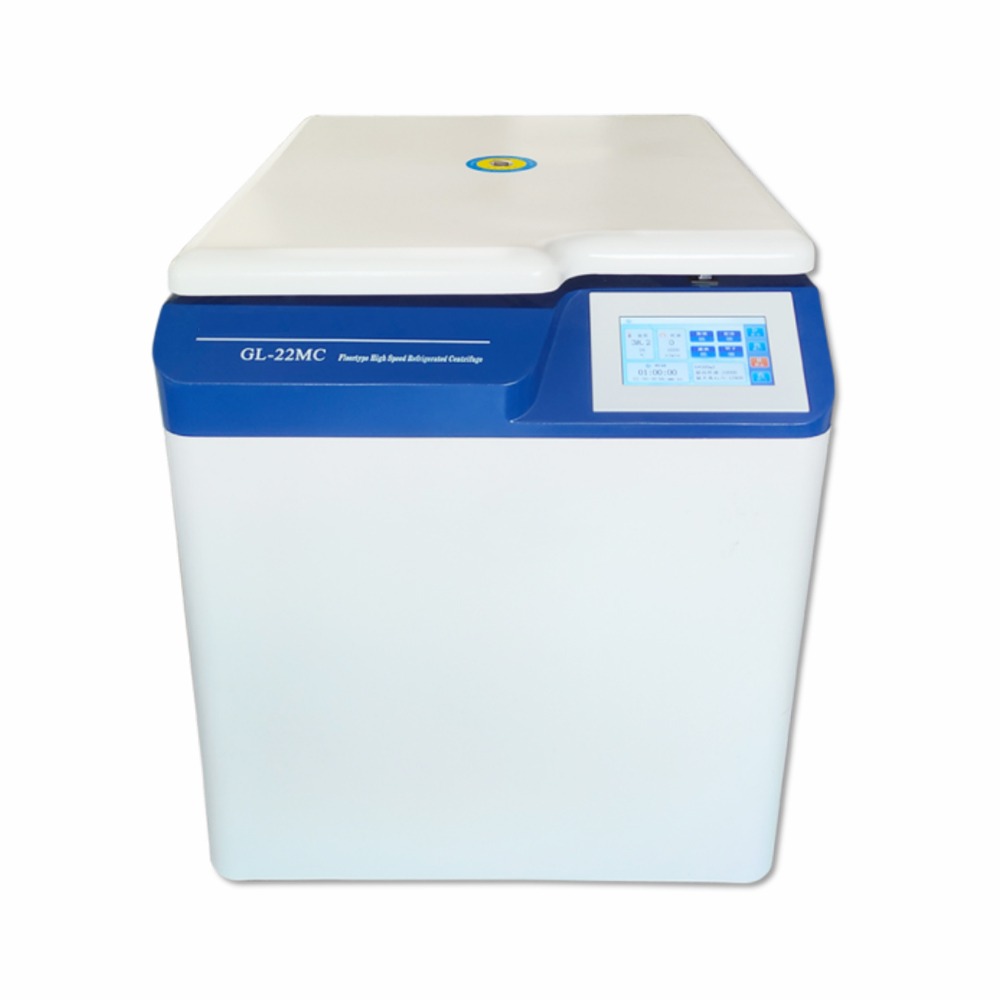
Effective Strategies for Noise Reduction and Vibration Control in Floor Centrifuges
Floor centrifuges are essential instruments in laboratories and industrial settings, utilized for separating substances of different densities through high-speed spinning. However, the high-speed operation of floor centrifuges often leads to significant noise and vibration, which can impact the accuracy of results, safety,…
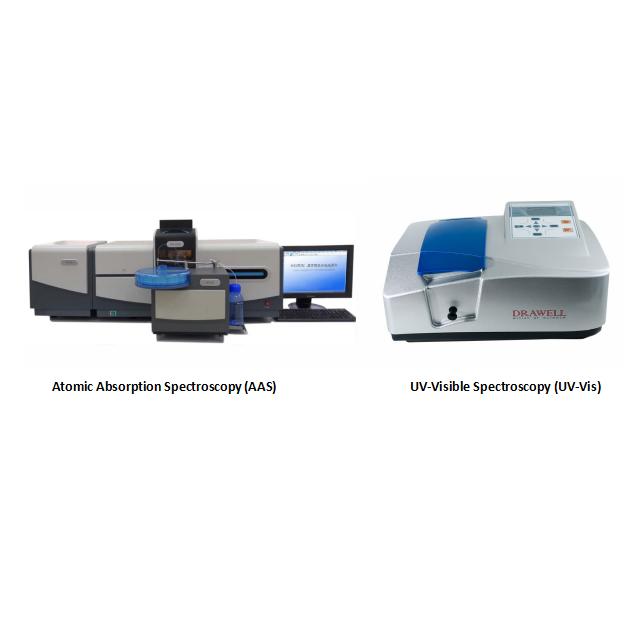
AAS vs. UV-Vis: Which Technique is Right for Your Sample
In the realm of analytical chemistry, selecting the right spectroscopic technique is paramount for obtaining accurate and reliable data. Atomic Absorption Spectroscopy (AAS) and UV-Visible Spectroscopy (UV-Vis) are two widely used methods, each with distinct advantages and limitations. This article aims to…
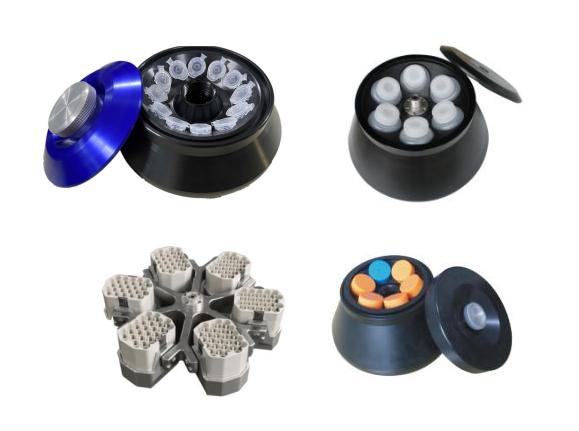
How Centrifuge Rotor Selection Affects Centrifugal Effect
Centrifugation is a critical technique in various scientific and industrial processes, employed to separate components based on density differences. A crucial element in this process is the centrifuge rotor, which directly impacts the centrifugal force exerted on the sample. The…
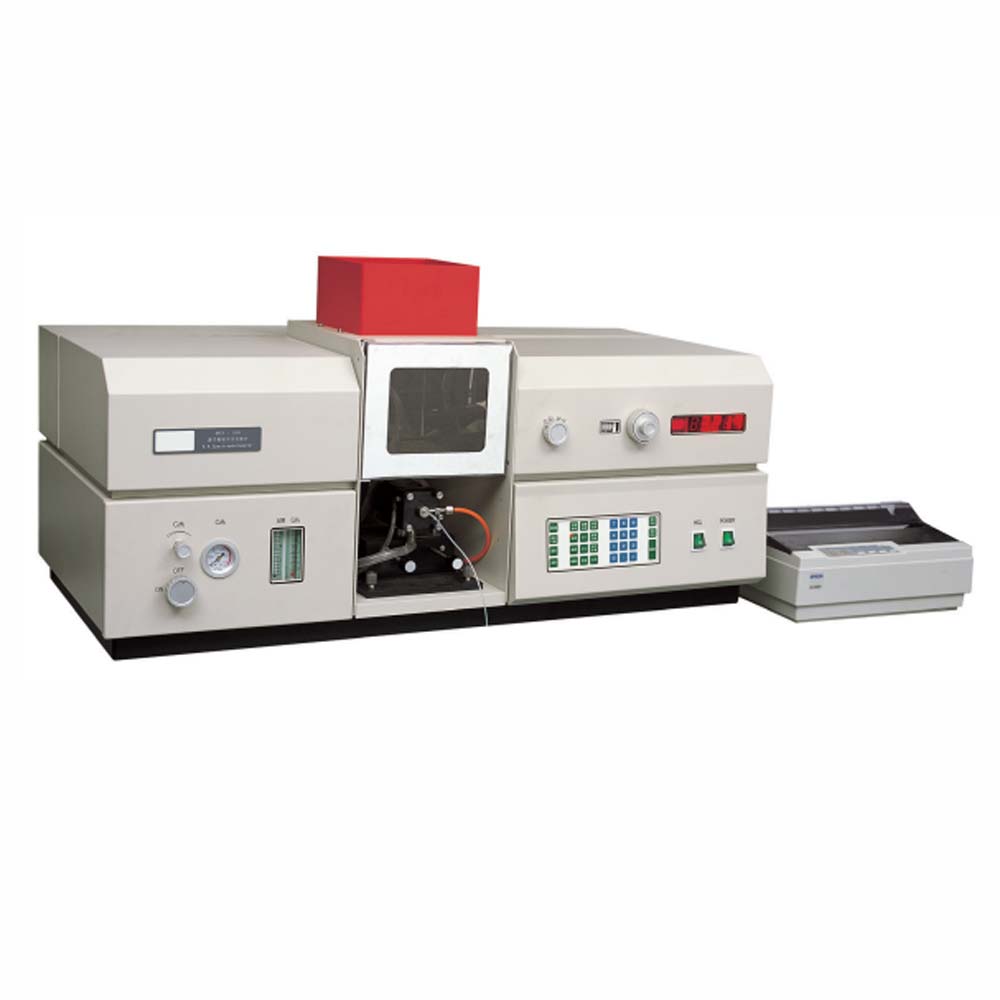
How to Enhance the Detection Limits of Atomic Absorption Spectrophotometry?
Atomic Absorption Spectrophotometry (AAS) is a critical tool in analytical chemistry for quantifying trace elements in diverse samples. Recent advancements have significantly enhanced detection limits of Atomic Absorption Spectrophotometry, enabling more sensitive and accurate measurements. This article delves into the key innovations…
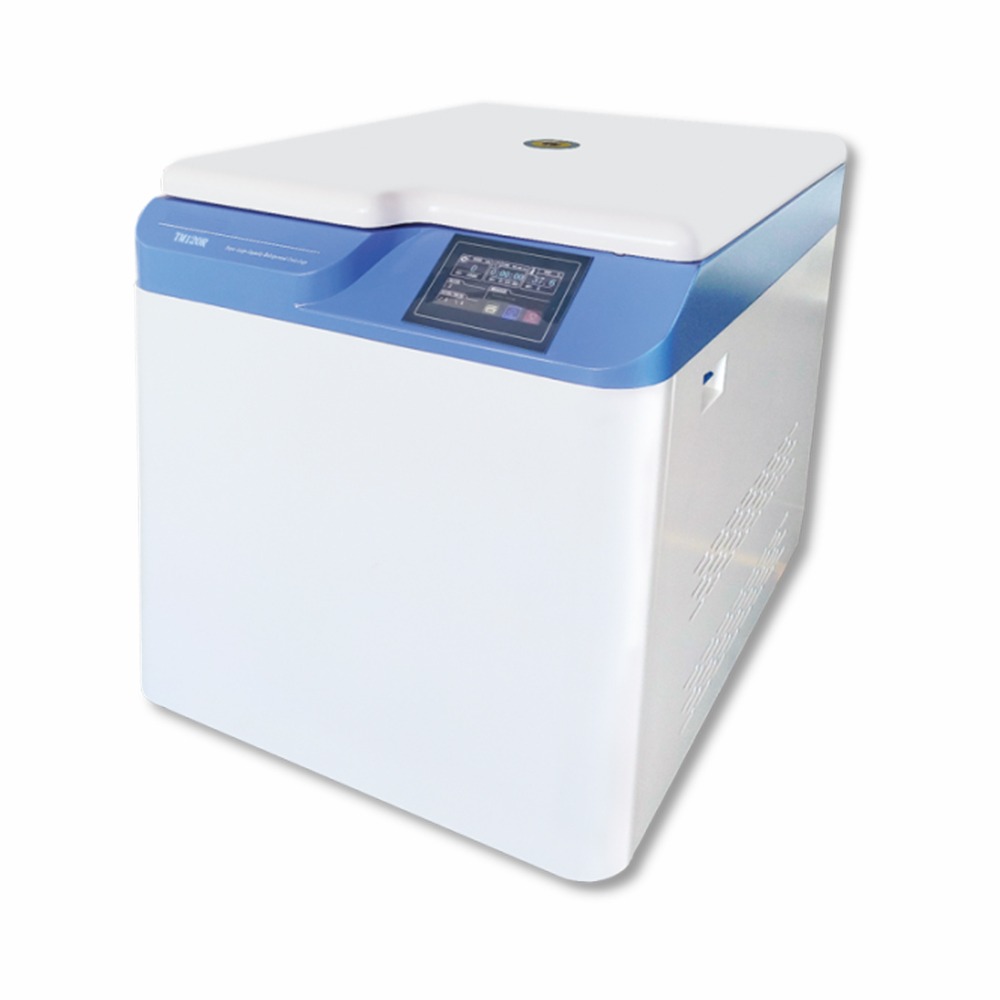
How to Use Automated High-speed Centrifuges Efficiently in Laboratory Workflows
The landscape of laboratory technology is being reshaped by the advent of automation and seamless workflow integration, particularly in the realm of high-speed centrifuges. These advancements are not only enhancing the efficiency and accuracy of laboratory operations but also significantly boosting…
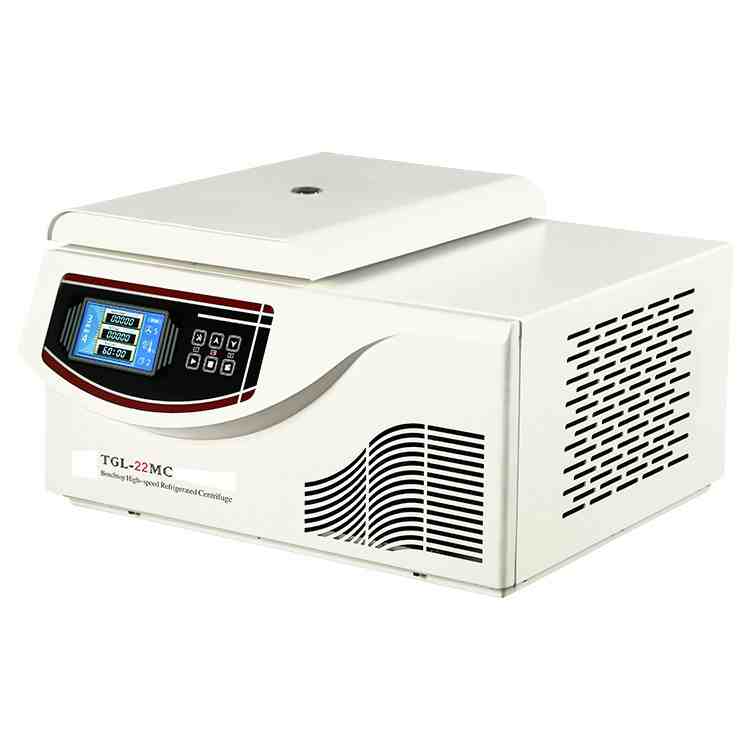
How Do Compact and Portable Refrigerated Centrifuges Contribute to Lab Efficiency
Traditionally, refrigerated centrifuges have been large and stationary, posing challenges in terms of space and mobility. However, recent advancements have led to the development of compact and portable designs, making refrigerated centrifuges more versatile and accessible. This article explores the necessity, benefits and applications of compact and…
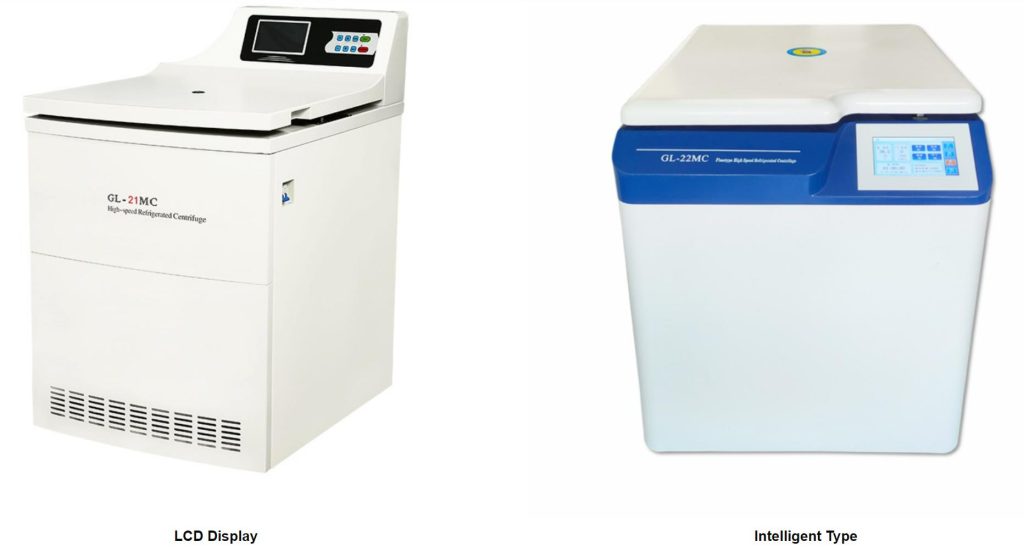
How to Choose the Right Floor Standing Centrifuge for Your Lab
A floor-standing centrifuge is a powerful laboratory instrument that separates mixtures using centrifugal force. Floor-standing models centrifuges are larger and more powerful than benchtop centrifuges, making them ideal for processing larger volumes or samples requiring very high speeds. Choosing the right…
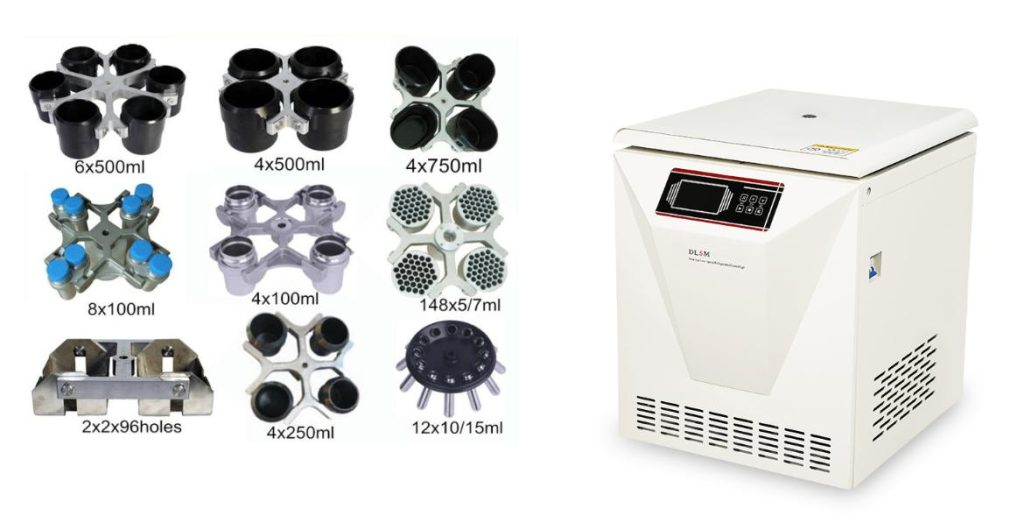
Refrigeration Meets Centrifugation: A Look at Lab Refrigerated Centrifuge Working Principle
Centrifugation is a fundamental technique used in laboratories to separate substances based on their densities. As laboratory science evolves, the need for precision and efficiency grows, giving rise to sophisticated equipment such as the laboratory refrigerated centrifuge. This technology combines…
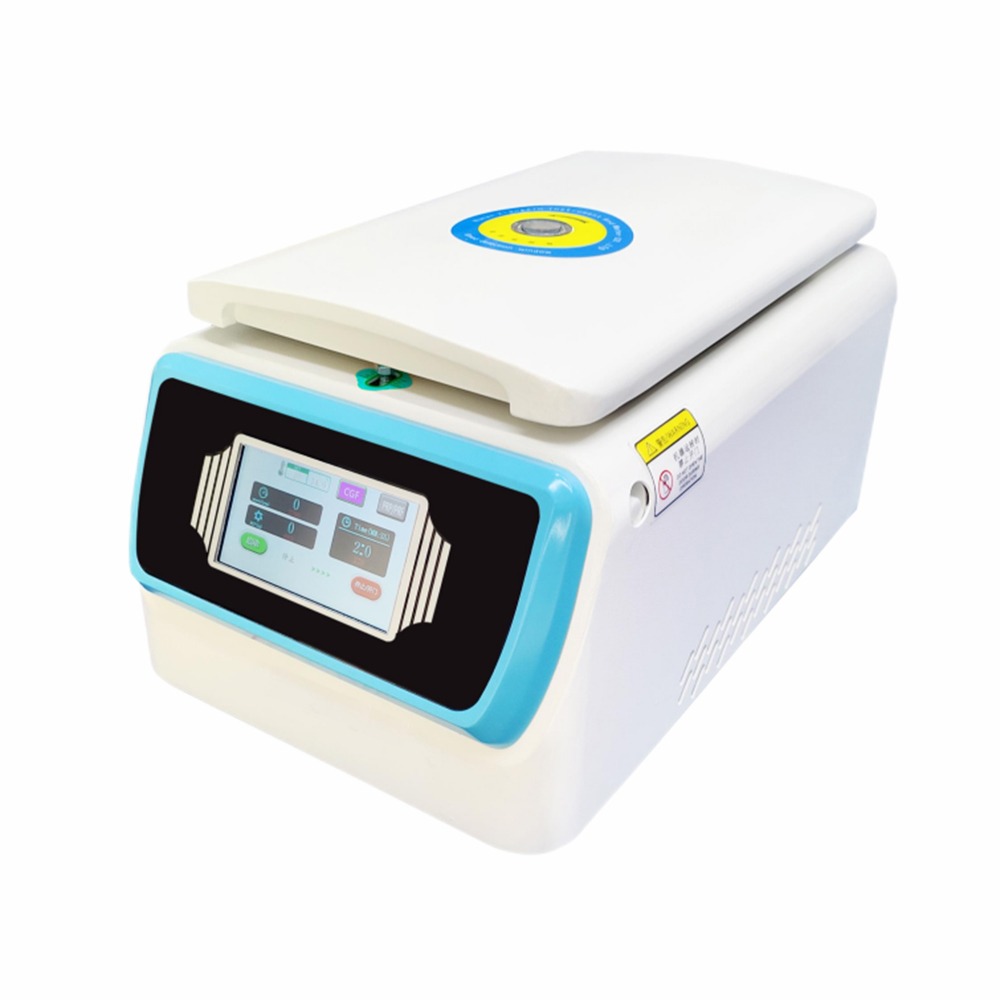
The Role of Refrigerated Centrifuges in Cryogenic and Ultra-Low Temperature Centrifugation
Cryogenic and ultra-low temperature centrifugation are cutting-edge techniques essential for the preservation and separation of sensitive biological and chemical samples. Utilizing refrigerated centrifuges, these methods maintain extremely low temperatures during high-speed centrifugation to protect the integrity of delicate molecules and…
Browse by category:


