


Gas chromatography in forensics is used to separate and analyze chemical compounds found in evidence collected during criminal investigations. GC helps forensic labs analyse things that might not be visually identifiable on their own: everything from fire debris to suspected drugs to biological samples for toxicity testing.
In forensic and medicolegal investigations, physical evidence obtained from crime scenes frequently comprises a number of chemical components that cannot be differentiated by the human eye. The main function of gas chromatography (GC) is to extract the target molecules from complex mixtures and provide a basis for future detection and analysis. Depending on the detection target and the instrument design, GC can be utilised with a detector such as flame ionisation detector (FID) for quantitative analysis or paired with a mass spectrometer (MS) to use mass spectral data to help identify target components in complicated samples.
How Is Gas Chromatography Used in Forensic Science?
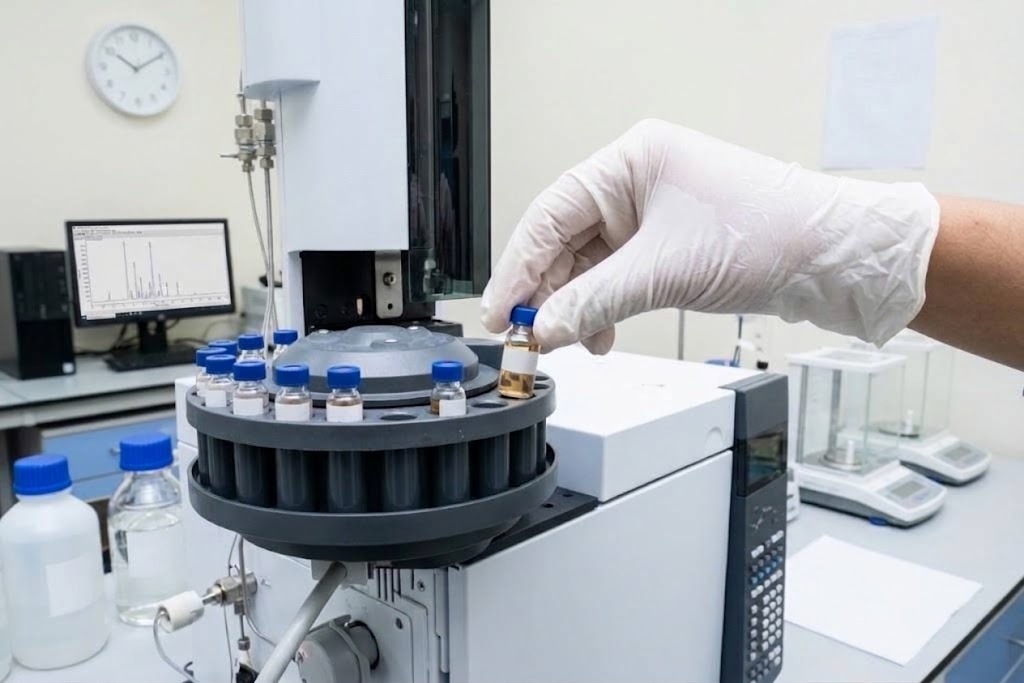
To answer the question, ““How is gas chromatography used in forensic science?””, analysts and laboratory managers need to learn a rigorous analytical procedure from sample extraction to data interpretation.
Basic principles of gas chromatography: The basic principles of gas chromatography are that the fundamental process of separation is due to the interaction between the sample components and the stationary phase of the chromatographic column. The different compounds elute from the column at different speeds.
A typical analytical workflow in a forensic testing laboratory usually includes the following five steps:
Receive evidence. Collect fire debris, biological samples (e.g., blood or urine), or suspected drug powders from the scene of the incident.
Sample preparation: Select a suitable treatment process (extraction, cleanup or sampling by headspace) depending on the nature of the evidence for the purpose of removing the target substances and minimizing the effect of interfering matrices.
Gas Chromatographic Resolution: The processed sample is injected into the chromatographic column and carried by the carrier gas (mobile phase). The compounds in the mixture have distinct interactions with the stationary phase and varying speeds. Thus they are separated from one another.
Detection and Data Gathering: The individual components from the separation step are then put into a detector (FID or ECD for example) or directly into a mass spectrometer (MS). The detector converts the chemical components to electrical impulses or mass spectral data.
Data Interpretation and Reporting: Analysts interpret chromatographic retention times, comparison with reference standards and, if necessary, mass spectral library matching to undertake qualitative or quantitative analysis of target compounds and arrange analytical results and issue test reports according to laboratory quality control procedures.
Common Applications of Gas Chromatography in Forensics
One of the specialised areas of application of gas chromatography is forensic analysis, although there are also environmental, culinary and pharmaceutical testing, among others.
In the actual operation of forensic laboratories, the application of gas chromatography in forensic science largely involves the following three major evidence areas:
1. Fire Debris and Arson Investigation
One of the crucial phases in determining the cause of a fire in fire investigation is the analysis of scene residues for the presence of ignitable liquid residues (Ignitable Liquid Residues, ILRs). Detection can be of petrol, diesel, and other petroleum products. Investigators can study the chemical makeup of these leftovers to determine whether fuel or accelerants were employed at the scene.
Sample collection and concentration. Investigators will collect charred flooring, rugs, soil or building debris from the scene. Because the target compounds in fire debris may have different volatility characteristics, the laboratory selects the appropriate extraction and concentration methods (headspace sampling or solid-phase microextraction, SPME) based on the properties of the sample, so that the subsequent analysis of hydrocarbons in the sample can be carried out.
Hydrocarbon pattern characterisation: Complex mixes of hydrocarbons are present in commercial fuels. GC is capable of separating these hydrocarbon components individually and generating detailed chromatograms. By analysing peak distributions and compound features in the chromatograms, analysts evaluate if a sample contains the typical chemical characteristics of a given type of ignitable liquid residue.
The National Institute of Standards and Technology (NIST) conducted a study on forensic fire debris analysis. The study examined the use of solid-phase microextraction (SPME) coupled with rapid GC-MS to screen for ignitable liquid components in fire debris. These approaches are useful for effective extraction and analysis of target chemicals from complicated combustion leftovers.
Chromatographic analysis gives important chemical data, but the final determination of the cause of fire still relies upon the combined assessment of forensic experts and investigators, taking into account the whole circumstances, including investigation of the scene of origin and analysis of fire patterns.
2. Forensic Toxicology and Alcohol Analysis
gas chromatography in forensic toxicology plays an essential role in the detection of alcohol and some volatile organic substances in biological samples (blood, urine or tissue extracts).
Blood alcohol concentration (BAC) analysis Headspace gas chromatography with flame ionisation detector (HS-GC-FID) is an established method for the analysis of blood alcohol concentration. This approach is used to detect alcohol level by analysing the gas phase components above a blood sample. To minimise the effect of complicated biological matrices on the analytical procedure. In most laboratories, calibration standards and quality control processes are combined for specialised testing to ensure that the measurement findings are reliable.
Detecting volatile poisons: GC can be used to isolate and quantify target substances in biological samples in cases of suspected poisoning or exposure to certain volatile organic compounds, such as methanol, acetone, chloroform, and others. The choice of the particular detection method depends on the physicochemical features of the target chemicals and of the sample matrix.
But not all medicines and toxins are amenable to direct GC analysis. In these cases the chemicals may be derivatised chemically first or alternative analytical techniques should be utilised such as liquid chromatography (LC).
3. Drug and Chemical Evidence Analysis
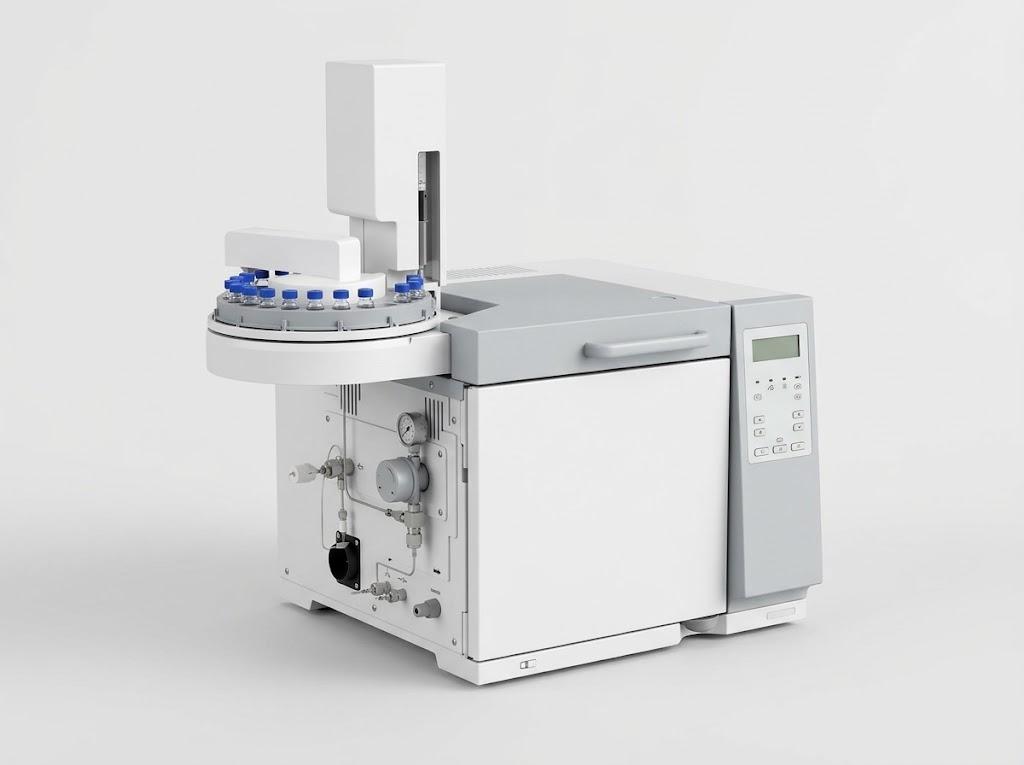
In anti-drug operations, the suspected powders, liquids or crystalline evidence seized are to be accurately separated into components for chemical identification. gas chromatography in forensics offers a central testing method to analyse substances implicated in cases.
Component separation and quantitative analysis Samples seized illegally often contain numerous active compounds, diluents or synthetic by-products. GC is able to separate the target components from other components of the mixture effectively. This allows the analysts to determine the content of the target components and assess the total chemical composition of the sample.
When linked to a mass spectrometer, GC-MS can yield rich mass spectrum information that can be compared with recognised standard spectral libraries like the NIST mass spectral library. This information aids analysts in the identification of unknown chemicals in medication samples. In general, accurate forensic conclusions require that library matches are supported by reference standards and established analytical methodologies.
GC vs. GC-MS in Forensic Analysis
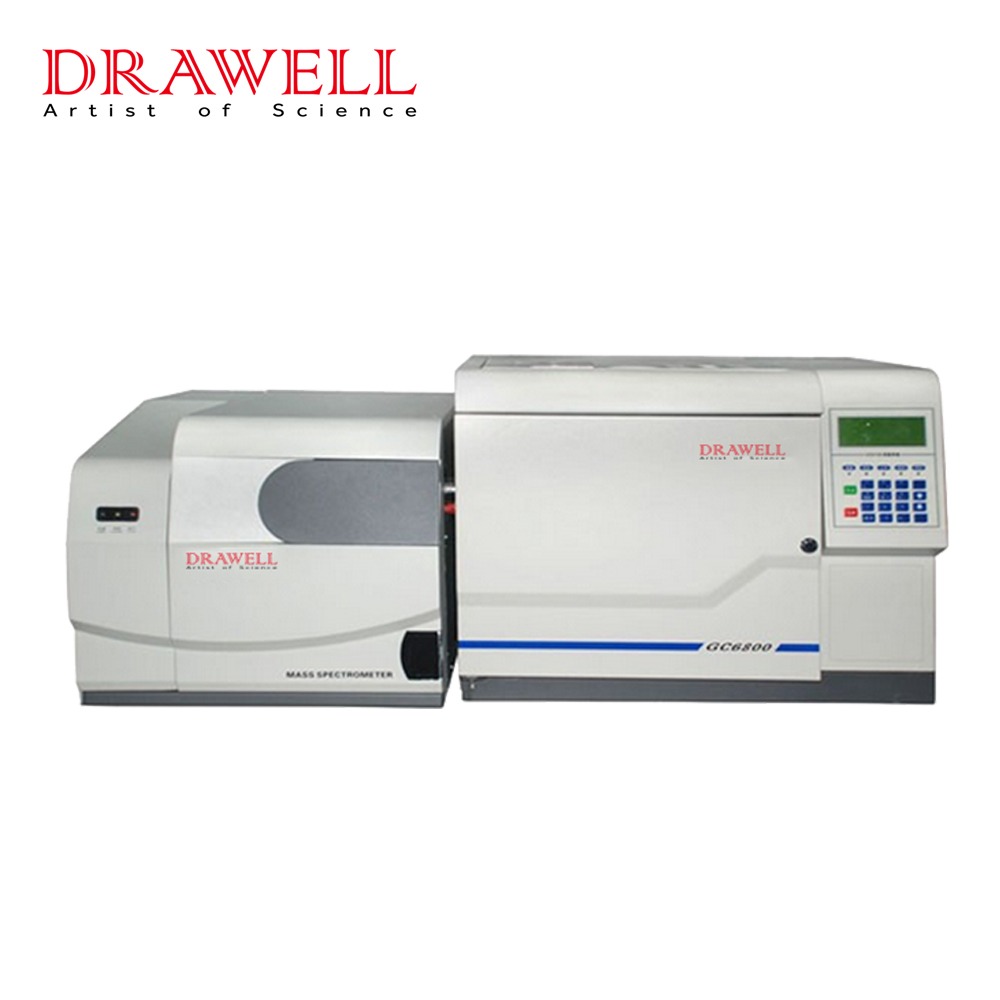
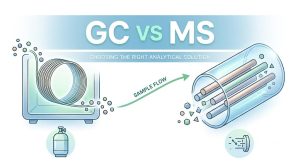
When outfitting laboratory analytical instruments, managers are often faced with the necessity to compare the functional differences between a stand-alone gas chromatograph (GC) and a gas chromatography/mass spectrometry system (GC-MS) so that they can meet specific testing requirements.
For laboratories working with volatile compounds and targeted analytical methods, a properly configured gas chromatograph can provide the separation needed before detector- based analysis.
When more detailed compound identification is required, laboratories may use a GC- MS system to combine chromatographic separation with mass spectral analysis.
| Comparison Dimension | Gas Chromatography (GC) | Gas Chromatography- Mass Spectrometry (GC- MS) |
| Main function | Separate different compounds in a sample | Separate compounds and provide mass spectral information |
| Detection mode | Use detectors such as FID or ECD according to configuration | Use a mass spectrometer detector (MS) |
| Compound identification | Combine retention time and reference standards for identification | Combine mass spectral data, library matching, and reference standards to assist identification |
| Quantitative analysis | Suitable for quantitative analysis of known target compounds | Can be used for quantitative and qualitative analysis of target compounds |
| Typical applications | Blood alcohol analysis and quantitative analysis of known targets | Fire debris screening, complex drug sample analysis, and identification of suspected unknown compounds |
GC gives the basic ability for separating distinct chemicals in the forensic analysis. The detector decides the type of analytical signal produced. GC-MS adds mass spectral information, which is very valuable when labs are analysing complicated mixtures or trying to identify unknown substances. The choice of equipment relies on the type of sample, the analytes to be measured, and the specific quality criteria for the testing.
What Are the Limitations of Gas Chromatography in Forensics?
Gas chromatography is powerful in the testing of physical evidence, yet it has distinct technical restrictions in its practical application:
Disadvantages of compound volatility and thermal stability: GC is particularly applicable to compounds that may be vaporised at the working temperature of the chromatographic column without degradation due to heat. Compounds of low volatility, polar or thermally labile frequently require chemical derivatisation, or other analytical procedures such as liquid chromatography (LC) should be investigated.
High sample preparation requirements: The fire debris, biological samples and drug samples implicated in cases have complicated matrix characteristics, and require strict extraction and cleanup methods to avoid contamination of the chromatographic column and interference of background signal.
Limitations of qualitative analysis: The chromatographic retention periods or peak signals produced by using standard detectors alone are frequently insufficient to identify unknown chemicals in complicated mixtures with certainty. Reliable forensic identification reports require reference standards, mass spectral data, and validated analytical processes according to standards.
Choosing Gas Chromatography Equipment for Laboratory Analysis
Forensic labs and other analytical testing labs should select their chromatography equipment based on the type of samples, target chemicals, and testing requirements.
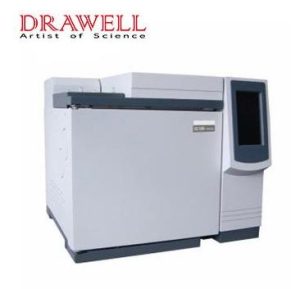
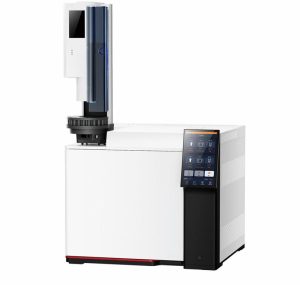
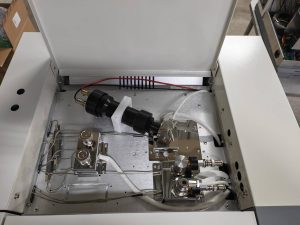
Drawell offers laboratory analytical tools such as gas chromatographs and GC-MS systems for chemical analysis and research. Instrument alternatives laboratories can examine when reviewing equipment for compound separation, focused detection and more complete chemical identification.
Summary
Gas chromatography is a core technique in the forensic chemical analysis laboratory. GC and GC-MS systems offer the separation capabilities and exact data support to physical evidence testing from screening ignitable liquids in fire debris, to identifying blood alcohol concentration in biological samples, to separating components of unknown compounds involved in cases. Understanding the application scenarios, technological advantages and pertinent limitations of gas chromatography in depth will assist laboratories in building the most appropriate analytical instruments based on particular testing standards and sample needs.
Get Quote Here!
Latest Posts
What Next?
For more information or to arrange an equipment demonstration, please visit our dedicated Product Homepage or contact one of our Product Managers.


