


Did you know that in pharmaceutical laboratories, even a seemingly minor deviation in melting point measurement can have far-reaching consequences—impacting millions in R&D investment and, in some cases, determining whether a new drug gains regulatory approval? Melting point determination, a fundamental procedure strictly regulated by pharmacopeias worldwide, has long gone beyond simply “observing when a compound melts.” It has become a precise window into the authenticity of raw materials, the purity of crystal forms, and the stability of formulations.
With technologies ranging from classic capillary methods to advanced fully automatic instruments, selecting the right melting point apparatus is no longer a routine purchase. It is a strategic decision that directly affects data reliability, regulatory compliance, and the pace of pharmaceutical development.
In this article, we explore how pharmaceutical laboratories rely on melting point apparatus, what technical requirements are truly essential, and which types of instruments are best suited to meet the rigorous demands of pharmaceutical applications.

Why Pharmaceutical Labs Have Higher Requirements for Melting Point Determination?
Unlike general chemistry labs, pharmaceutical laboratories operate under stricter expectations for data reliability and repeatability. Melting point results may be used to support raw material verification, process control, or internal quality checks, making measurement consistency especially important.
In practice, pharmaceutical labs face several challenges:
- Subtle melting point differences between similar compounds
- High expectations for repeatability across operators and batches
- Increasing pressure to minimize subjective judgment during testing
Traditional visual methods can work for basic screening, but they often rely heavily on operator experience. In pharmaceutical settings, this subjectivity can introduce variability that is difficult to justify or reproduce later.
This is why pharmaceutical labs typically require melting point apparatus with higher accuracy, better temperature control, and reduced operator dependence.
What Makes a Melting Point Apparatus Suitable for Pharmaceutical Applications?
Beyond basic functionality, pharmaceutical labs require a combination of precision, consistency, and operational reliability.
Precision and Reproducibility
Pharmaceutical labs require instruments capable of accurate temperature control, often within ±0.1°C. Precision instruments minimize human error and ensure reproducible results across multiple samples and operators, critical for both QC and R&D environments.
Automation and Ease of Use
Automatic detection and programmable heating allow labs to process multiple samples efficiently. Automation reduces operator intervention, improving consistency and saving valuable time during routine analysis.
Data Handling and Documentation
Reliable documentation is essential in pharmaceutical labs. Instruments that offer digital readouts, printing, or data export simplify record keeping and align with internal audit requirements, while supporting long-term traceability of results.
Reliability and Long-Term Stability
High-quality melting point apparatus ensures consistent performance over time. Stable heating elements, uniform temperature distribution, and minimal maintenance requirements are crucial for labs with frequent testing needs.
In short, suitability for pharmaceutical use is defined by consistency, control, and confidence in the results—not by complexity alone.
Which Configurations and Types Are Mandatory vs Optional?
Even with a clear understanding of pharmaceutical requirements, not every laboratory needs the same level of automation or configuration. The key is to distinguish between features that are fundamentally necessary for compliance and data reliability, and those that are optional depending on workload, compound types, and testing frequency.
Mandatory Features for Pharmaceutical Labs
Certain configurations are widely regarded as essential in pharmaceutical settings:
| Mandatory Feature | Why It Matters in Pharmaceutical Labs |
| High temperature accuracy and stability | Ensures compliance with pharmacopoeial standards and reliable purity assessment |
| Controlled and adjustable heating rates | Required for standardized test methods |
| Digital temperature display and calibration | Supports traceability and audit readiness |
| Reproducible sample observation | Minimizes operator-dependent variability |
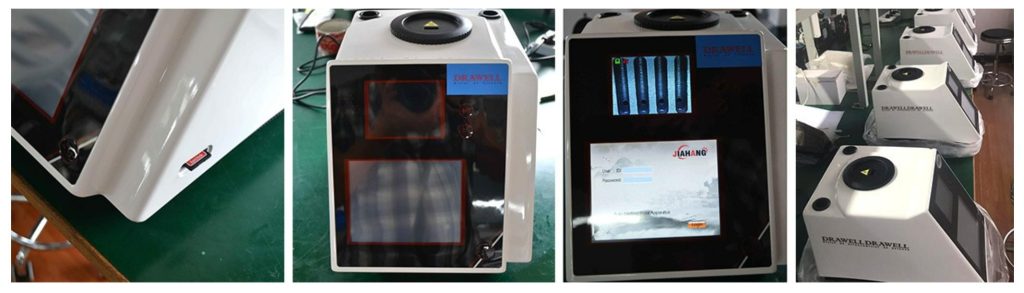
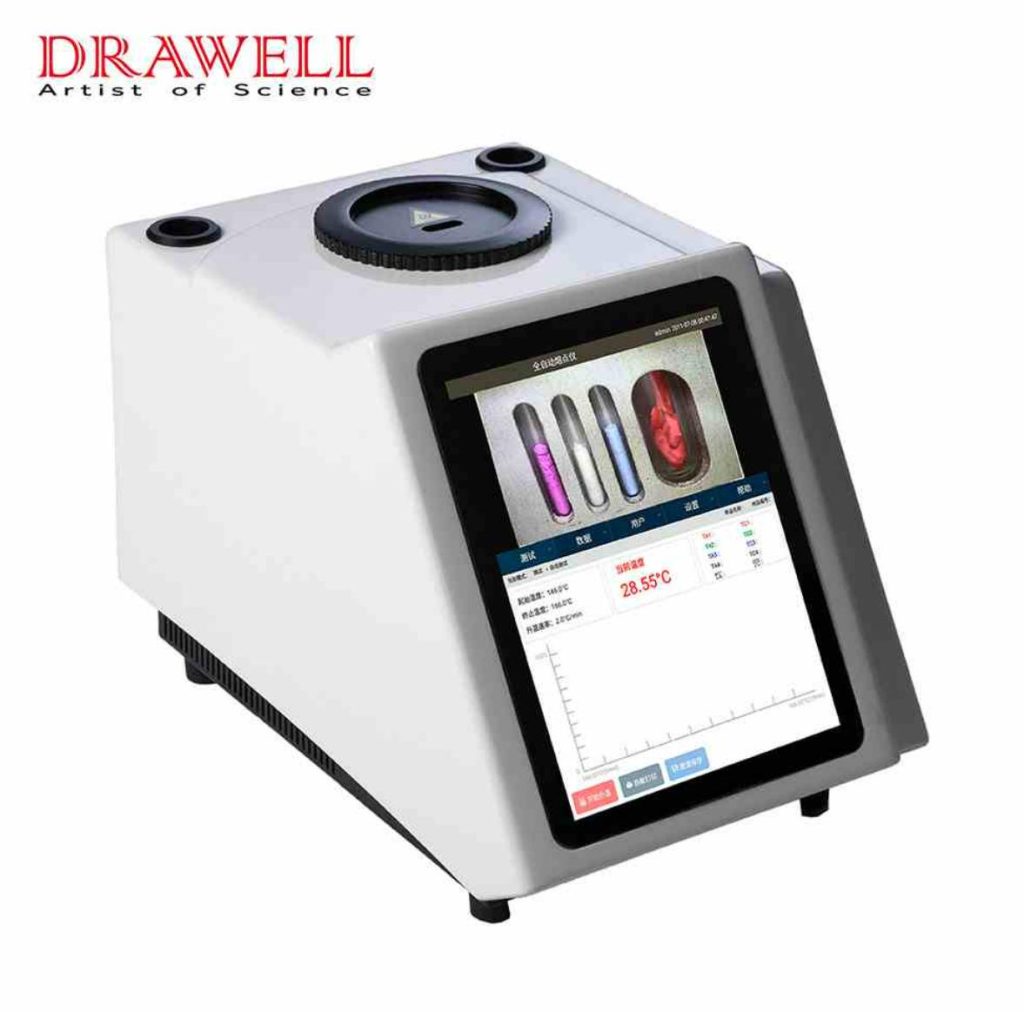
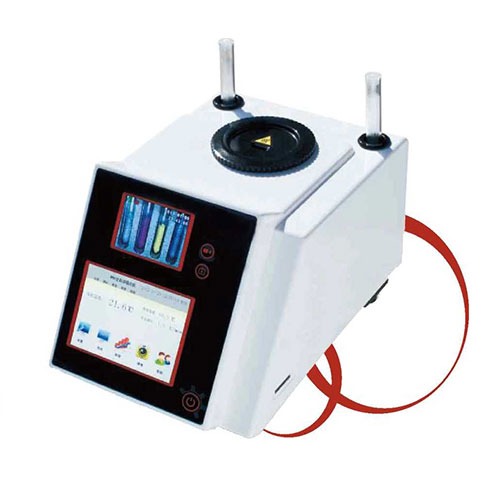
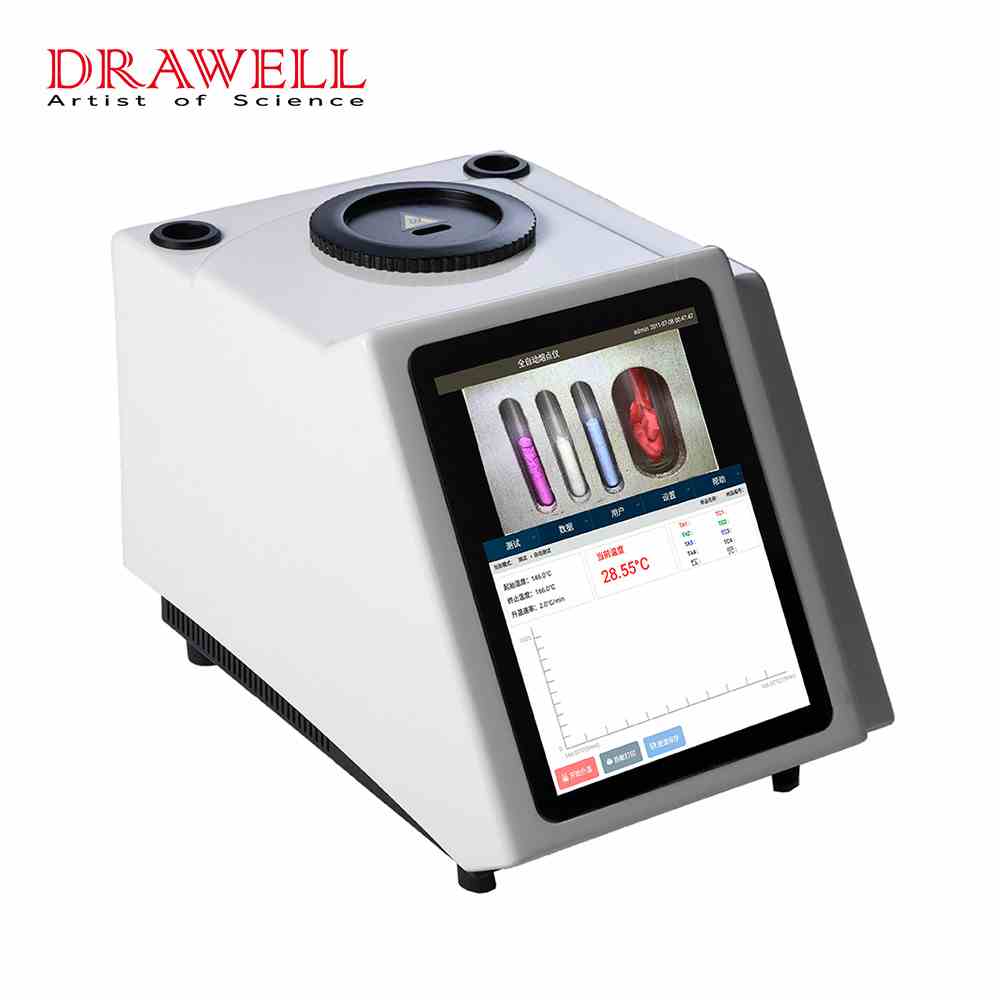
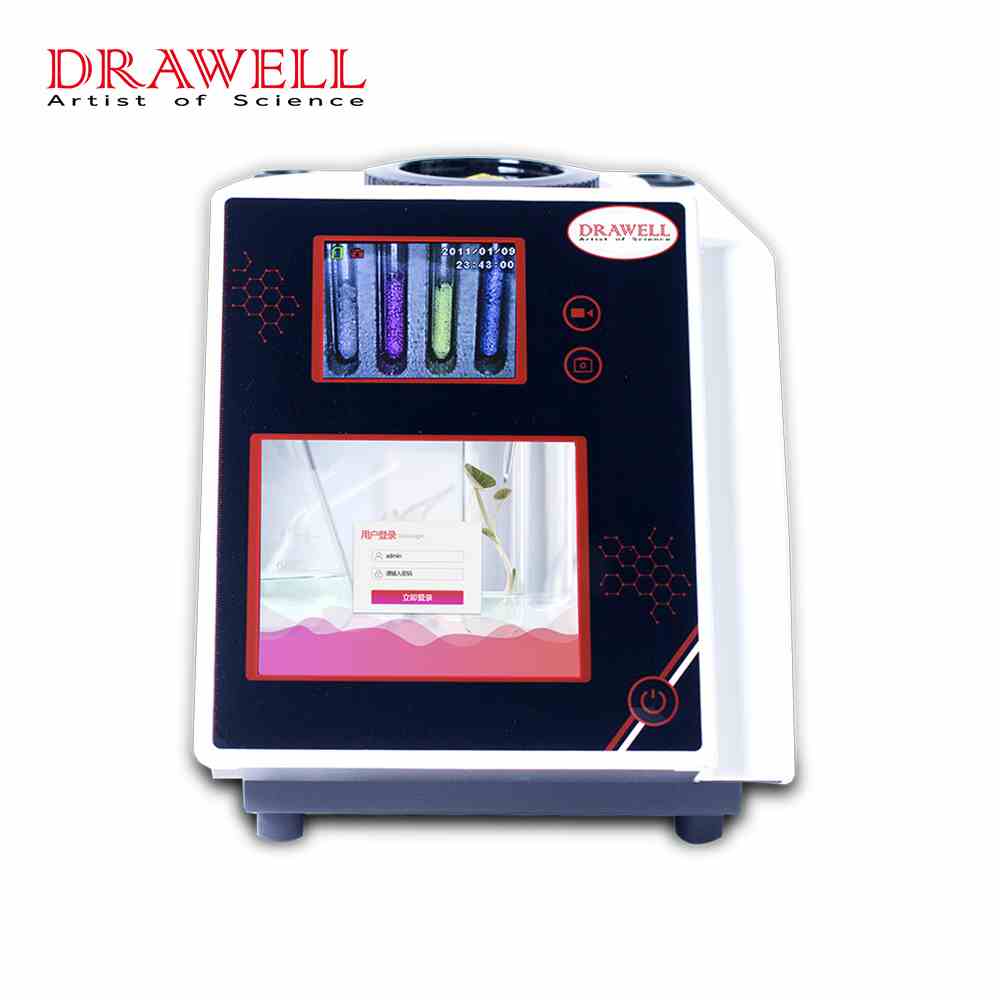
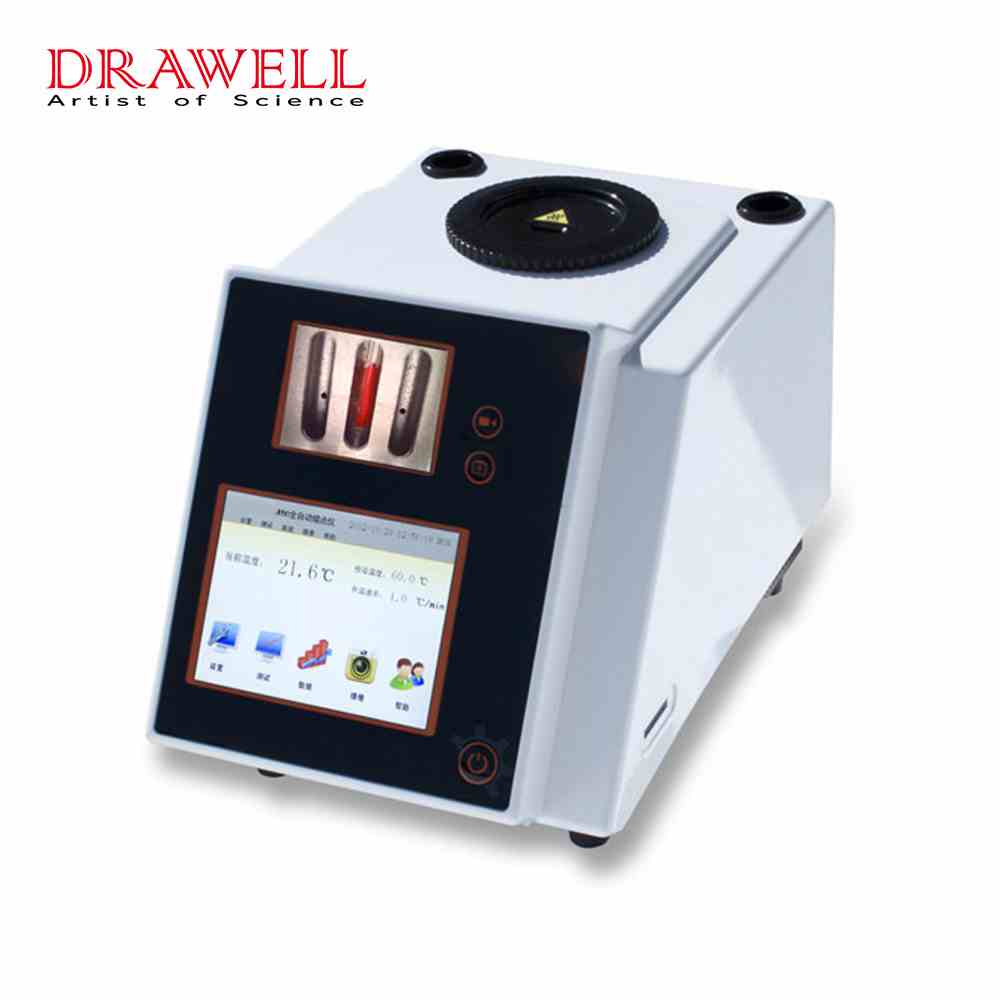
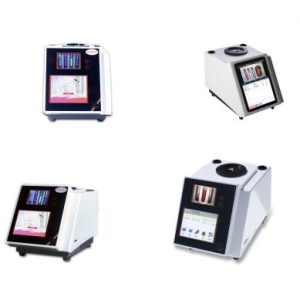
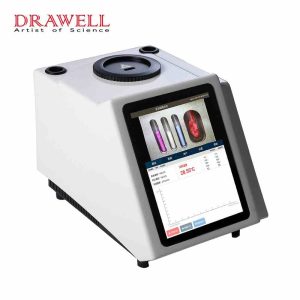
Instruments such as automatic melting point meters and video melting point apparatus are commonly adopted because they inherently meet these baseline requirements. For example, Drawell’s automatic melting point meters are designed to deliver consistent temperature control and digital data recording, making them suitable for routine pharmaceutical analysis.
Optional Features Based on Application Needs
Other features may be highly valuable but are not strictly mandatory for every lab:
| Optional Feature | Best Suited For |
| Video recording and playback | R&D labs, method development, training |
| Multi-sample measurement | High-throughput QC environments |
| Advanced data export formats | Labs with integrated LIMS or ELN systems |
| Touchscreen with method storage | Multi-user laboratories |
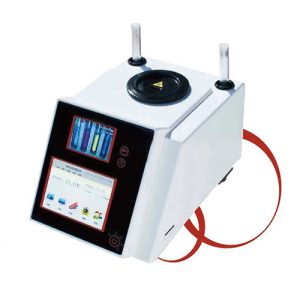
Video melting point systems, such as Drawell’s JH series, offer clear visual documentation and replay capabilities, which can be particularly helpful during investigations or training. However, smaller QC labs with lower sample volumes may find semi-automatic digital instruments sufficient.
Common Mistakes When Choosing a Melting Point Apparatus for Pharmaceutical Labs
Despite well-defined requirements, selection mistakes still occur—often because purchasing decisions focus too narrowly on individual specifications rather than real operational needs. Understanding these pitfalls can help laboratories avoid costly mismatches between equipment and application.
One common mistake is prioritizing price over long-term reliability. While entry-level instruments may appear cost-effective initially, limitations in accuracy, durability, or support can lead to repeat testing, compliance risks, or early replacement. Another frequent issue is underestimating data management needs; instruments without proper digital records can create challenges during audits.
Over-specification is also a concern. Investing in highly advanced features that are rarely used can increase complexity without delivering proportional value. The most effective approach is to align instrument capabilities with actual testing demands, regulatory expectations, and future scalability.
Make a Strategic Choice, Not Just a Purchase
After examining why pharmaceutical labs face stricter requirements, what defines a suitable melting point apparatus, and how to balance mandatory and optional features, one conclusion becomes clear: choosing the right instrument is a strategic decision. It directly influences data reliability, regulatory confidence, and laboratory efficiency.
For pharmaceutical laboratories, the best melting point apparatus is not simply the most advanced or the least expensive—it is the one that consistently delivers accurate, reproducible results while fitting seamlessly into regulated workflows. By evaluating instruments through this lens, labs can make informed choices that support both current operations and long-term development goals.
Related Products Recommendation
Get Quote Here!
Latest Posts

What Next?
For more information, or to arrange an equipment demonstration, please visit our dedicated Product Homepage or contact one of our Product Managers.


