


Choosing the right melting point apparatus is important for laboratories. The proper instrument directly impacts accuracy in purity analysis, also helps with compliance to standards, and tends to improve the overall efficiency of the workflow. Since different models are made for different kinds of workloads and also precision levels, it really helps to understand the key selection factors.

Understanding the Basics of Melting Point Apparatus
A melting point apparatus is a laboratory tool that measures the temperature at which a solid substance starts changing from a solid into a liquid state. This is a core technique in chemistry for identifying compounds and checking their purity. Generally, a pure substance shows a sharp, clearly defined melting point. If there are impurities present, then the melting range usually gets broader, and the transition looks less tidy.
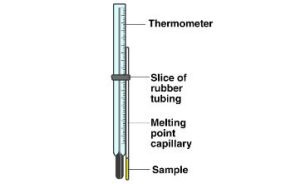
How it works is usually quite straightforward: the instrument gradually heats a small sample, often it’s sealed in a thin capillary tube, and the temperature is monitored closely. Depending on the design, a device might rely on manual viewing, digital temperature control, or a fully automated optical system that detects the exact moment of melting with more repeatability.
Melting point analysis is used a lot in pharmaceuticals, chemical research, and quality control, mostly because it’s fairly simple, it’s low-cost, and it provides a lot of useful information for confirming substance identity and making sure products stay consistent over time.
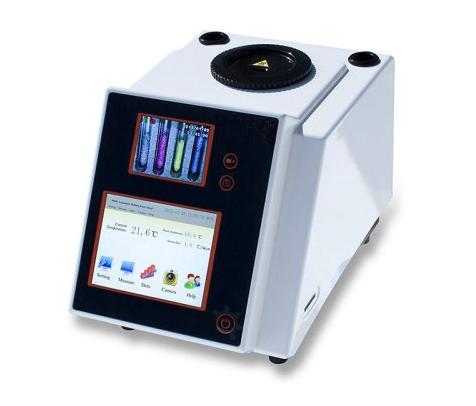
Main Types of Melting Point Apparatus
| Type | Operating Principle | Automation Level | Key Features | Applications |
| Manual Capillary Melting Point Apparatus | Sample observed visually in capillary tube while heating is controlled manually or semi-manually | Low | Simple design, low cost, operator-dependent results | Teaching labs, basic chemical identification |
| Digital Melting Point Apparatus | Electronic temperature control with digital display for melting range reading | Medium | Better temperature stability, digital readout, improved accuracy over manual systems | Routine QC labs, academic research |
| Automatic Melting Point Apparatus | Optical or sensor-based detection automatically identifies melting point | High | Automated detection, reduced human error, faster analysis, data storage | Pharmaceutical QC, industrial laboratories |
| Video-Based Melting Point System | Records melting process and allows frame-by-frame analysis | Very High | Full traceability, visual documentation, advanced analysis capability | Regulatory environments, R&D, high-precision applications |
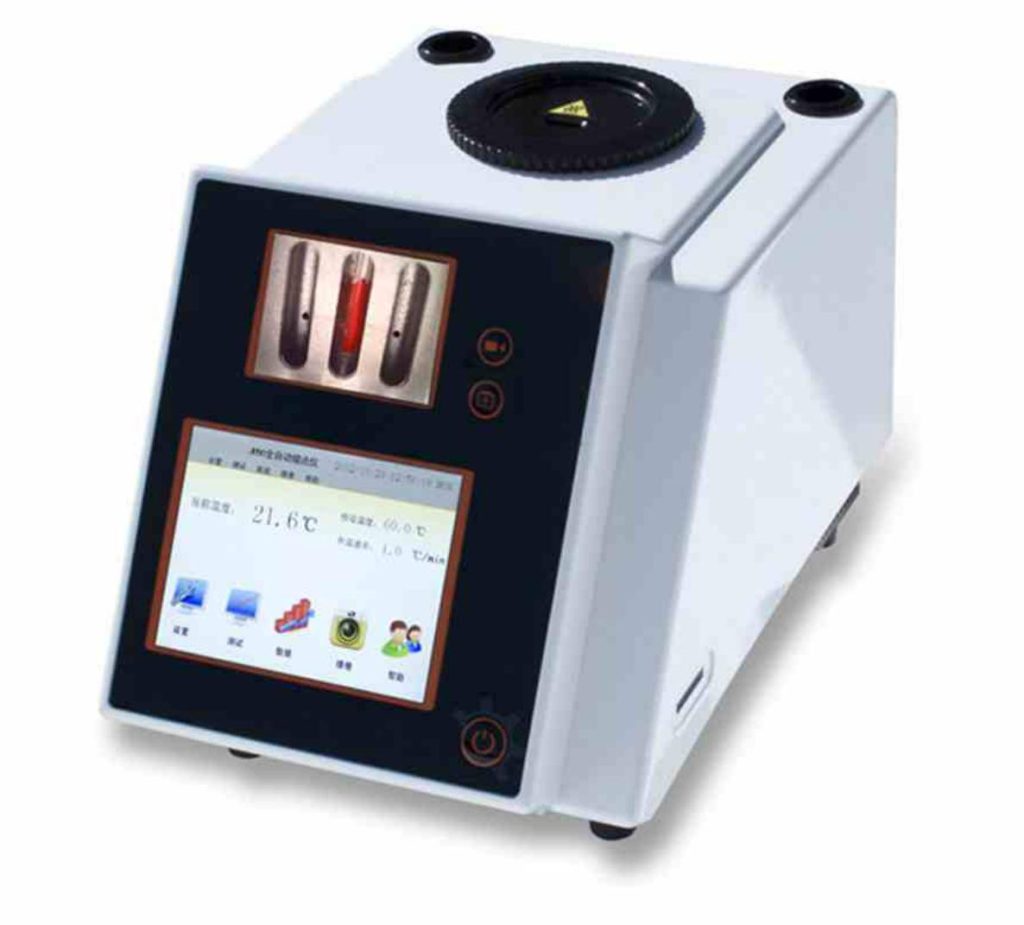
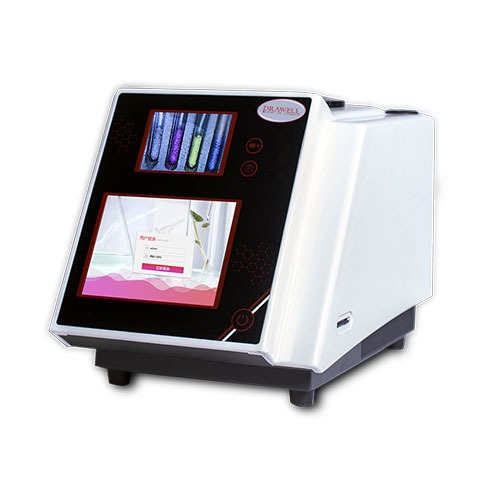
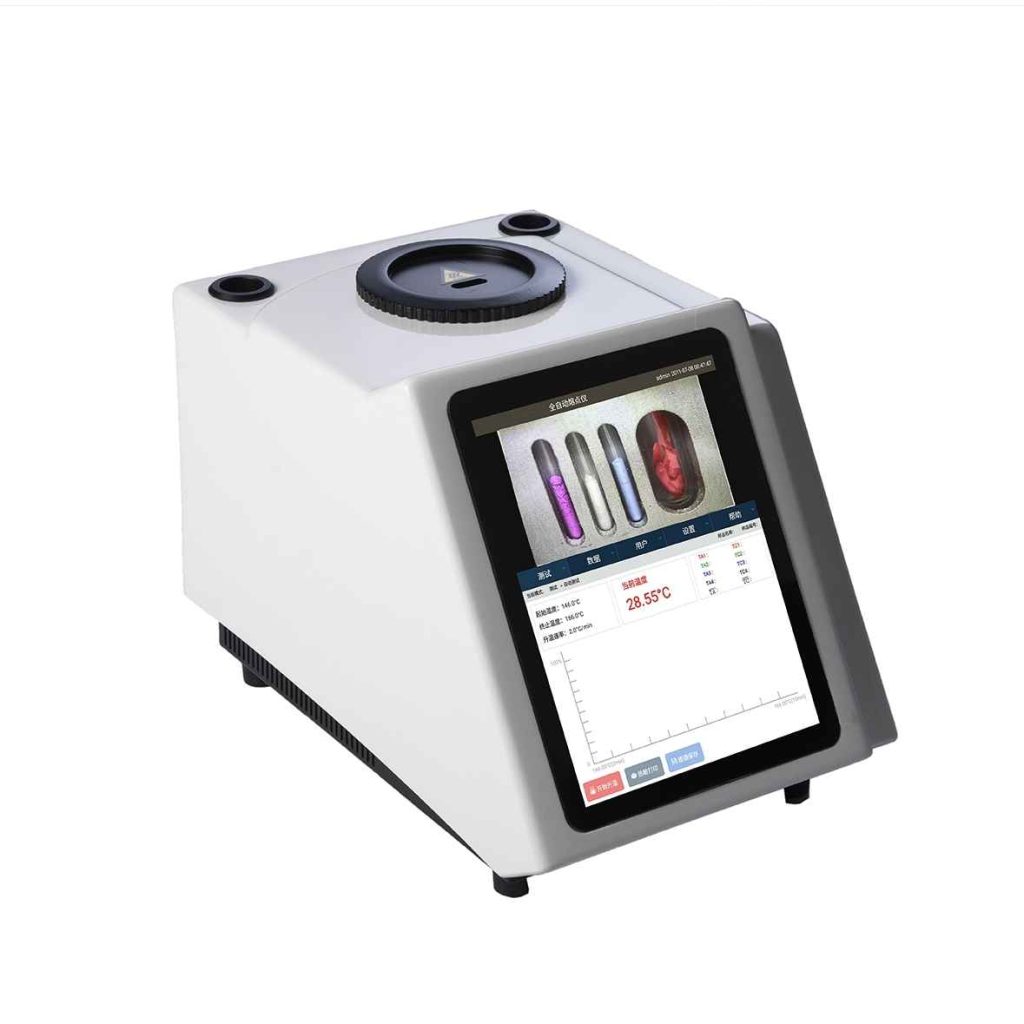
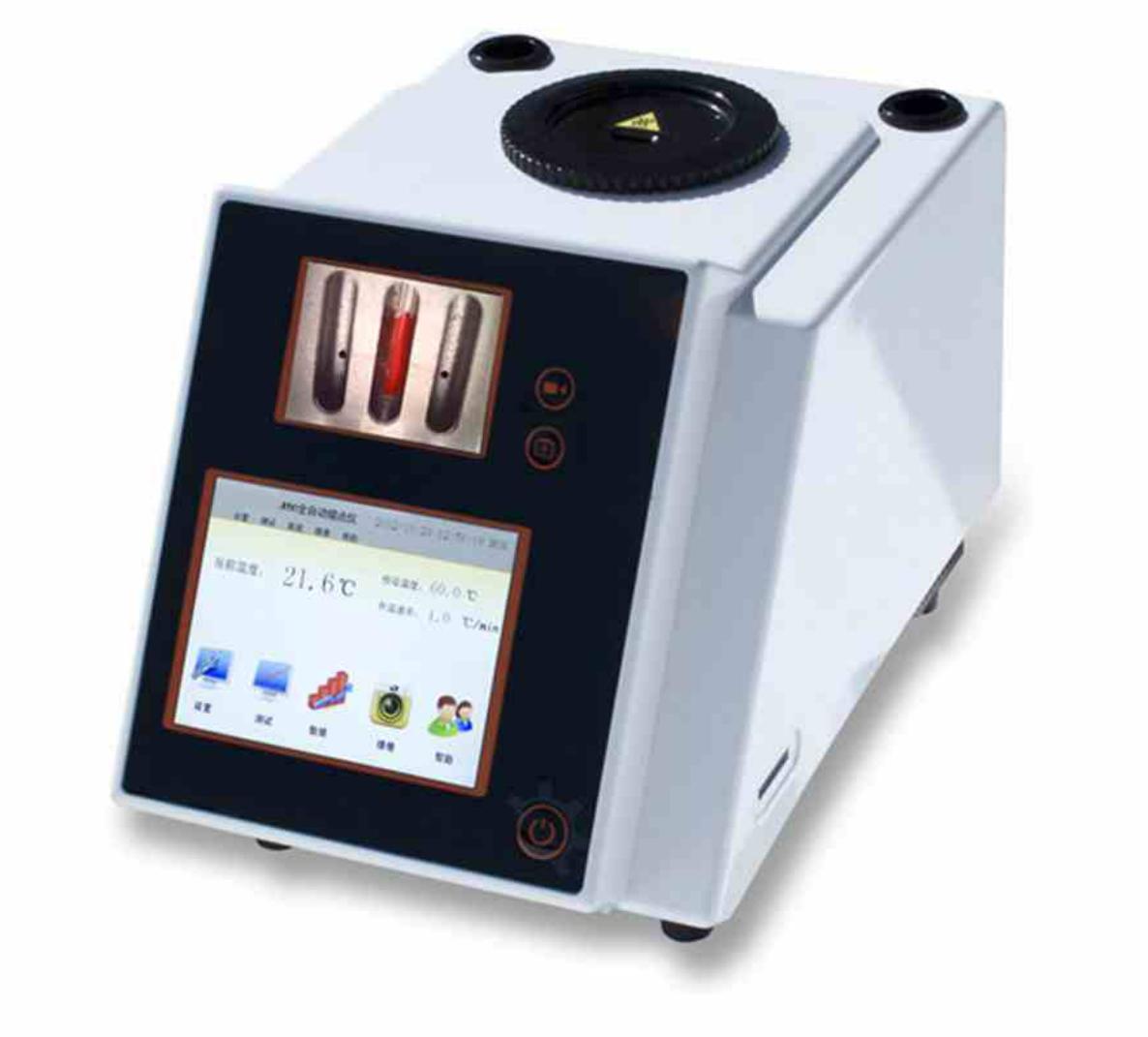
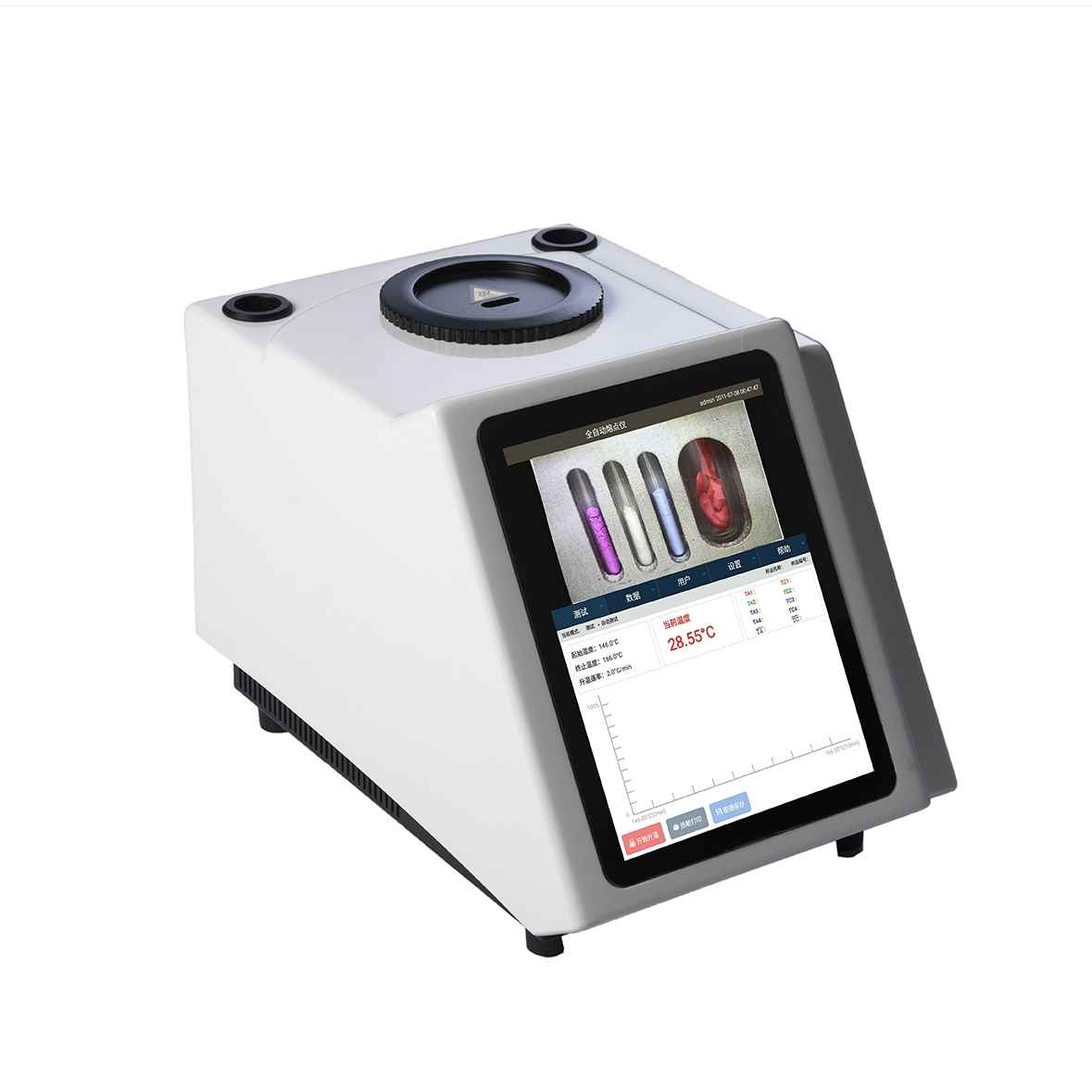
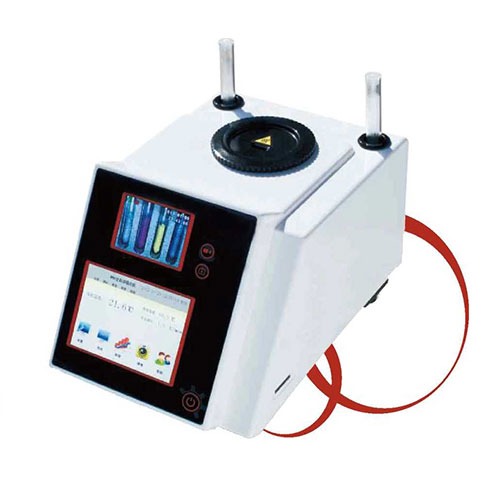
Key Factors to Consider for Choosing the Right Type of Melting Point Apparatus
Picking the right melting point apparatus is mostly about aligning what the instrument can do with why the lab needs it, how the workflow moves, and what regulators expect. Once you understand the major choice factors, it becomes easier to make sure the system delivers accurate results.
1. Application Demands and Laboratory Purpose
What the instrument will actually be used for matters a lot in the decision. In teaching labs or basic university work, simple setup and quick demonstrations are usually more important, so a compact approach that relies on manual observation, along with basic digital indicators, can be enough. On the other hand, industrial quality control settings, or pharmaceutical production-related testing, demand much tighter uniformity and reproducibility. That’s where more sophisticated automated systems, or a video-based observation arrangement, tend to fit better.
As analytical requirements become more complex, especially in research and development environments the need for careful measurement and detailed melting behavior evaluation becomes more urgent. In these kinds of situations, setups that offer stronger detection, plus detailed record-keeping support, tend to lead to more dependable decisions.
2. Accuracy, Temperature Stability, and Heating Behavior
Reliable melting point measurement really relies on how well the instrument manages temperature. Instruments that hold stable heating conditions and also let the user set small adjustments to the heating rate usually give steadier outcomes. A slower, controlled temperature rise often helps improve your ability to notice the exact transition point, especially when working with substances that have a narrow melting range. Because of that, temperature stability and sensor precision, are central items to check when comparing different instrument types.
3. Level of Automation and Operational Efficiency
Another important factor is the level of automation the instrument offers. Traditional systems depend a lot on operator watching, which can bring in variability depending on experience and attention level. Digital systems reduce part of that variability by giving more legible temperature readings, while automatic systems make it steadier still by recognizing phase transitions using sensors or optical approaches.
A higher degree of automation does more than repeat itself better. It also raises lab throughput . In high-volume testing settings, when manual involvement is reduced, technicians can run through more samples with fewer mistakes, which boosts general productivity.
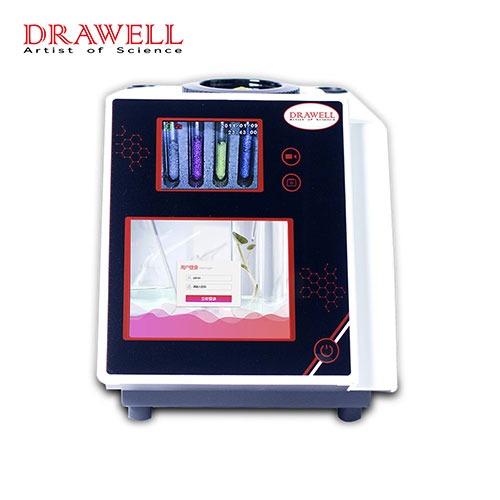
4. Sample Characteristics and Analytical Complexity
The physical and chemical nature of the sample being tested also influences which instrument you choose, because that varies with the material. For instance, pure crystalline substances usually show sharp melting points, and this makes them easier to identify with common setups. Yet, when the sample is impure or presents as a more complicated mixture, the melting behavior tends to spread out, so the melting range becomes broader, which means you often need stronger detection plus better visualization tools to read what is happening.
In these situations, equipment that can record the full melting sequence, or track it visually in real time, can give a much clearer interpretation. That is especially useful with pharmaceutical compounds, or other materials where even trace impurities can quietly but meaningfully change performance.
5. Regulatory Compliance and Data Integrity Requirements
For laboratories operating under regulated frameworks, compliance is not optional. Industries like pharmaceuticals need to make sure their instruments meet recognized standards, including pharmacopoeia guidelines and data integrity rules. Things such as audit trails, user access control, and validated calibration routines are often essential, because otherwise the whole workflow gets shaky. Also, the capability to store and export data in a secure way is a big part of keeping traceability intact. When systems connect easily with laboratory information management platforms, results tend to stay consistent, verifiable, and ready for inspections or regulatory review.
6. Workflow Integration and Long-term Value
Beyond raw technical performance, practical things like fitting into daily workflow and the long-term operational cost matter a lot as well. Tools that feel easy to manage are usually the ones that cut down on training time, and they help reduce user mistakes. At the same time, you want a system with solid durability and minimal maintenance needs, which feeds directly into better long term cost efficiency. It’s also smart to think about how the instrument really slots into the current laboratory setup. If it works well with digital systems, data networks and the reporting utilities, then the overall workflow gets smoother and there is less need for manual work.
7. Budget vs Performance Balance
Cost is always something to consider, but it should be matched with the needs for long-term performance. Basic manual setups are relatively low-priced but might demand more hands-on time from the operator, and the output can be less uniform. More advanced automatic systems cost more upfront, but they reduce labor expenses, and they also tend to boost reliability.
A useful idea is to check the overall total cost of ownership, not only the purchase price. Look at maintenance, repeat materials, training requirements, and even the productivity improvements that follow.
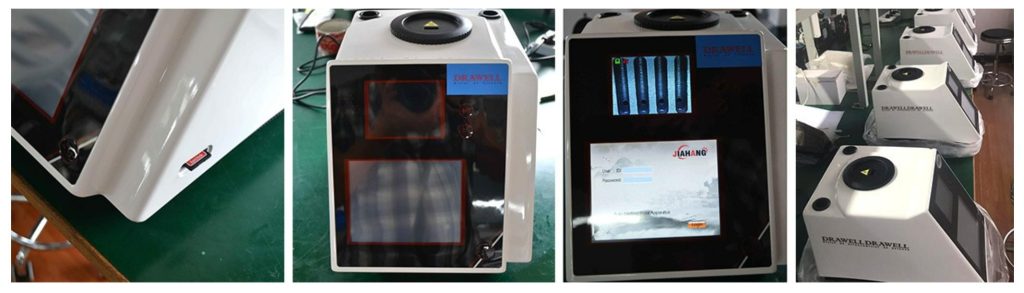
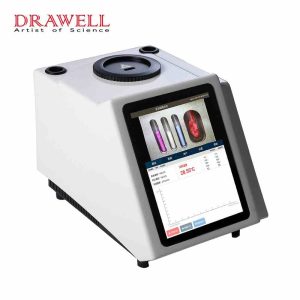
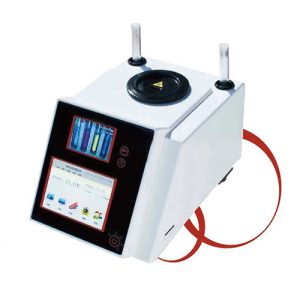
Recommended Melting Point Apparatus Products for Different Lab Applications
| Lab Application | Recommended Apparatus Type | Reason for Recommendation |
| Teaching & Academic Labs | Manual Capillary / Basic Digital | Simple operation and low cost suitable for demonstrations |
| Routine Quality Control Labs | Digital Melting Point Apparatus | Balanced accuracy and efficiency for daily testing |
| Pharmaceutical QC Laboratories | Automatic Melting Point Apparatus | High precision and compliance with regulatory standards |
| Research & Development Labs | Video-Based Melting Point Measurement System | Detailed melting behavior analysis and traceability |
| High-Throughput Industrial Labs | Fully Automatic High-Capacity Systems | Fast processing and minimal operator intervention |
| Regulatory / Certified Testing Labs | Automatic or Video-Based Systems with Audit Trail | Required for compliance and validation requirements |

Final Thoughts
Selecting the right melting point setup really comes down to juggling accuracy with automation, the complexity of the sample, regulatory needs, and also the budget. For teaching labs or simpler exploratory work, a manual arrangement or a digital unit may be enough. But when you are dealing with industrial work, pharmaceutical testing, or high-throughput routines, automatic devices or video-centric systems tend to deliver steadier readings, cleaner records and faster turnaround times.
If you take a close look at your lab’s workflow and what the analysis must deliver, you’ll be able to choose a unit that covers what you need today, while still being able to scale up later for more testing capacity and better quality of the data.
Get Quote Here!
Latest Posts

What Next?
For more information, or to arrange an equipment demonstration, please visit our dedicated Product Homepage or contact one of our Product Managers.


